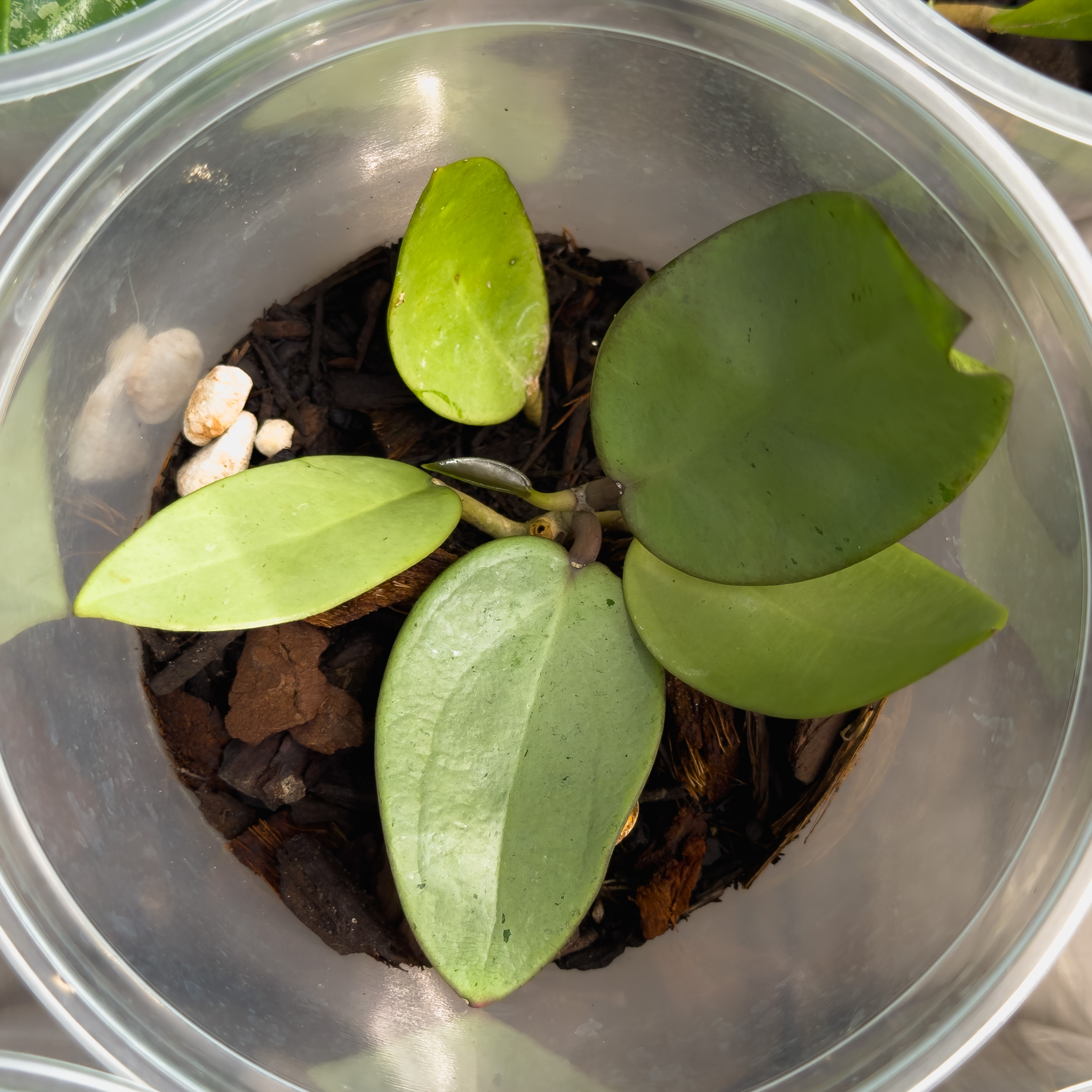
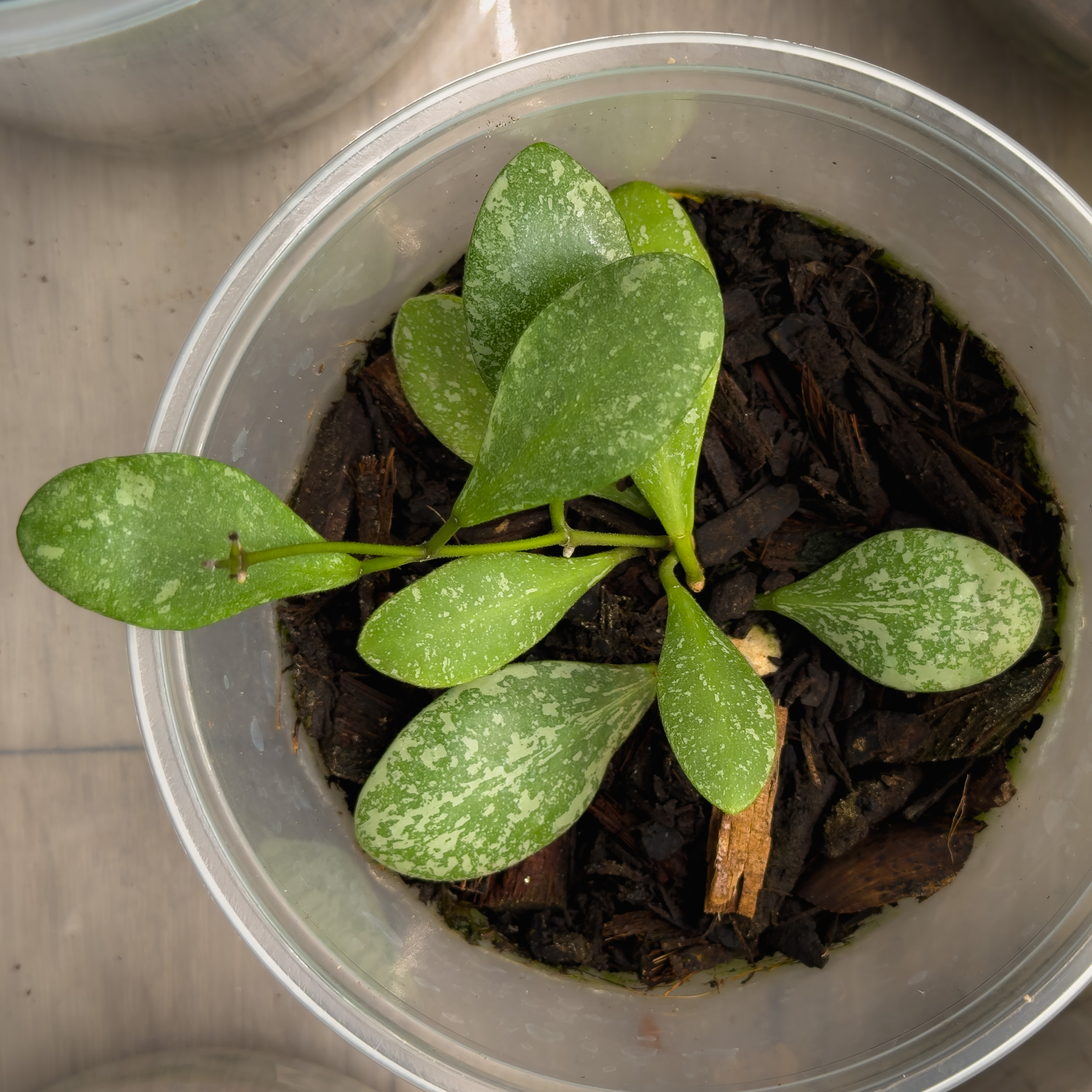
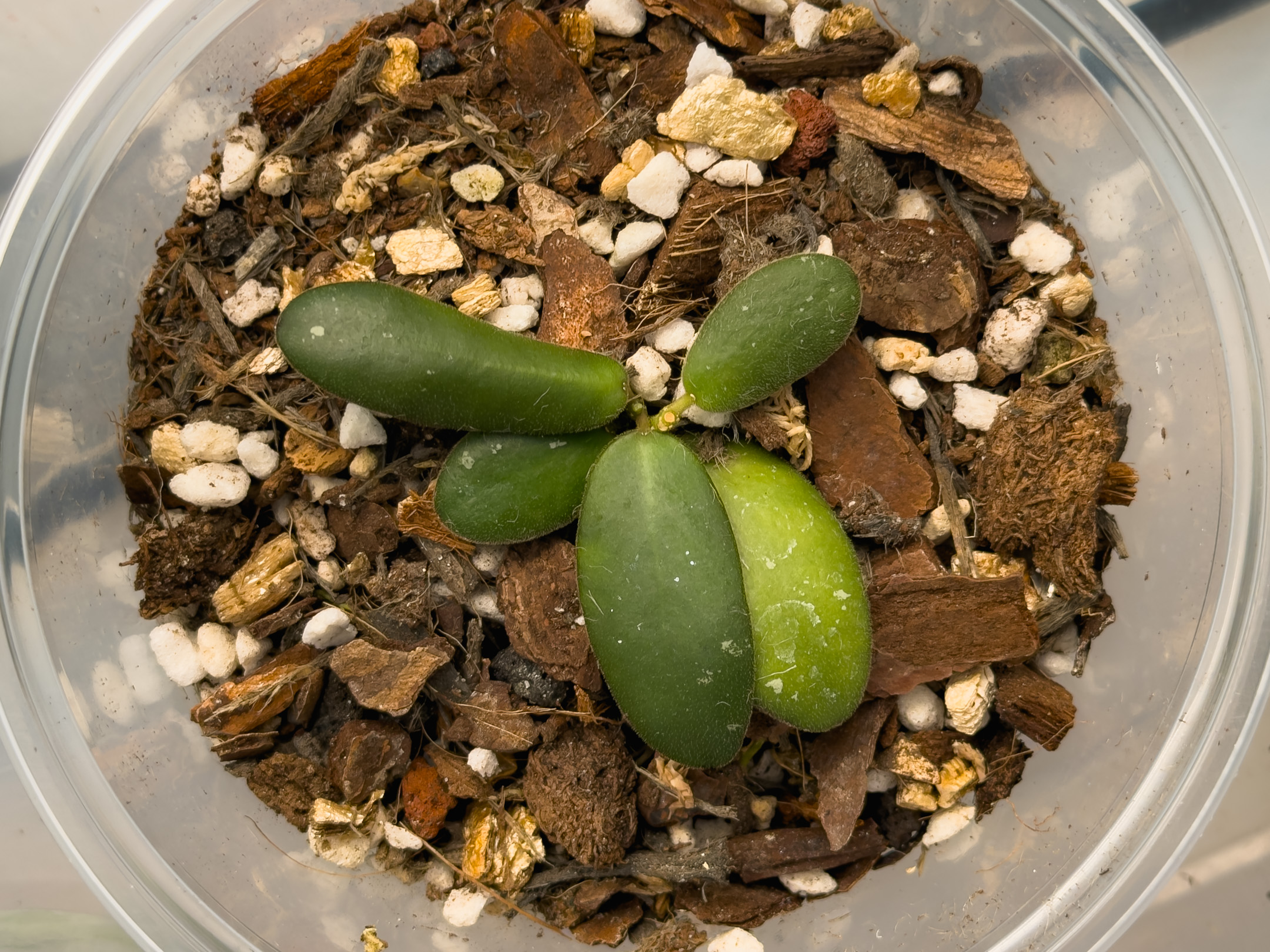
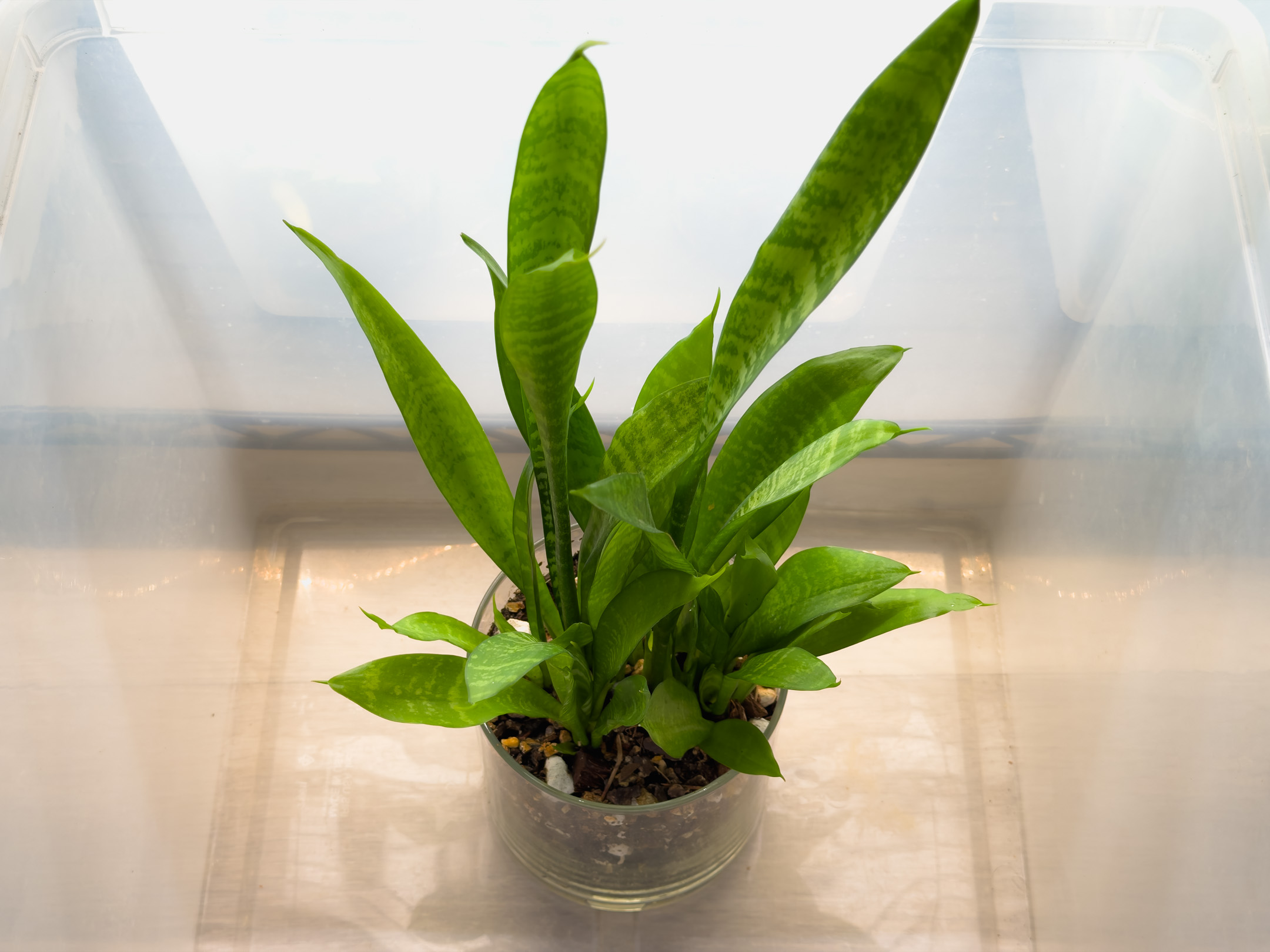
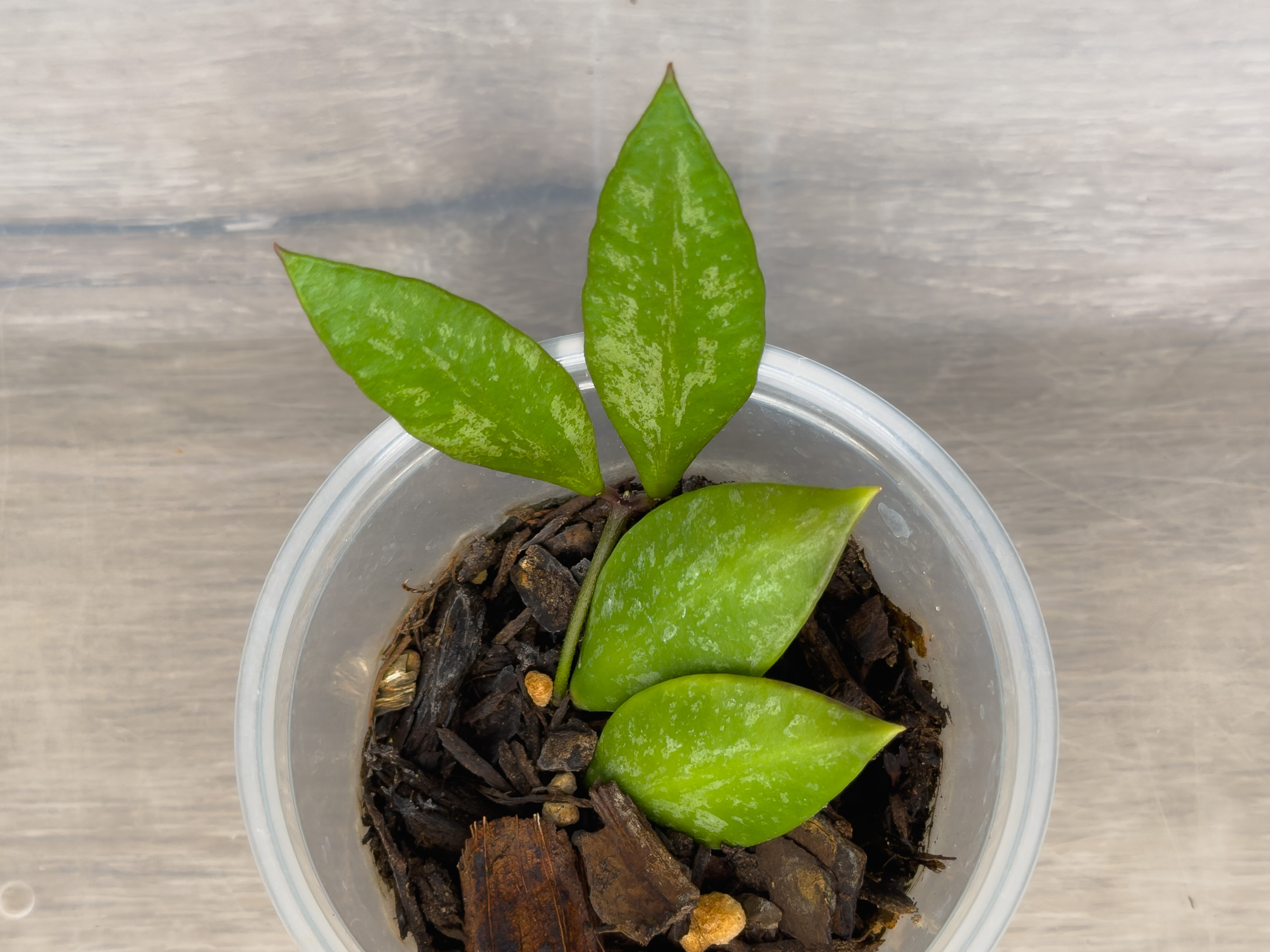
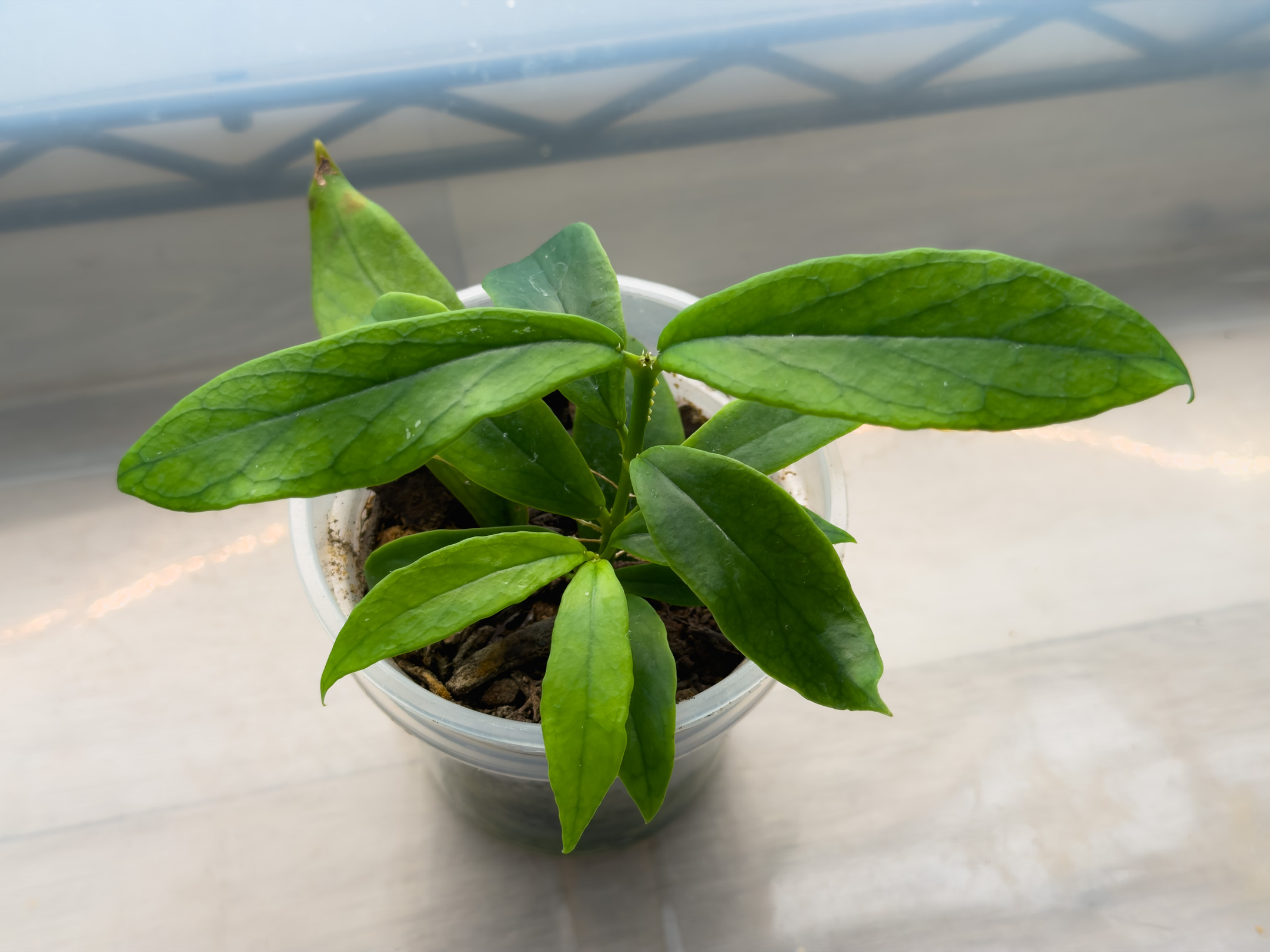
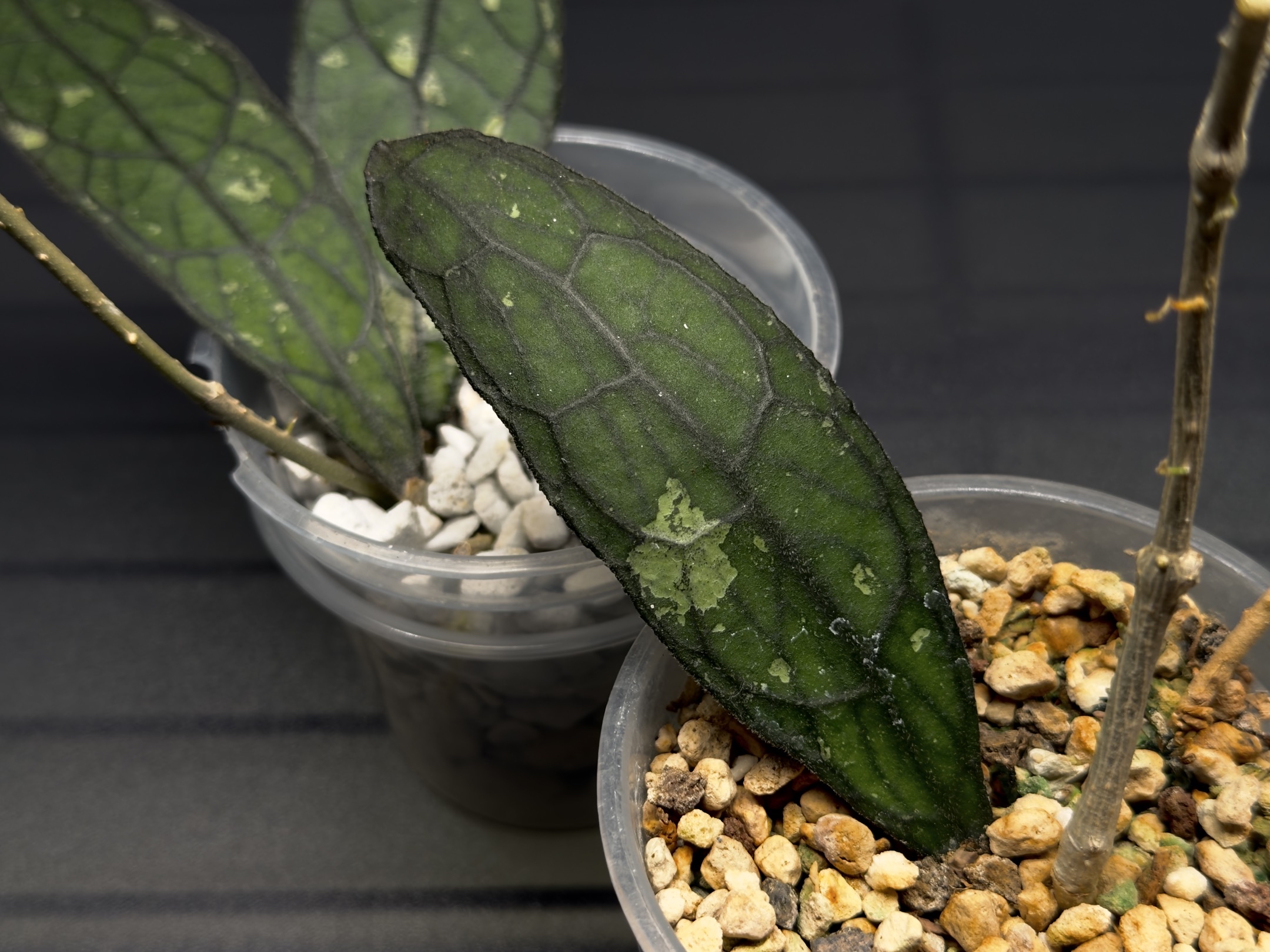
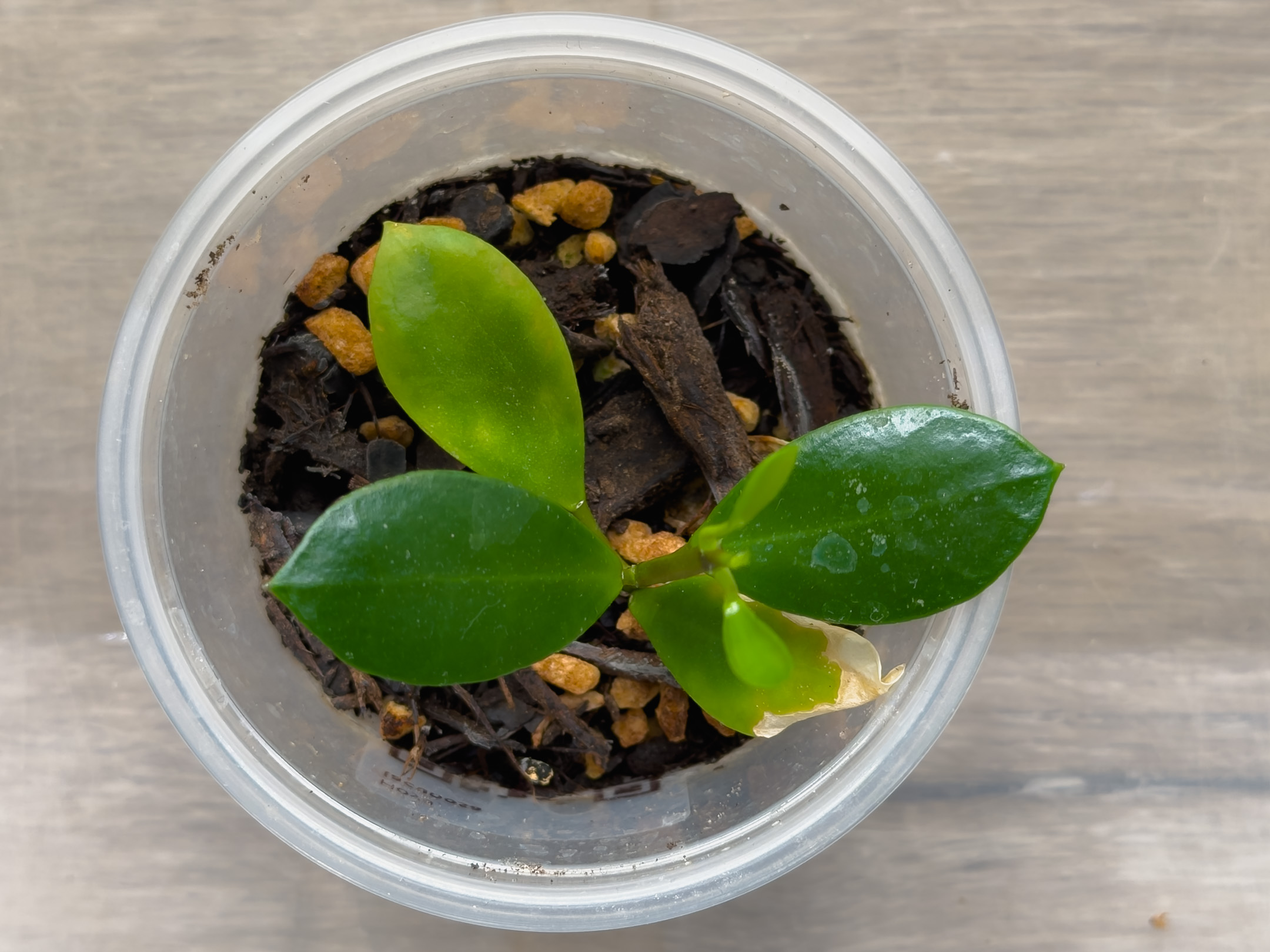
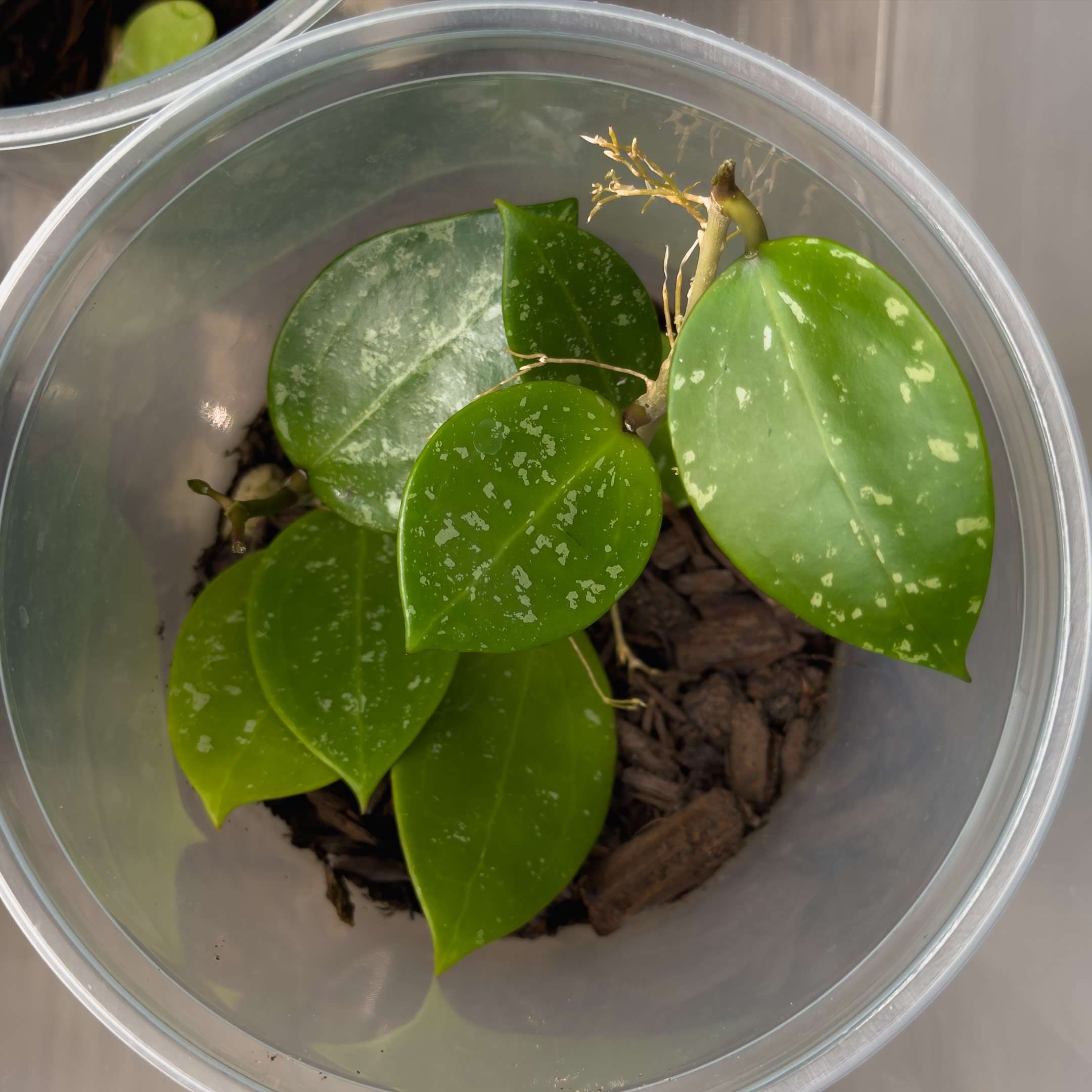
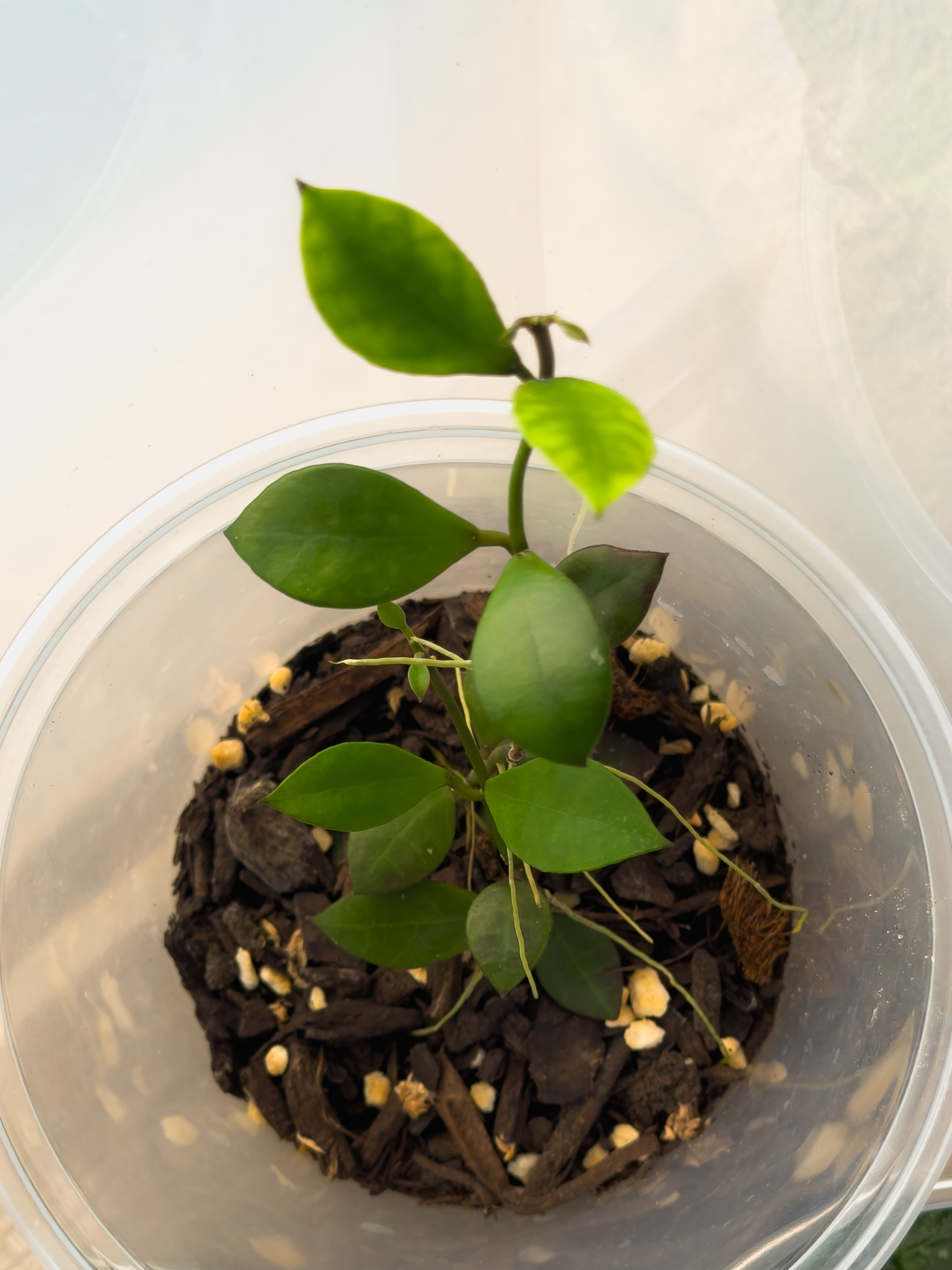
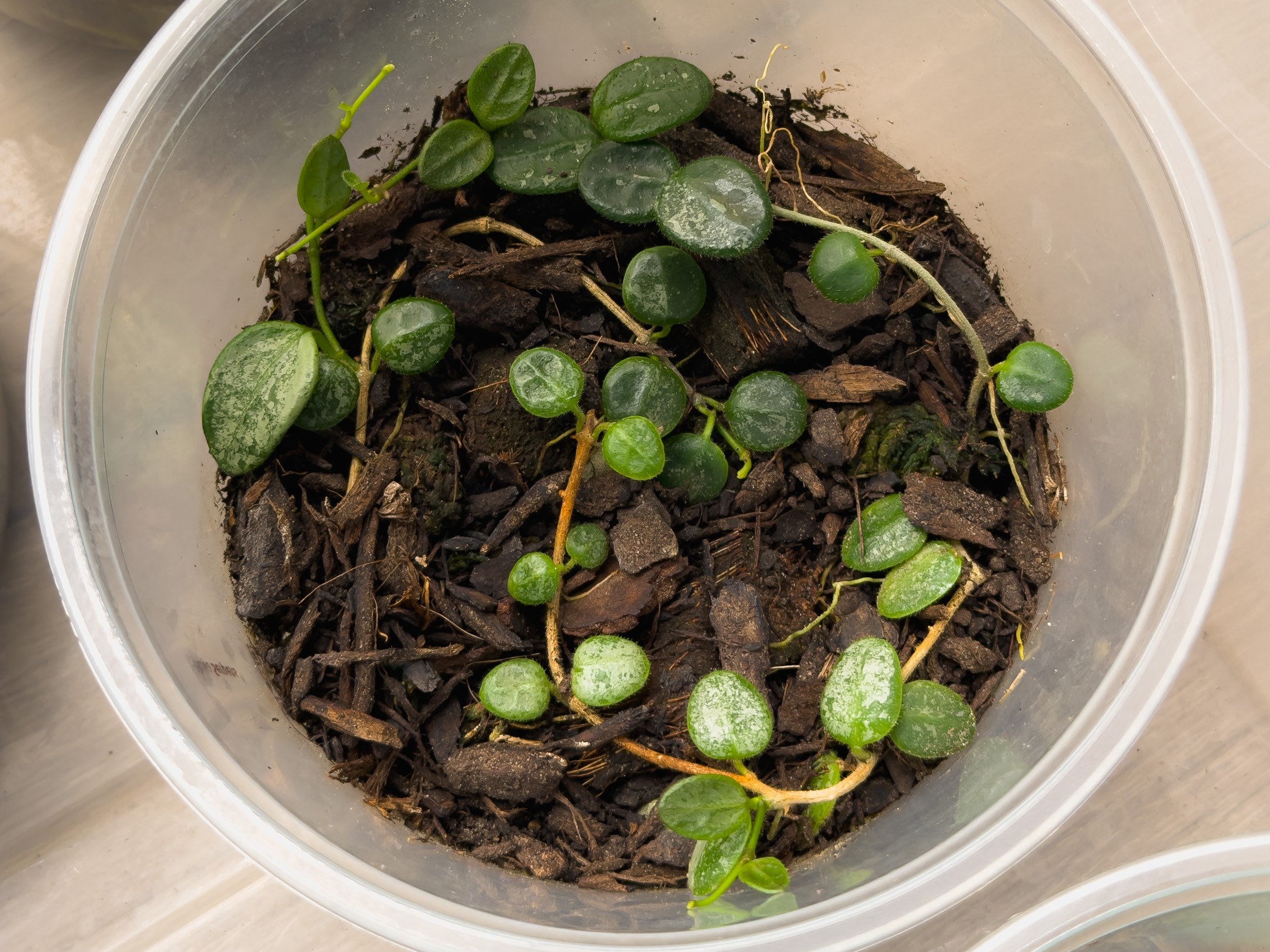
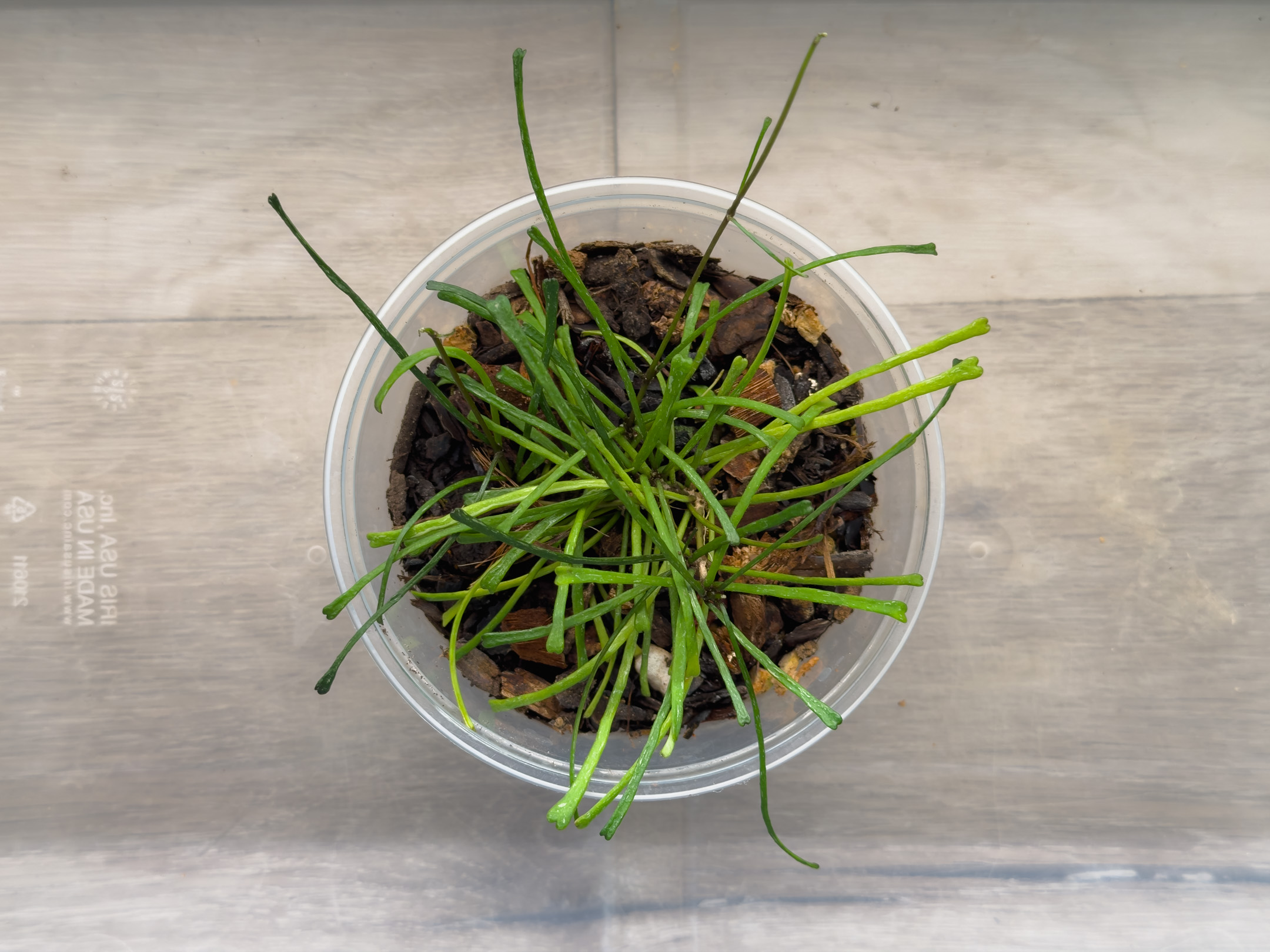
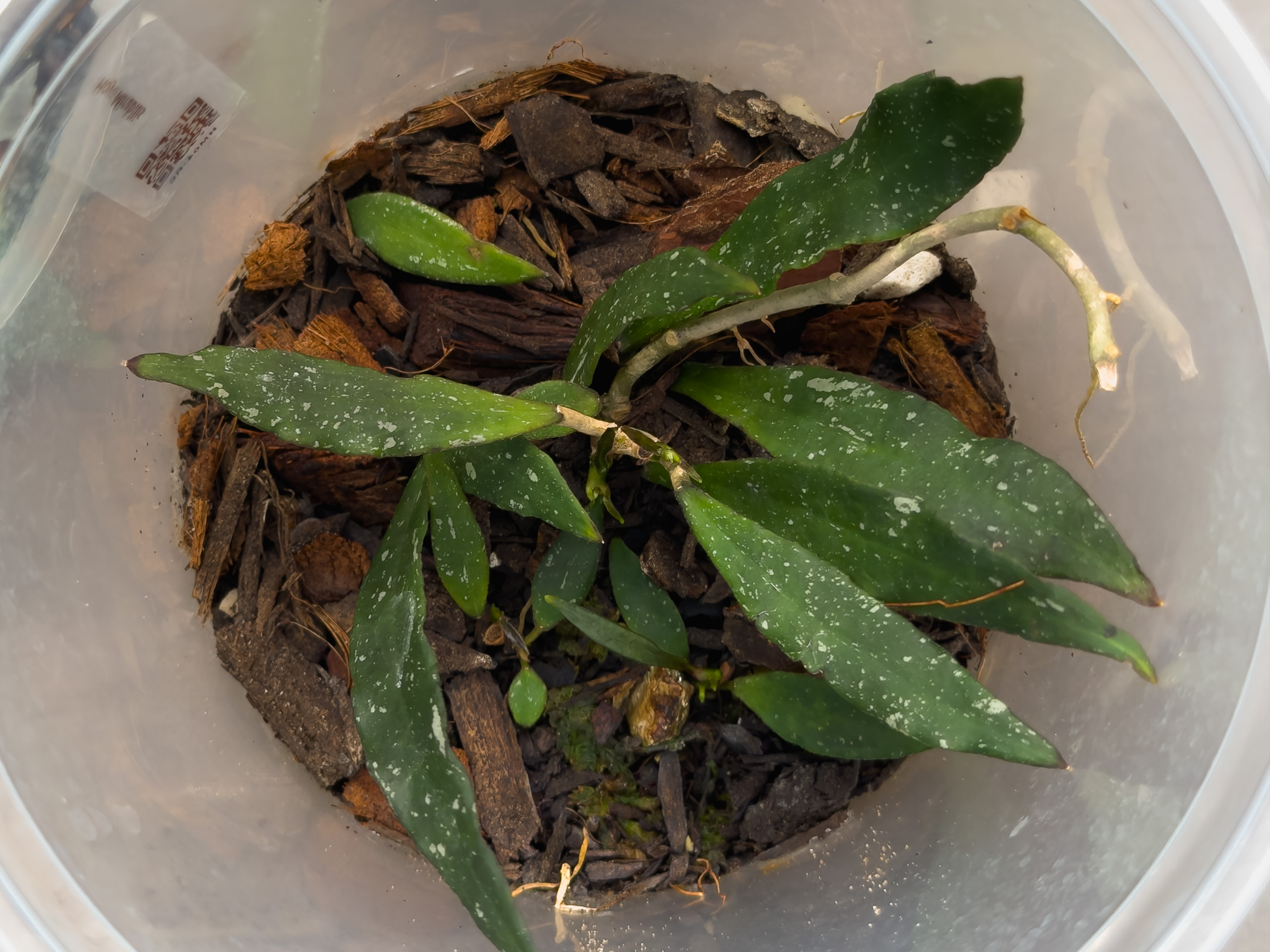
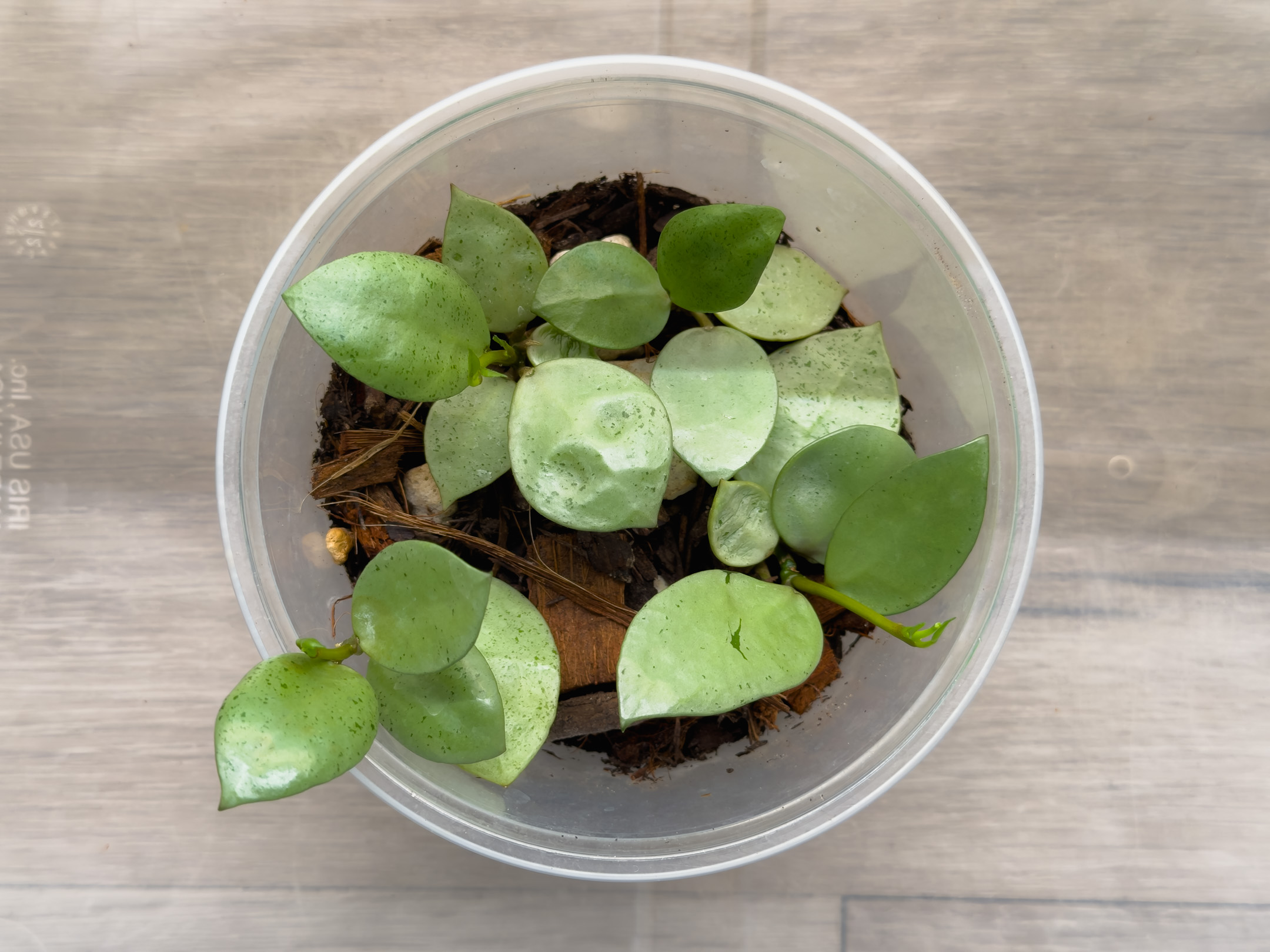
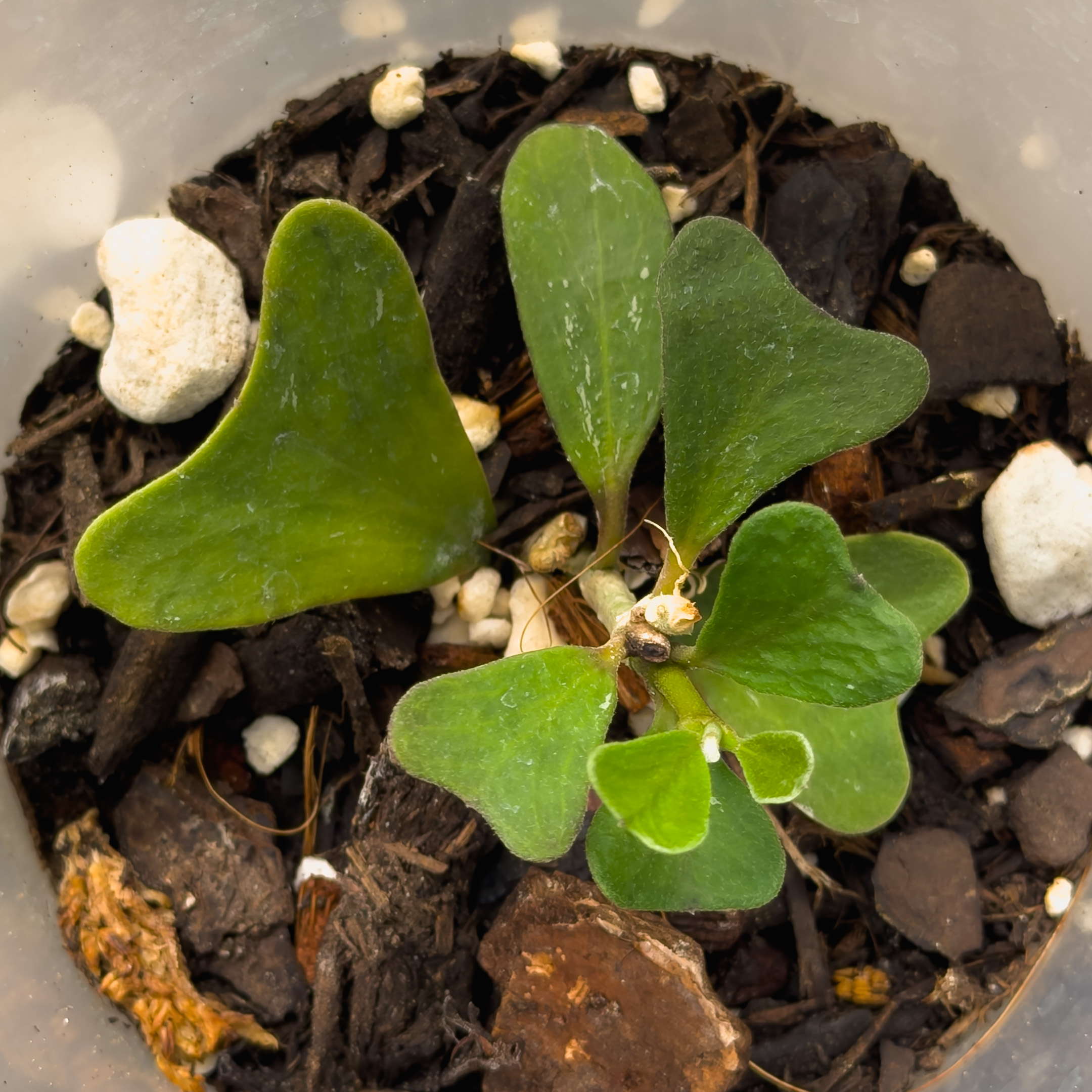
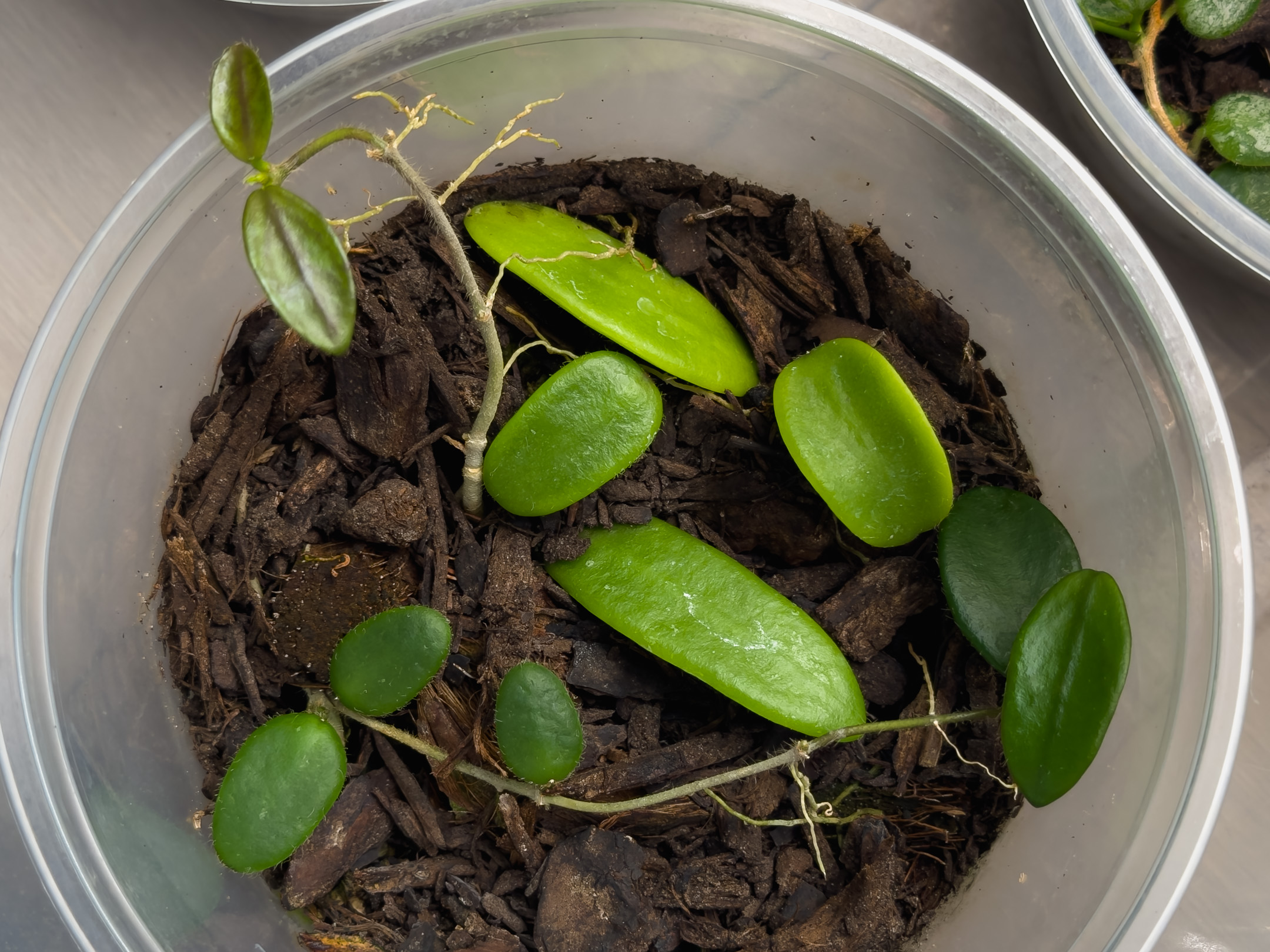
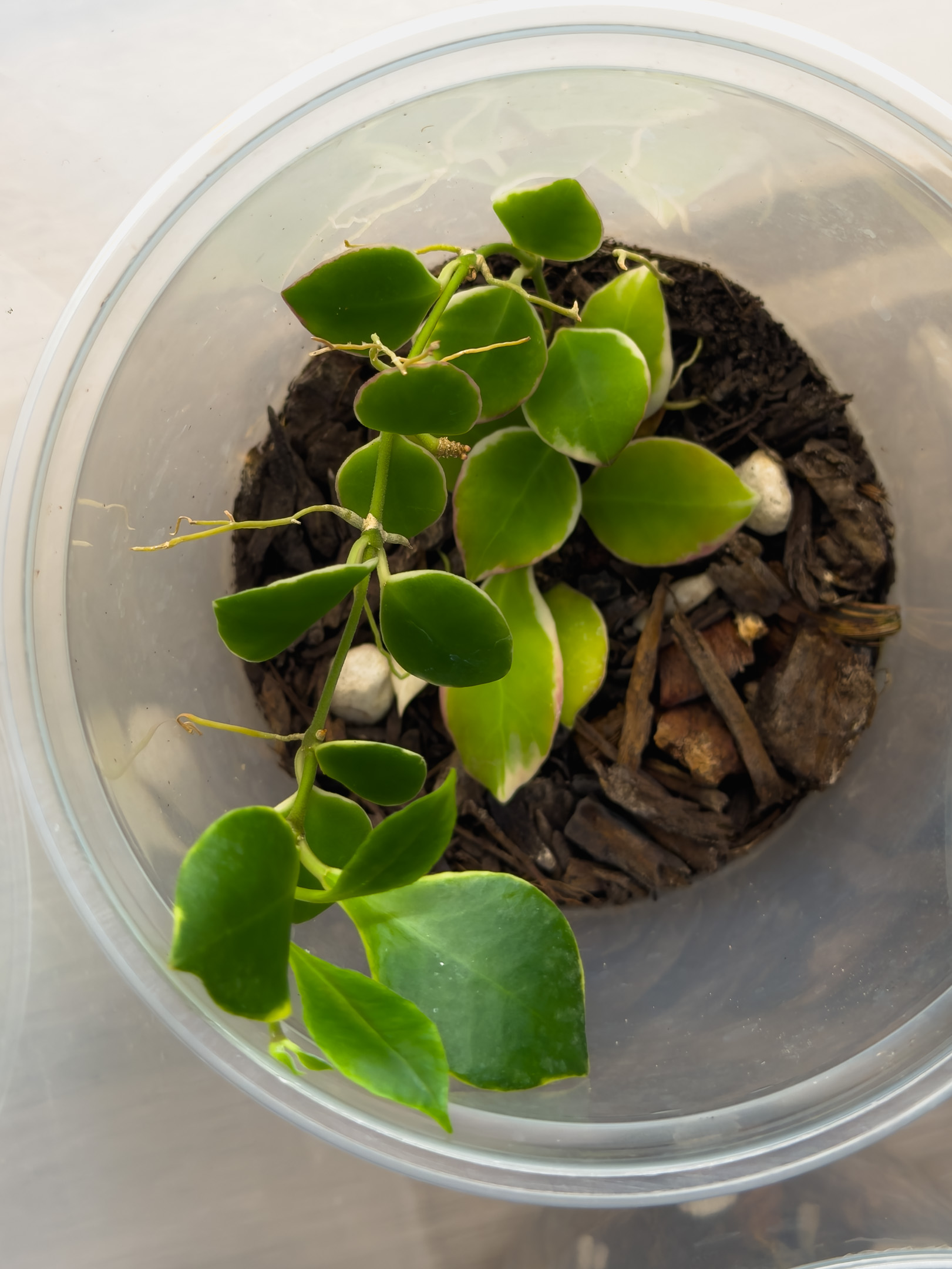
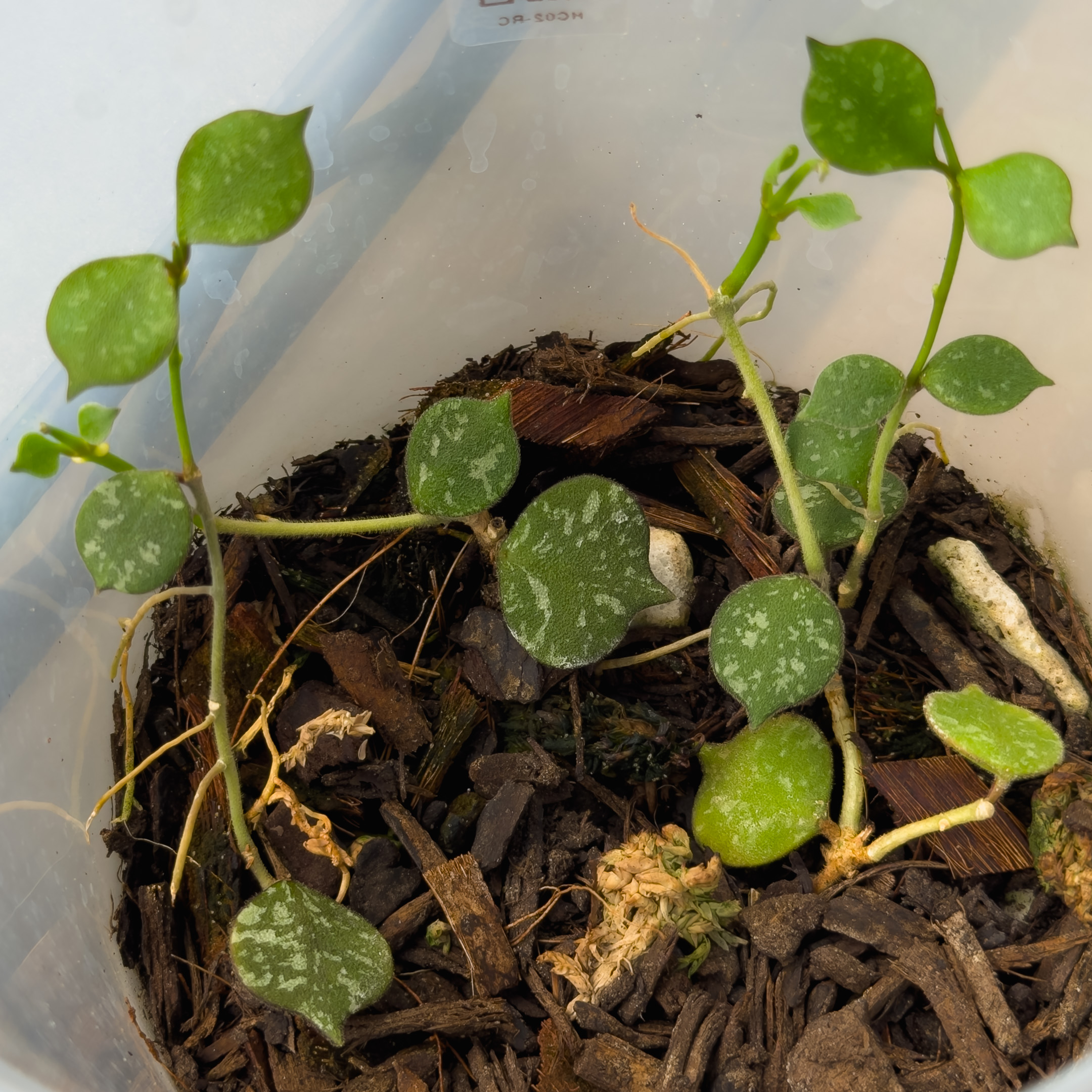
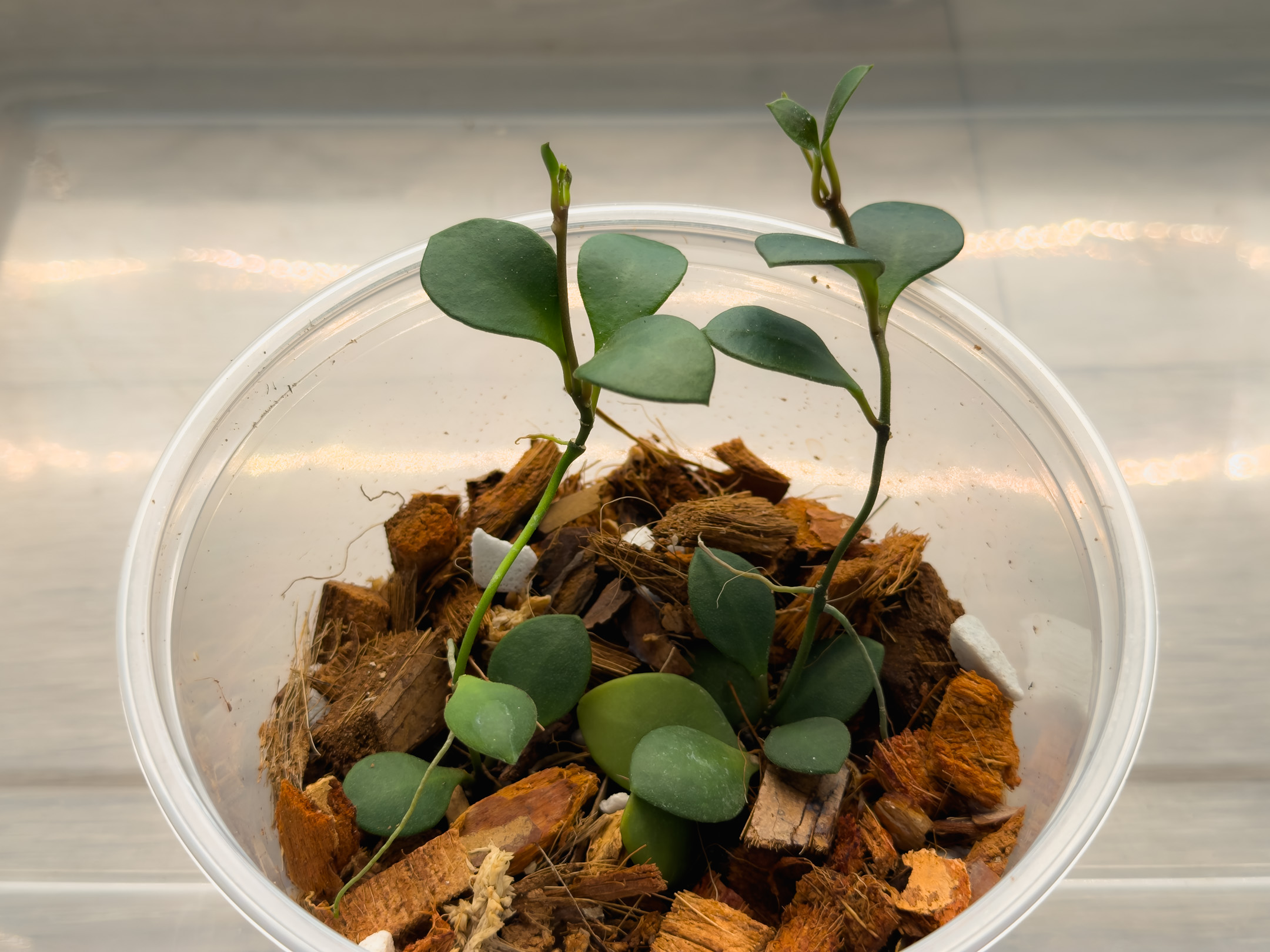
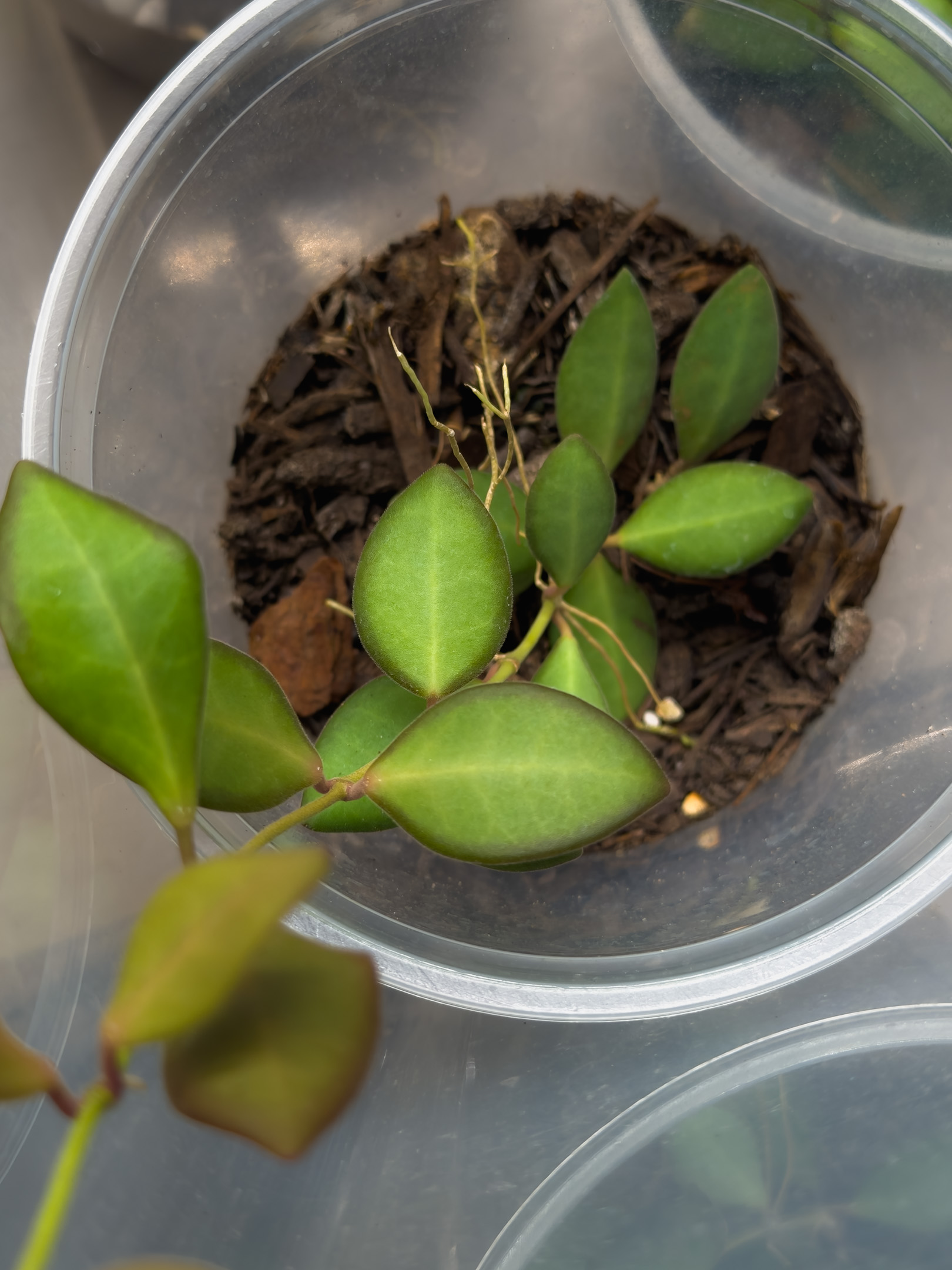
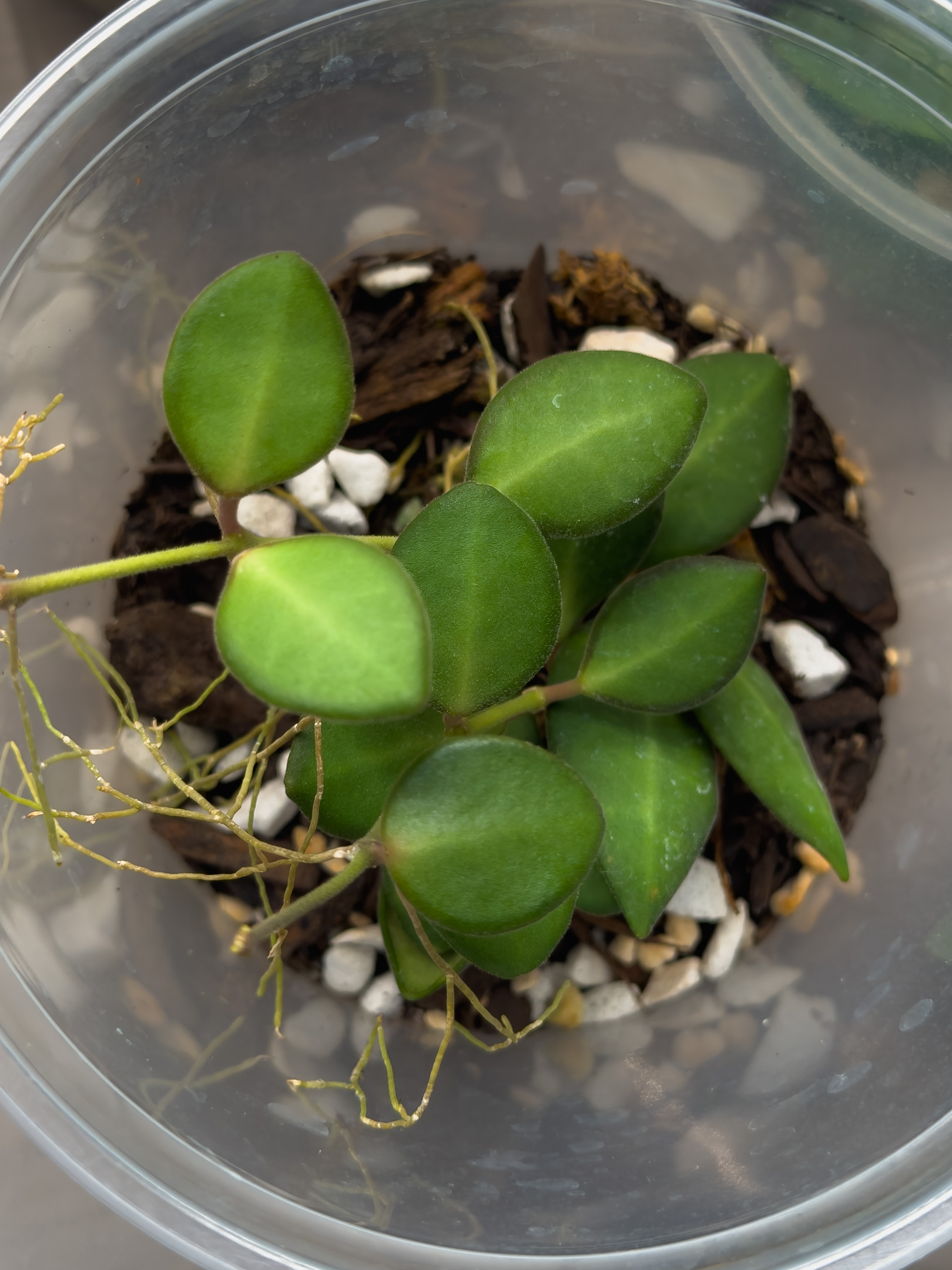
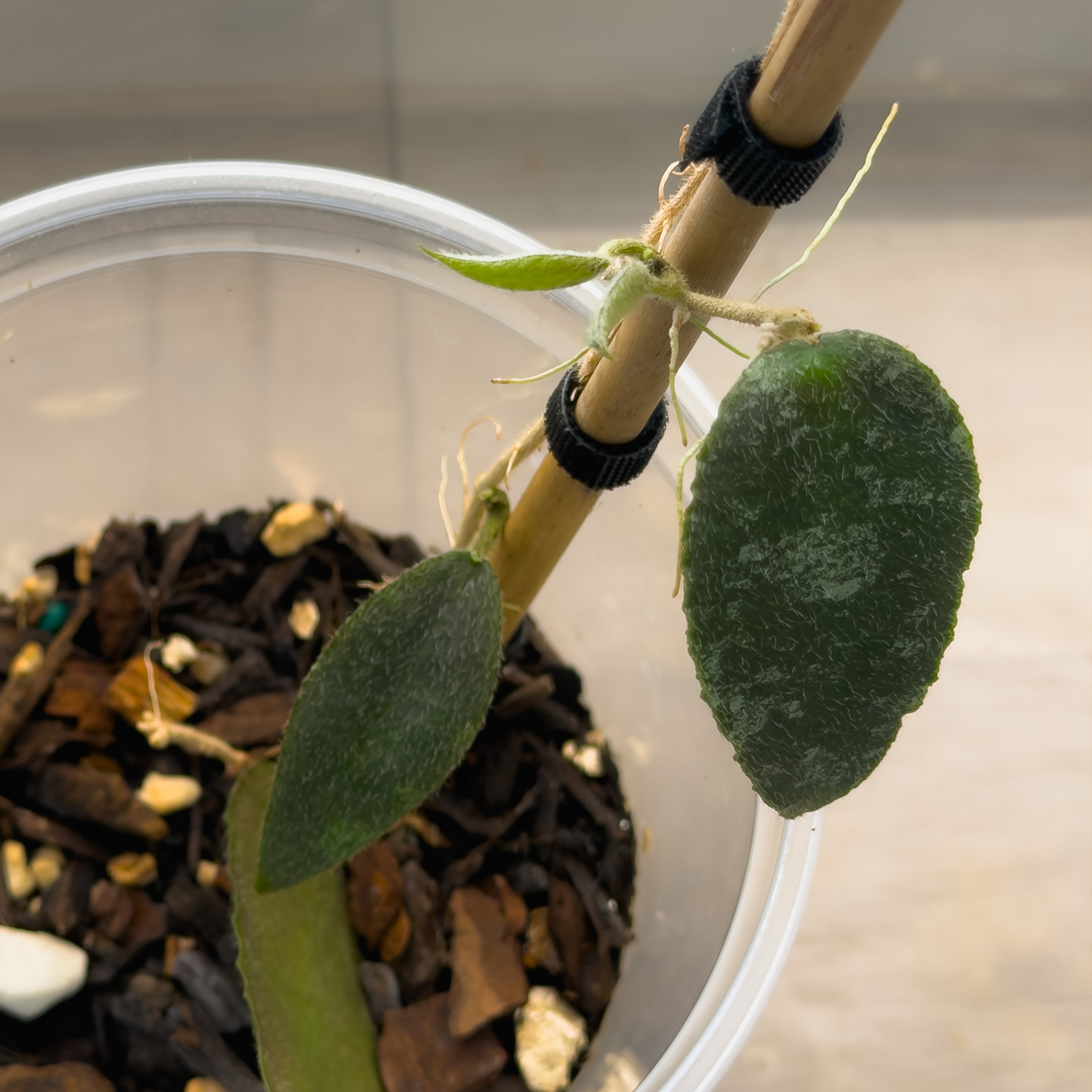
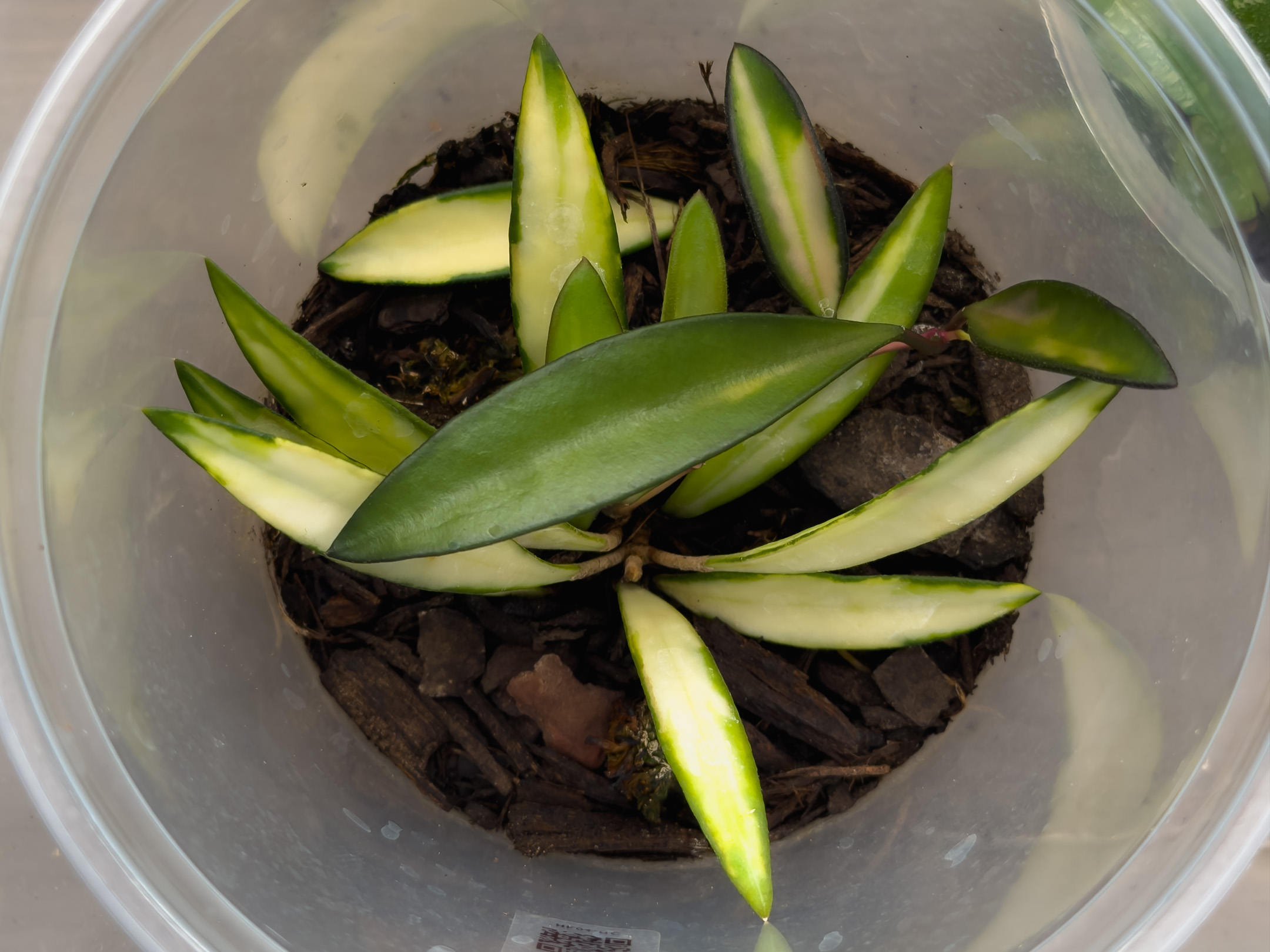
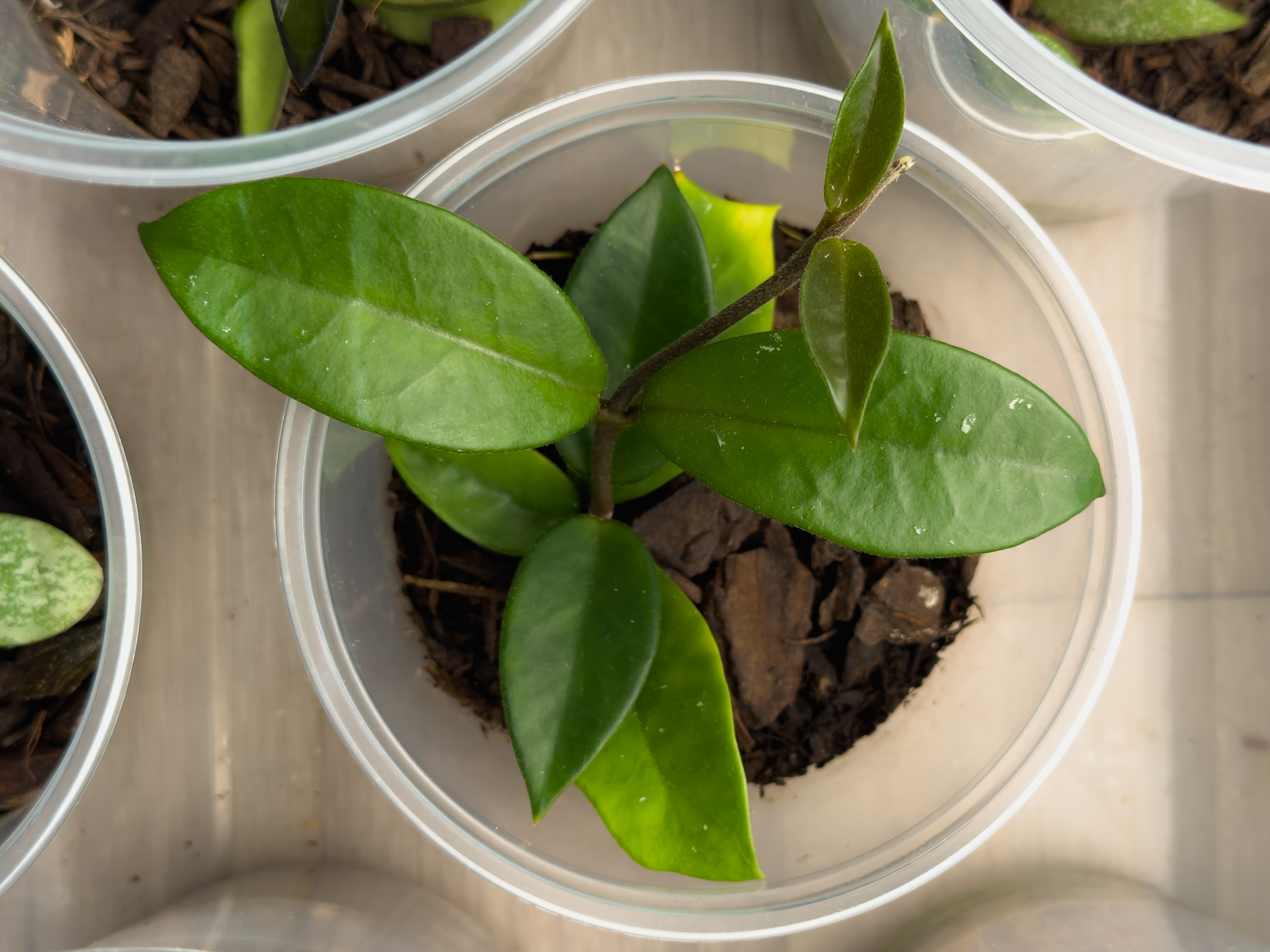
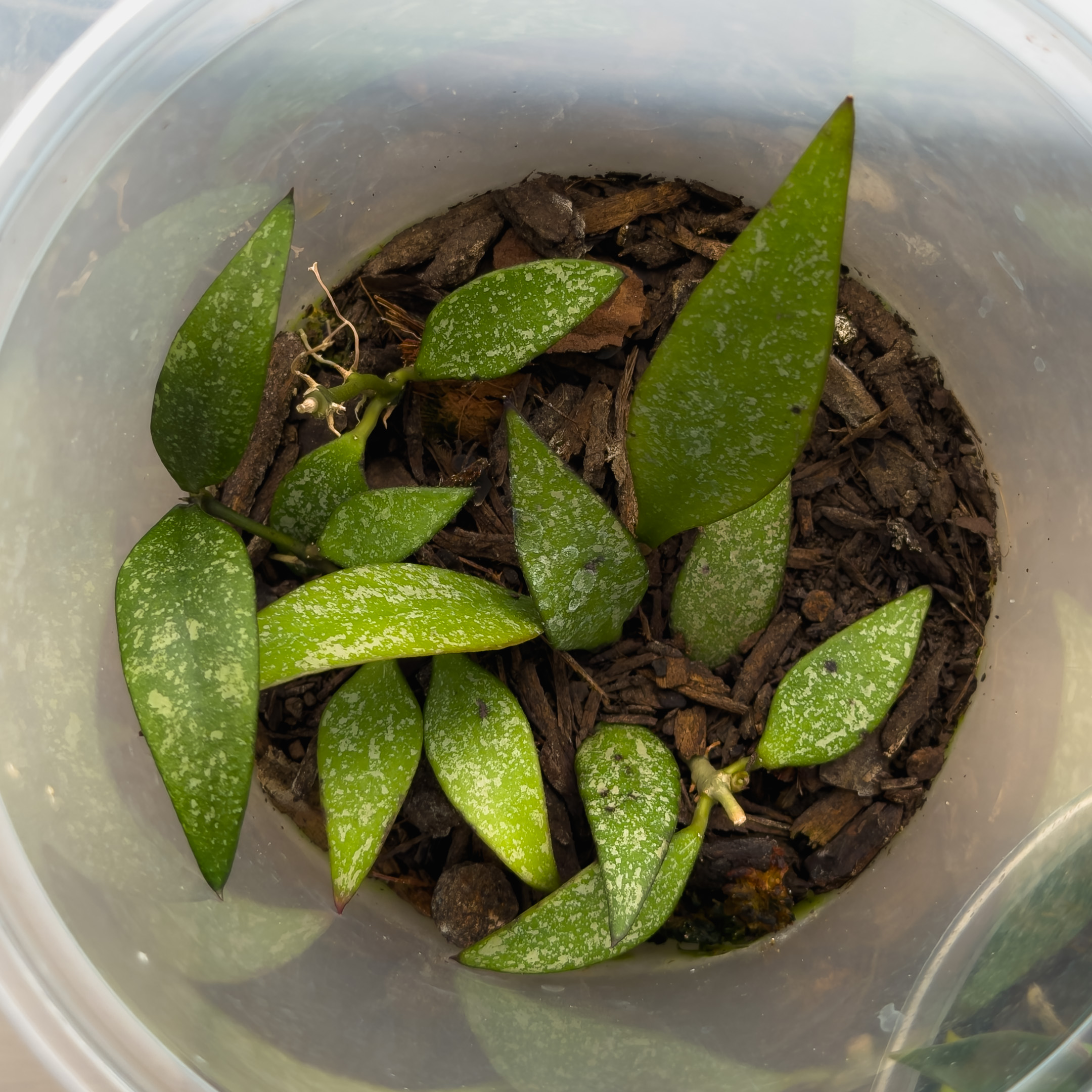
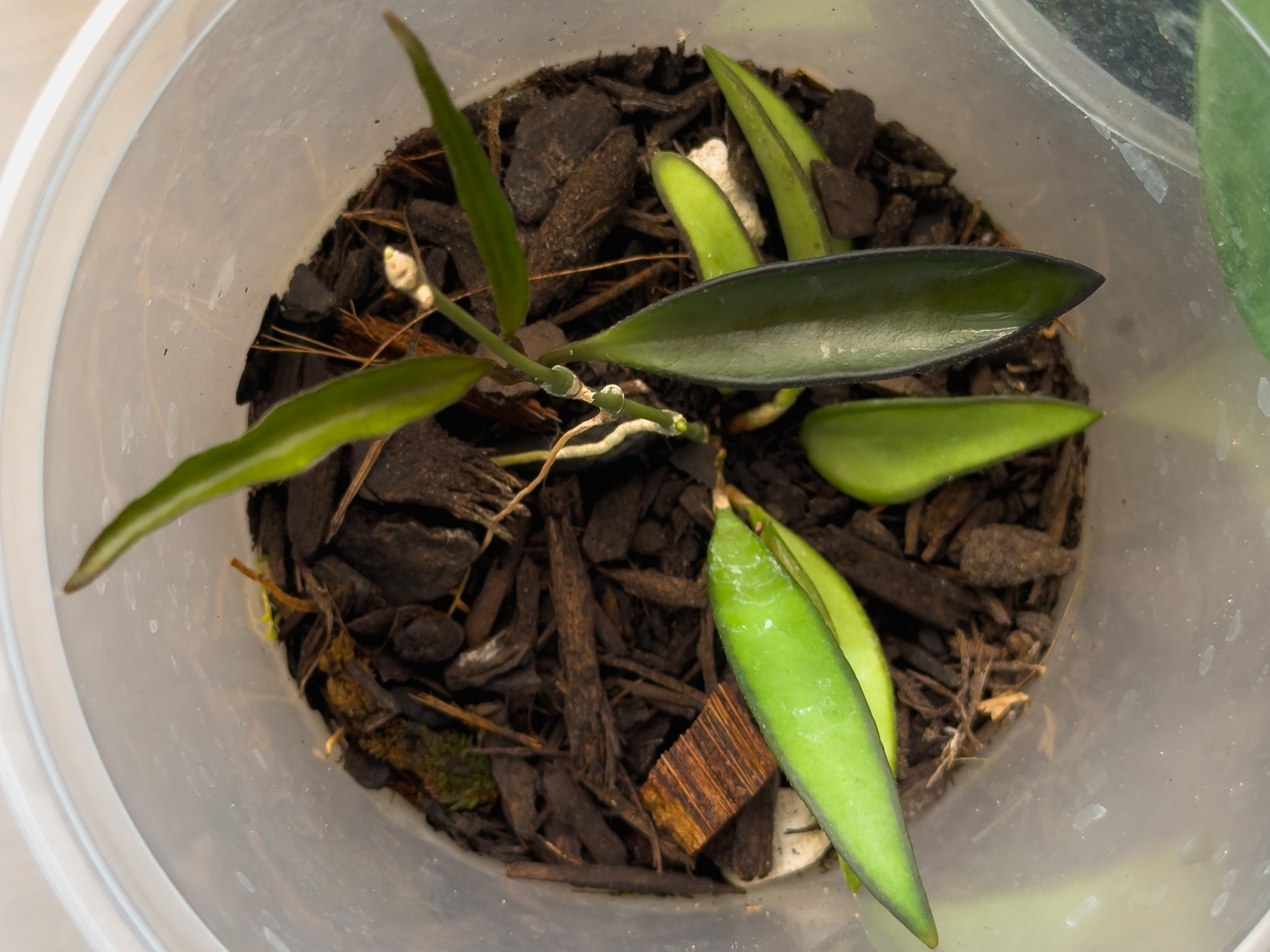
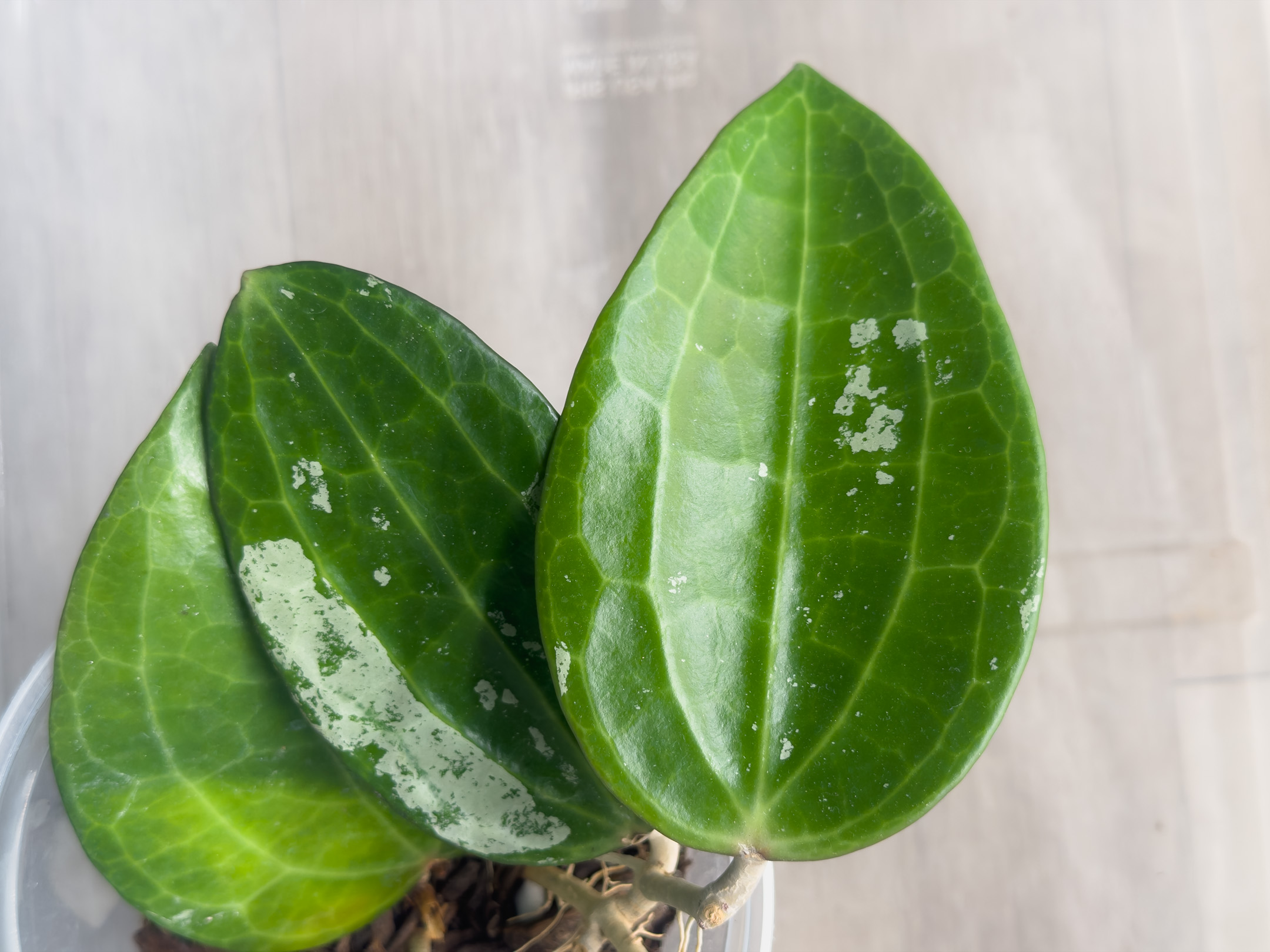
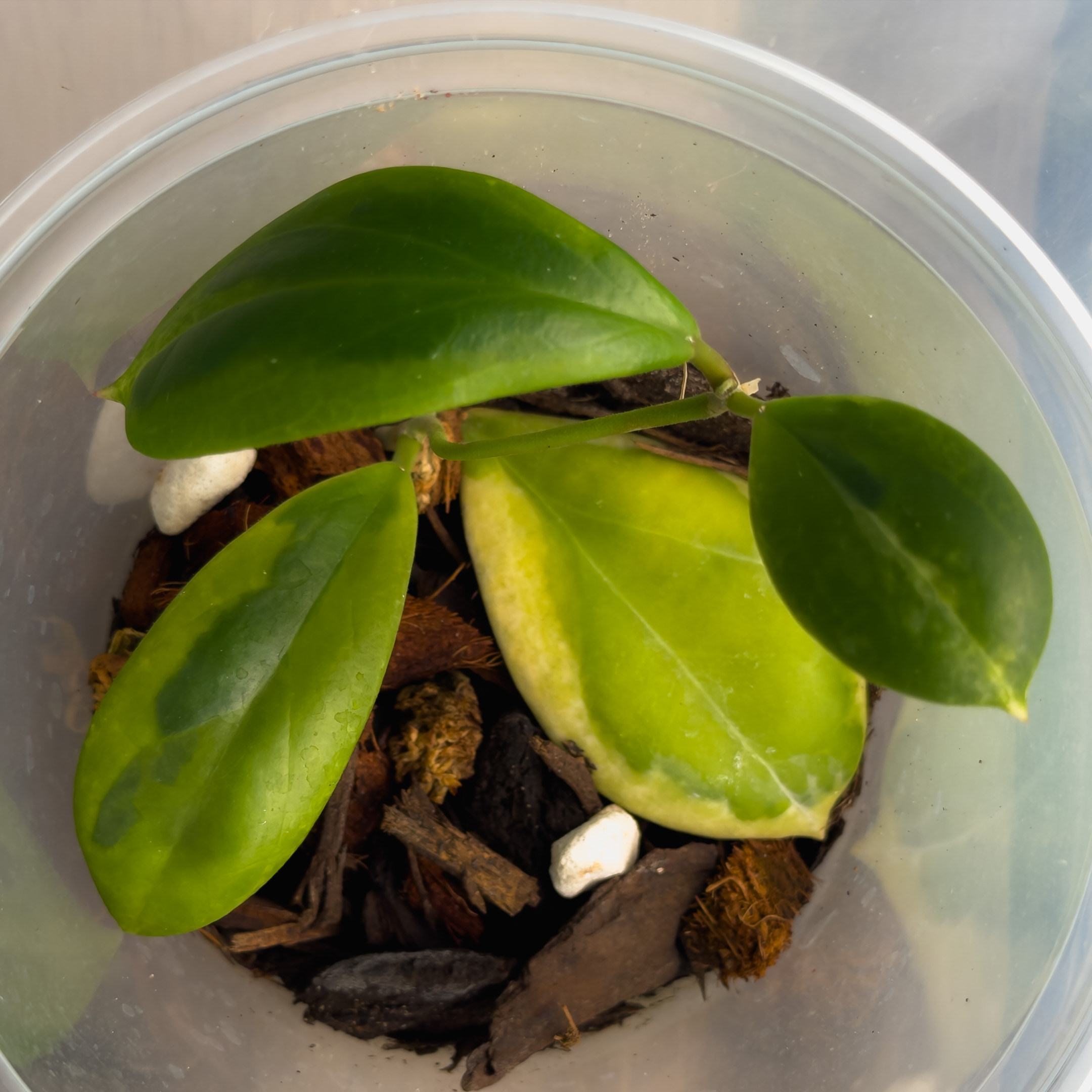
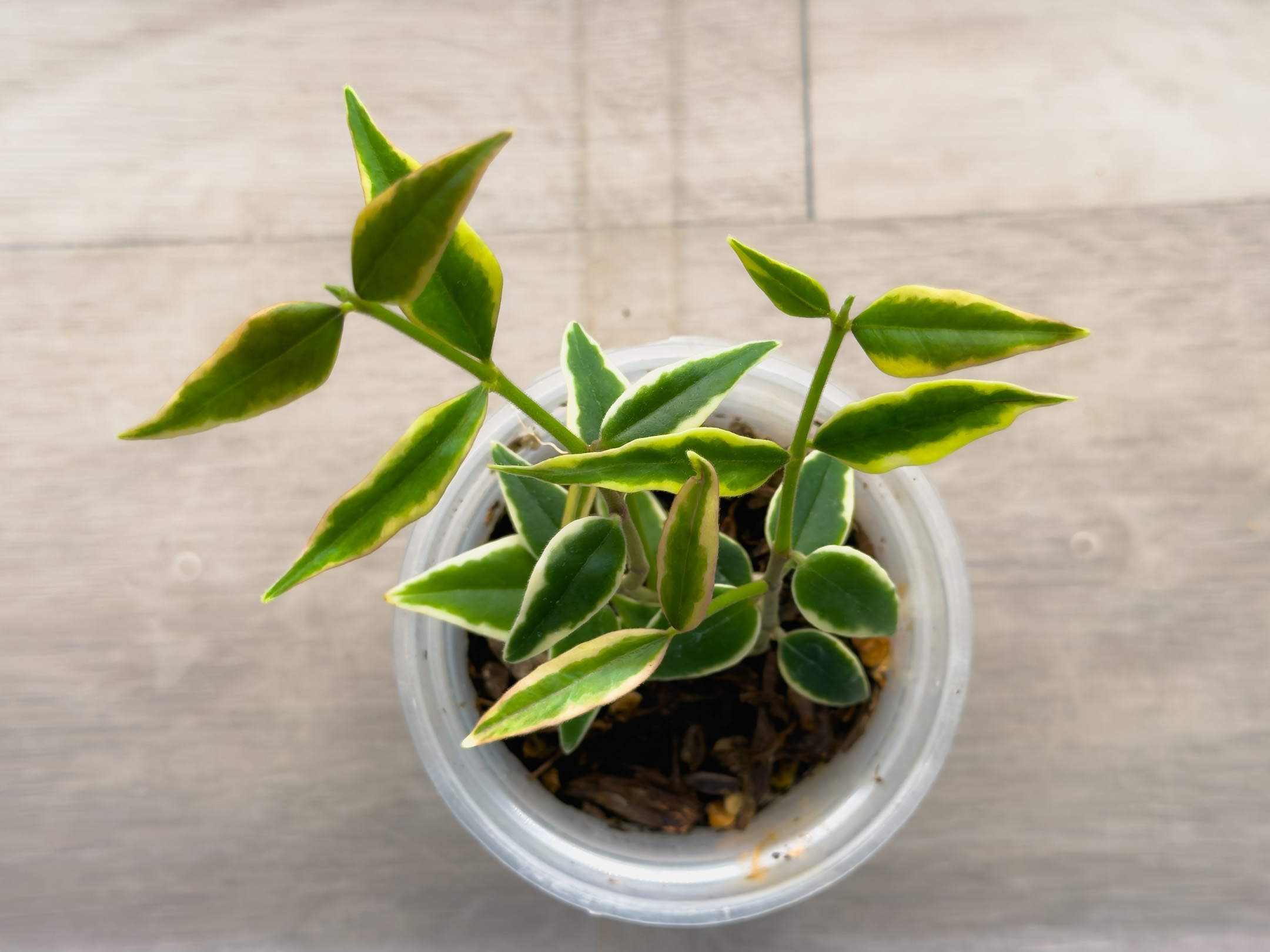
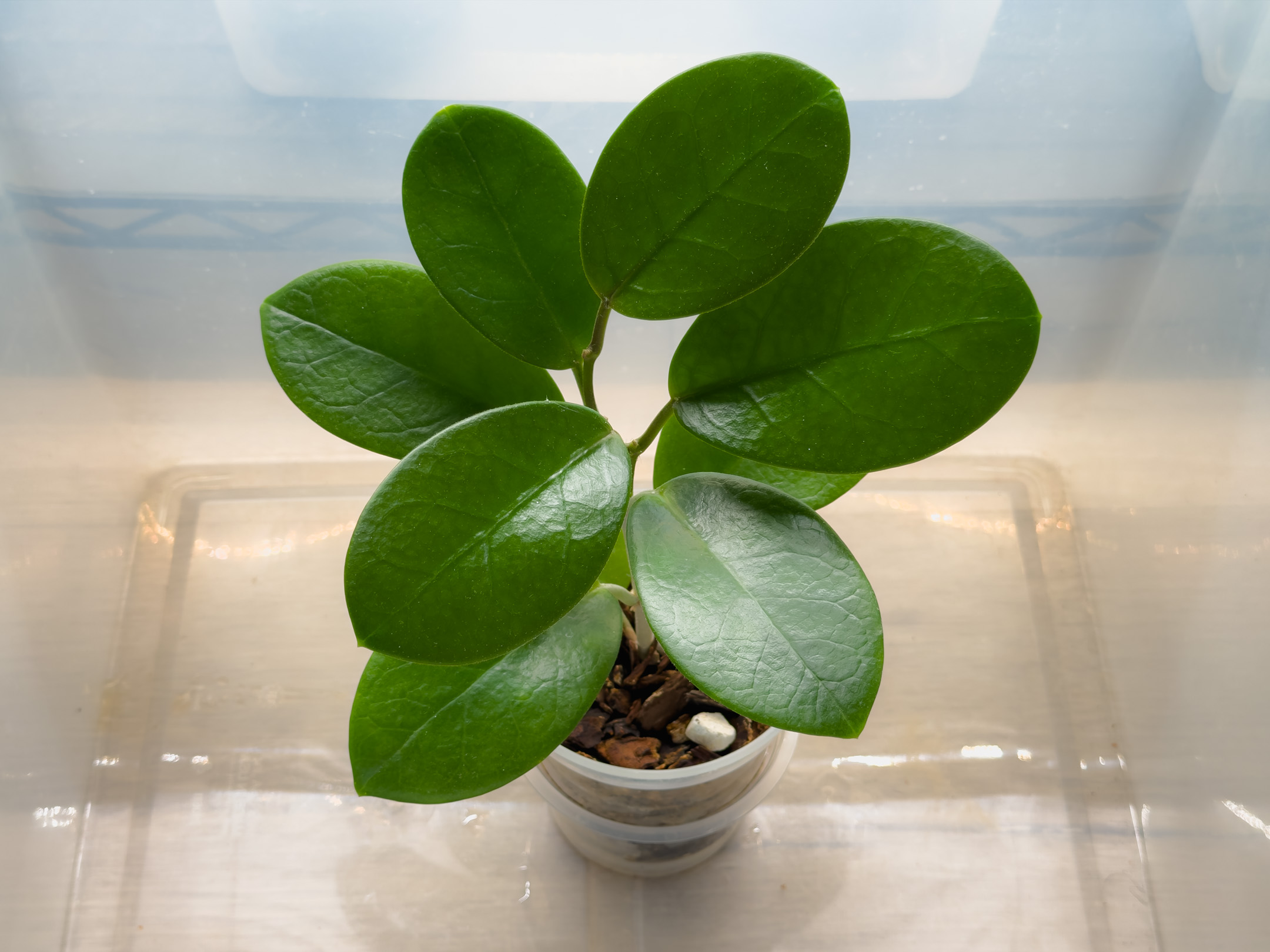
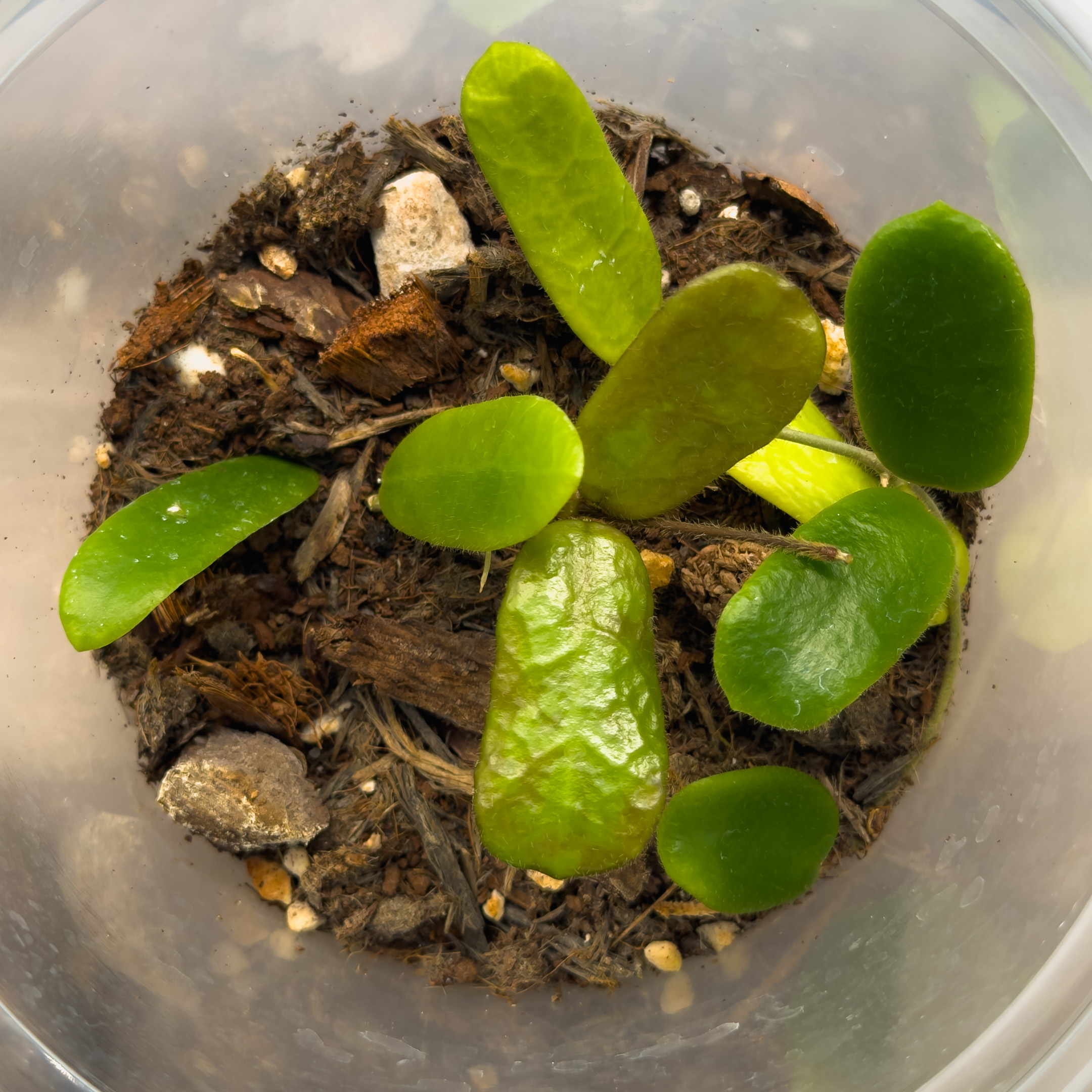
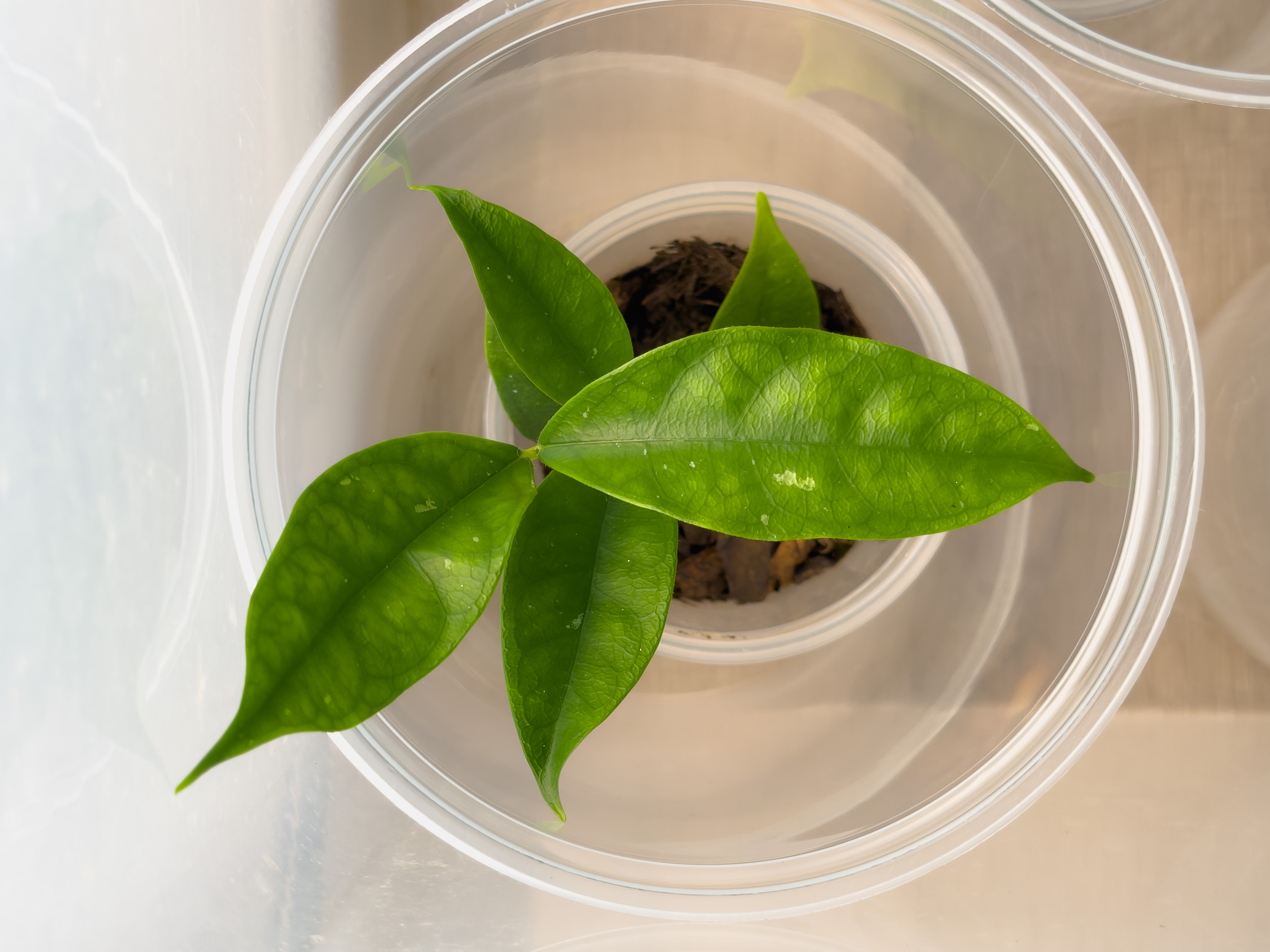
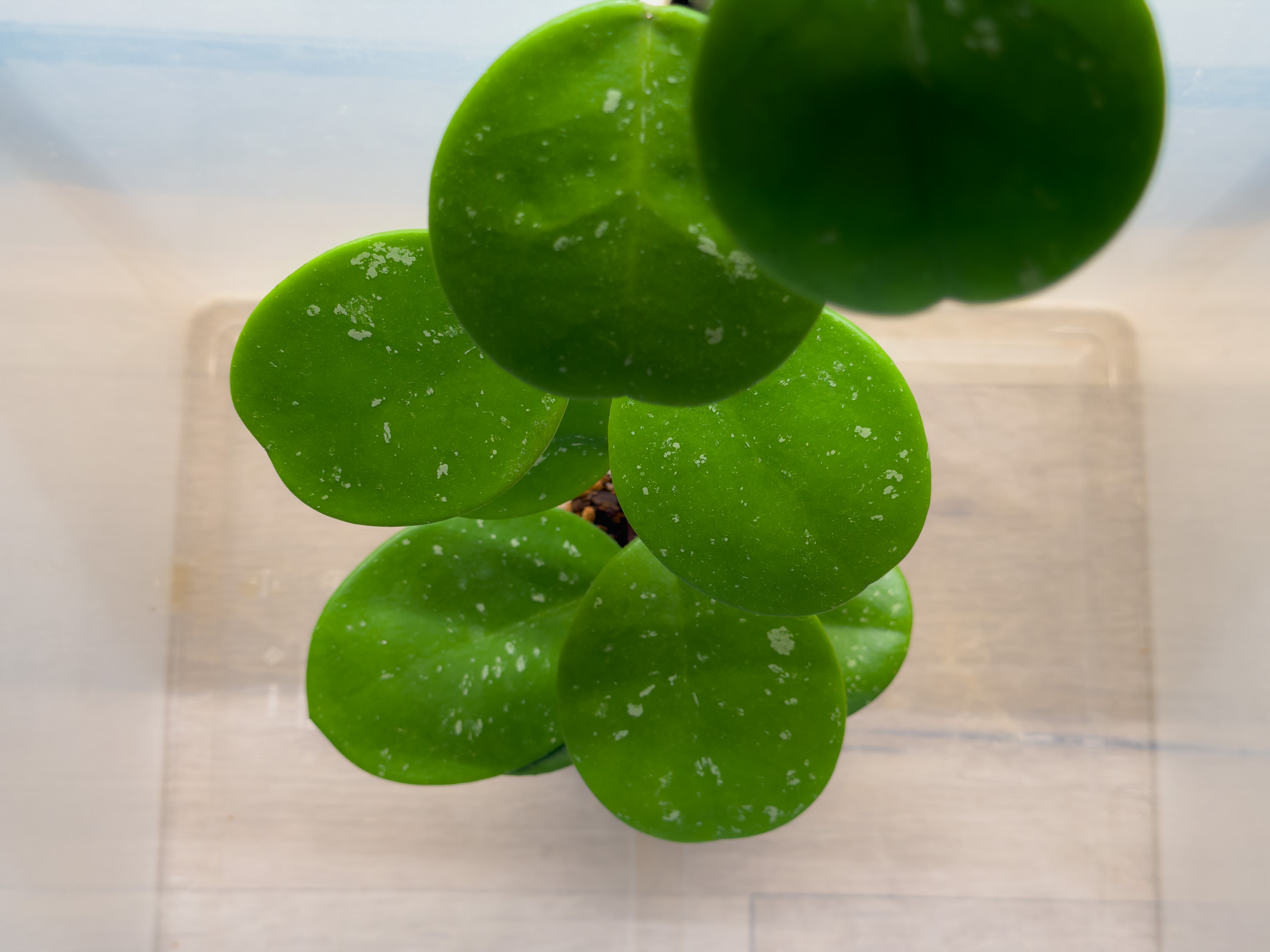
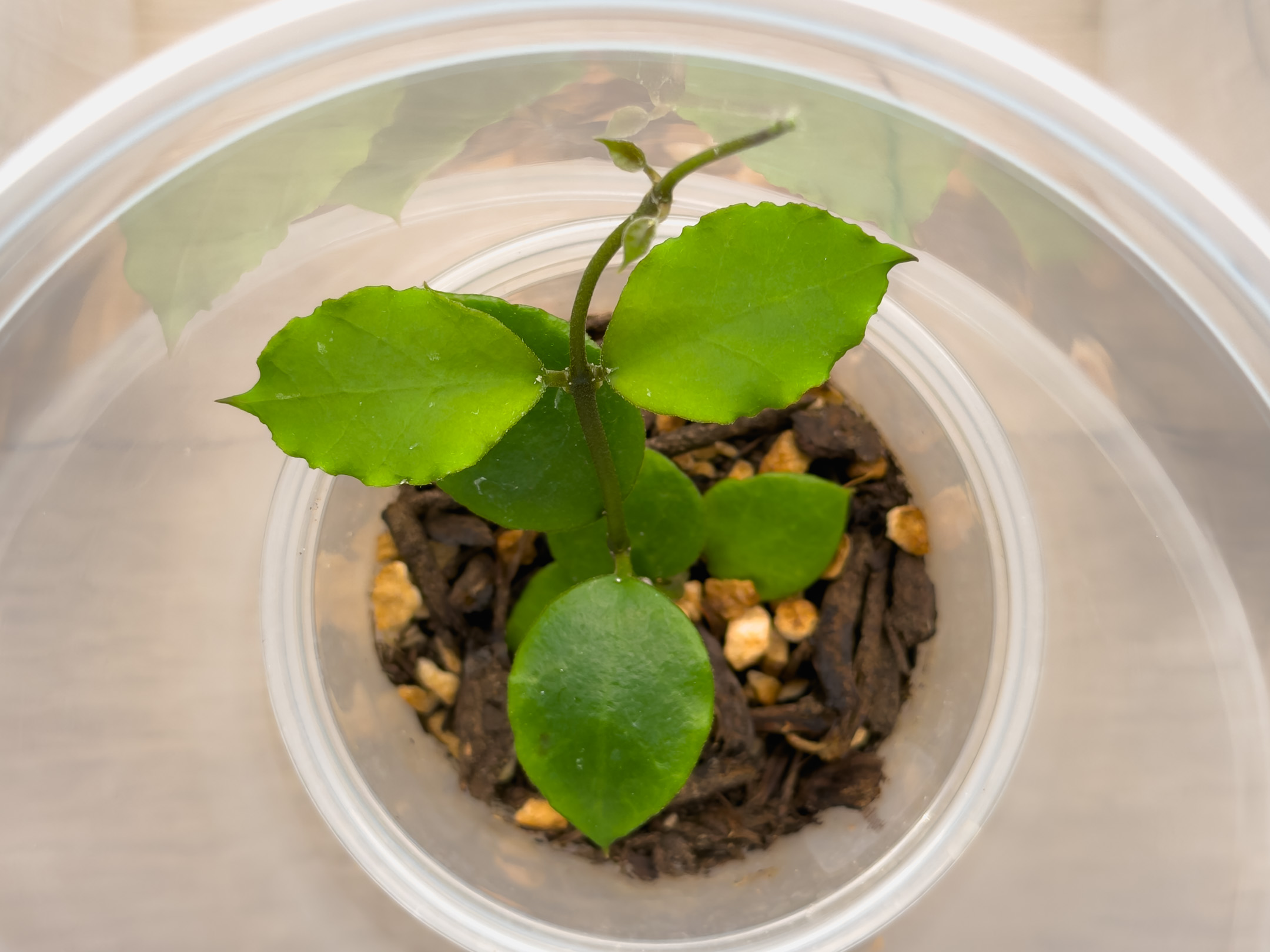
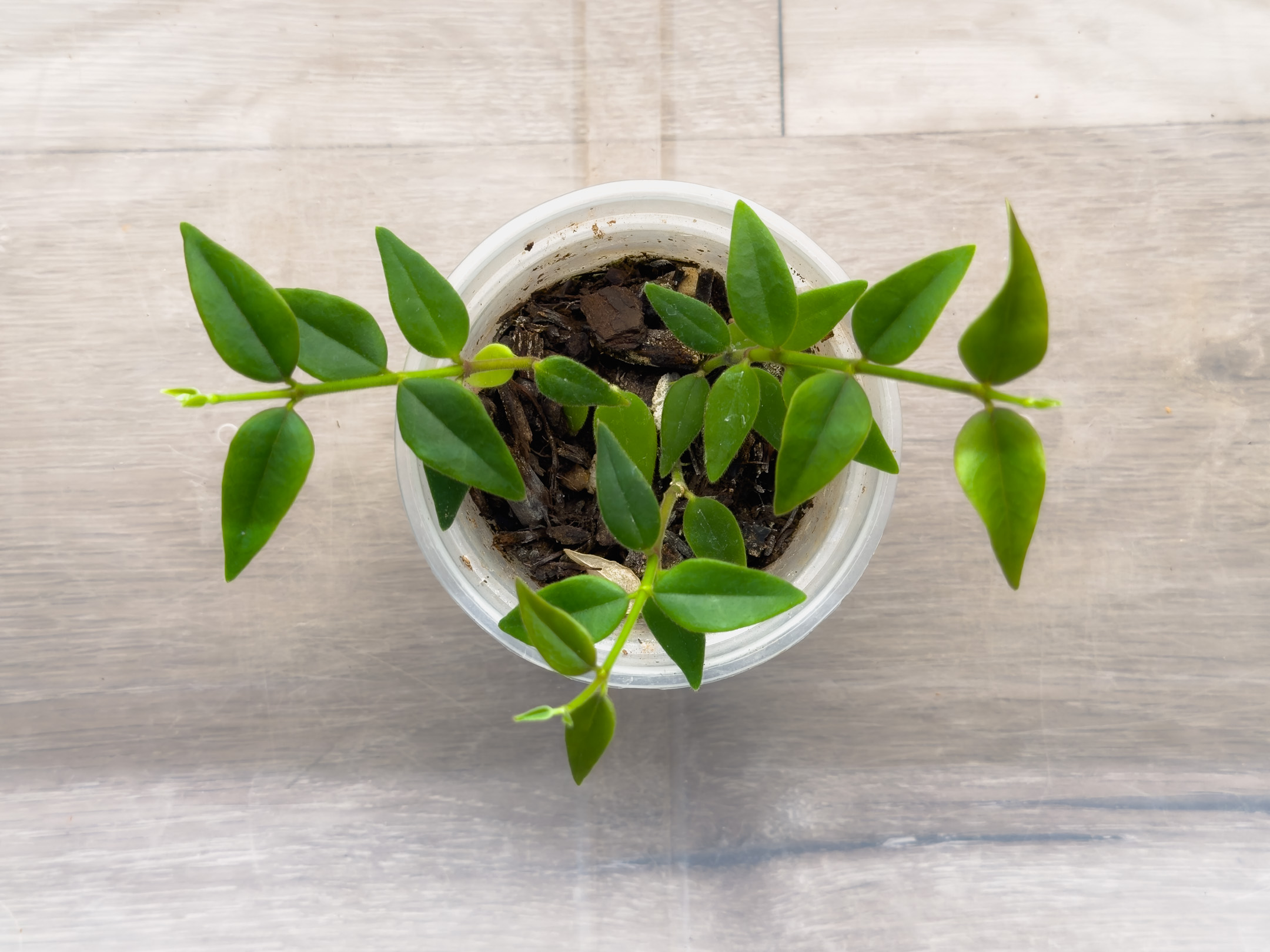
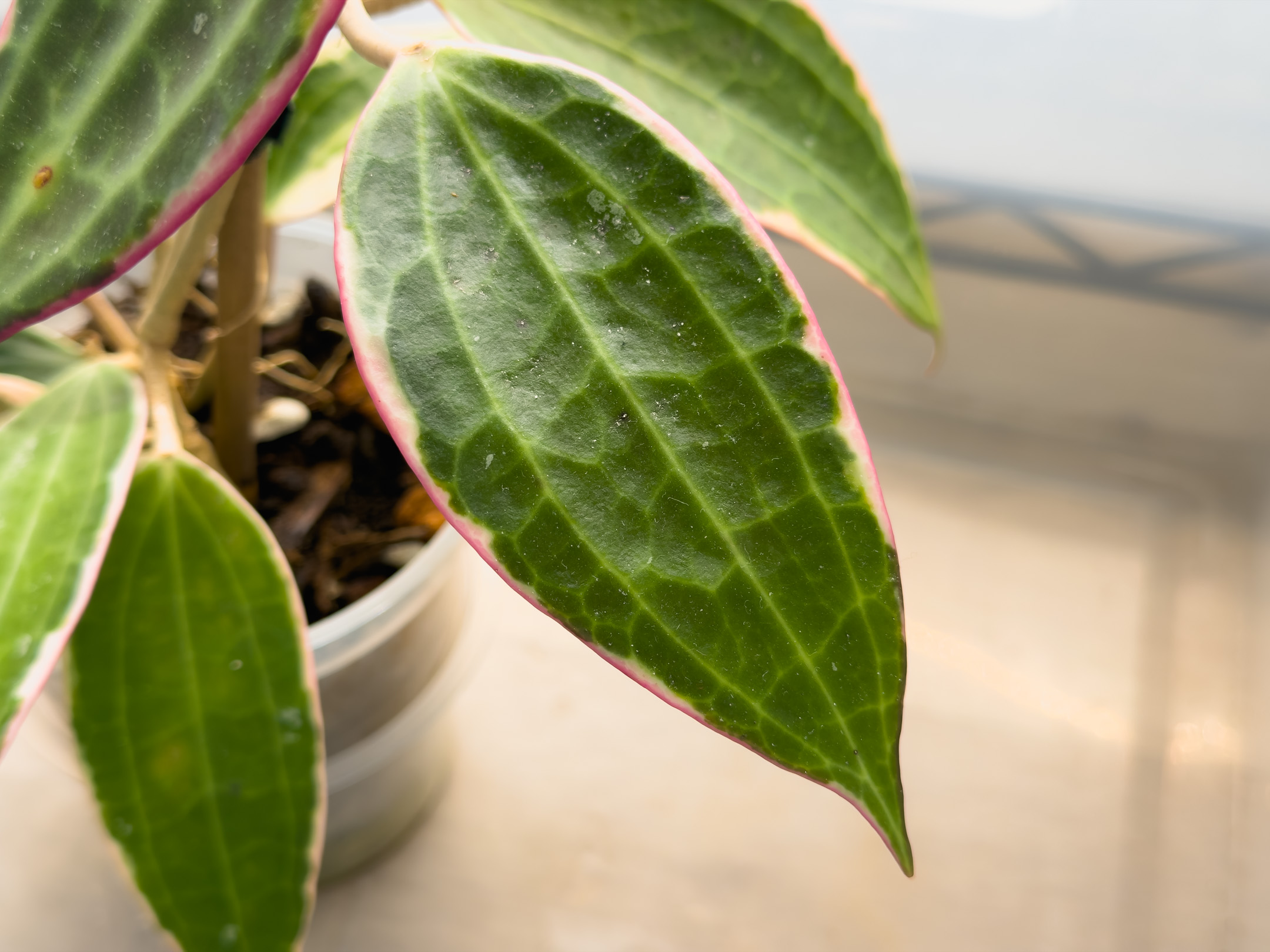
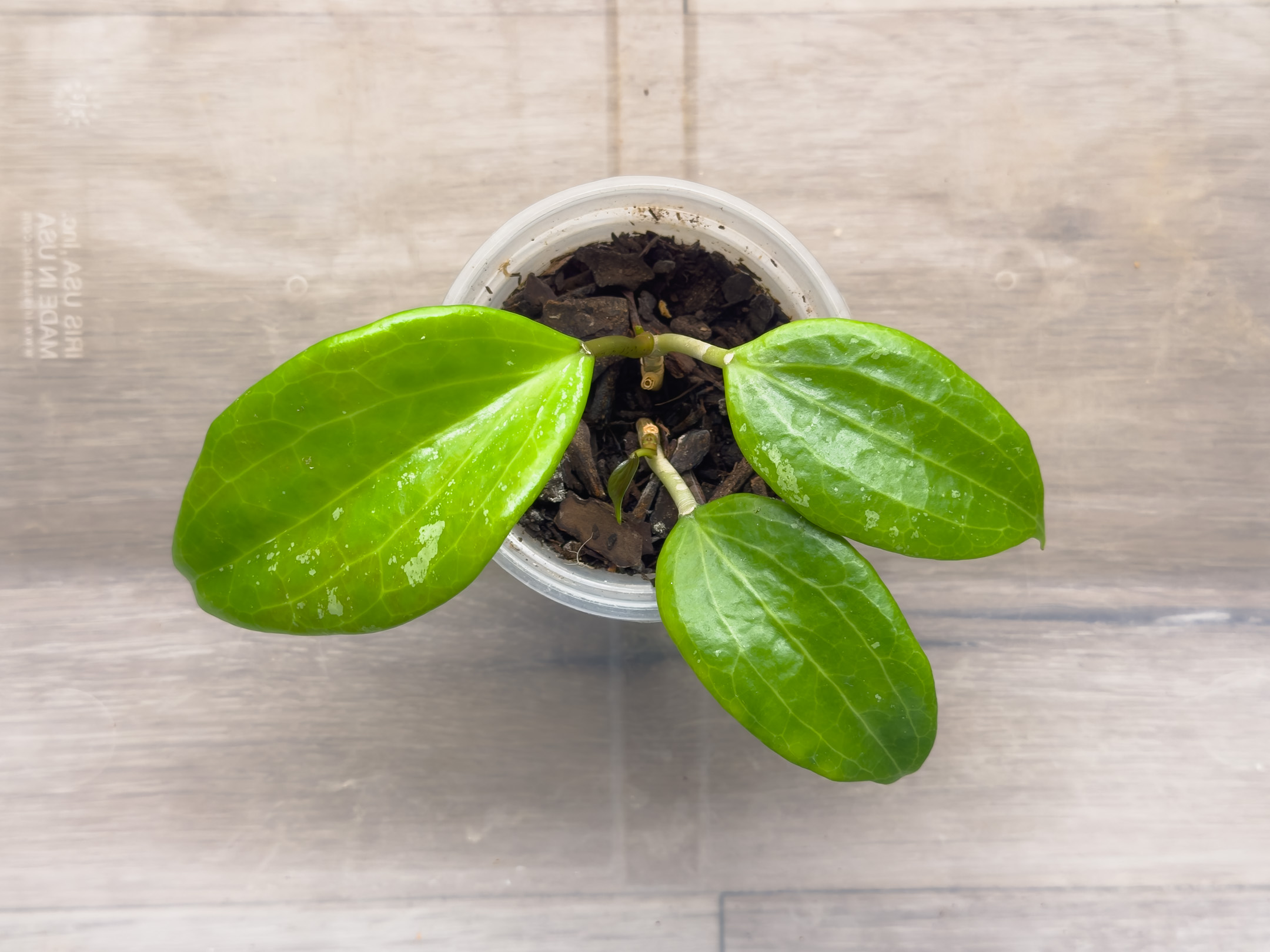
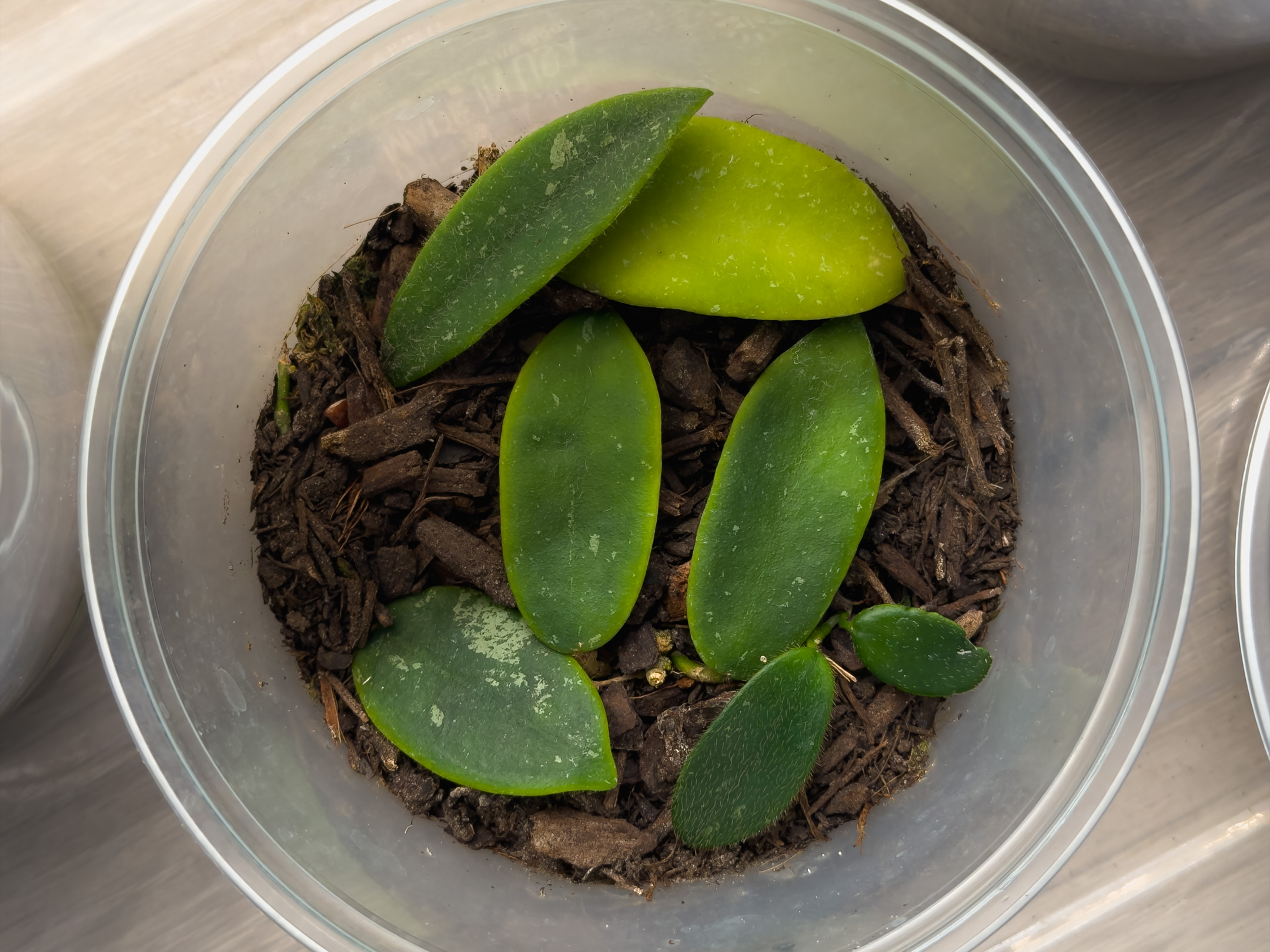
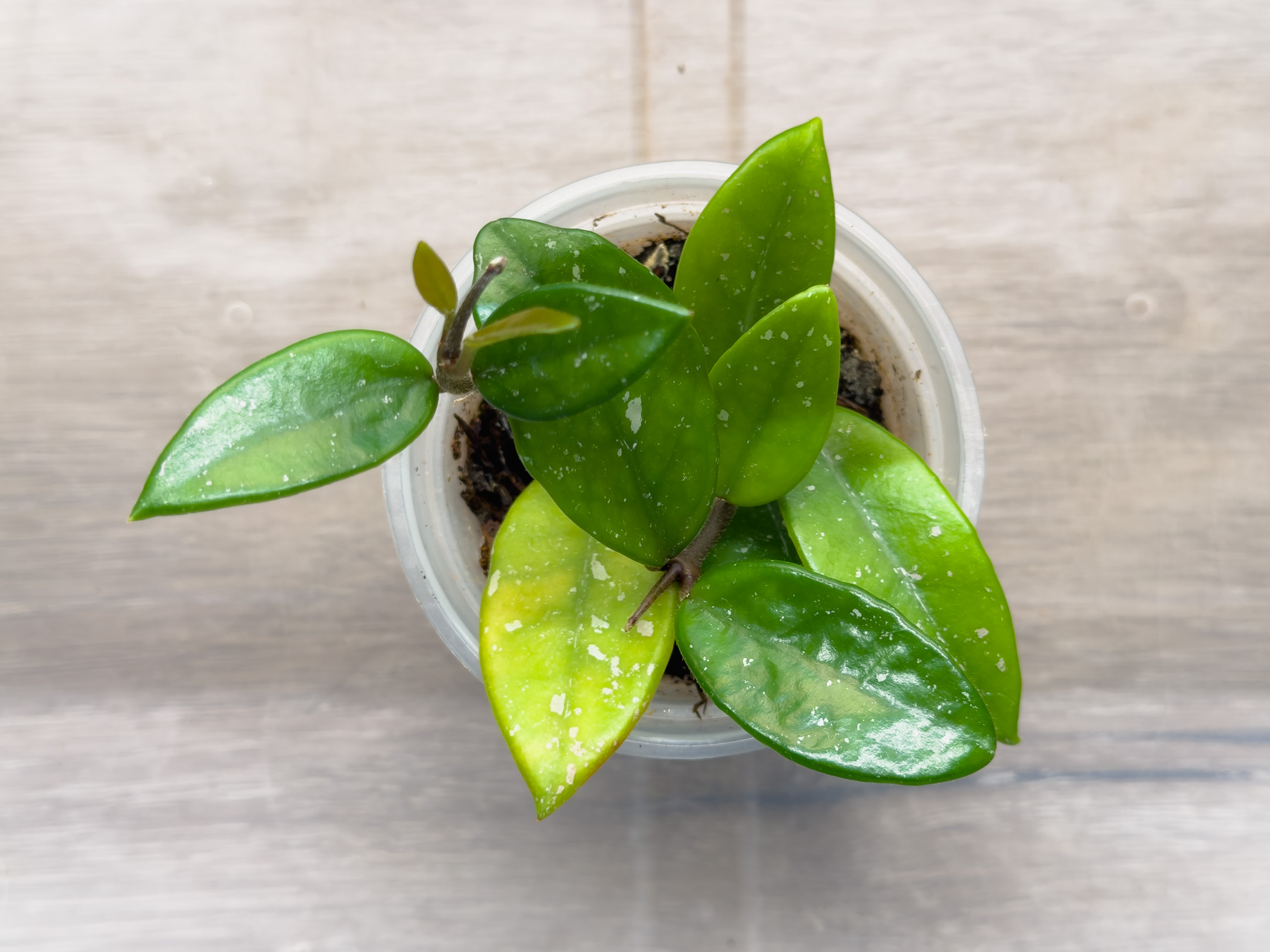
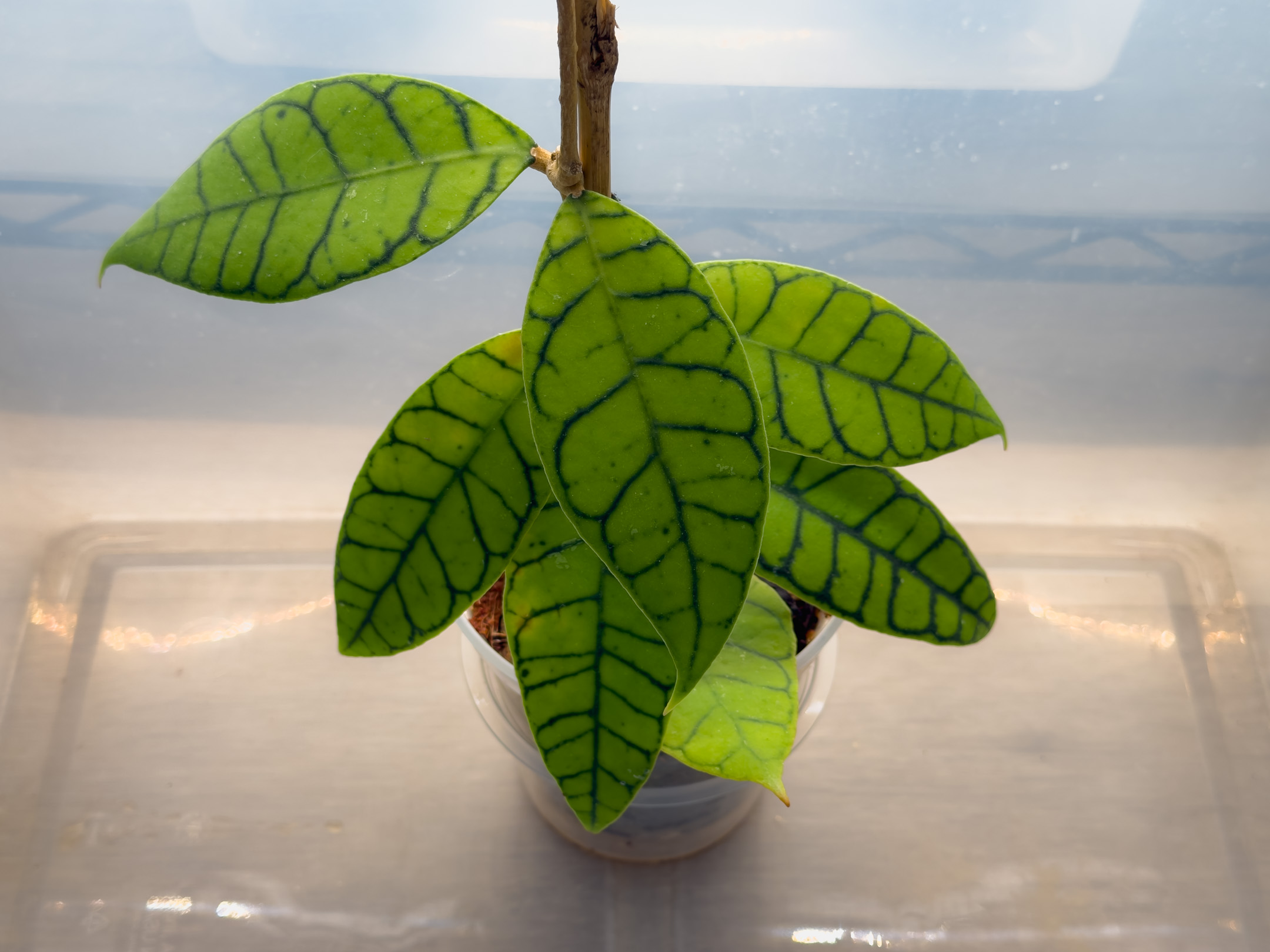
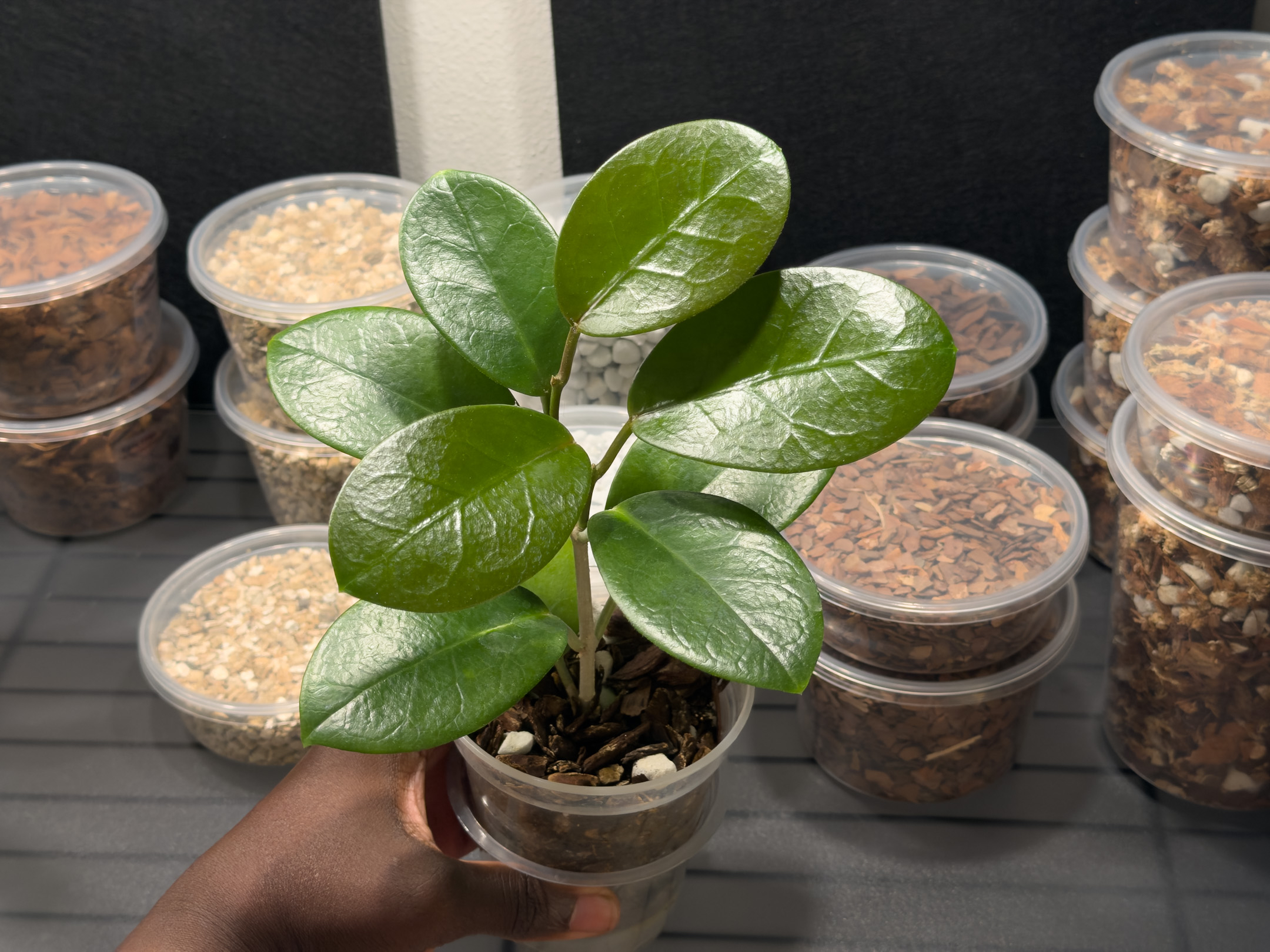
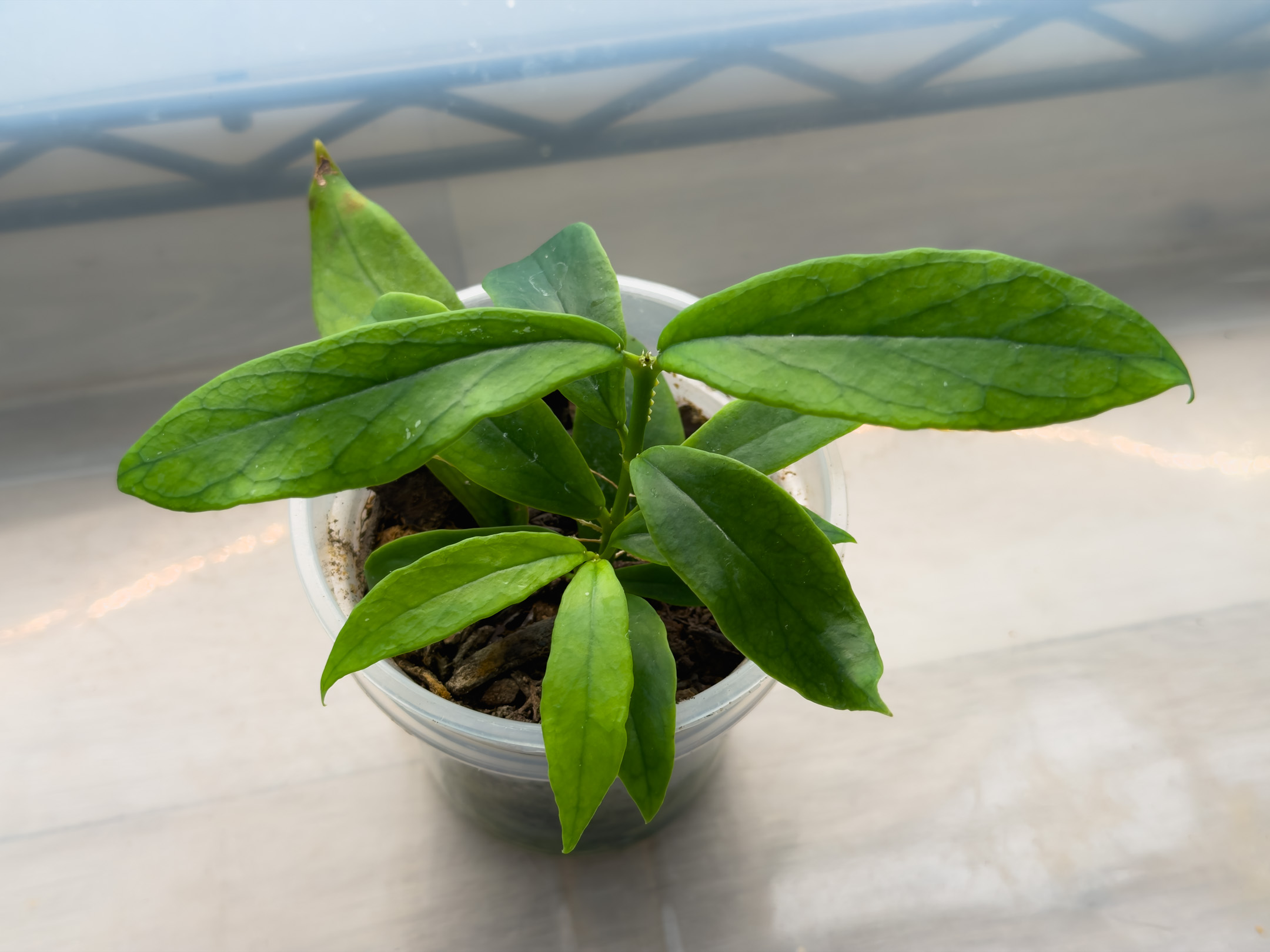
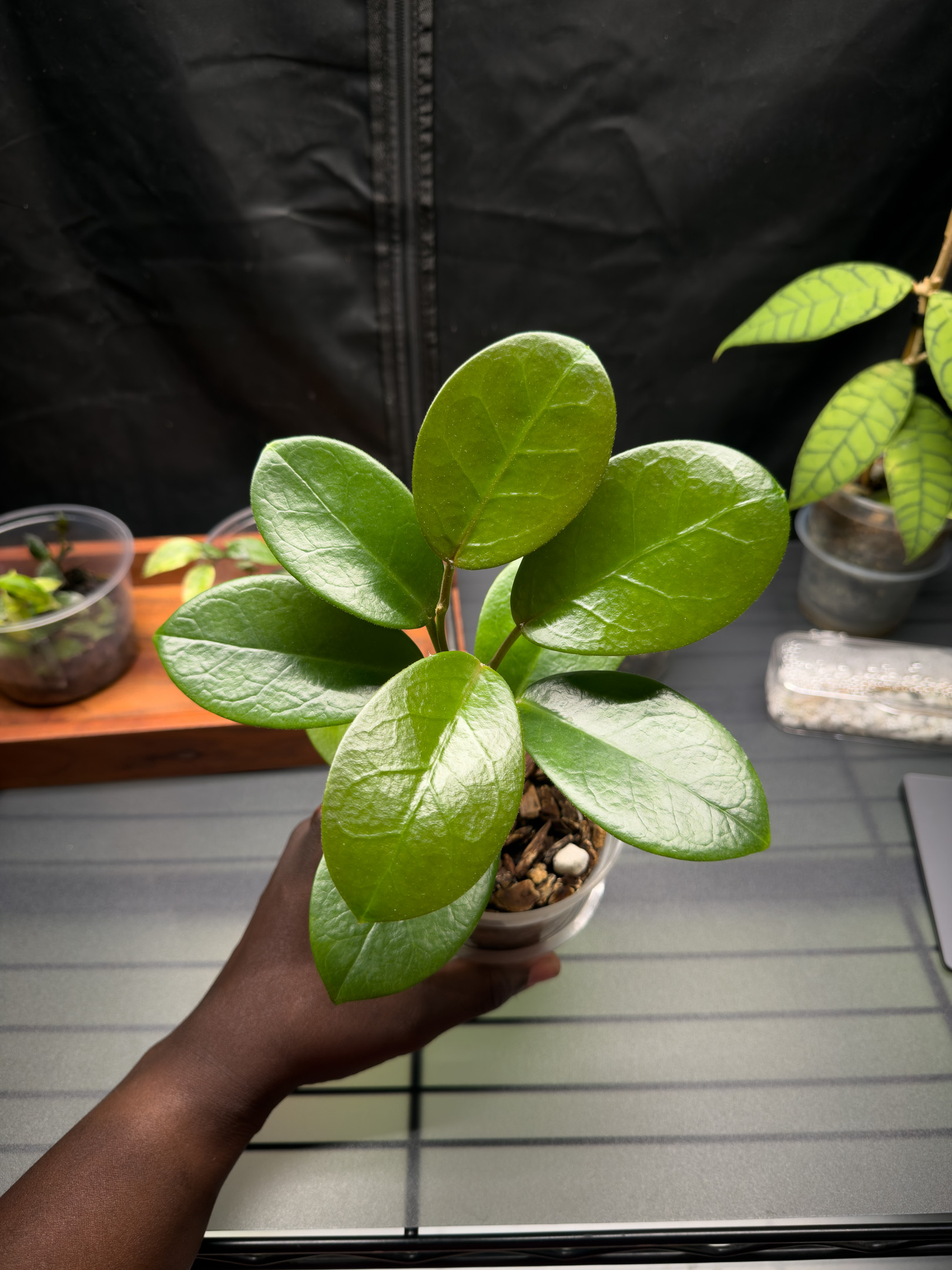
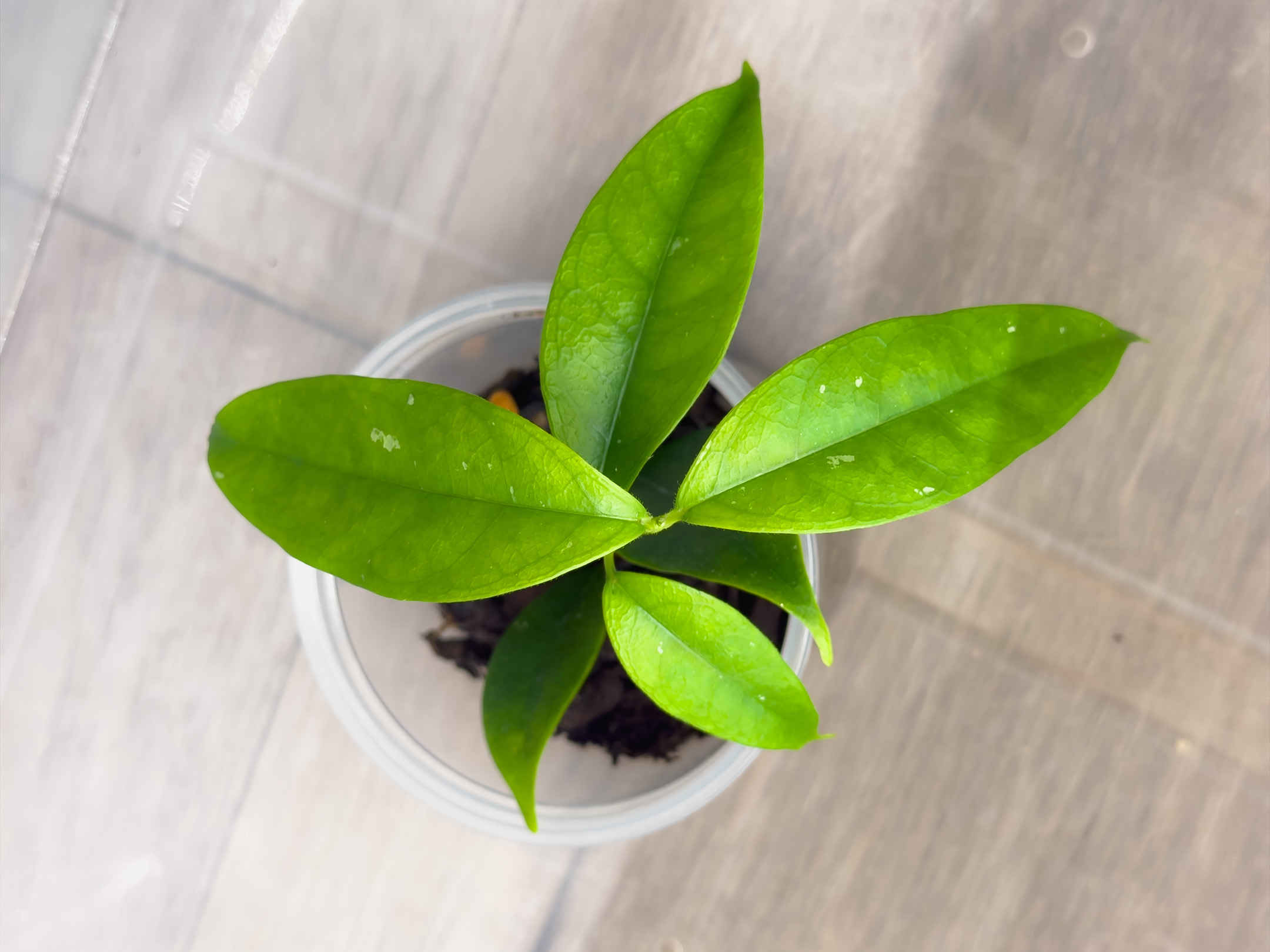
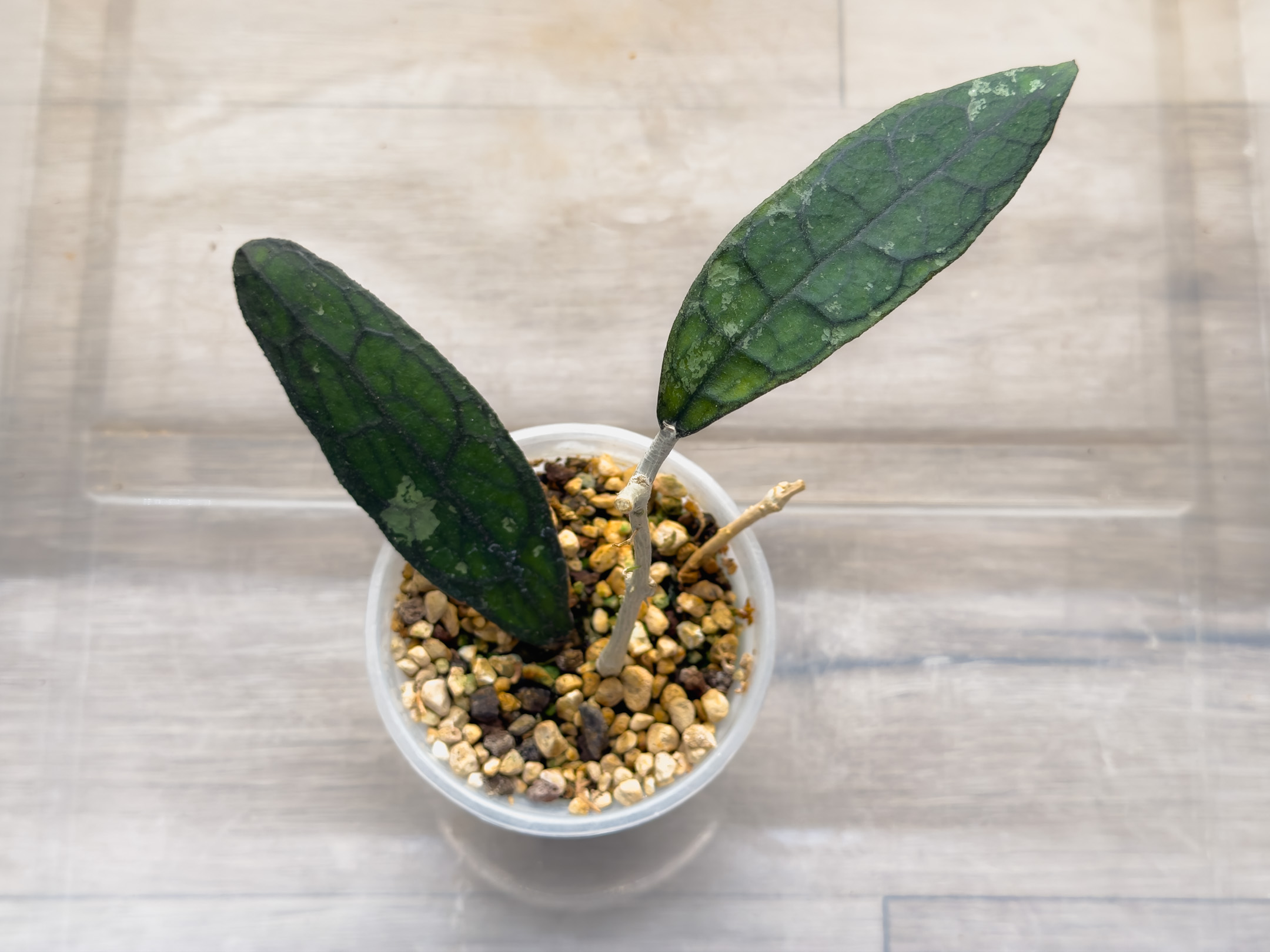
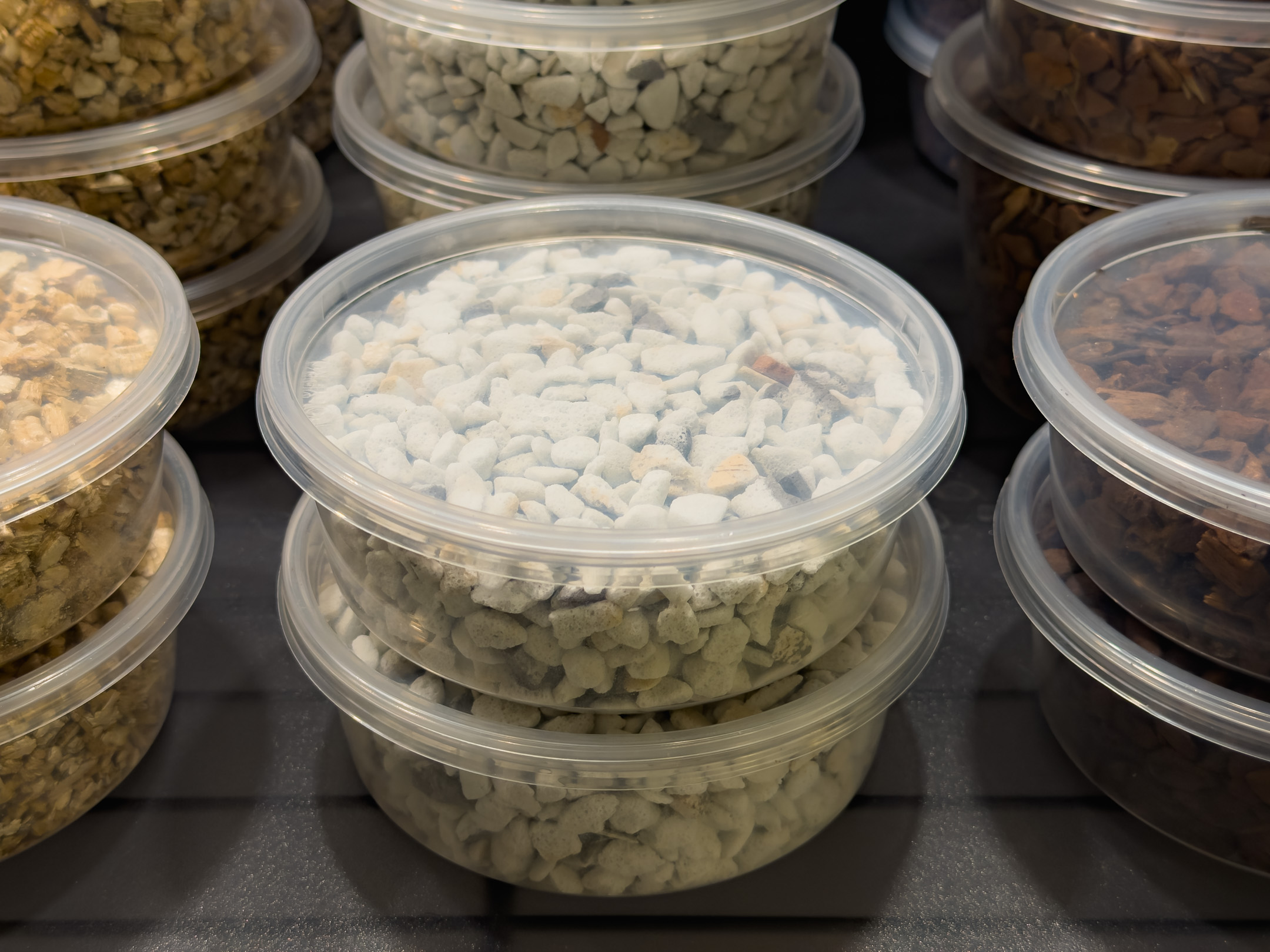
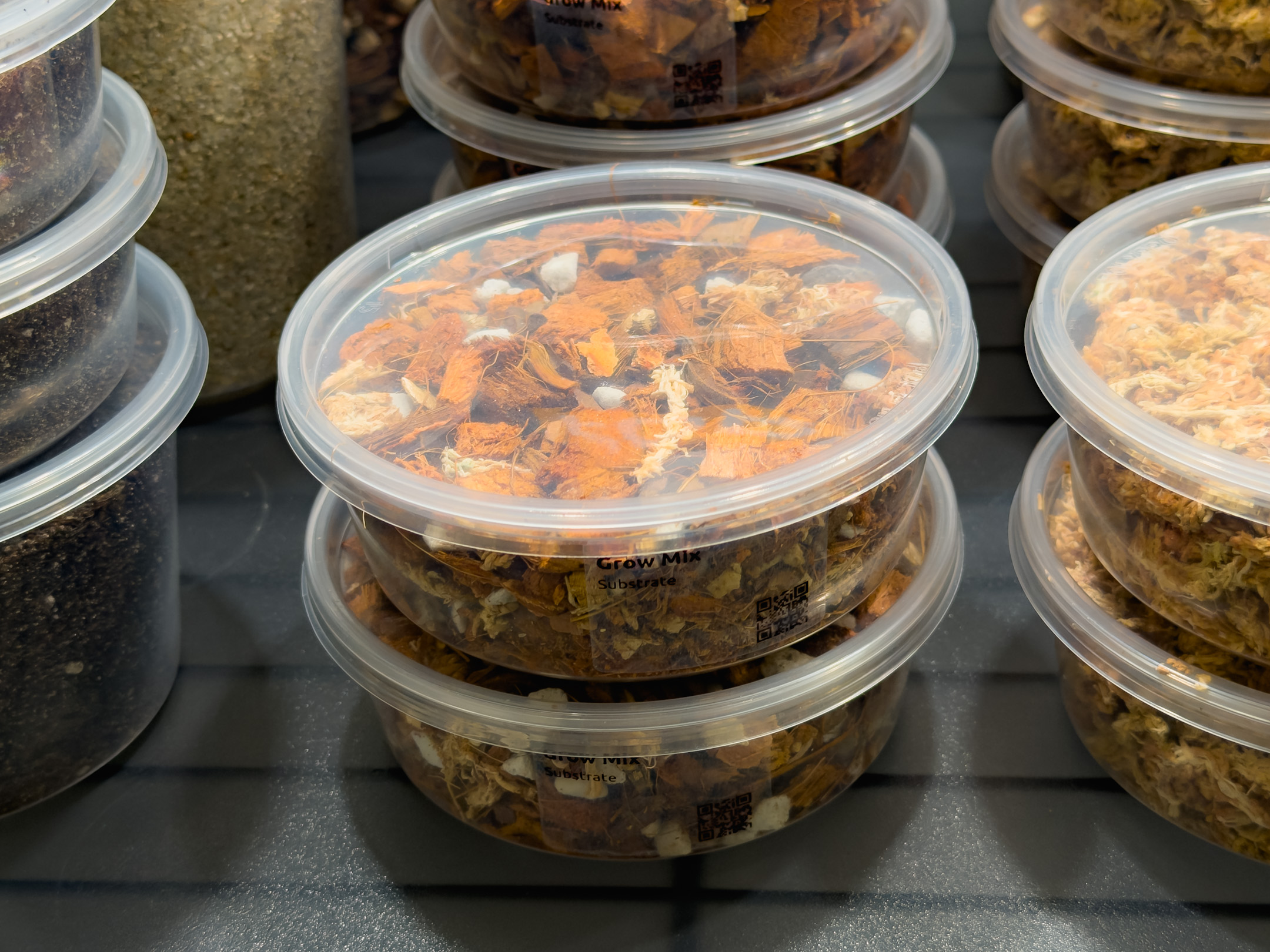
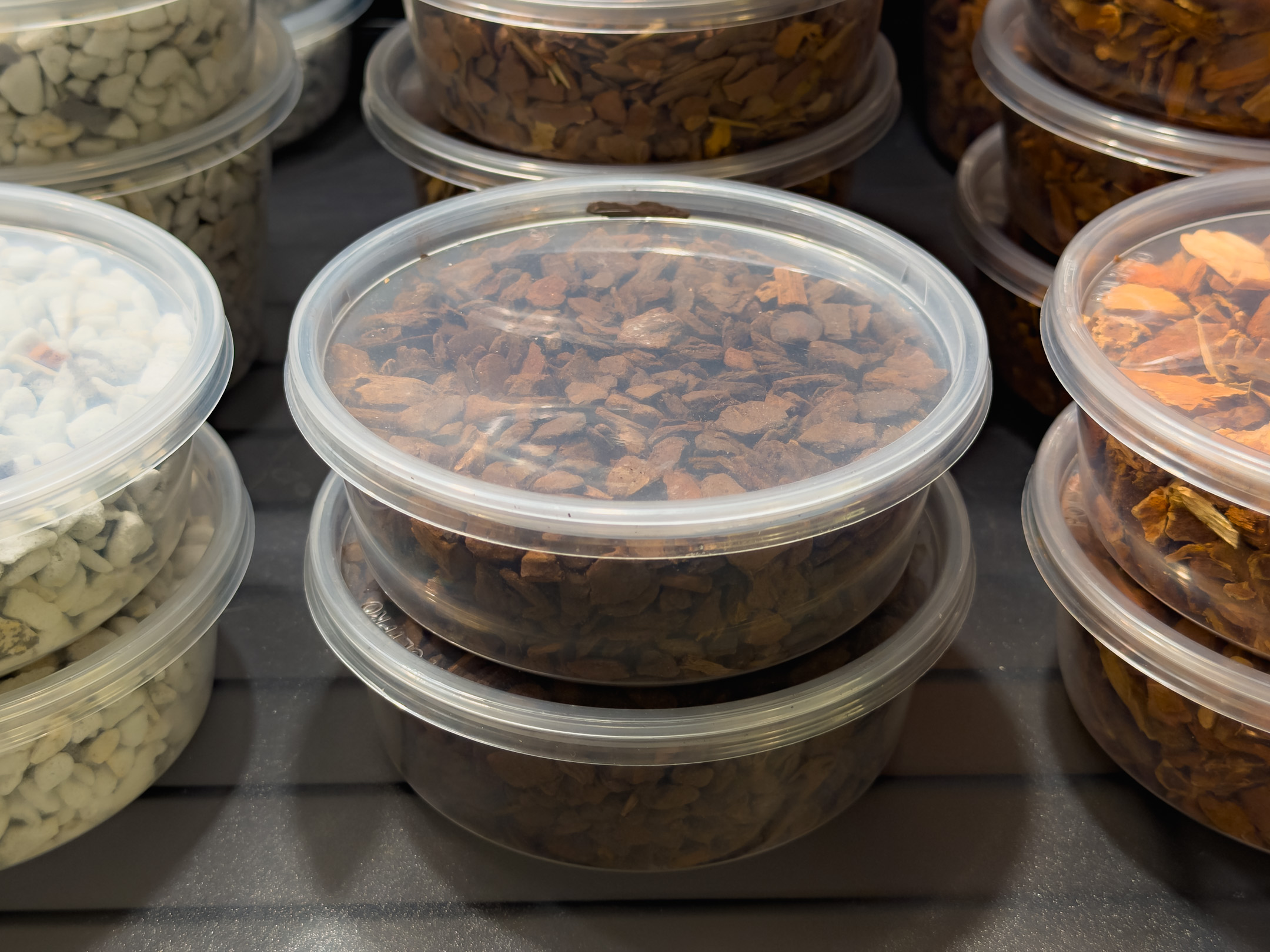
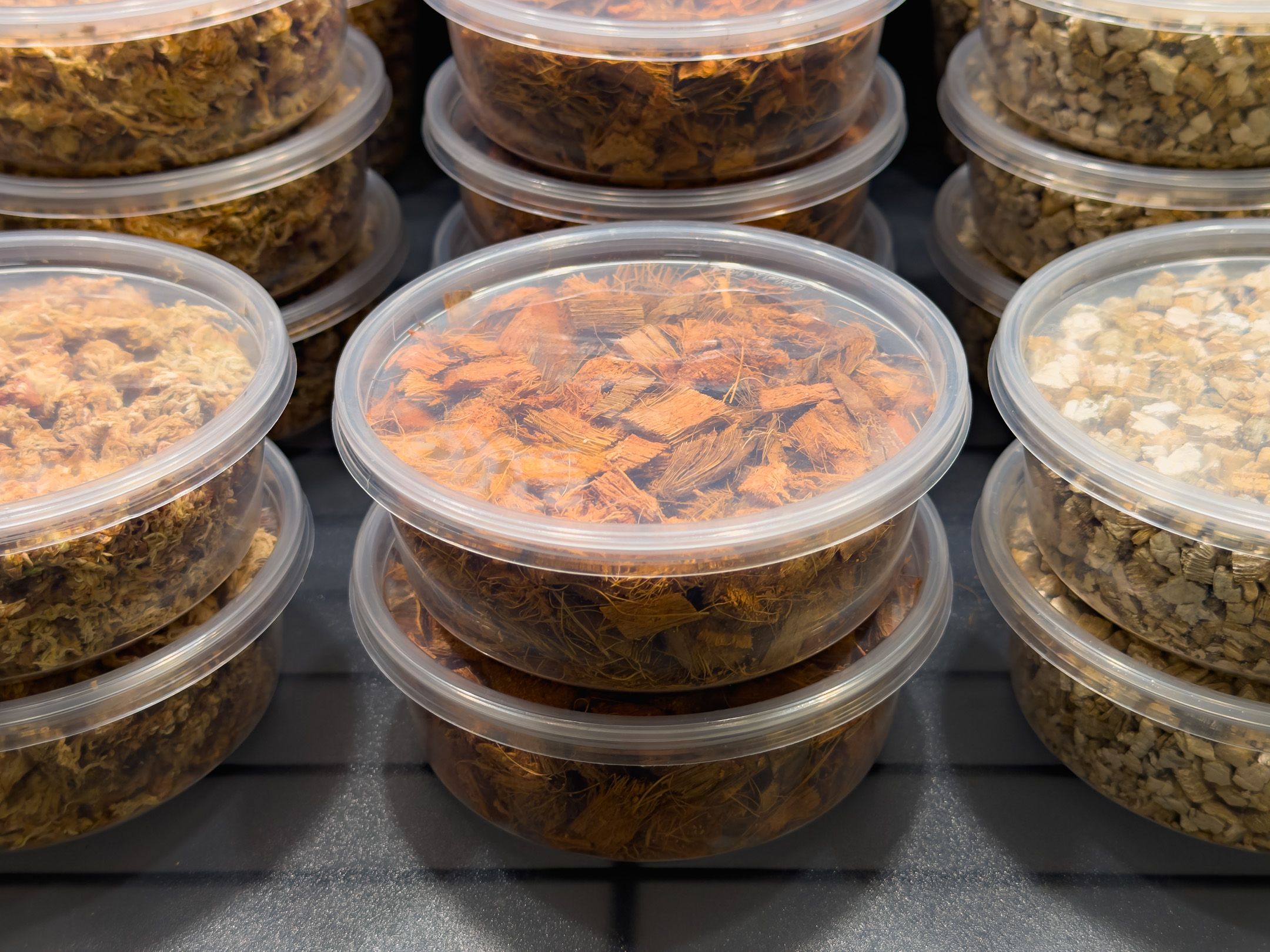
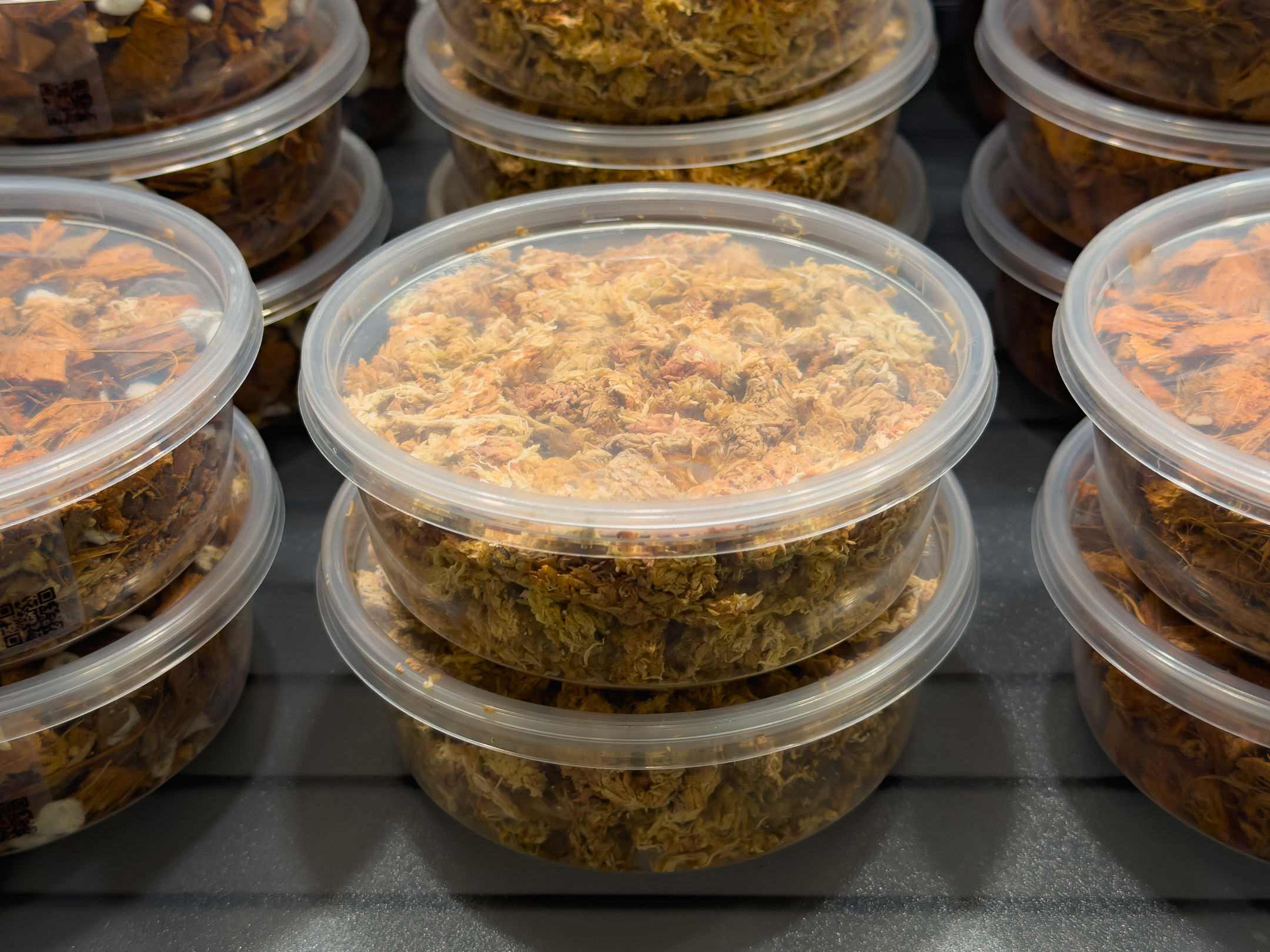
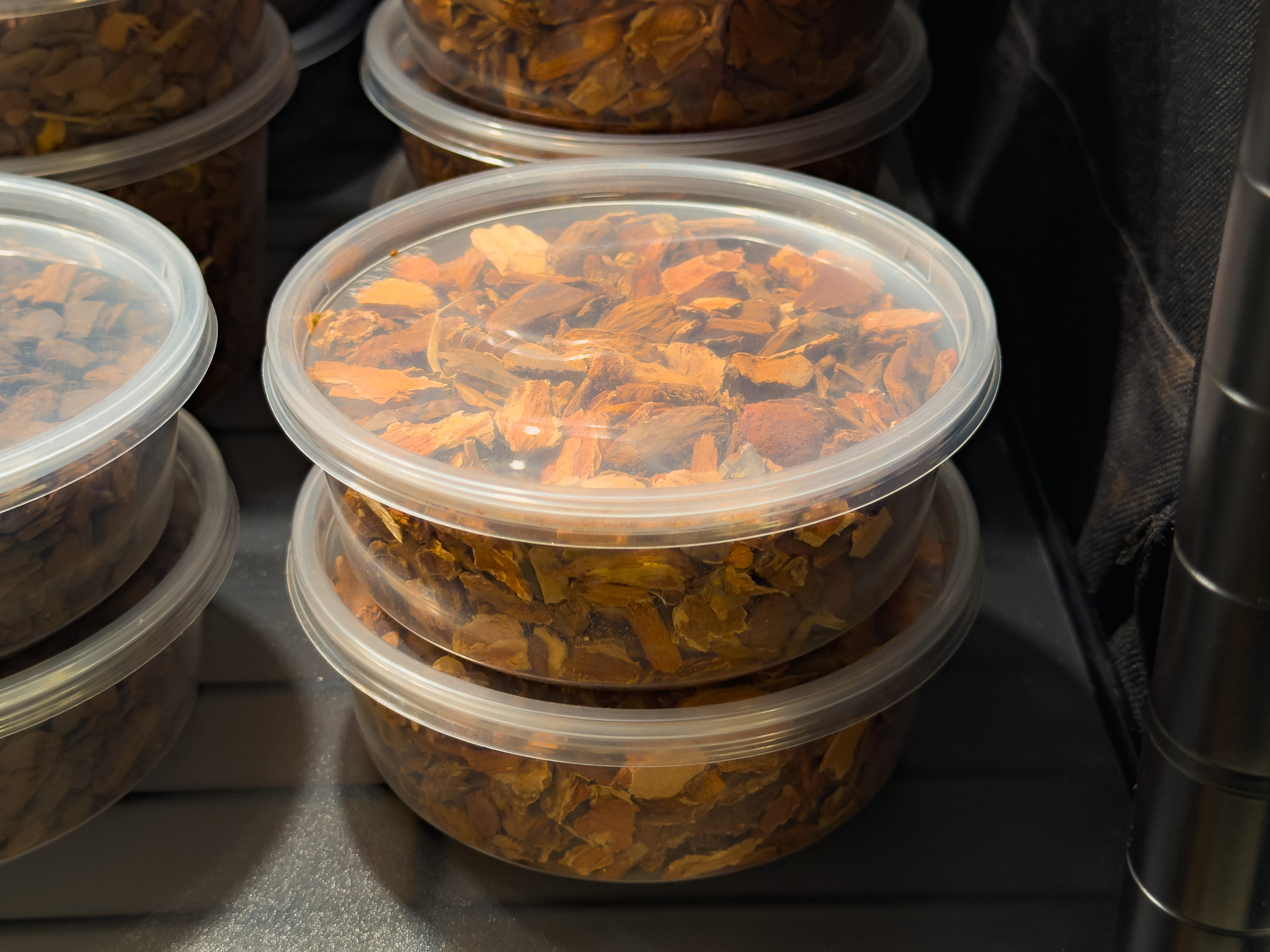
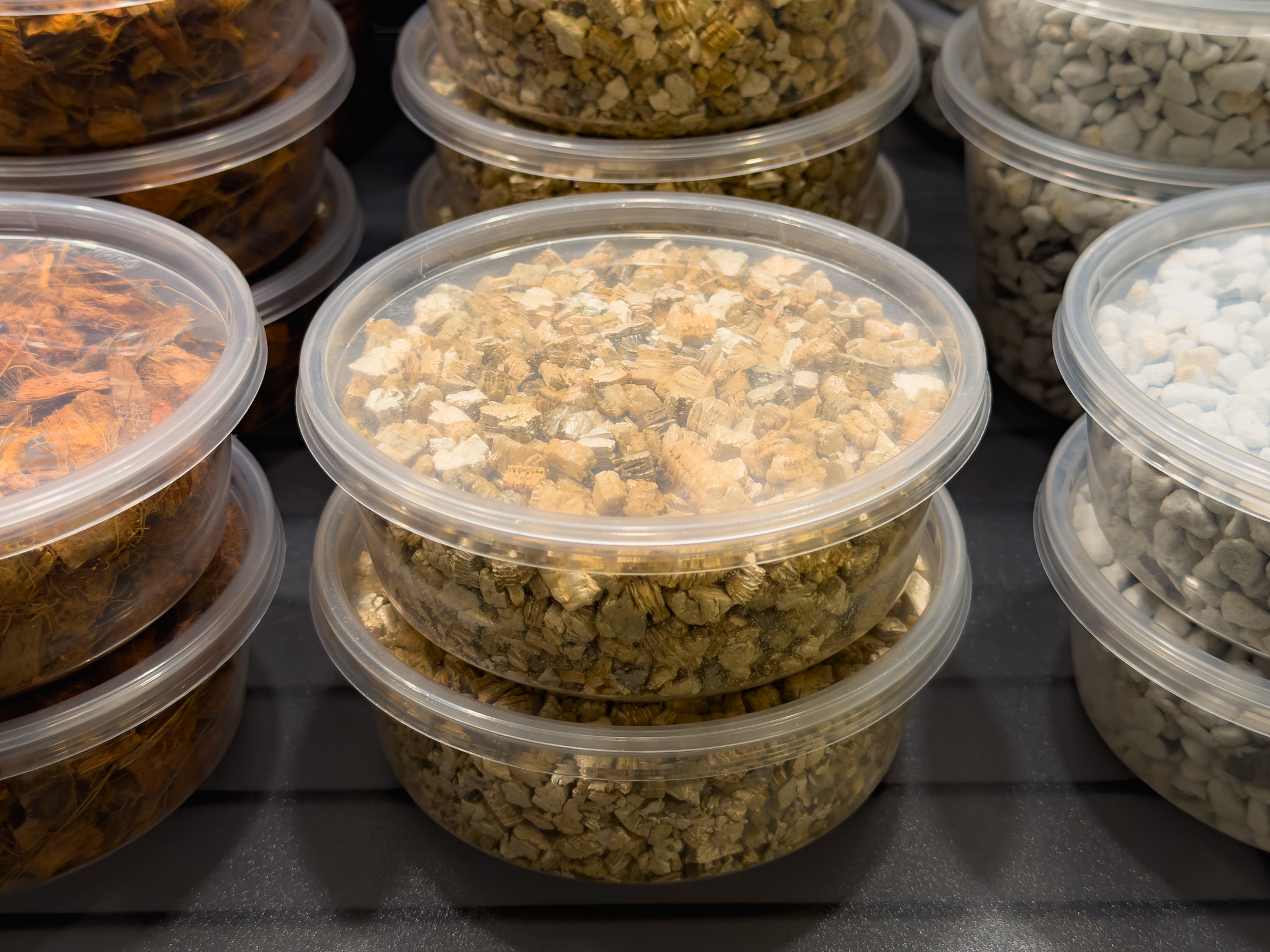
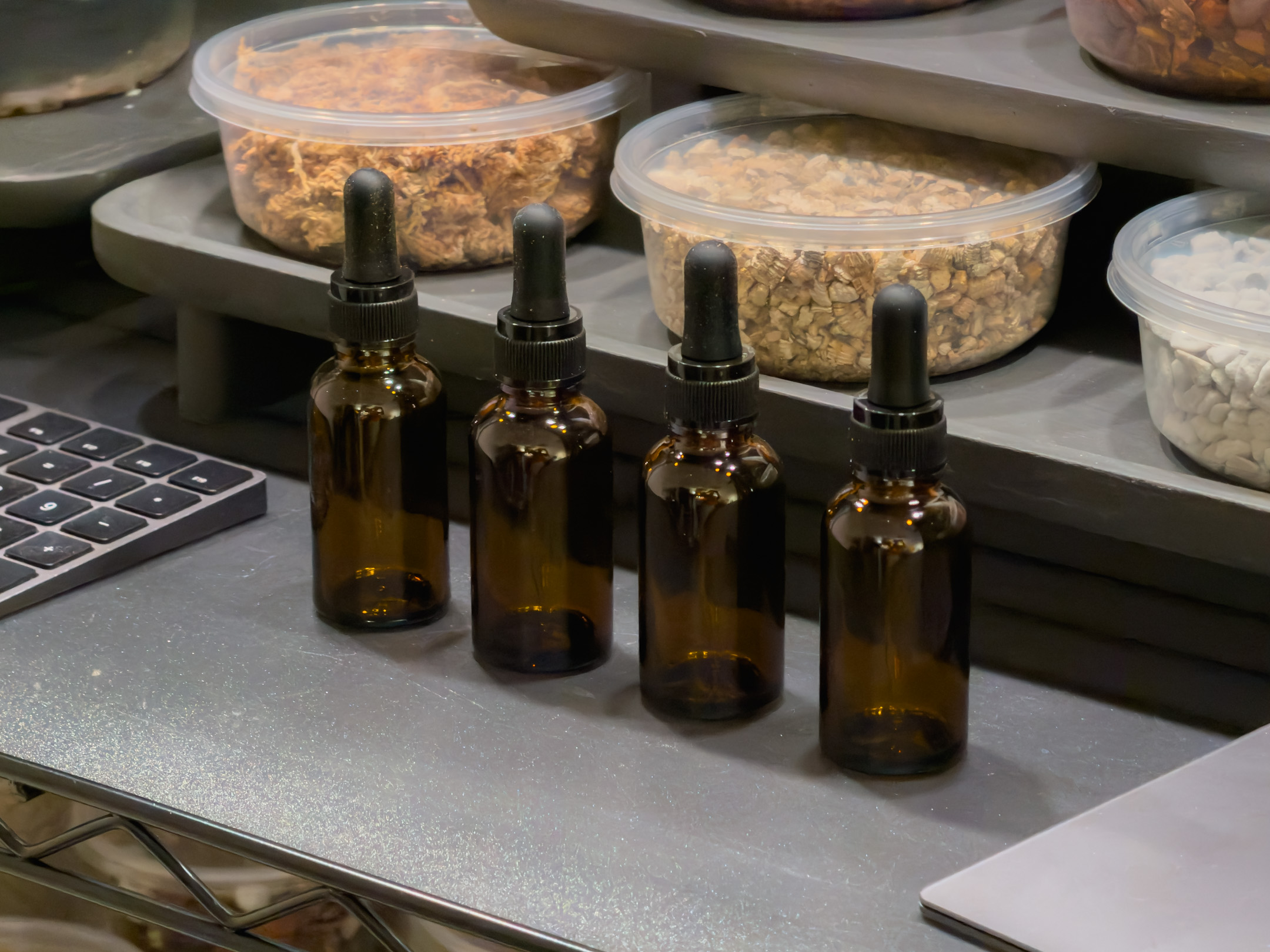
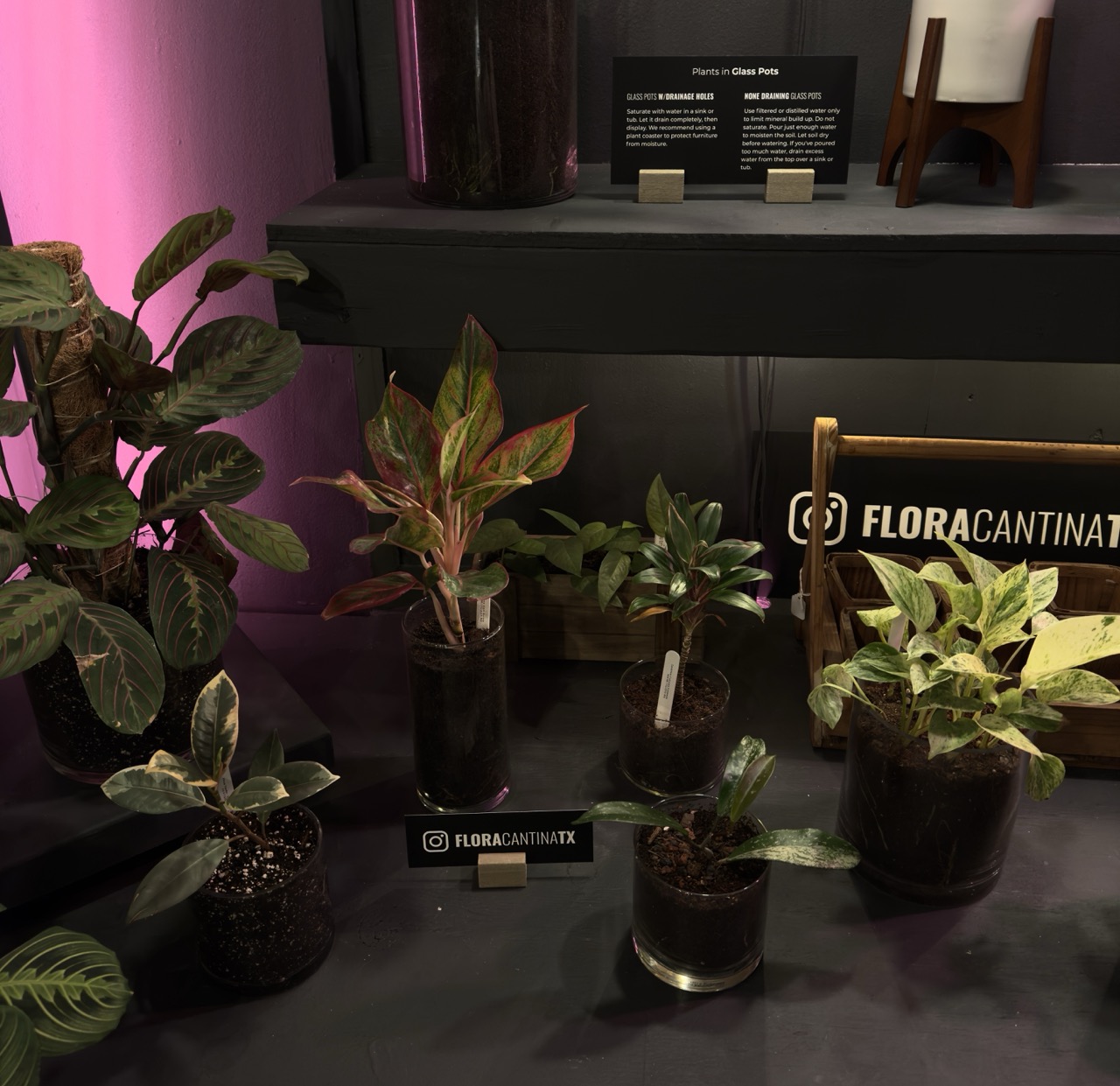
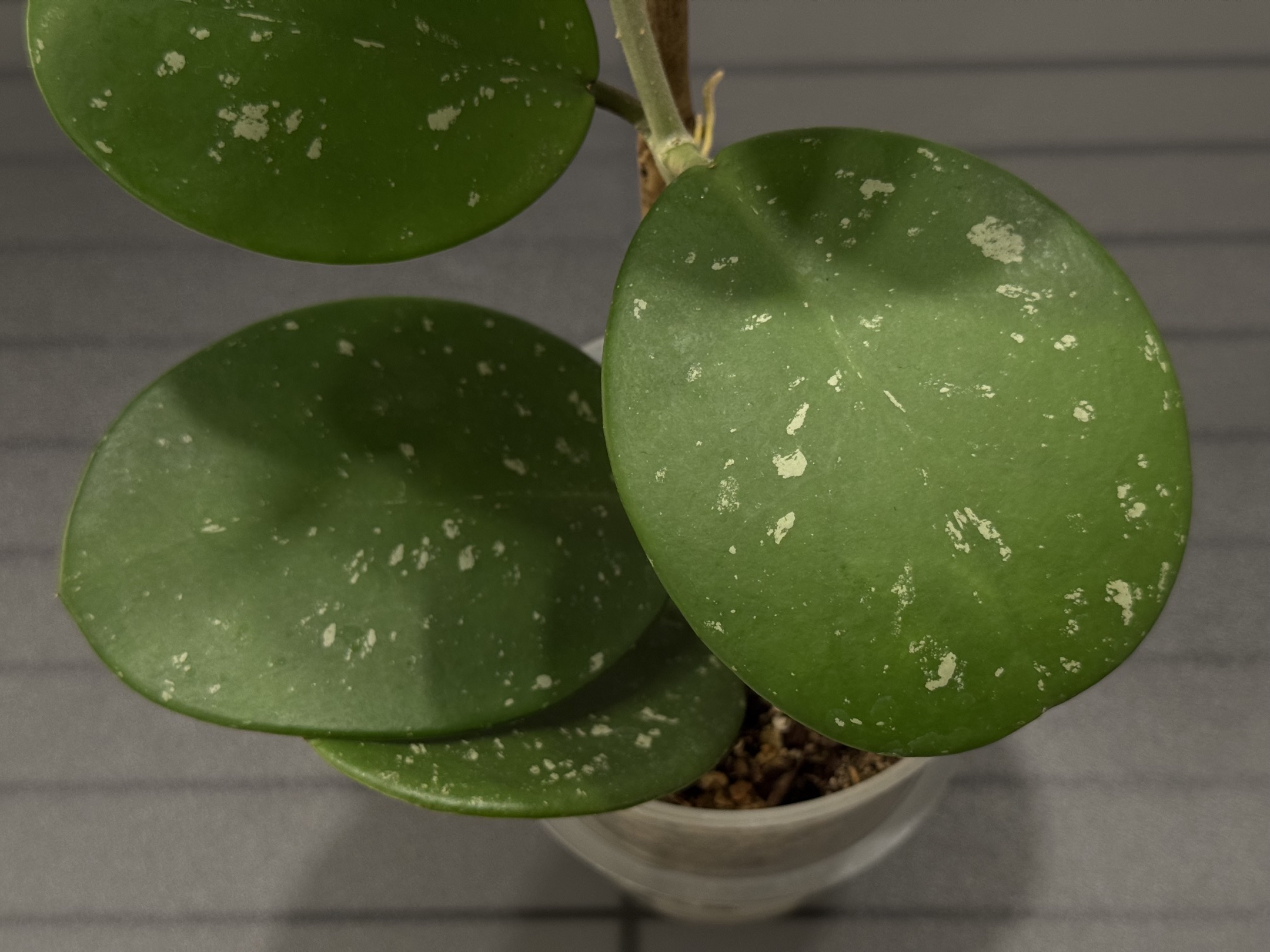
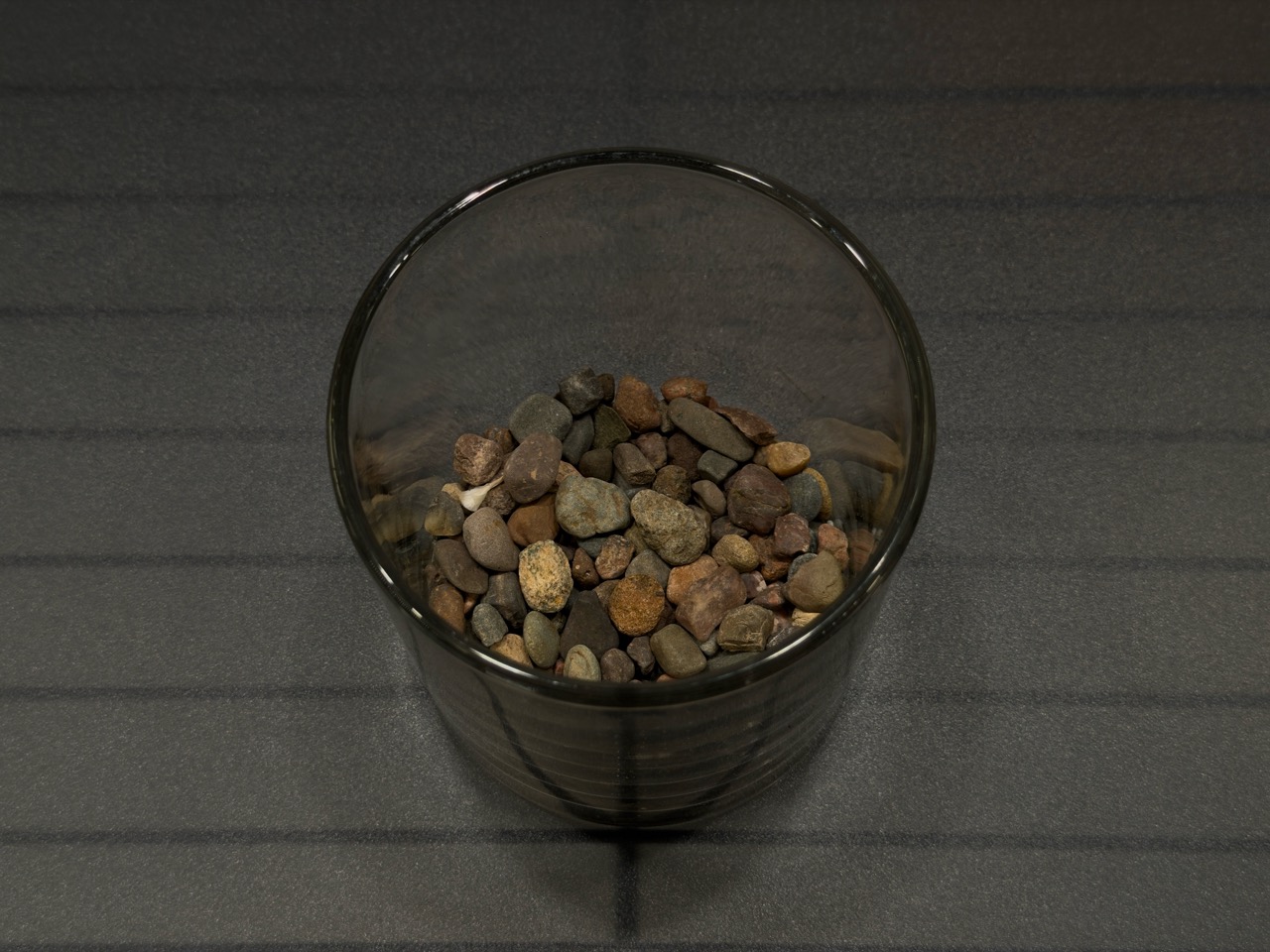
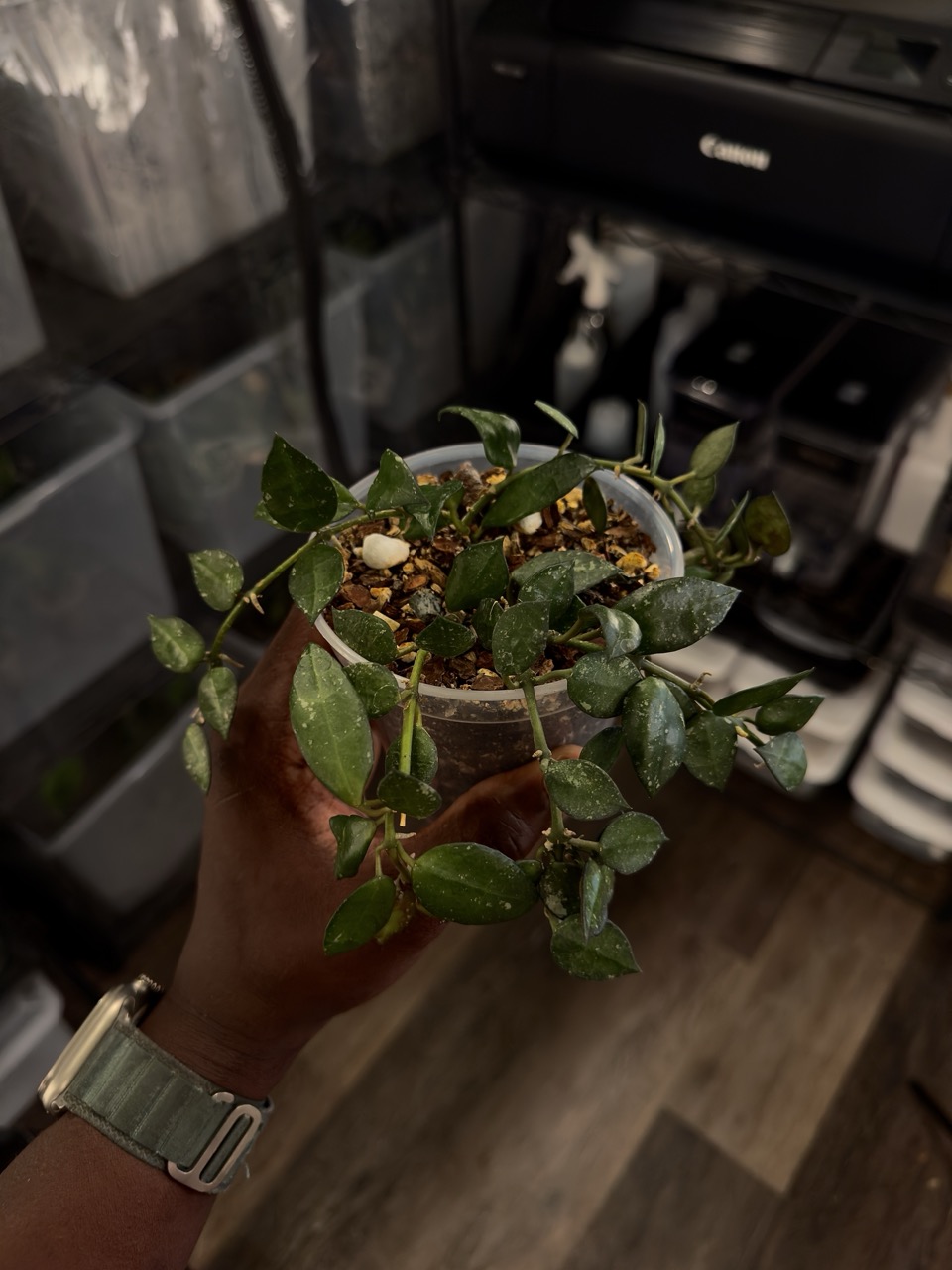
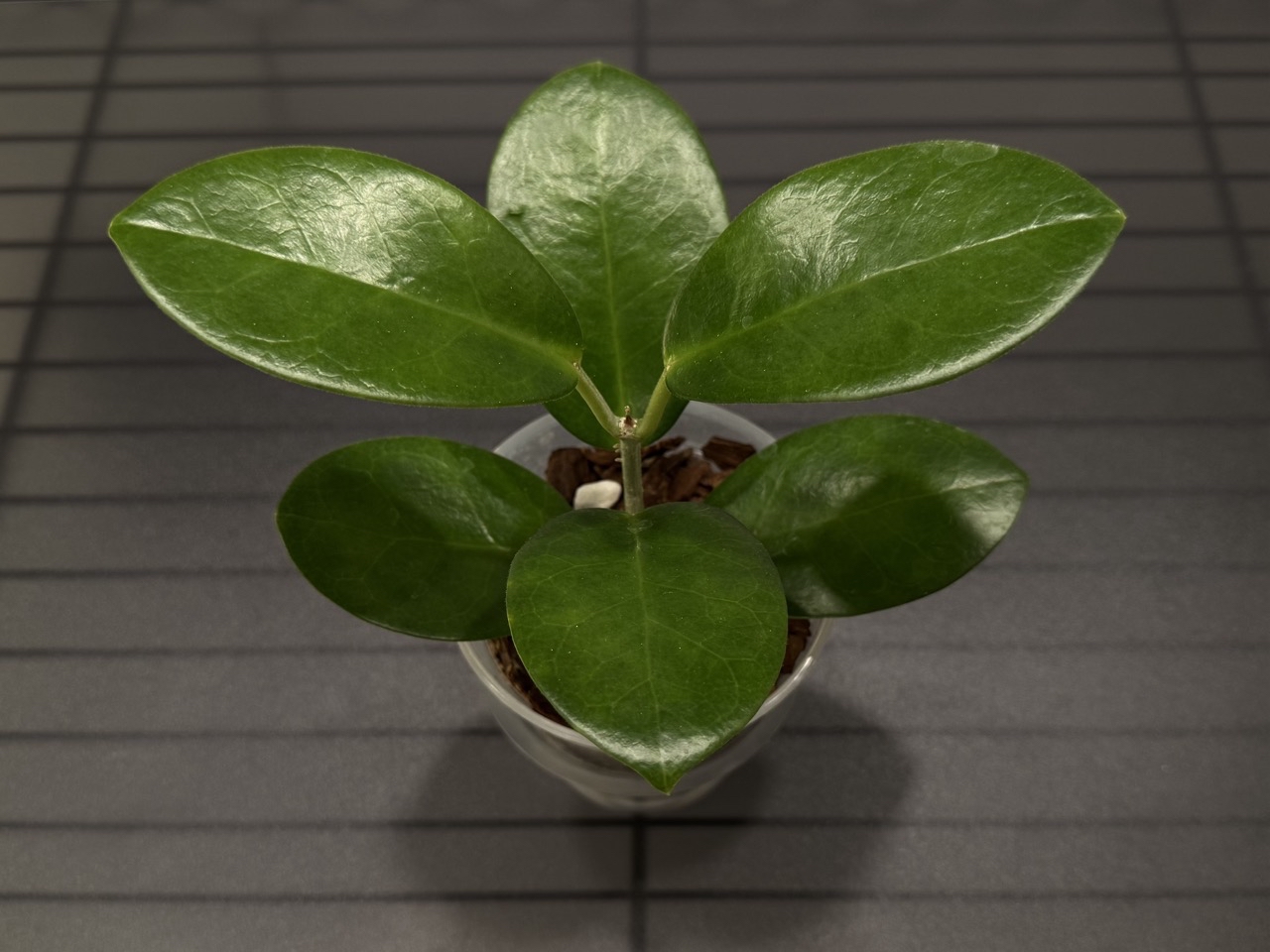
A hands-on Flora Cantina workshop where participants build a complete growing system in clear glass. Working with a rooted juvenile plant and functional substrate components, participants learn how structure, moisture, aeration, drainage, and biological support shape the root environment. The finished system makes normally hidden plant processes visible, allowing participants to observe both the plant above the vessel and its development below.
Understand how the plant, roots, substrate components, drainage, moisture, aeration, and biological support function together as one growing system—and be able to assemble a simple glass-based system intentionally.
Root Inspection, Substrate Formulation, Potting / Repotting, Glass System Setup, Plant Assessment
One complete 4–5 inch clear glass growing system with a rooted juvenile plant, functional substrate blend, and care/system guidance. The finished piece is designed to be visually compelling while keeping the root zone and substrate structure visible for continued observation.
Rooted juvenile upright-growing plant. Initial candidate: a compact Dracaena type or another durable upright species with a root system that presents well through glass. Exact cultivar to be selected during development.
Designed for a single shared table or small workshop area. Requires pre-portioned substrate components, rooted plants, clear glass pots with drainage, a watering station/container, and a surface that can tolerate minor substrate and water cleanup.
Designed for a single shared table or small workshop area. Requires pre-portioned substrate components, rooted plants, clear glass pots with drainage, a watering station/container, and a surface that can tolerate minor substrate and water cleanup.
Keep version 1 tightly standardized: one plant option, one glass-pot size, and a limited component menu. Participants make meaningful functional choices without creating fully custom recipes. Target a 60–75 minute format that one facilitator can run for about six people. Marketing should lead with the visual transformation and take-home object, then reveal the deeper system knowledge. The aesthetic value should come from visible function—glass, roots, substrate structure, and plant form—not decorative layering that compromises horticultural performance.