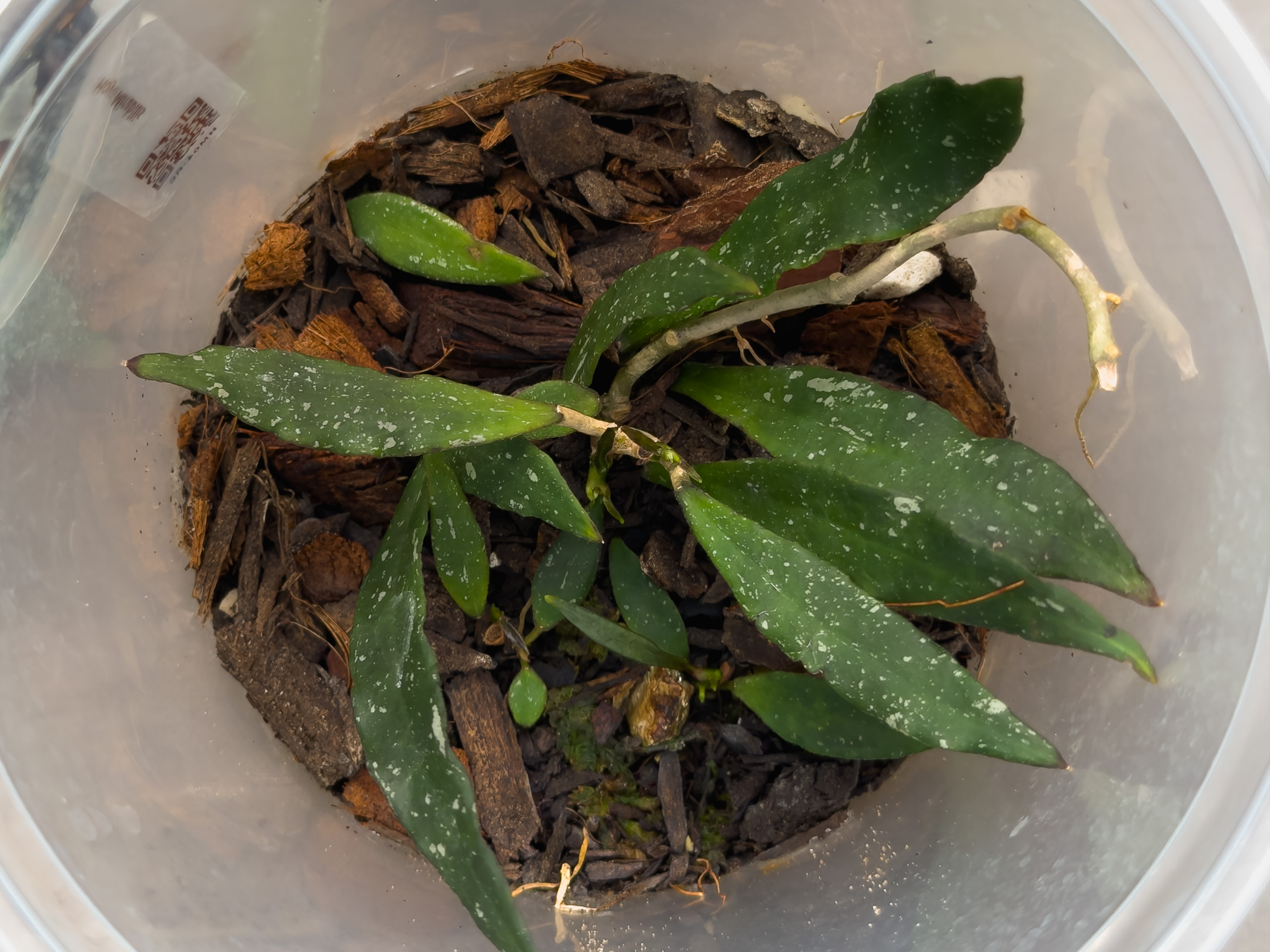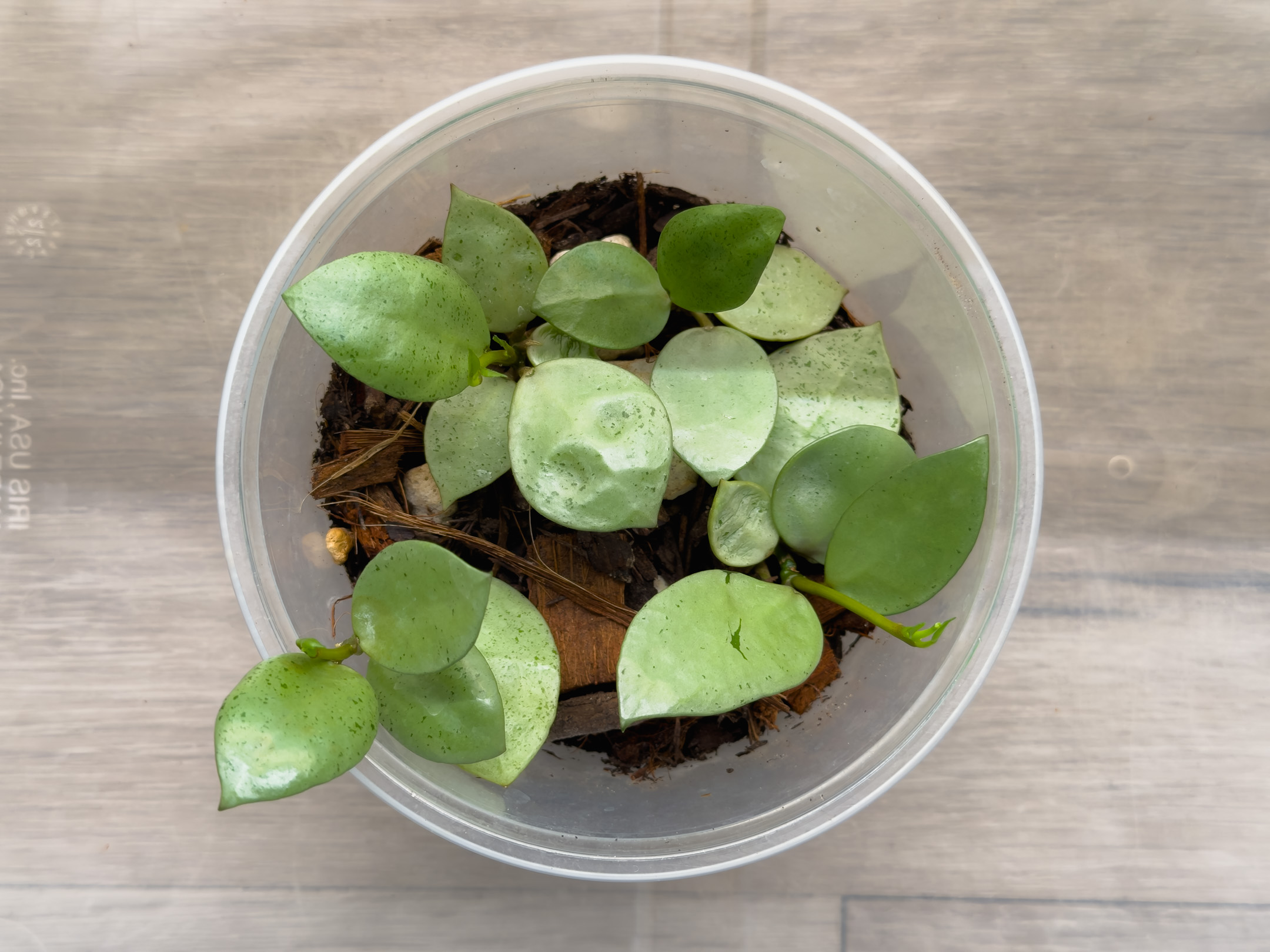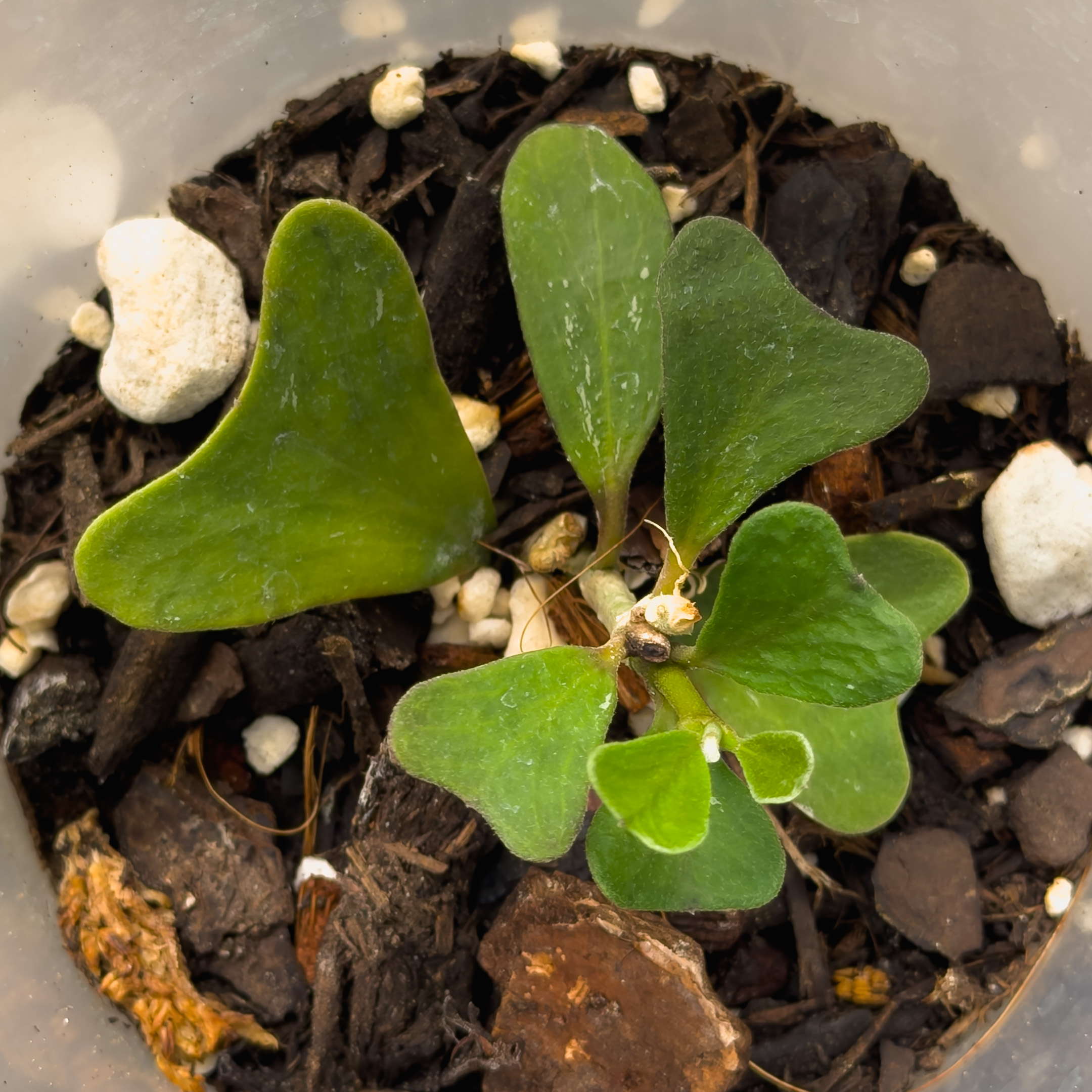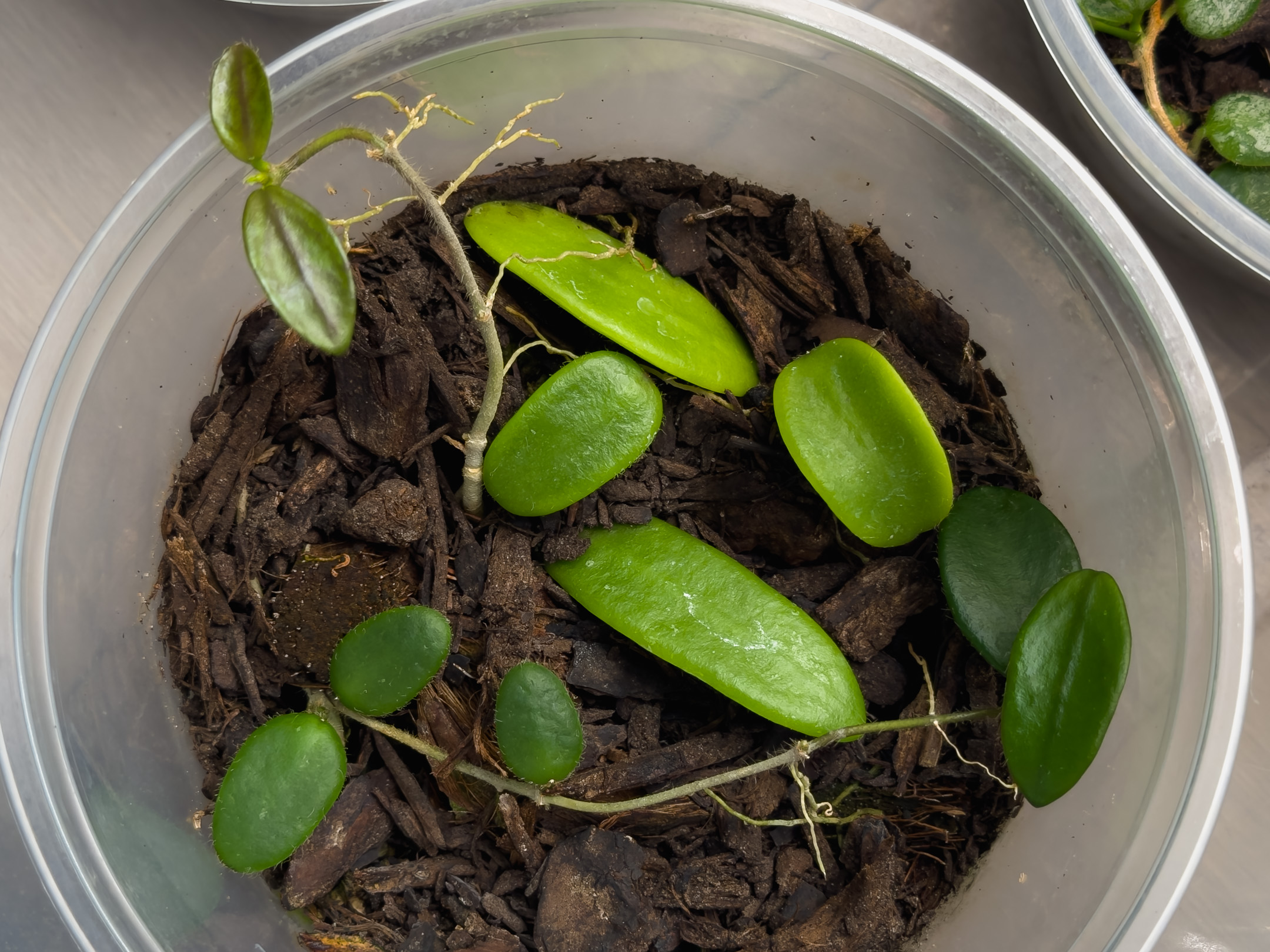


The FAQs
An approved compatibility link means Flora Cantina currently approves that cultivar for the complete Growth System as defined—not just for the glass vessel or one ingredient inside it.
That approval considers the vessel architecture, substrate formulation, water behavior, required hardware, and the plant’s biology together. If a cultivar is not linked to a Growth System, that does not mean the combination is impossible; it means Flora Cantina has not approved it yet.
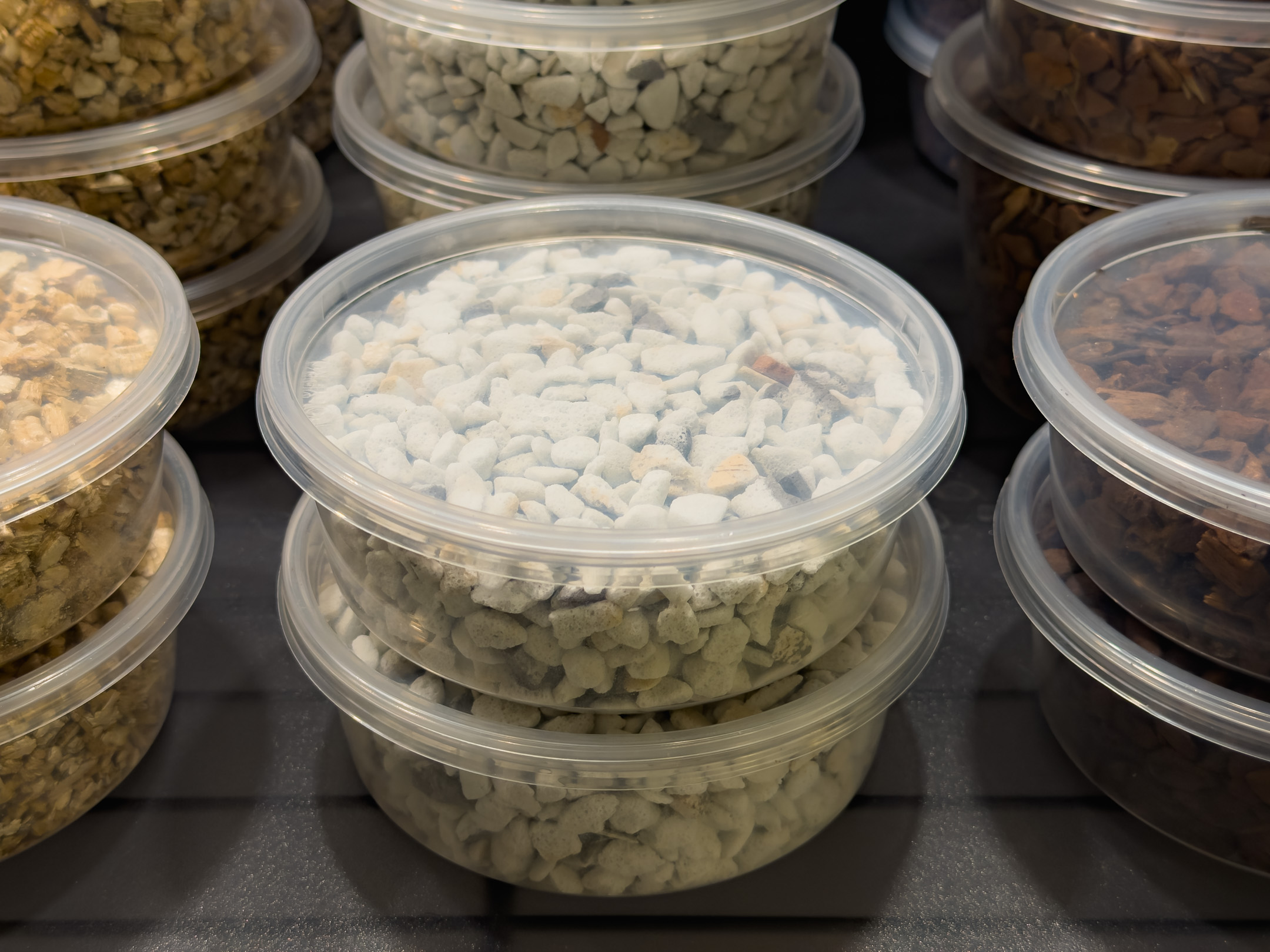
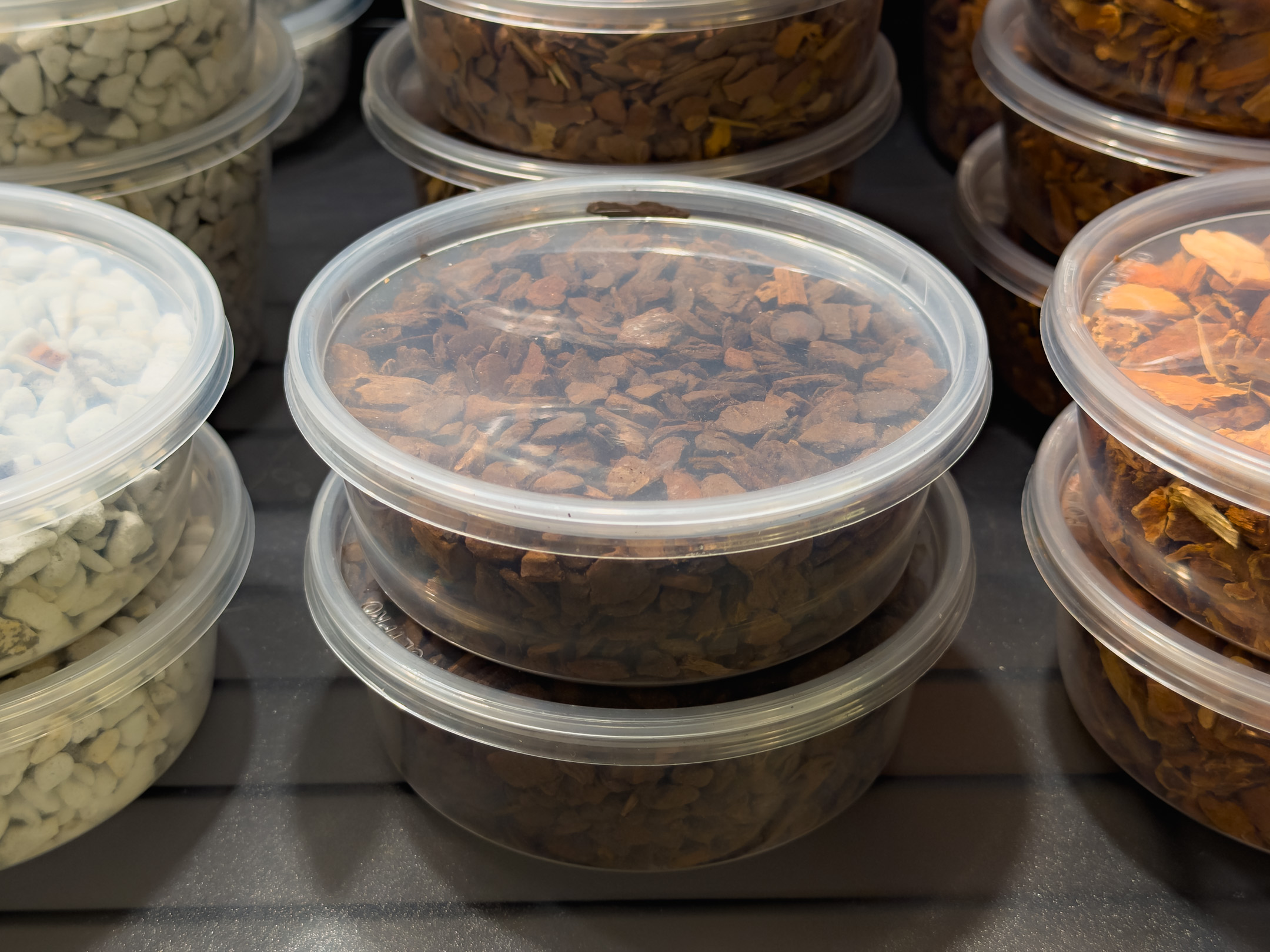
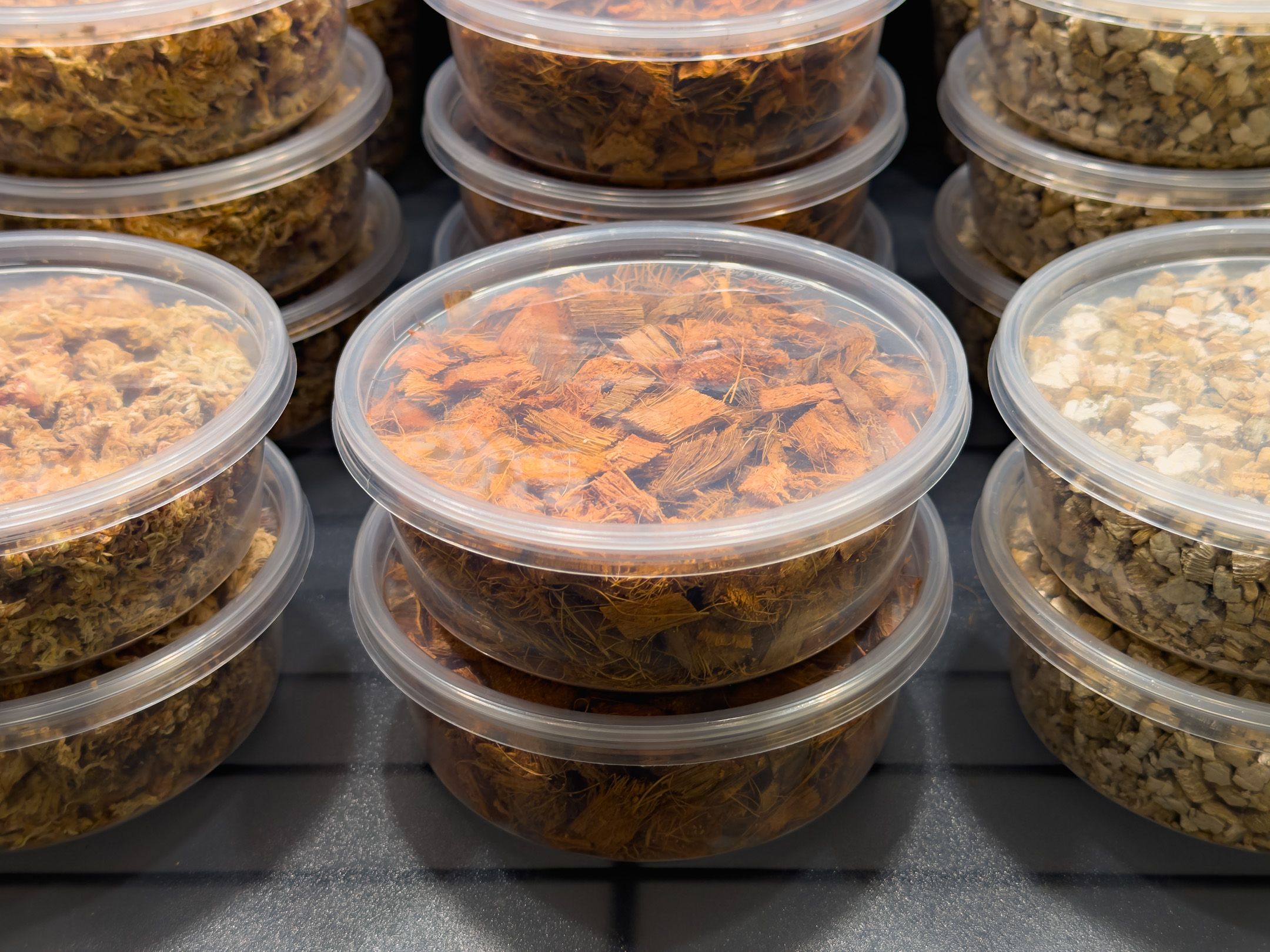
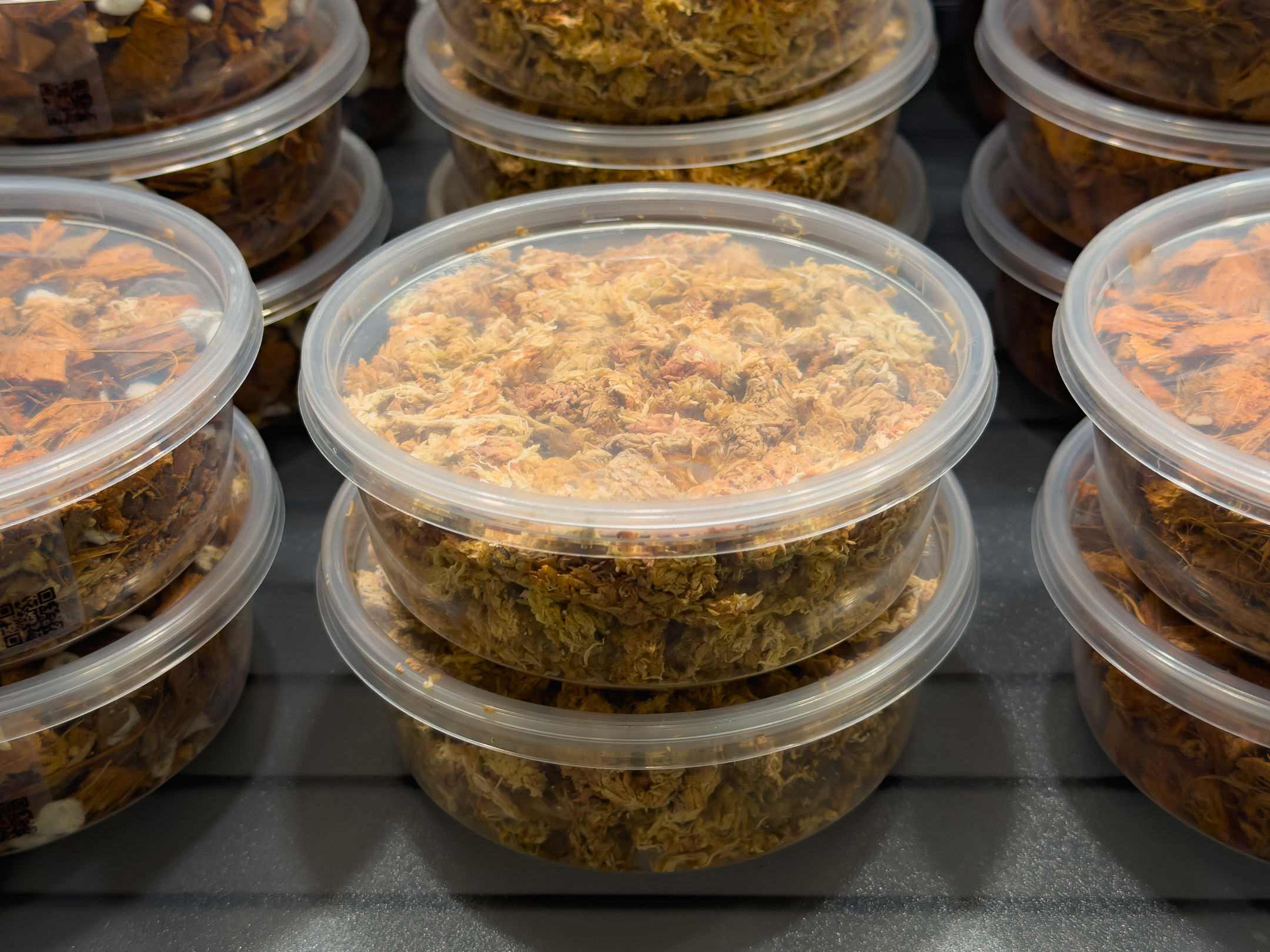
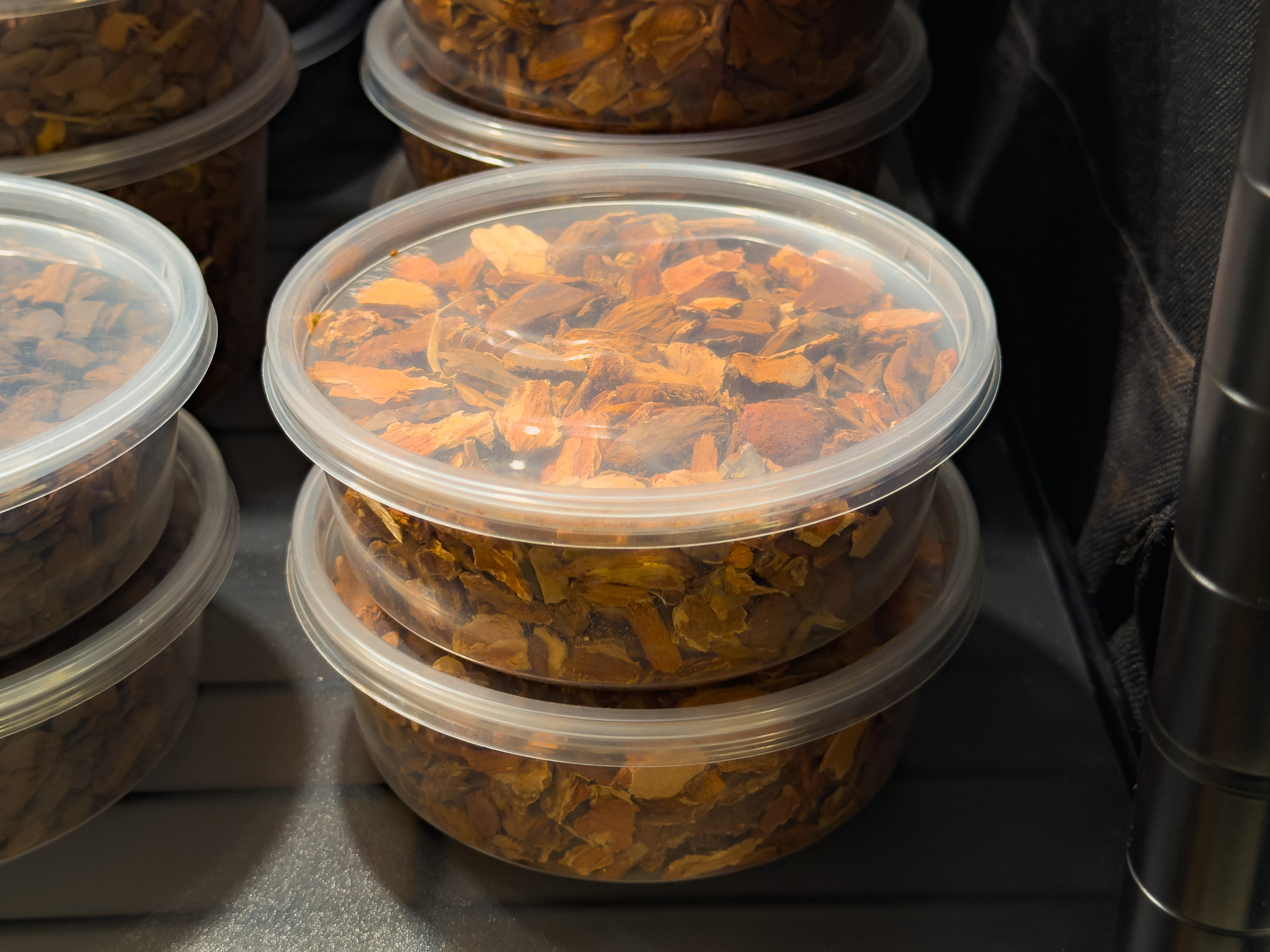
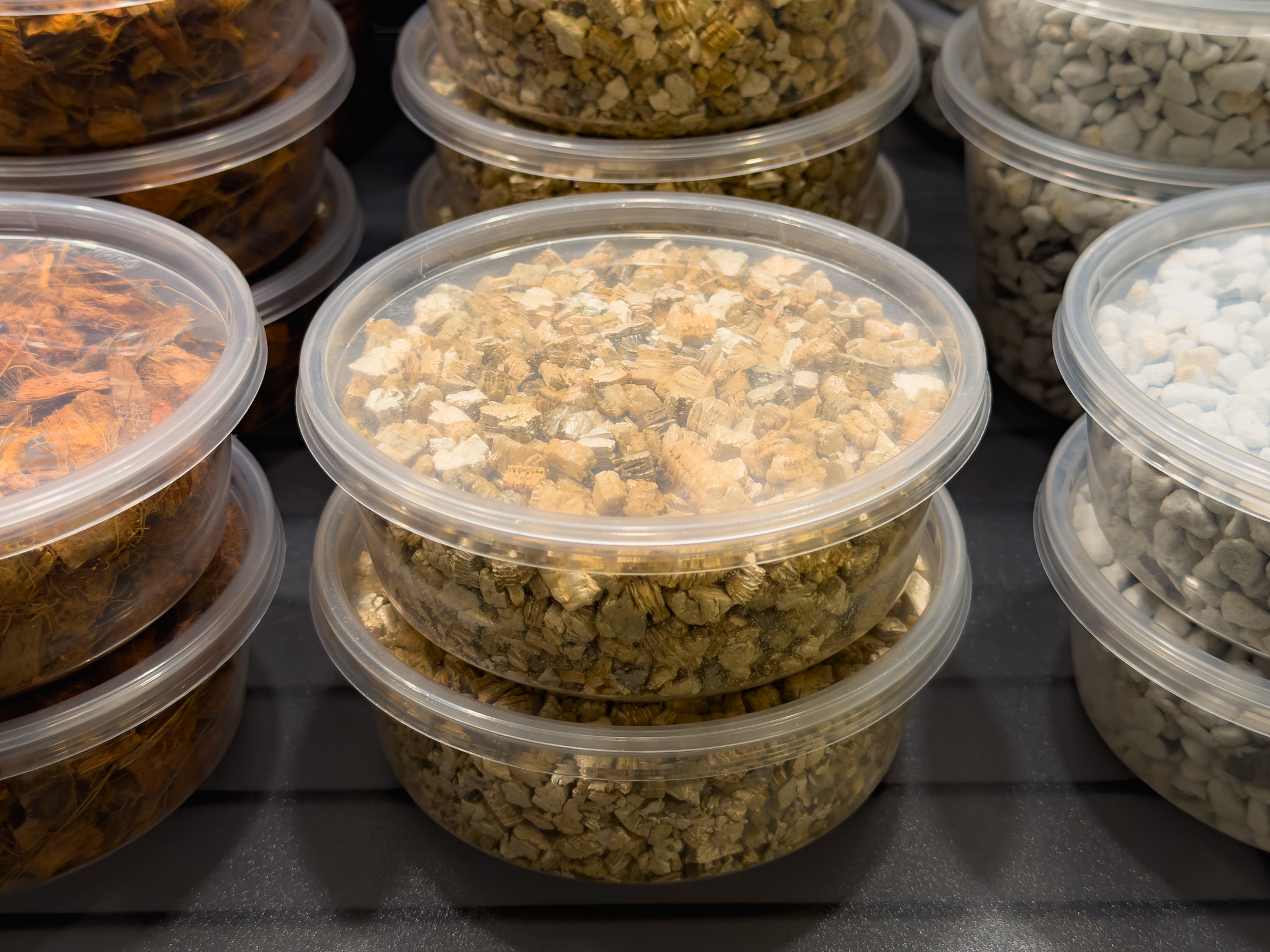
A Substrate Component is one individual material—such as fir bark, perlite, vermiculite, coco chips, or sphagnum moss—with its own physical and functional properties.
A Substrate Formulation is an intentional recipe made from Components in defined proportions for a particular performance target or Growth System.
Flora Cantina keeps those two ideas separate so a material can be understood on its own while a complete mix can be versioned and evaluated as a system.
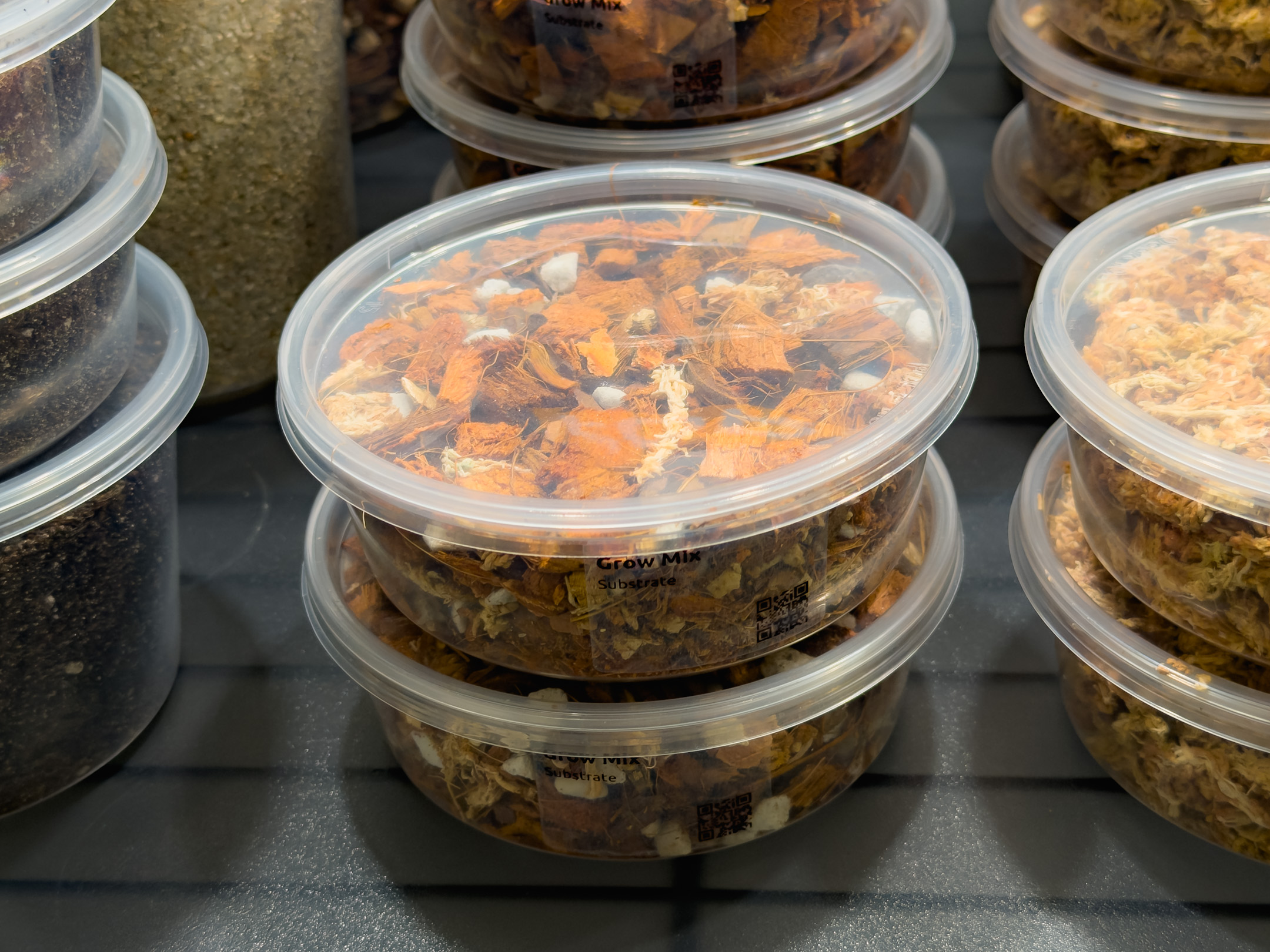
Grow Mix is Flora Cantina’s standard drained substrate formulation family. The current version, Grow Mix v1.0, is 35% fir bark, 25% coco chips, 20% perlite, 10% vermiculite, and 10% sphagnum moss by volume.
It is designed for drained Glass Pot systems. It is not the same formulation used for a wick-based system, because the moisture and capillary requirements are different.
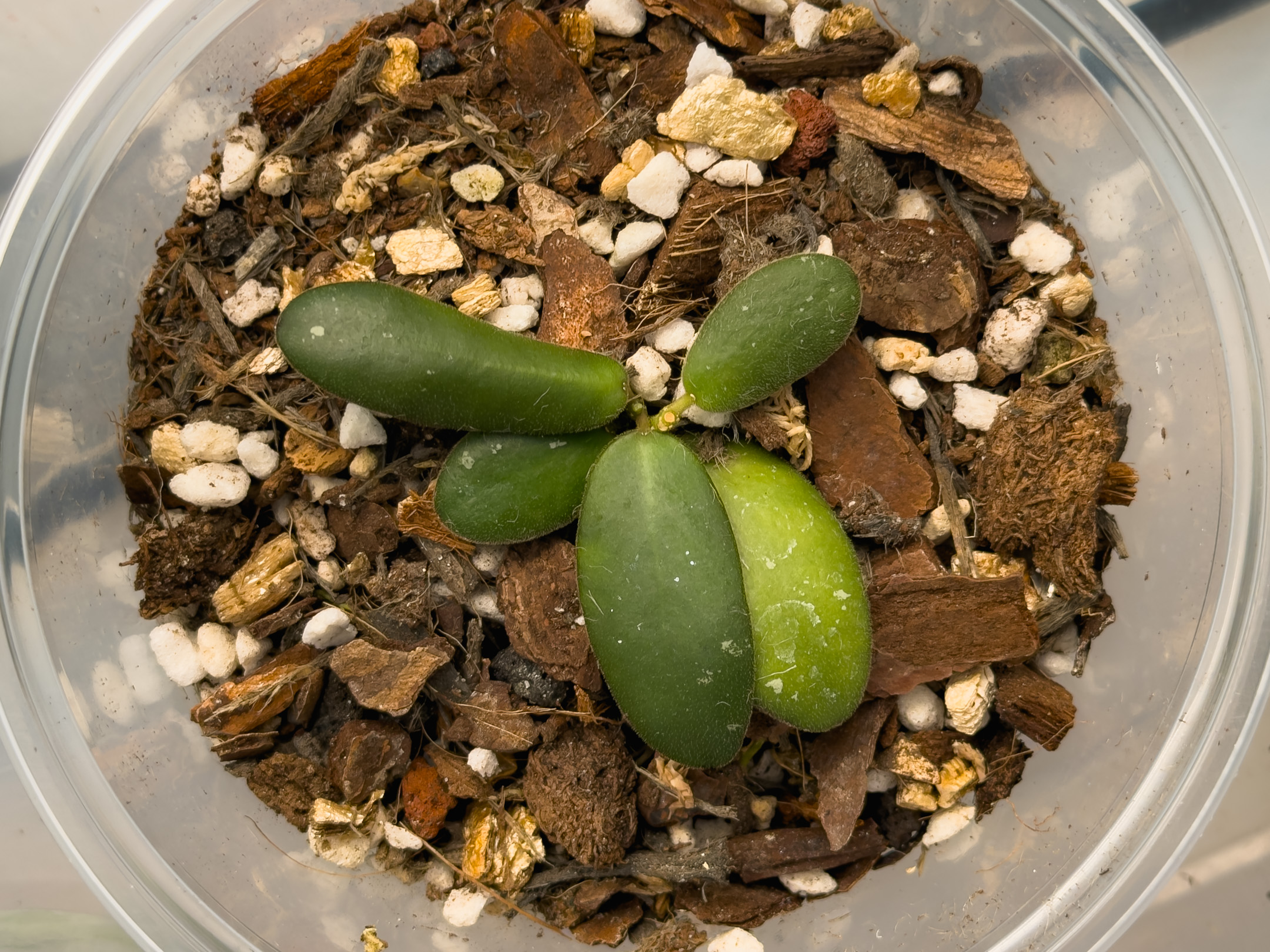
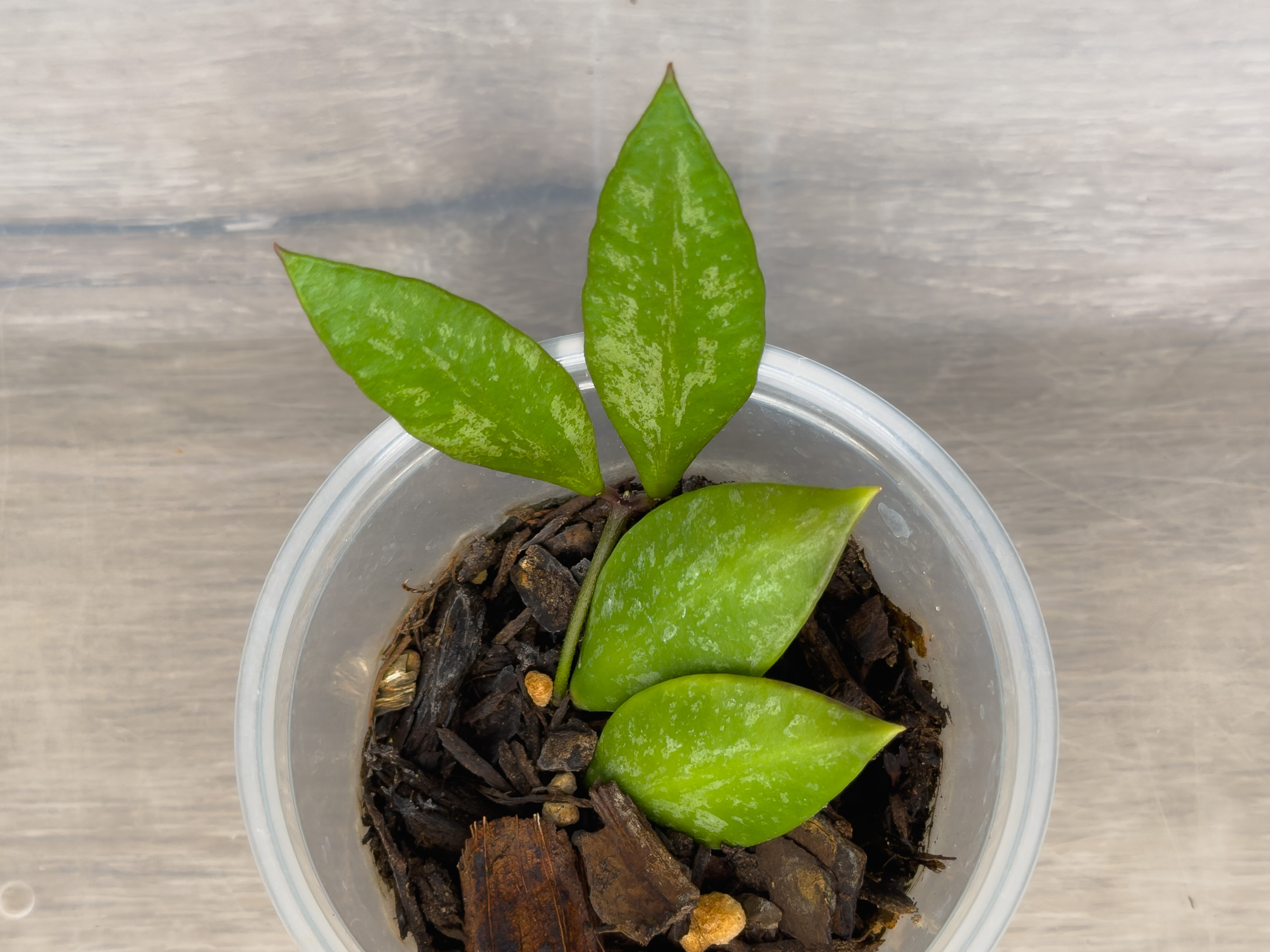
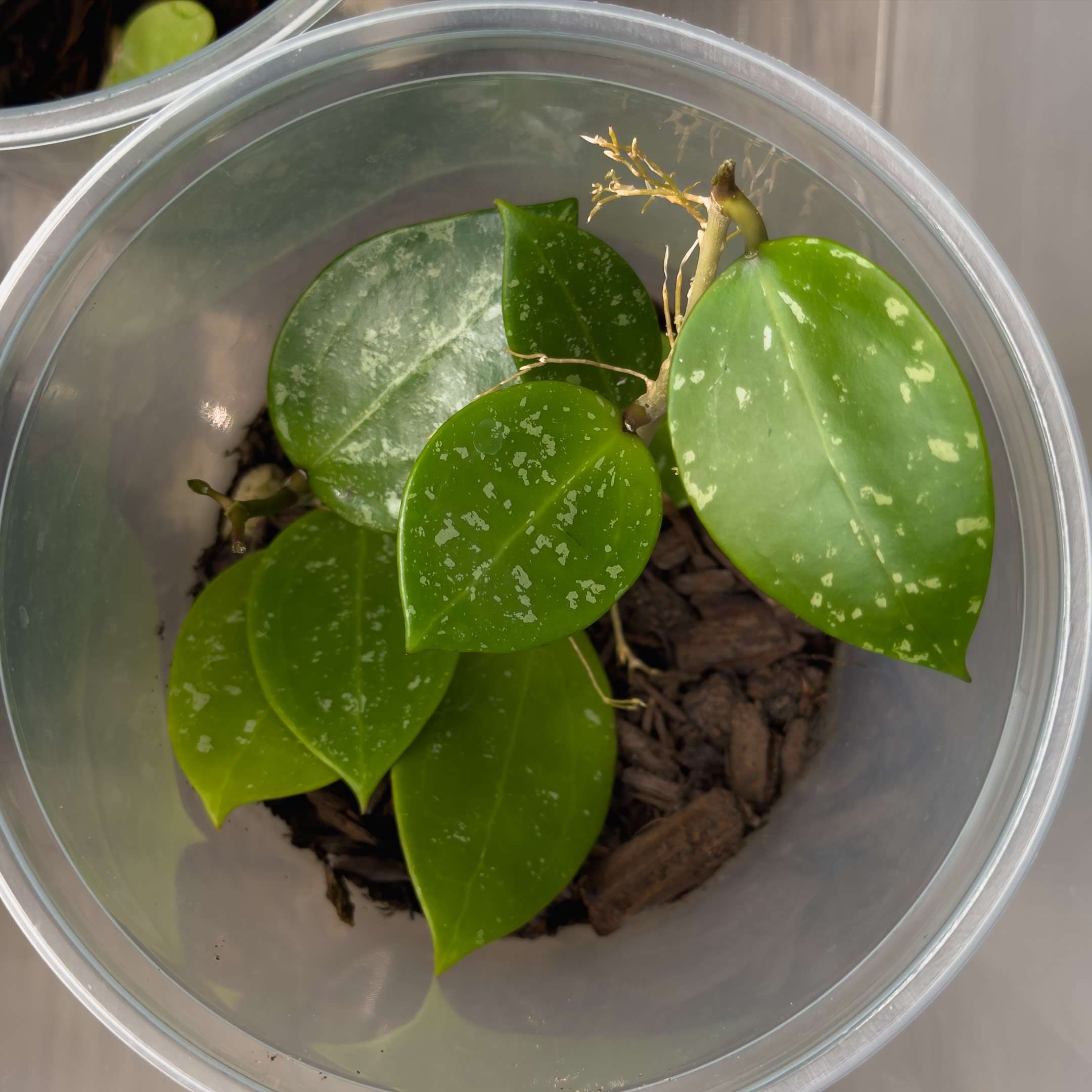
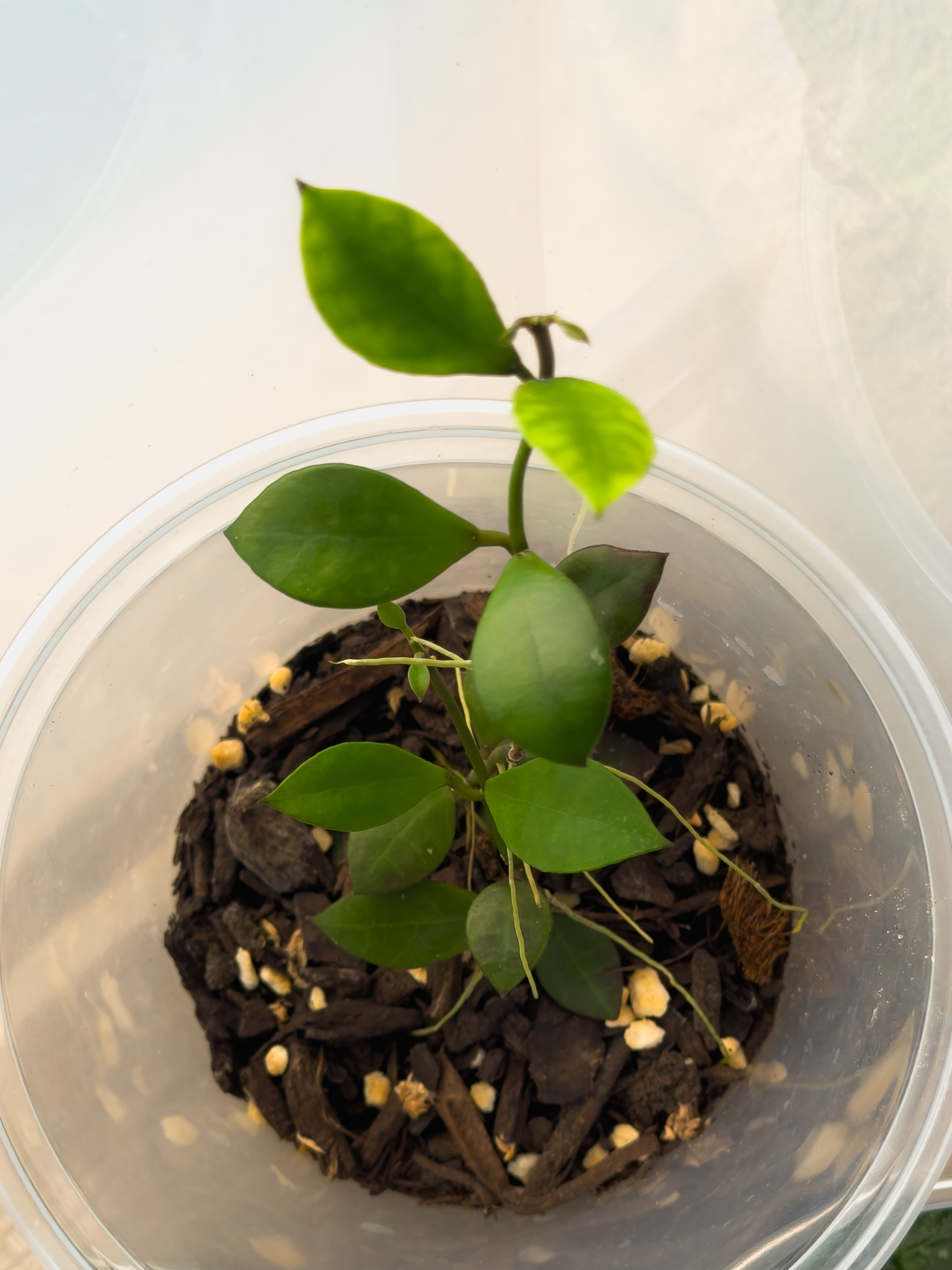
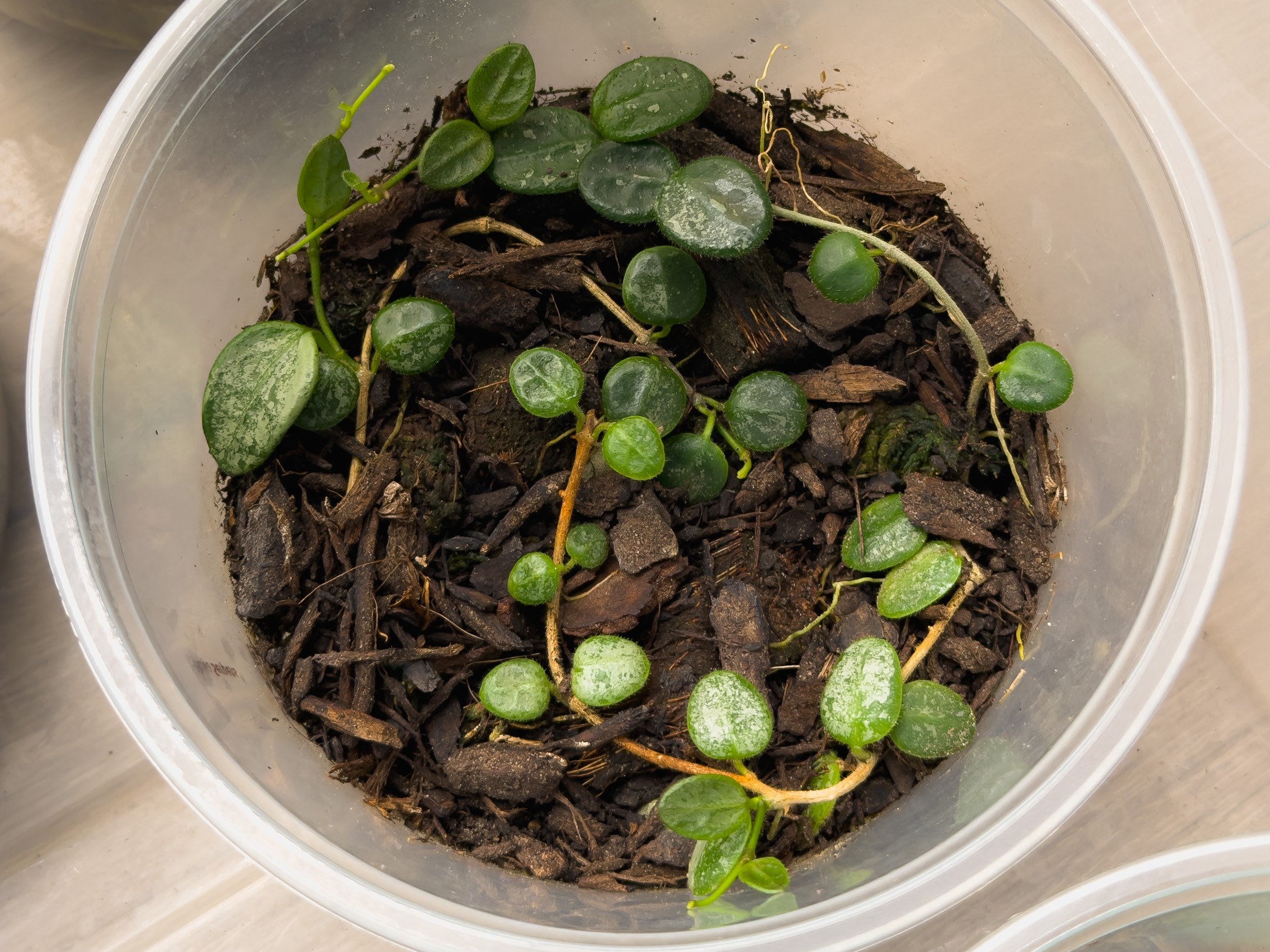
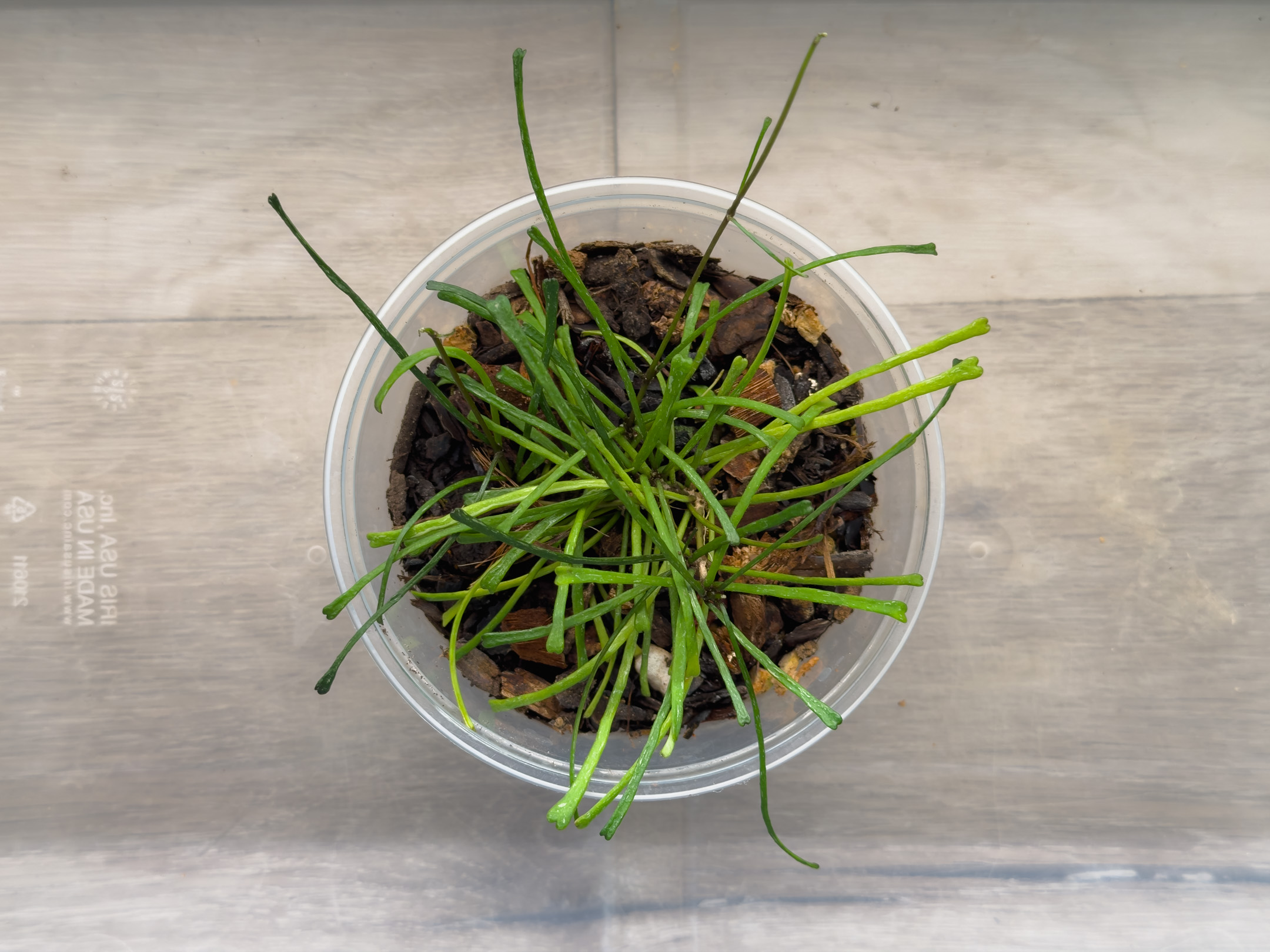
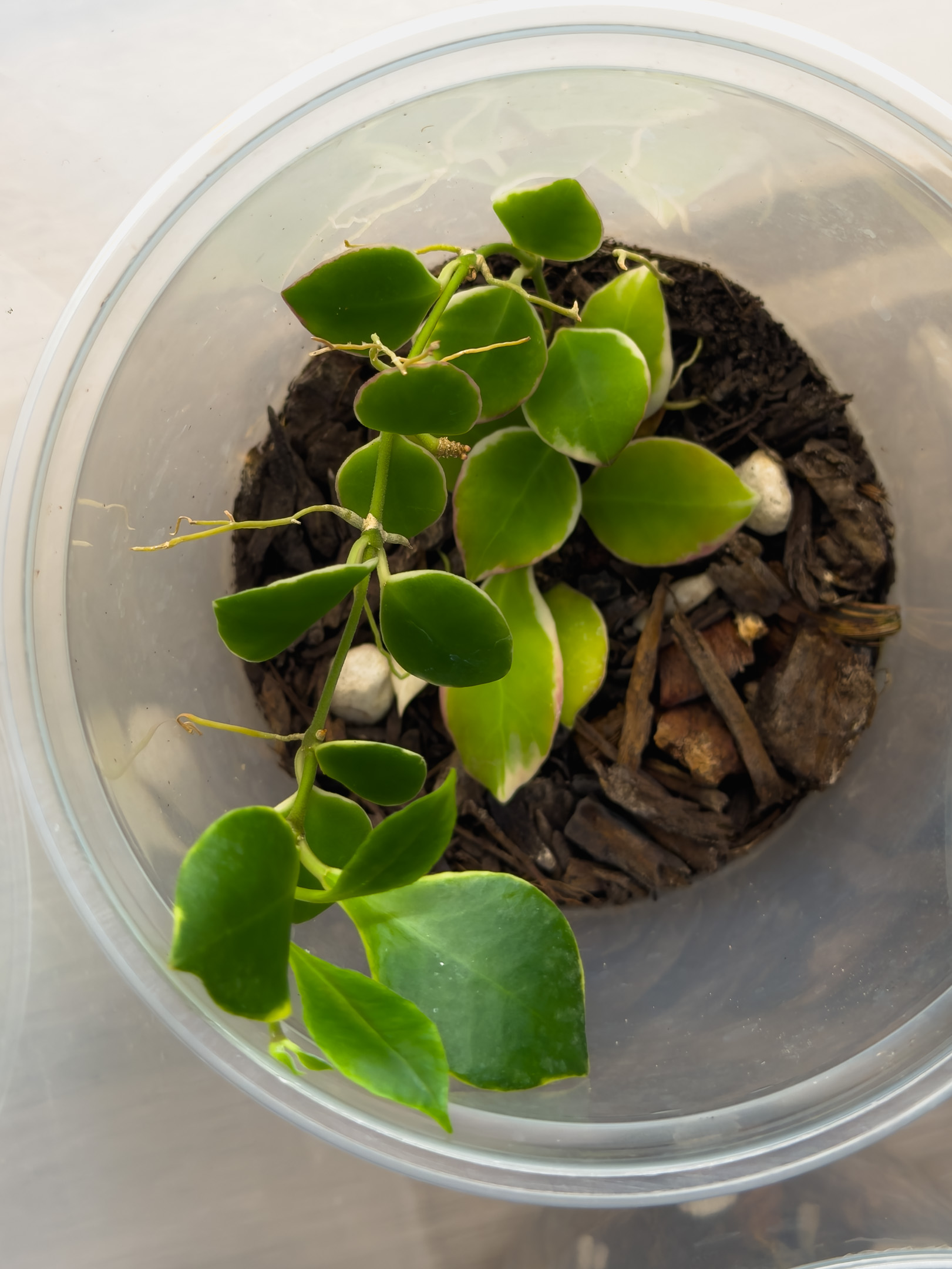
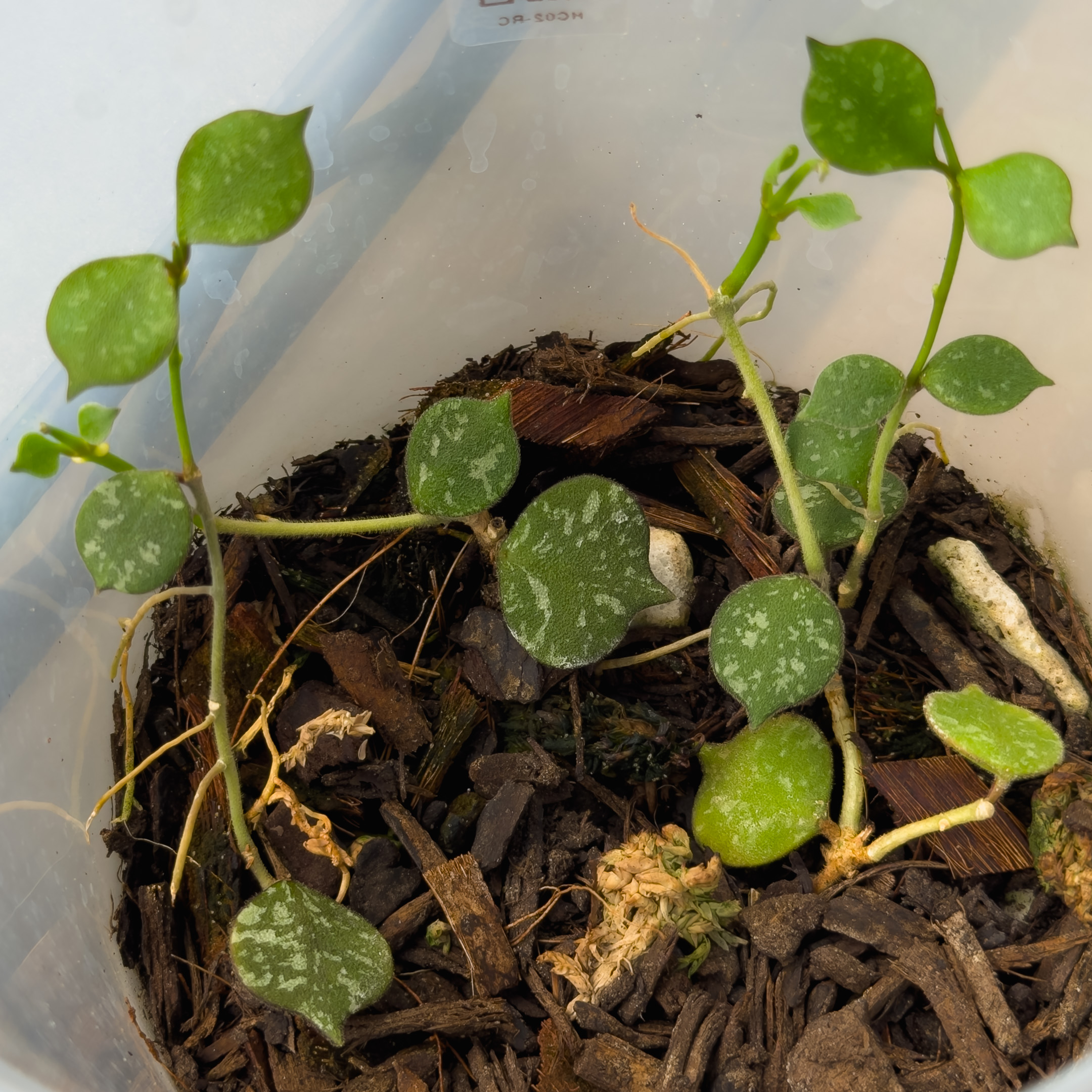
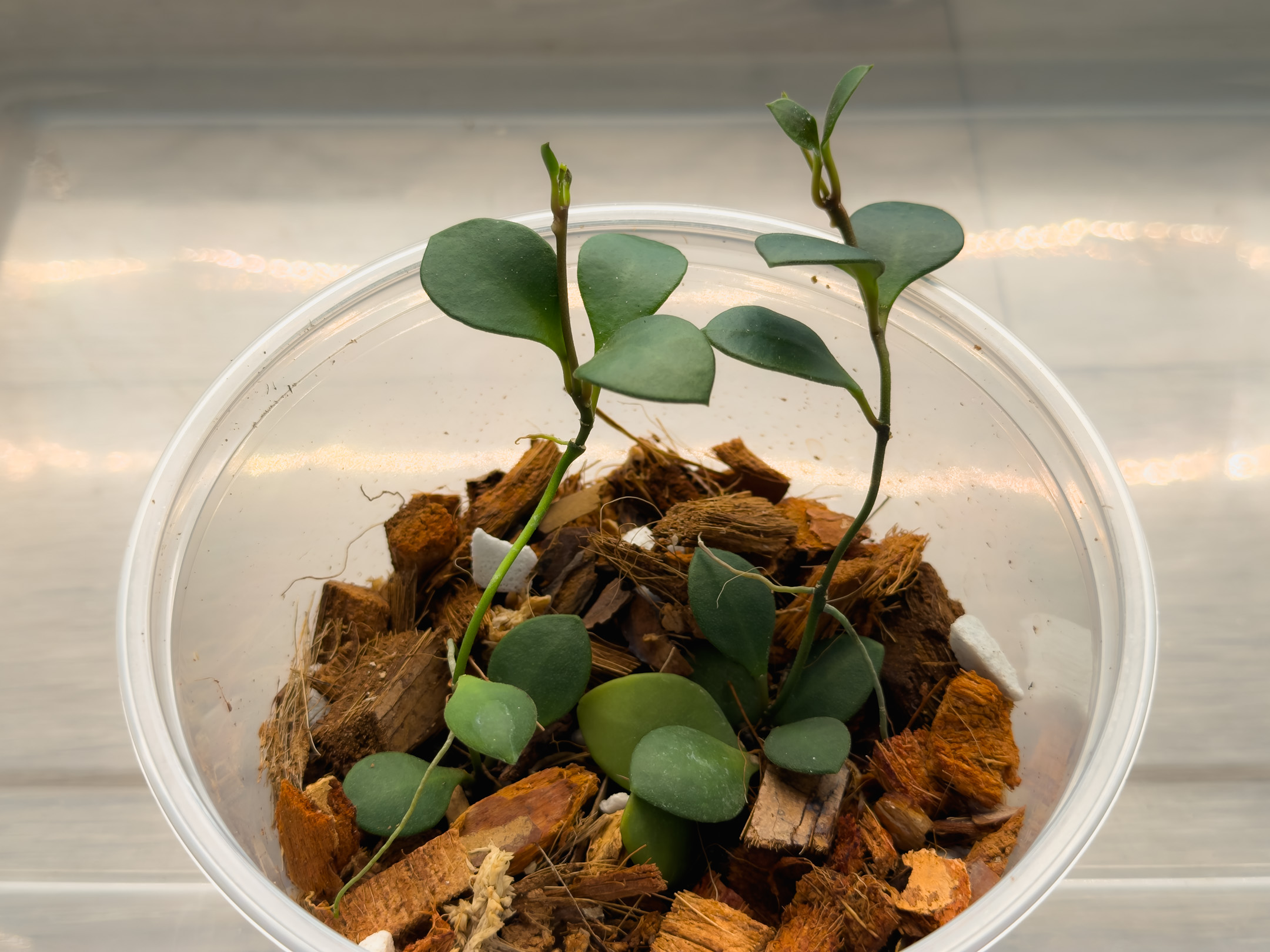
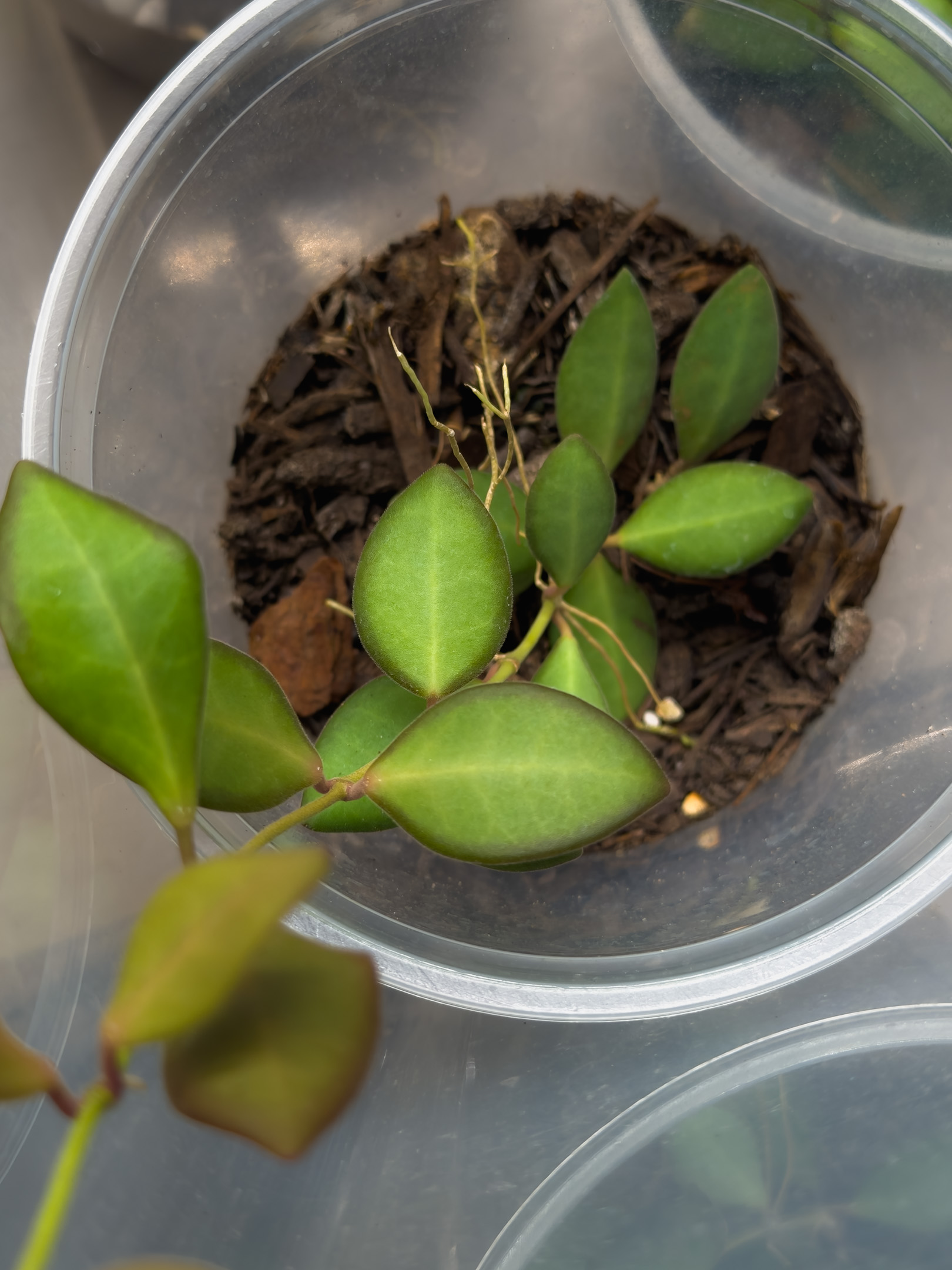
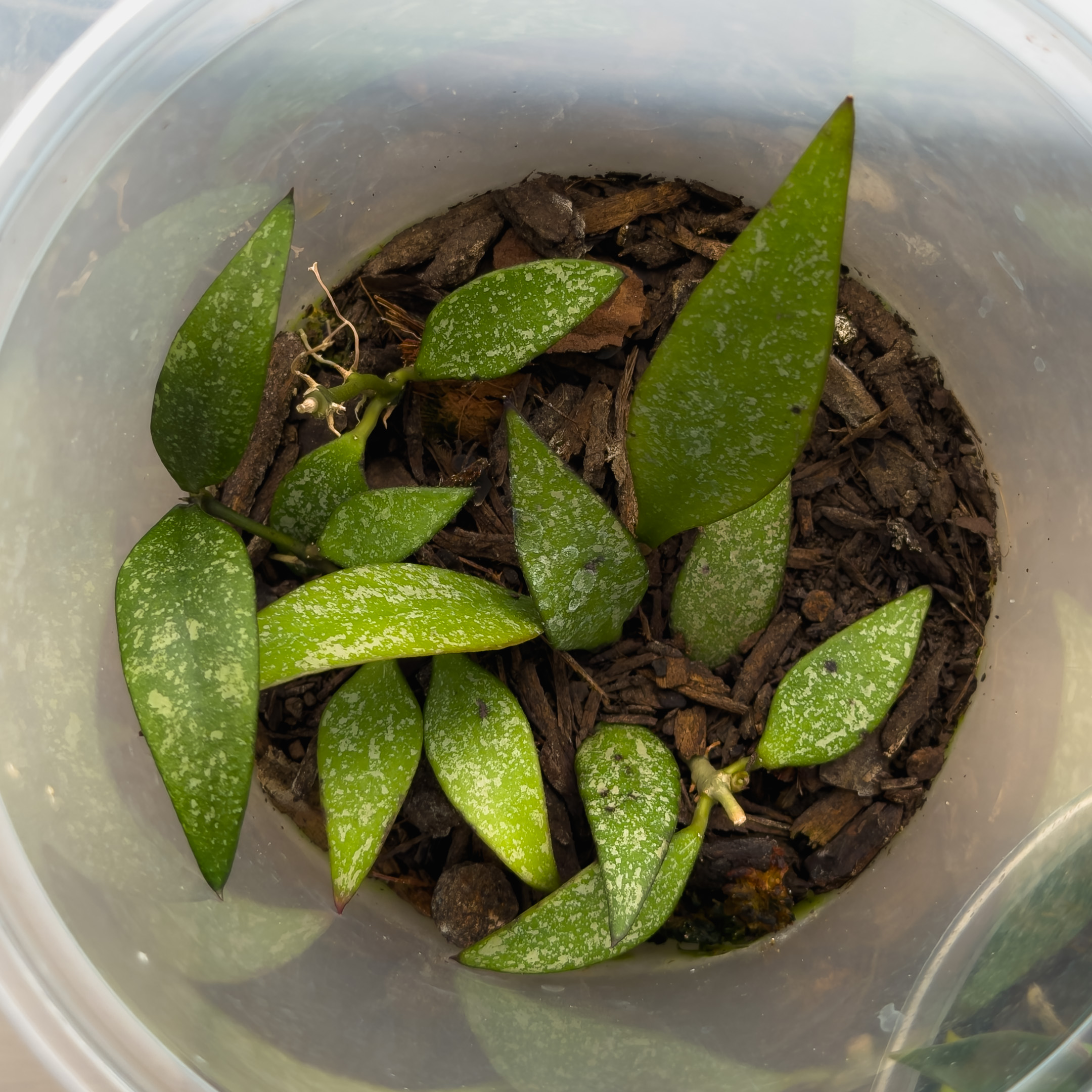
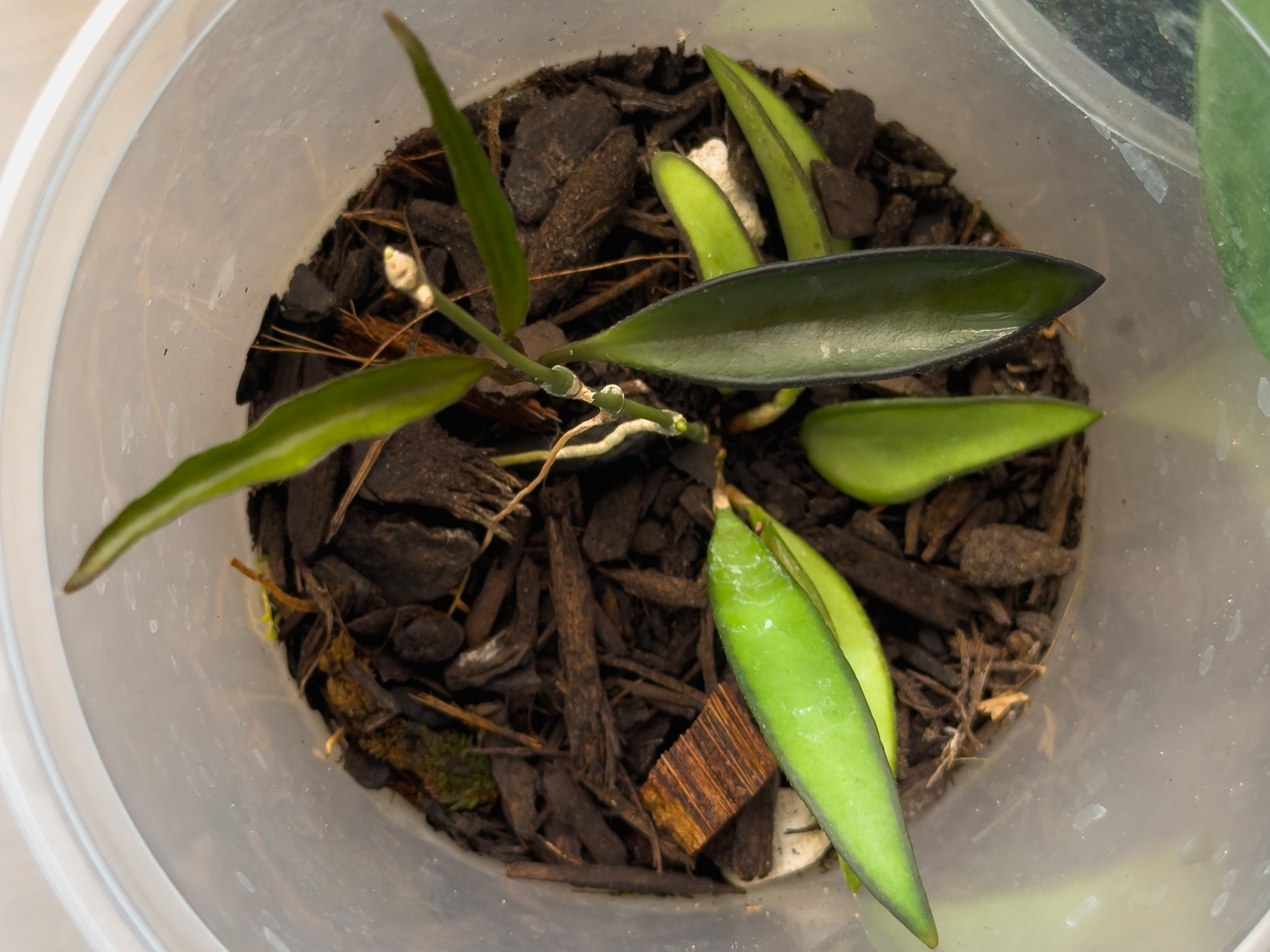
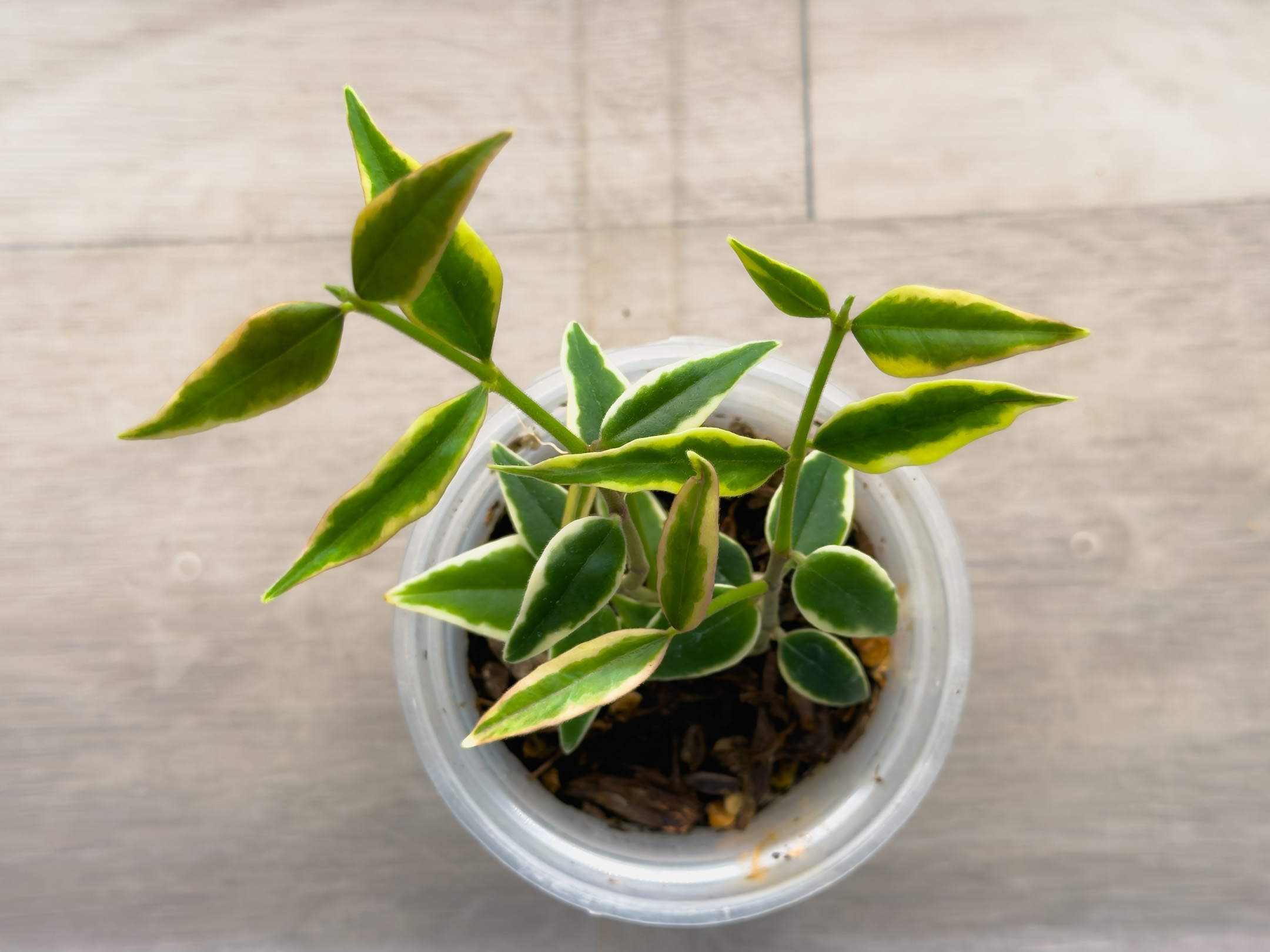
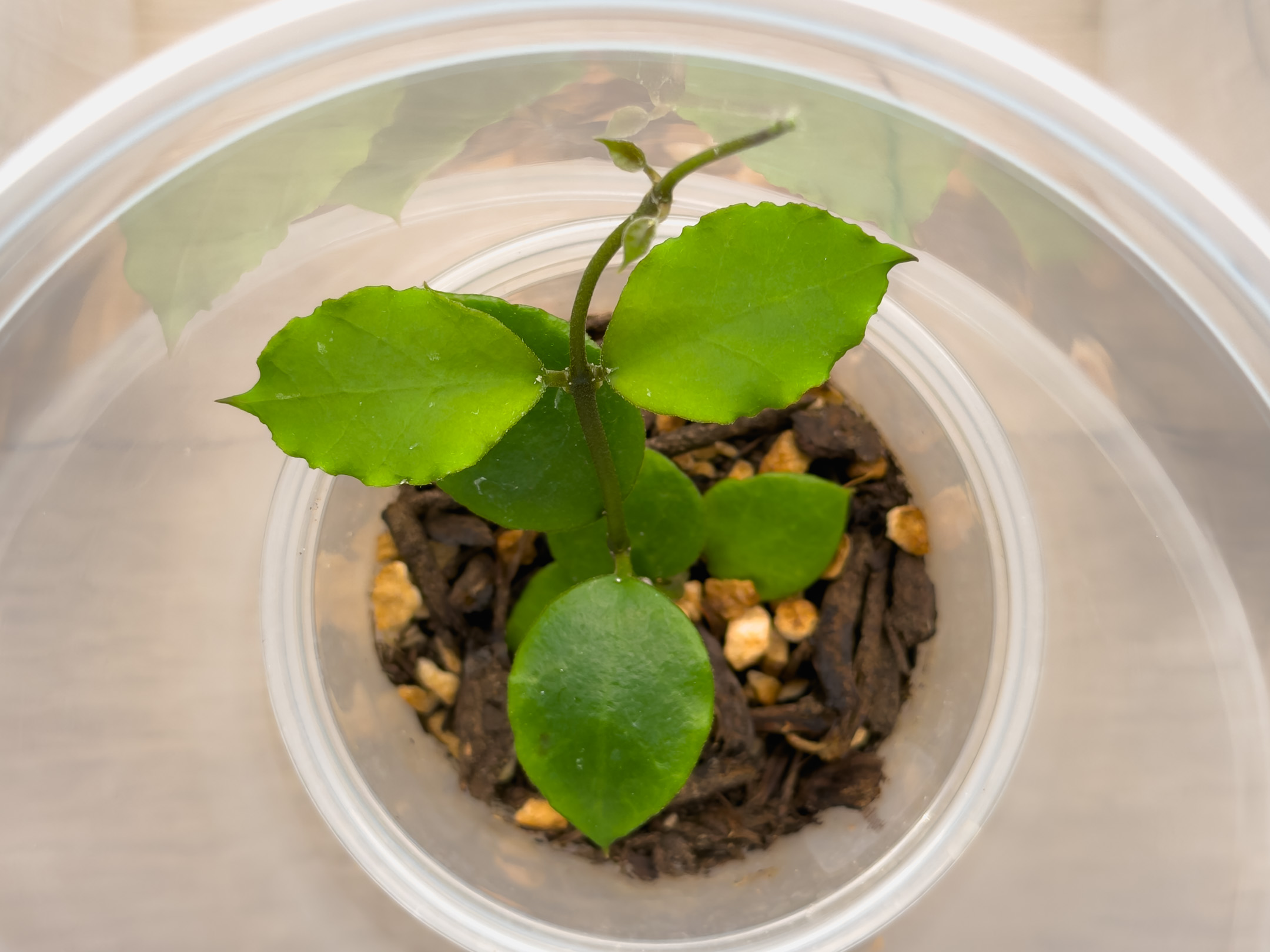
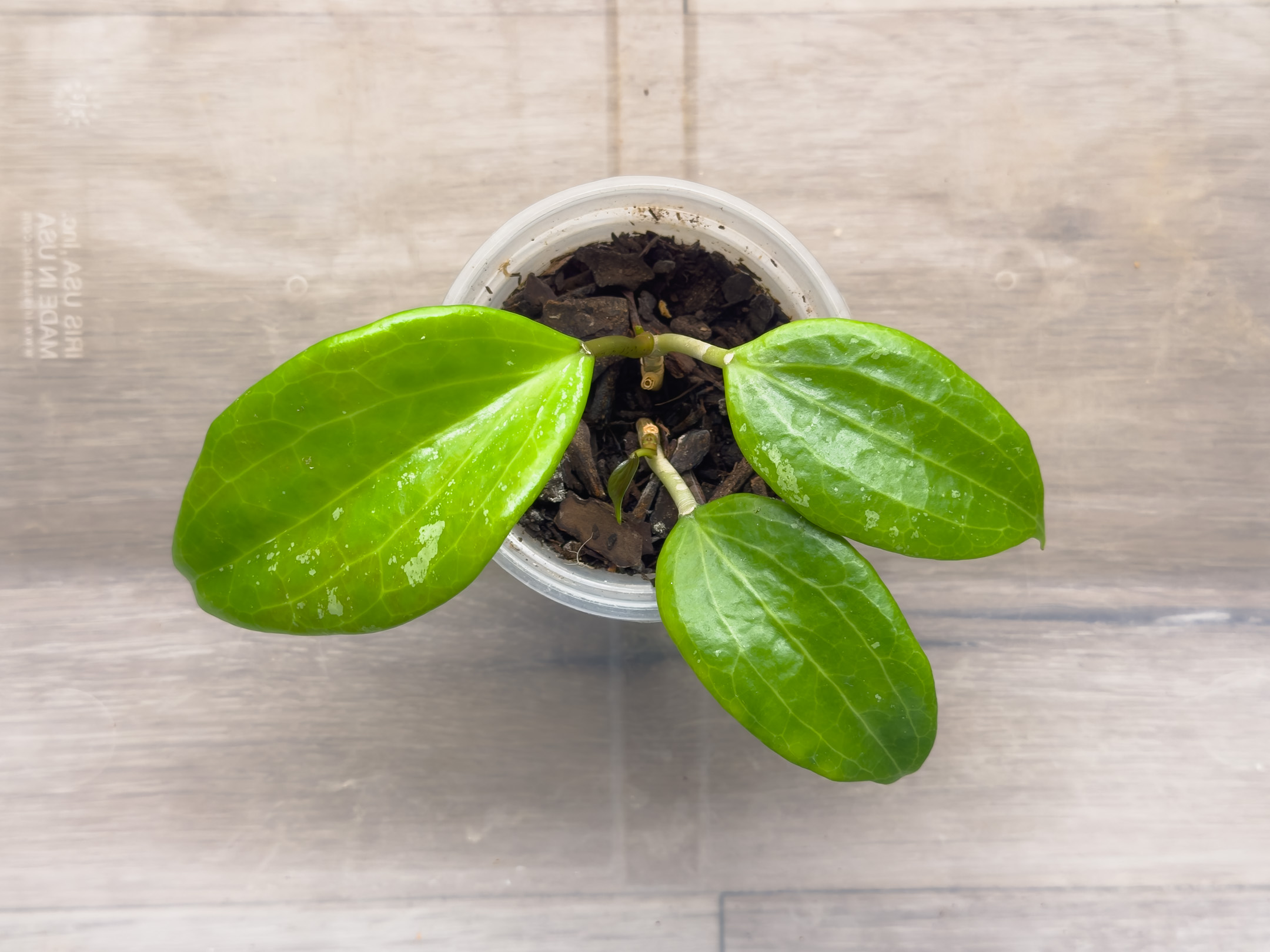
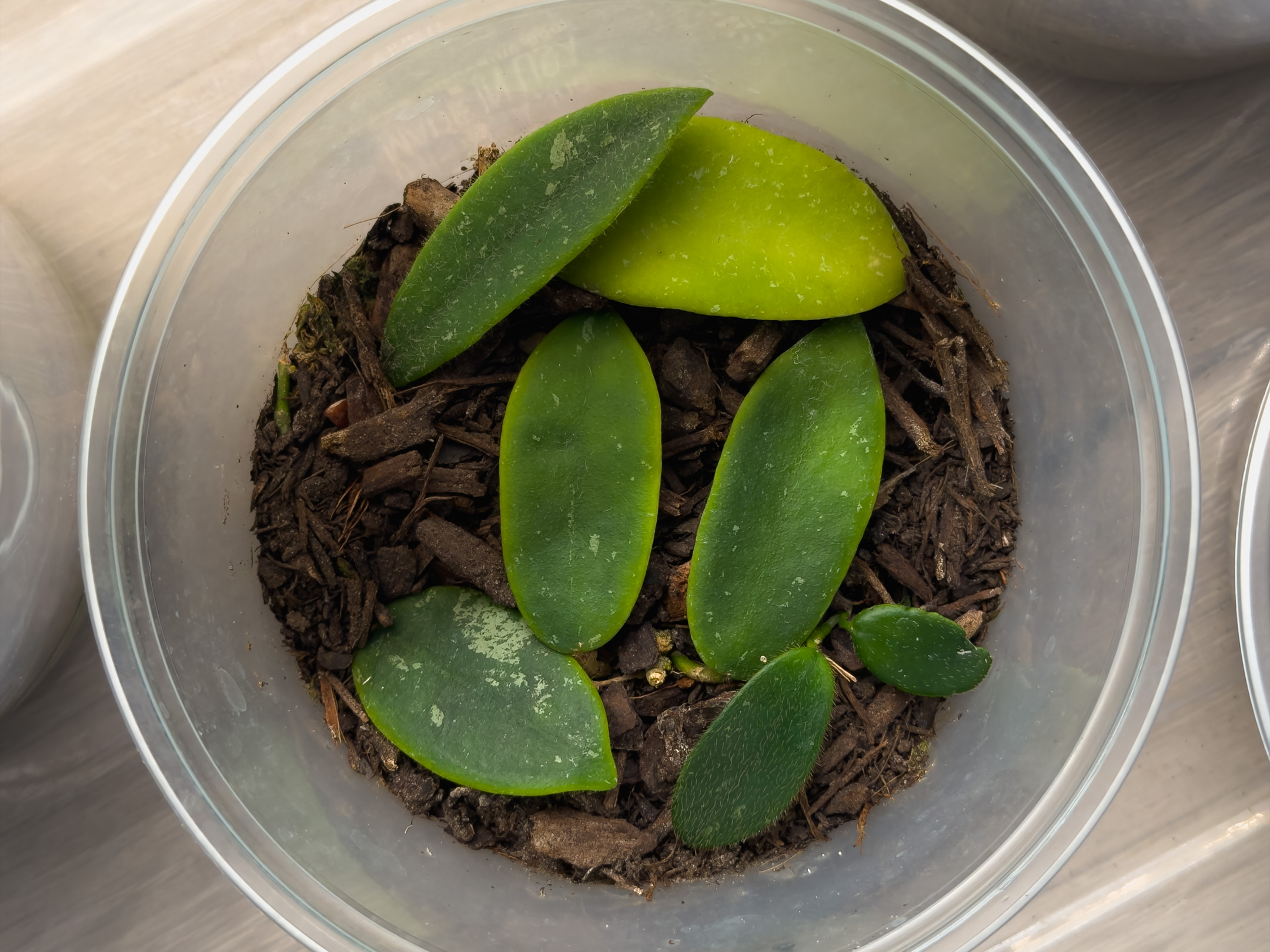
A Fresh Cutting is unrooted propagation material. It is a piece of a plant offered before a functional root system has been established.
That makes it different from a Rooted Cutting, which has already formed roots. Fresh Cuttings are currently part of Flora Cantina’s direct-sale availability during development, but they are not one of the formal Flora Cantina Plant States. They are best suited to someone comfortable rooting and establishing a cutting themselves.
While Flora Cantina is still in development, the website works primarily as a visual catalog and availability reference rather than the main checkout system.
On a cultivar page, the Availability section shows the plant forms, quantities, and prices currently being offered. For now, most plant sales happen through direct contact, networking, and Facebook Marketplace. The website lets you browse the collection first and see what is actually available before reaching out.
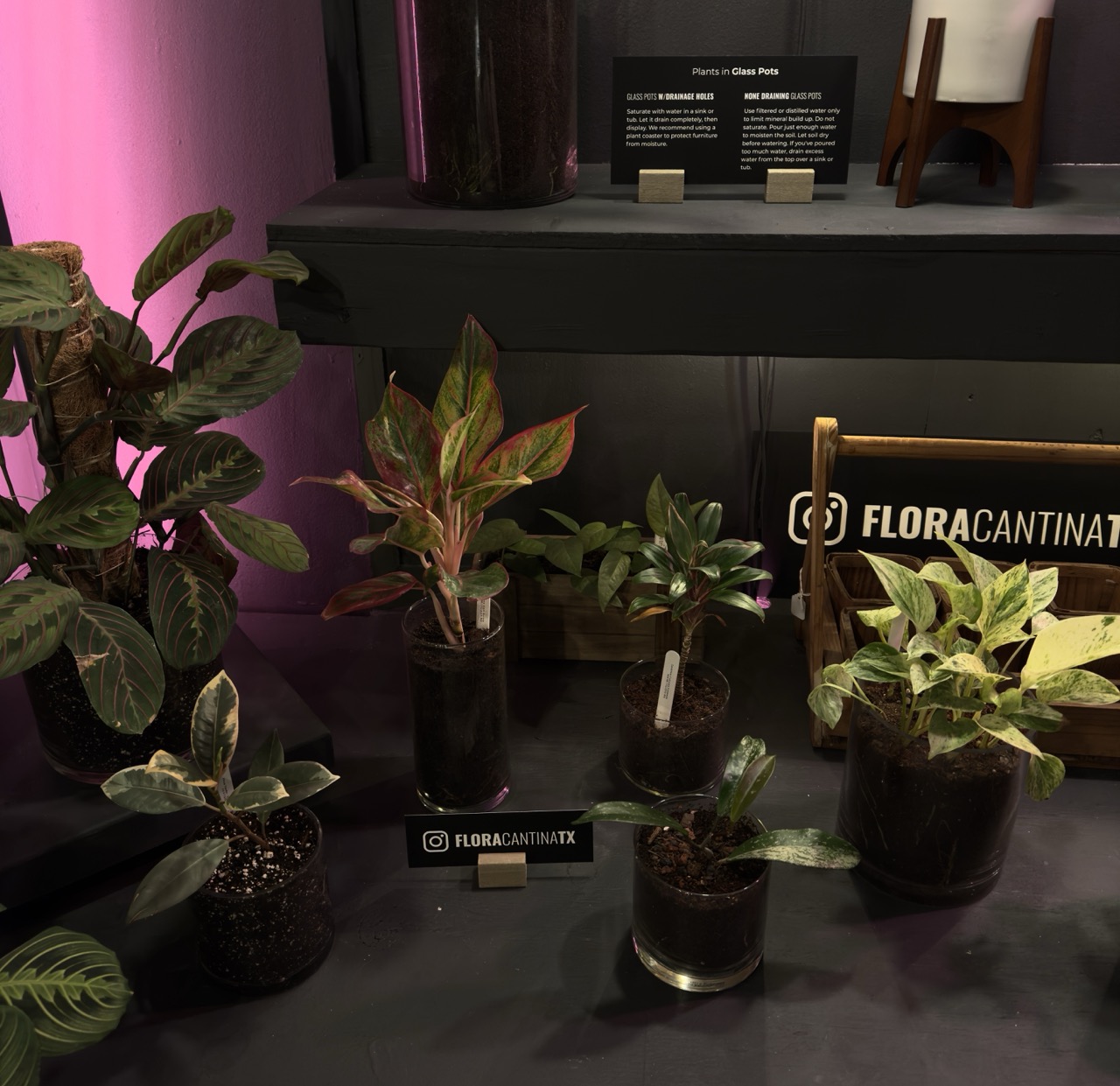
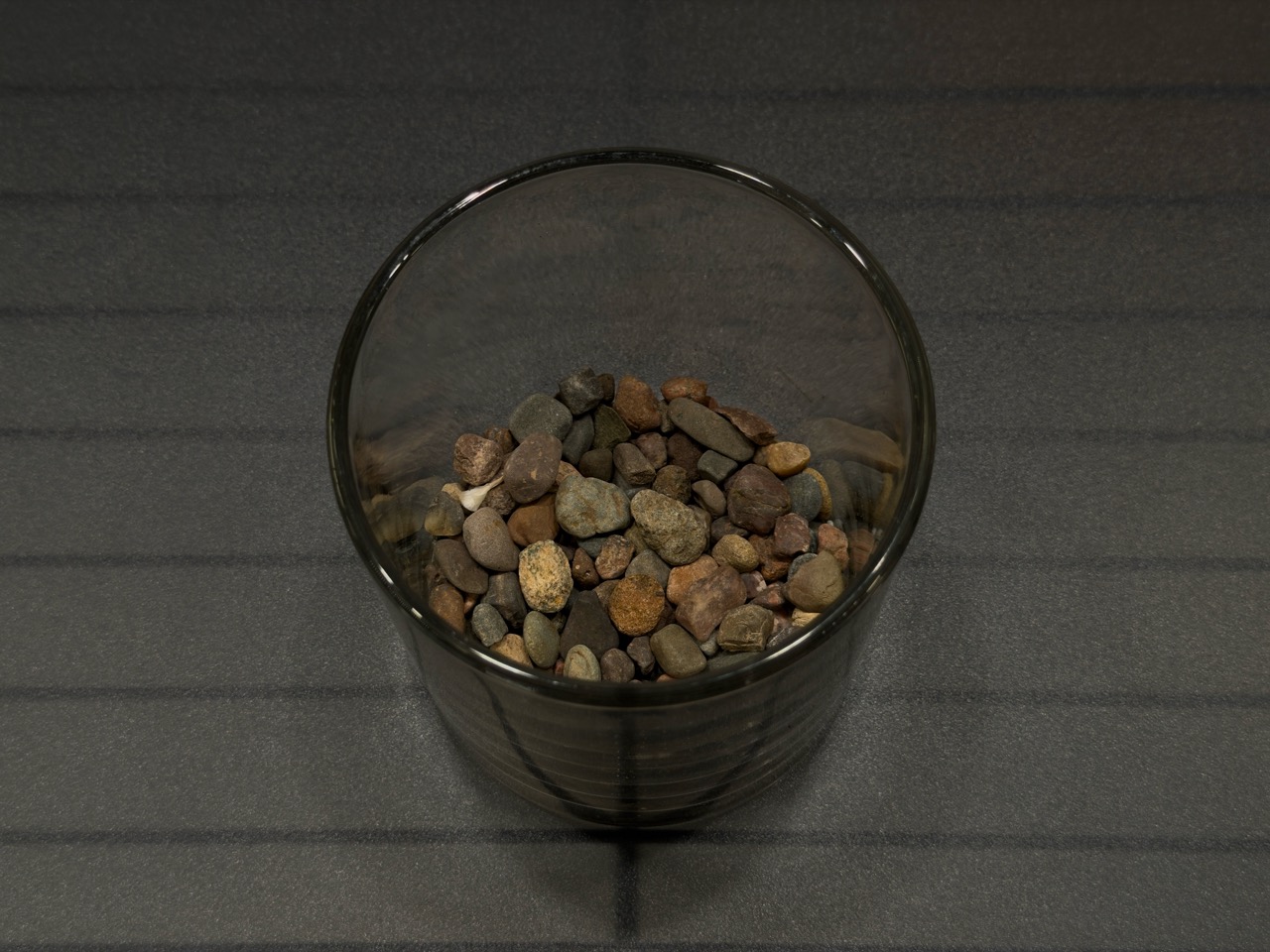
A Glass Pot is a glass vessel with drainage. A Glass Vessel has no drainage. Those terms describe the physical vessel architecture.
A Growth System is the complete growing architecture built around that vessel: the compatible substrate formulation, water-management method, required hardware, plant compatibility, and maintenance logic working together.
So a glass container can be sold on its own without automatically being a complete Growth System.
They are two different ways to visually explore the collection.
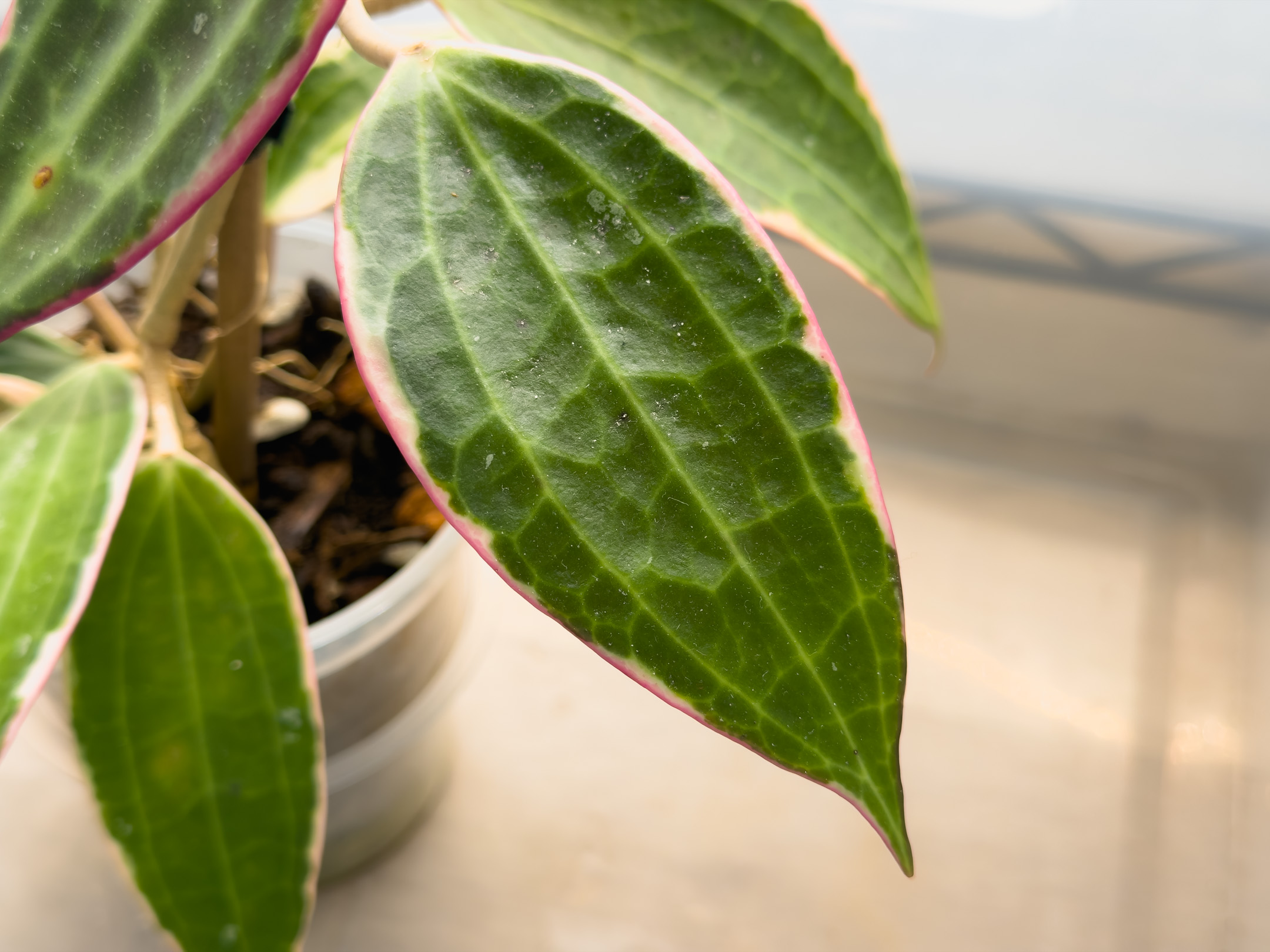
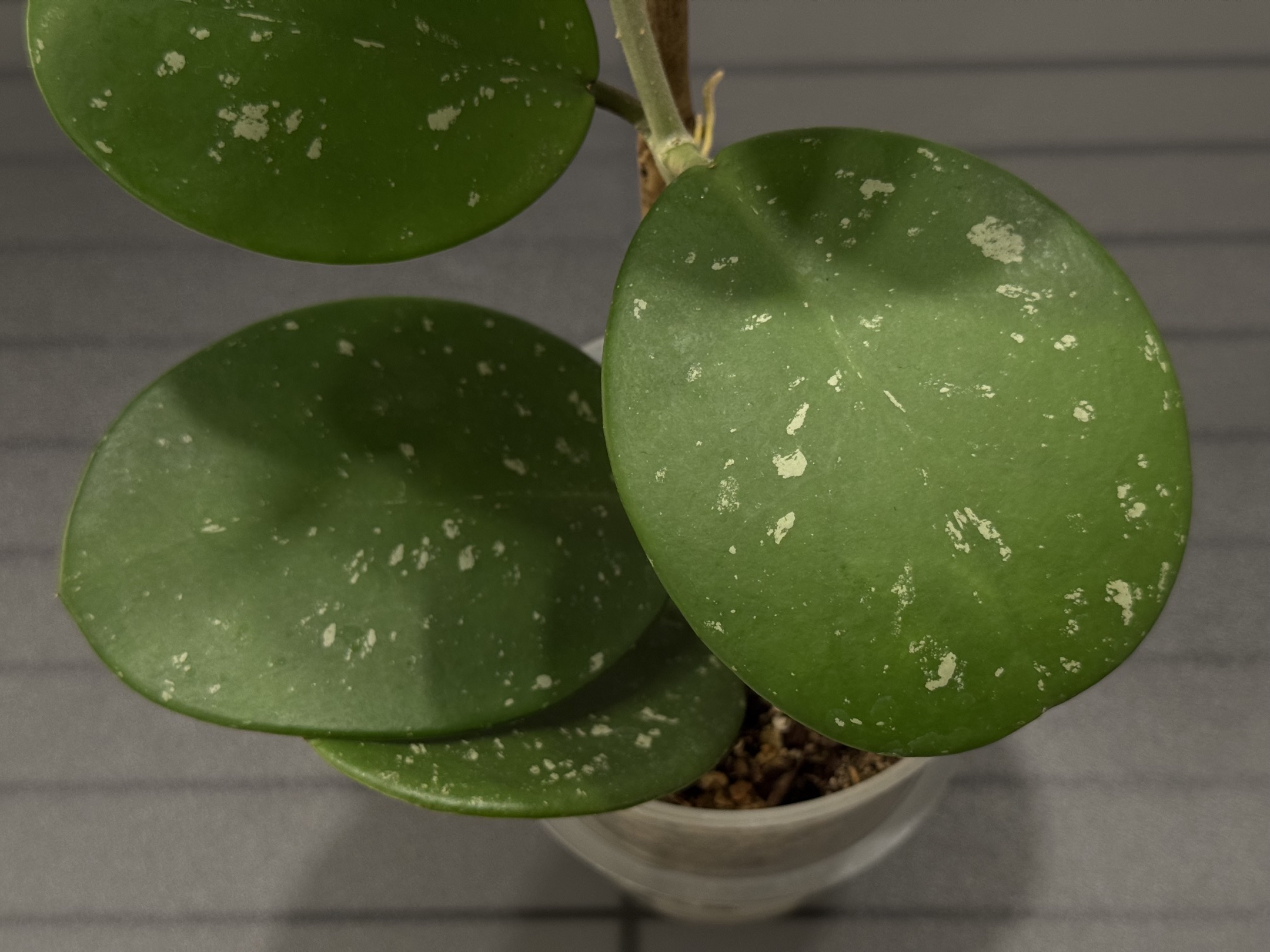
Colors describe the foliage palette—such as Dark Green, Silver, Cream, Pink, or Bronze.
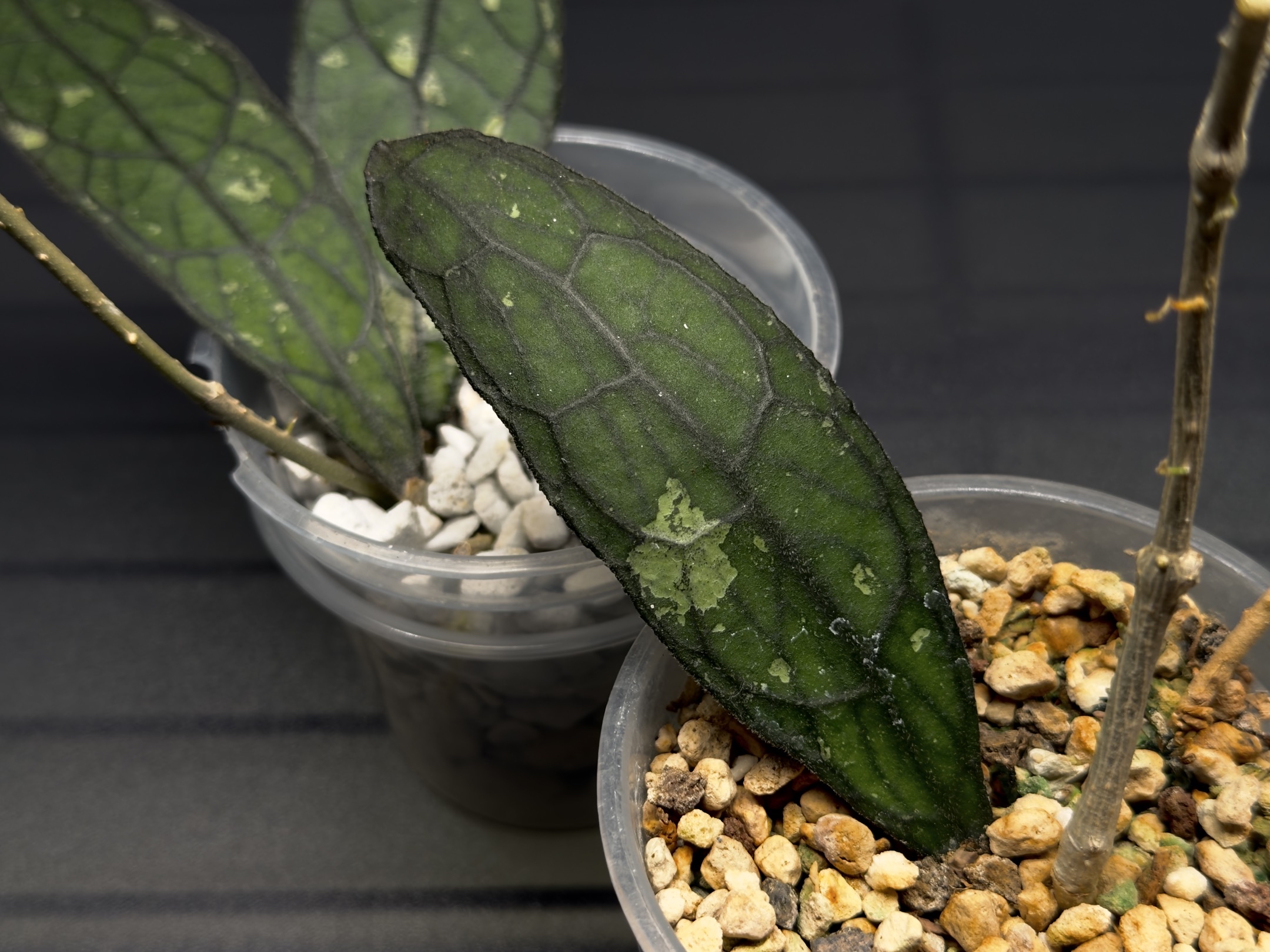
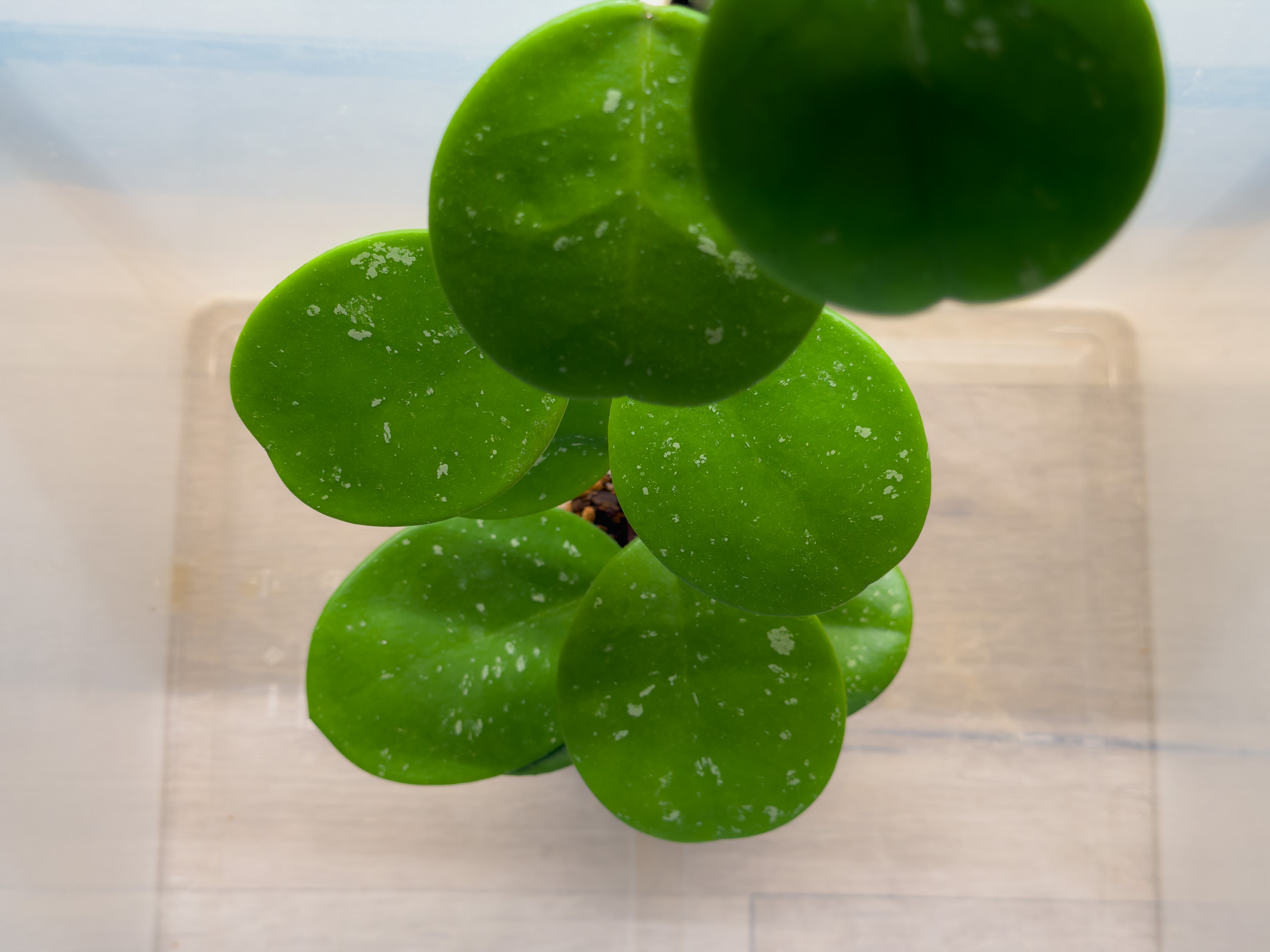
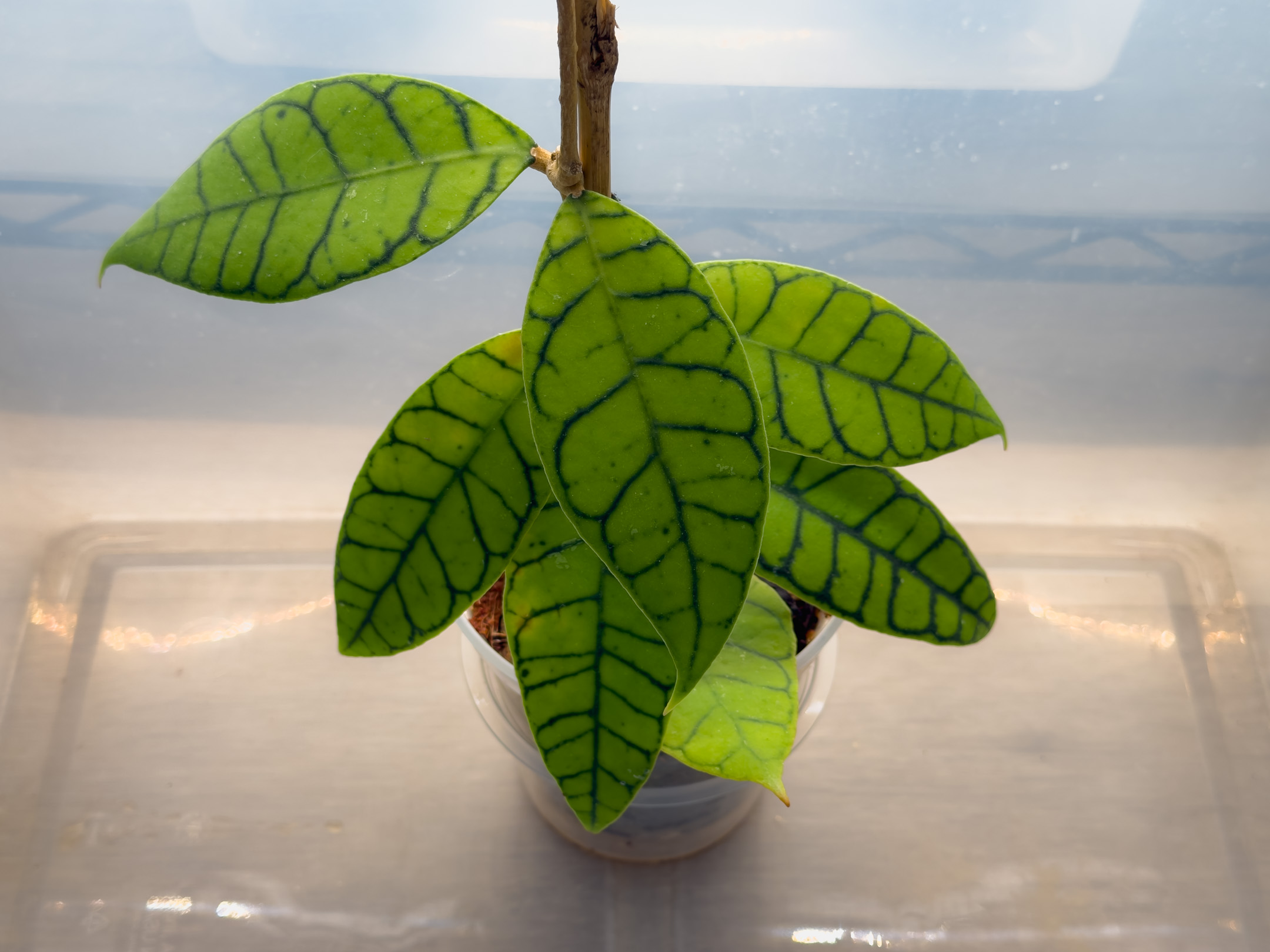
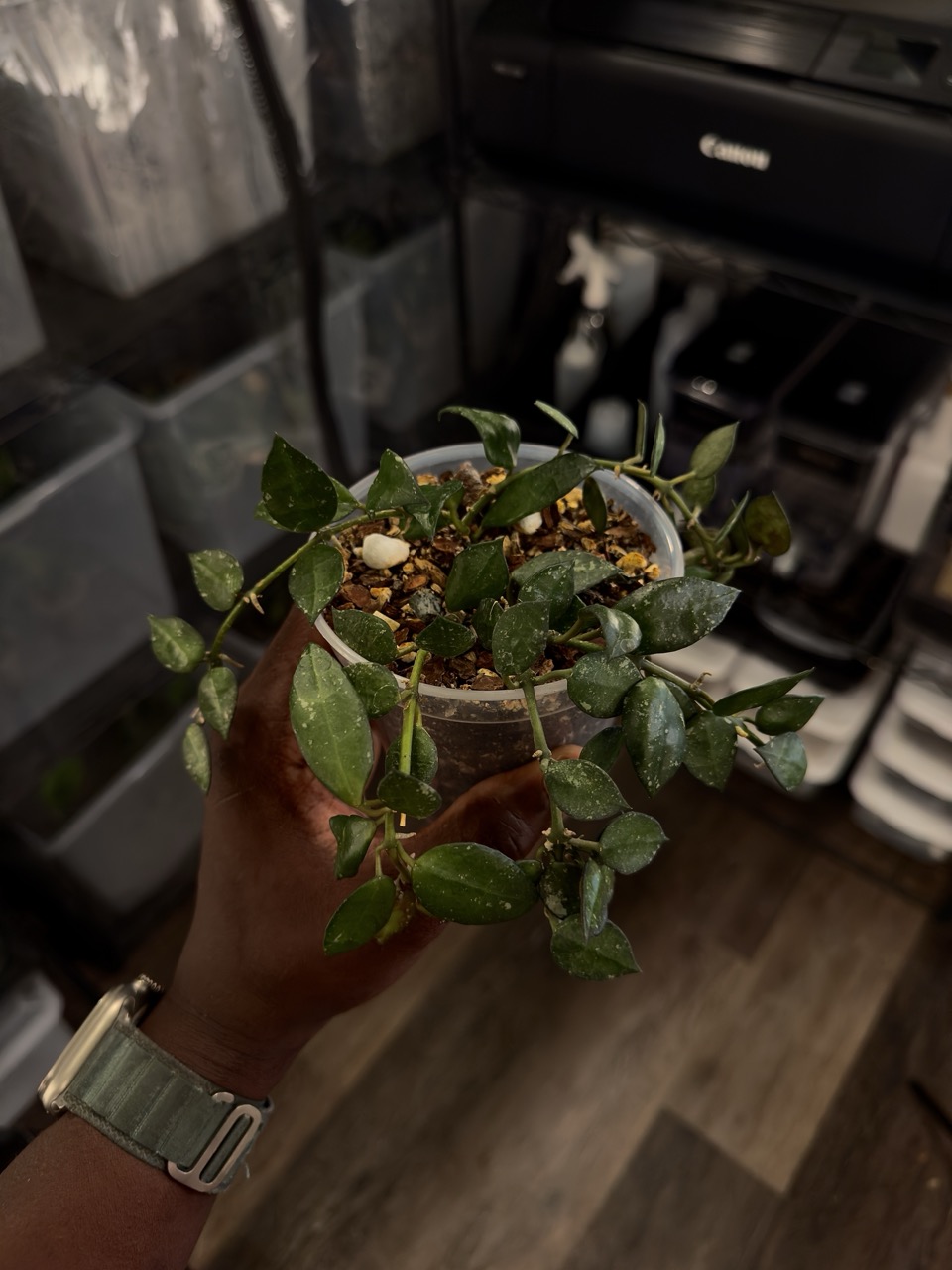
Descriptors describe visible foliage traits—such as Small Leaf, Corrugated, Splash, Prominent Venation, or Succulent Leaf.
A plant can belong to several of each. They are browsing tools, not promises that every leaf will look identical. Healthy foliage can still vary with age, light, season, and growing conditions.
Flora Cantina treats plant care as system design rather than a collection of isolated tips. We look at the plant, root environment, vessel architecture, substrate, water behavior, support hardware, and maintenance together.
The goal is clarity: understand what each part is doing, make compatible choices, and keep the system observable enough to learn from it over time.
For formal Plant Products, Flora Cantina uses the cultivar’s commercial price tier together with its Plant State to establish a suggested base price. The final Retail Price remains a deliberate product-level decision and may differ when the specific offering justifies it.
During the current development phase, direct-sale availability and pricing may also be shown on cultivar pages for plants or cuttings being offered outside the full ecommerce catalog.
Roots are where water, mineral uptake, anchorage, storage, oxygen balance, and many important biological interactions meet. They are also one of the clearest ways to see whether a growing system is behaving as intended.
Flora Cantina prioritizes root visibility when it is biologically compatible because visible roots make moisture behavior, root development, and changes in the root environment easier to observe. We still evaluate the whole plant—roots are not the entire plant—but they are a central part of how we design and teach growing systems.
Glass supports one of Flora Cantina’s main design priorities: making the root environment visible. It is durable, reusable, and lets you observe roots, moisture distribution, and substrate behavior without disturbing the plant.
Glass itself does not make a plant healthy. Drainage, reservoir behavior, substrate, aeration, hardware, compatibility, and maintenance still matter. Flora Cantina Growth Systems use glass as the primary vessel material, while functionally necessary secondary hardware may use other materials.
Flora Cantina’s formal replacement, return, and post-purchase support policy is still being finalized for broader commerce. This FAQ should remain unpublished until those terms are adopted and can be stated precisely.
The QR code connects the physical plant to its digital cultivar profile. That page can hold identification, system compatibility, visual traits, availability, related plants, and educational context without forcing all of that information onto a small physical label.
The label stays concise; the digital layer can evolve as Flora Cantina learns and updates its systems.
Yes, but understand that changing the substrate changes the root environment. Air space, water retention, capillary behavior, dry-down, and maintenance can all change with it.
If a plant is being used in an approved Flora Cantina Growth System, the recommendation applies to that complete system as defined. Replacing the formulation means you are creating a different setup, so observe and manage it accordingly.
Start with observation rather than immediate intervention.
- Inspect the foliage and root zone.
- Place the plant in appropriate, stable light.
- Keep its existing root environment stable unless there is a clear problem.
- Check moisture based on the system rather than watering by a fixed calendar.
- Avoid making several major changes at once.
The first few days are useful for learning how the plant and its current system behave in your space.
Not automatically. If the plant is stable in a functioning root environment, changing the vessel, substrate, watering behavior, and location at the same time can make it harder to tell what the plant is responding to.
First understand what the plant is currently growing in and whether there is an actual reason to change it. If you do repot or transition systems, make the change intentionally and monitor the roots and moisture behavior afterward.
Some are more forgiving than others, but we avoid treating plants as simply “easy” or “hard.” A plant can perform well when its biology, root environment, watering behavior, and maintenance expectations fit the grower.
If you are newer to plant care, choose a cultivar and Growth System with a maintenance rhythm you can realistically support, and change one part of the system at a time rather than several things at once.
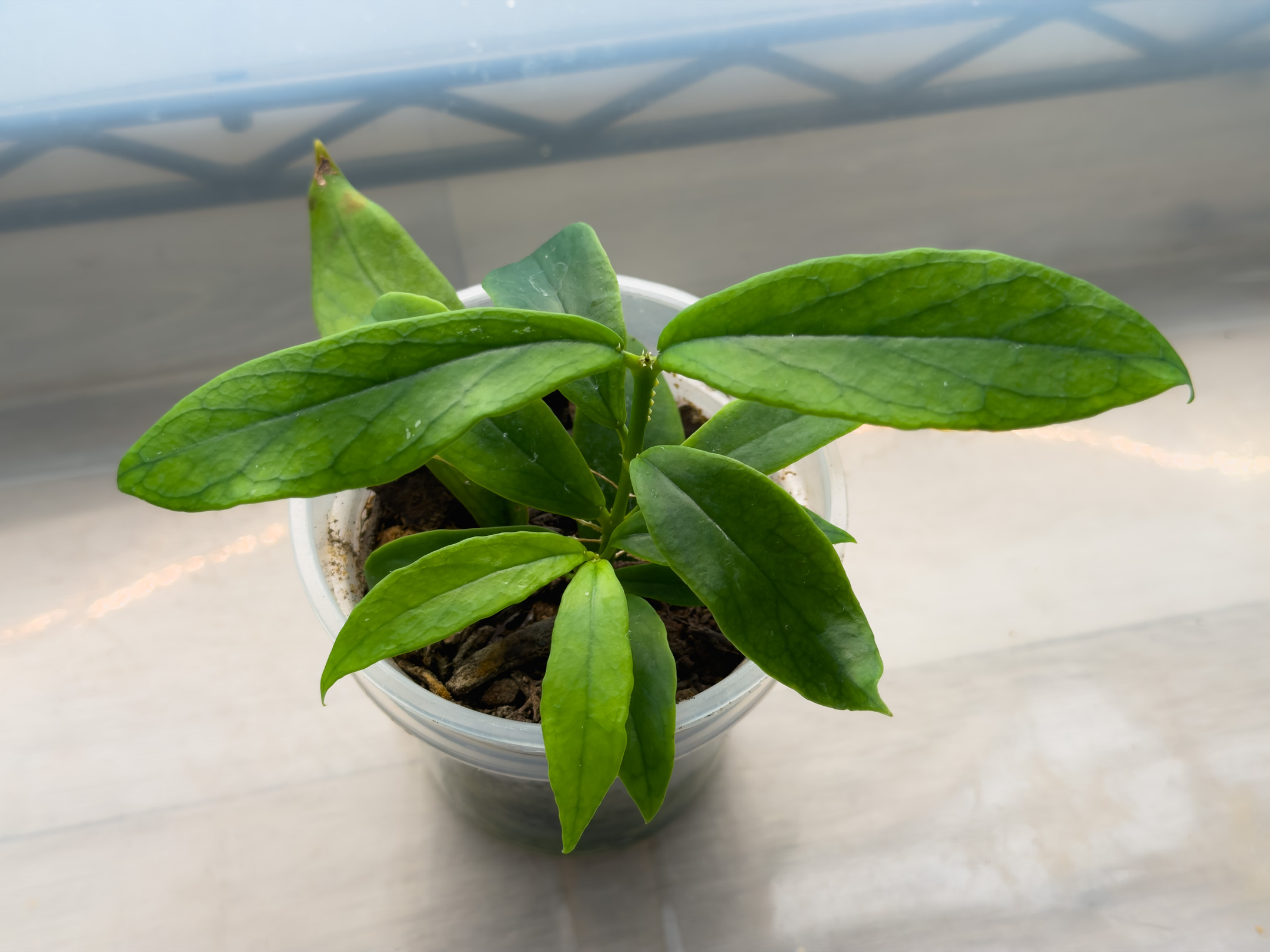
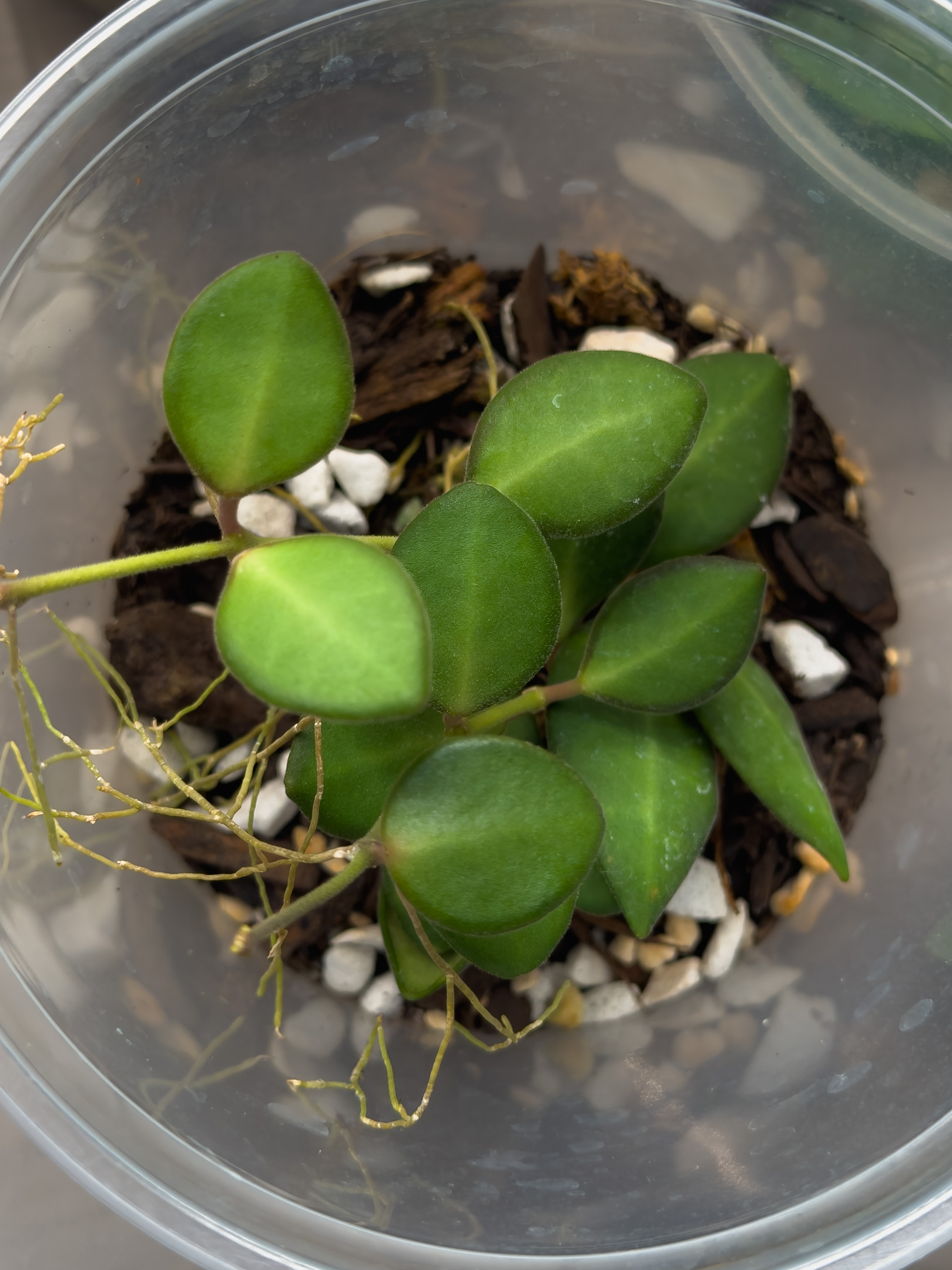
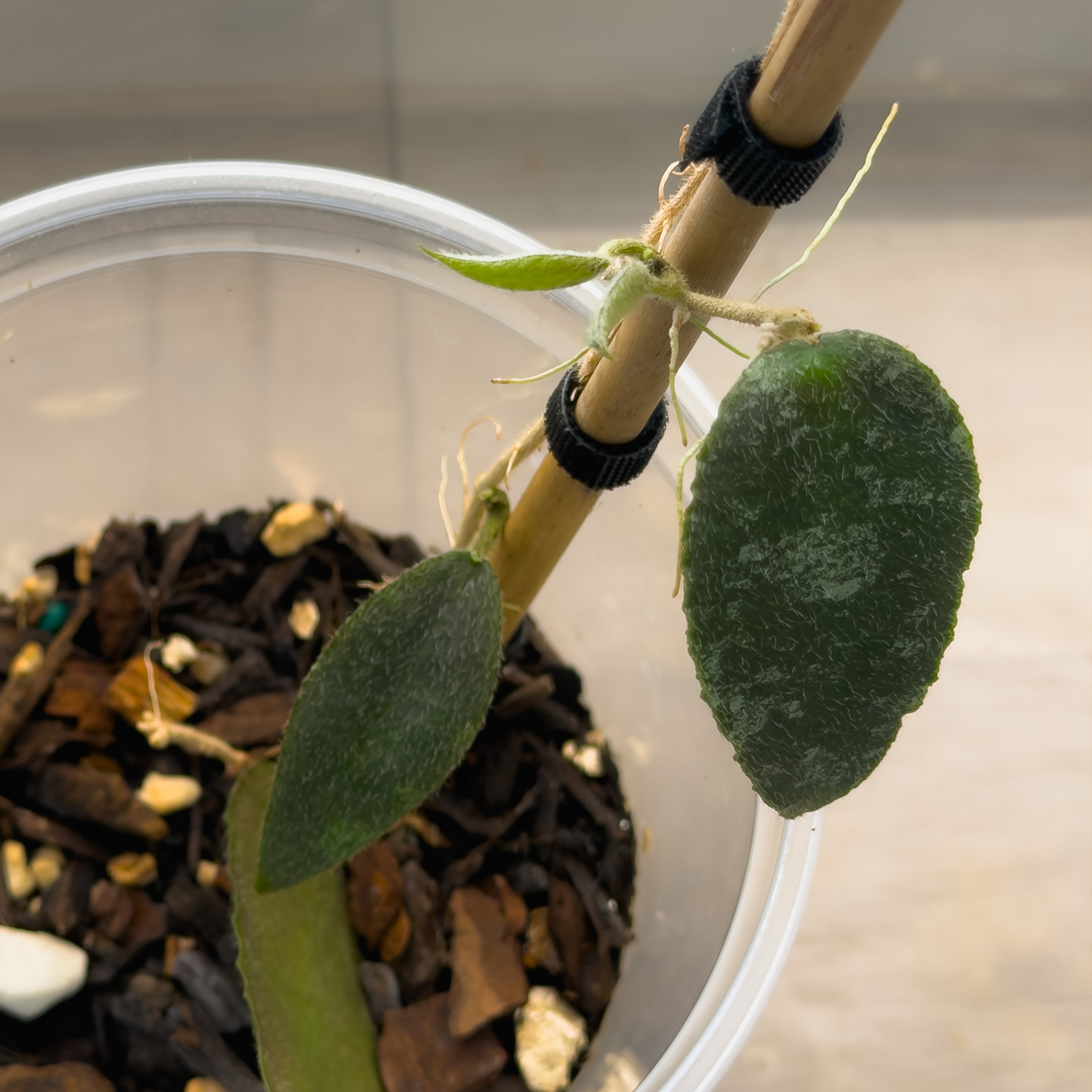
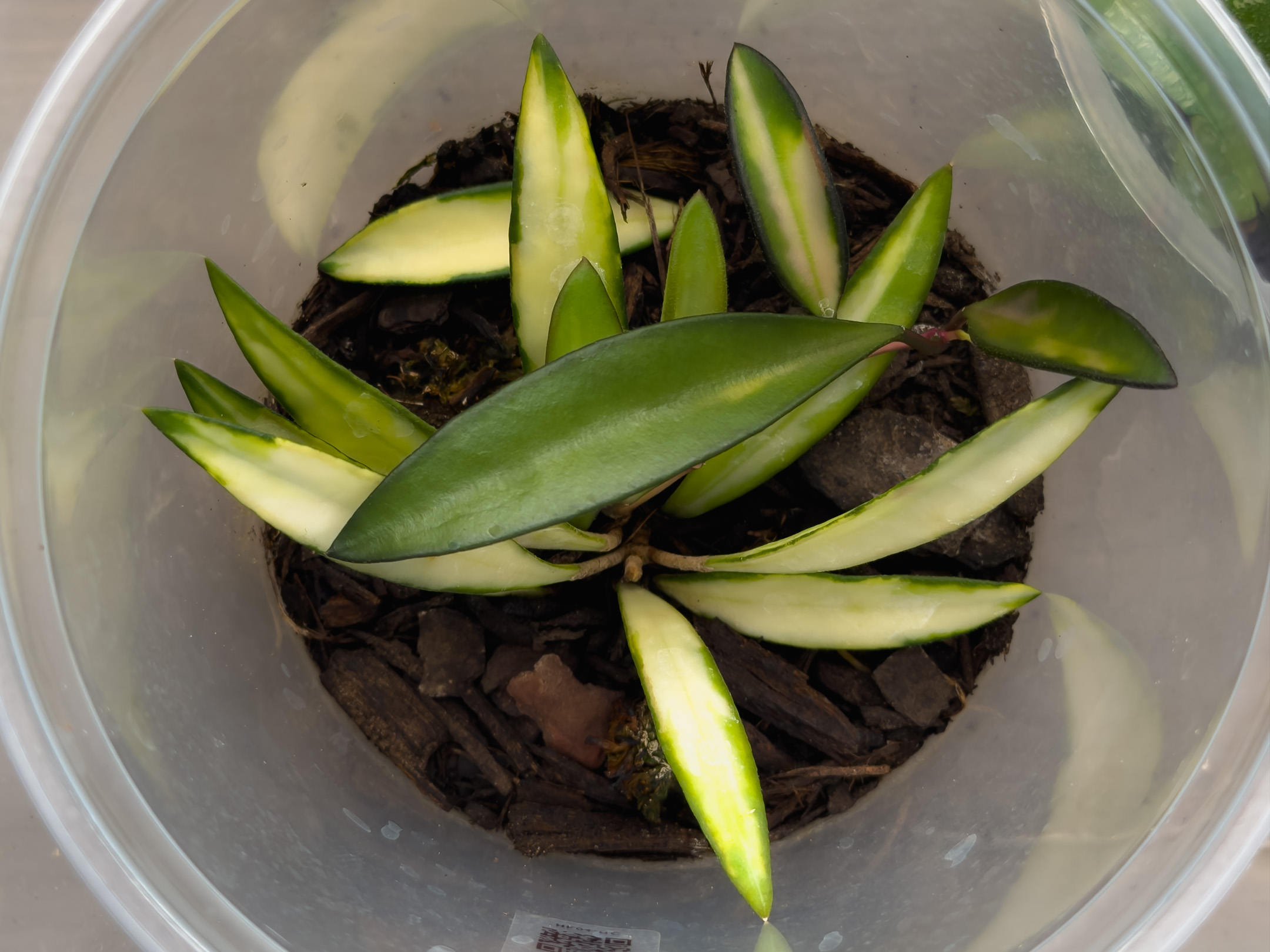
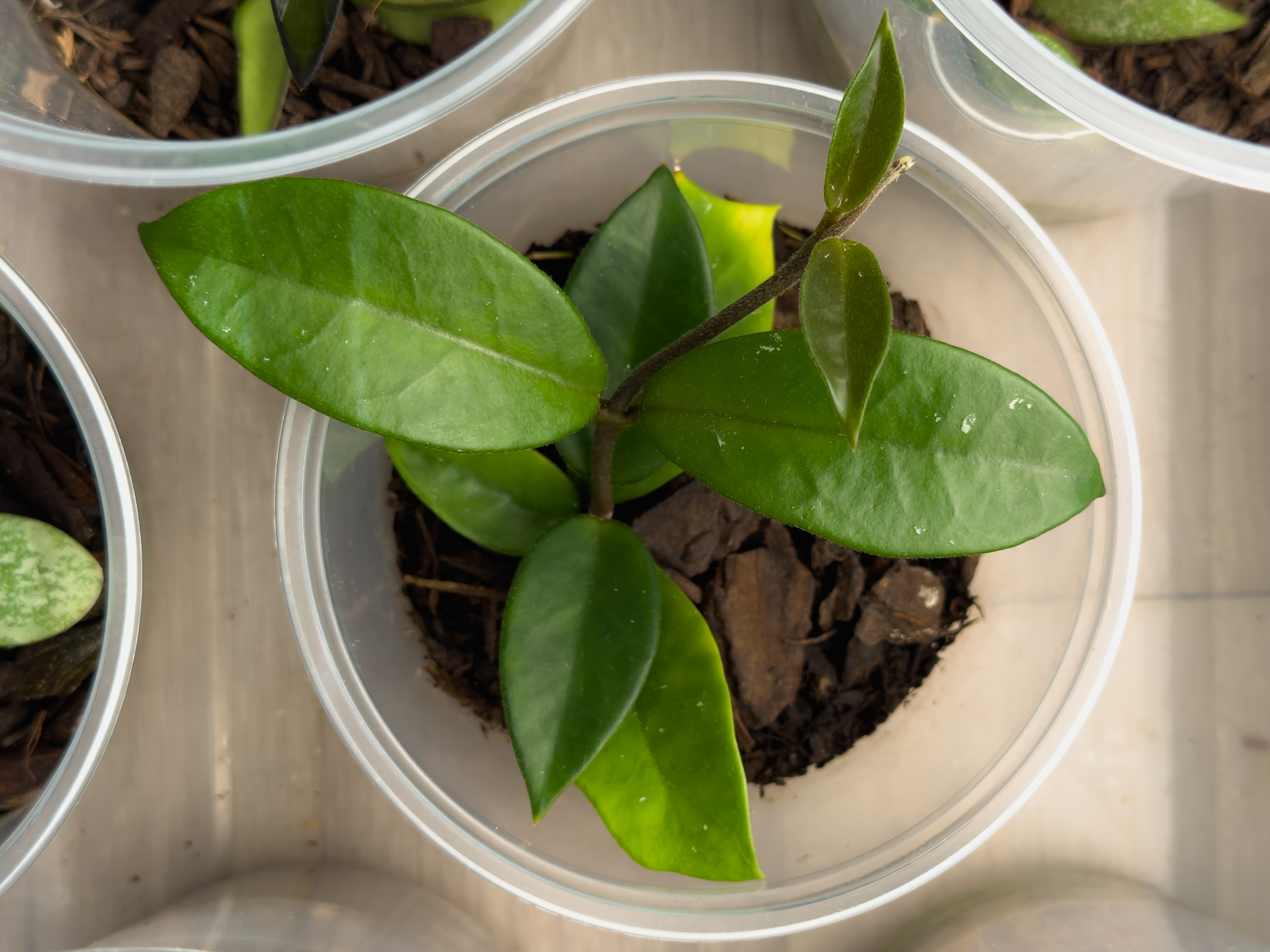
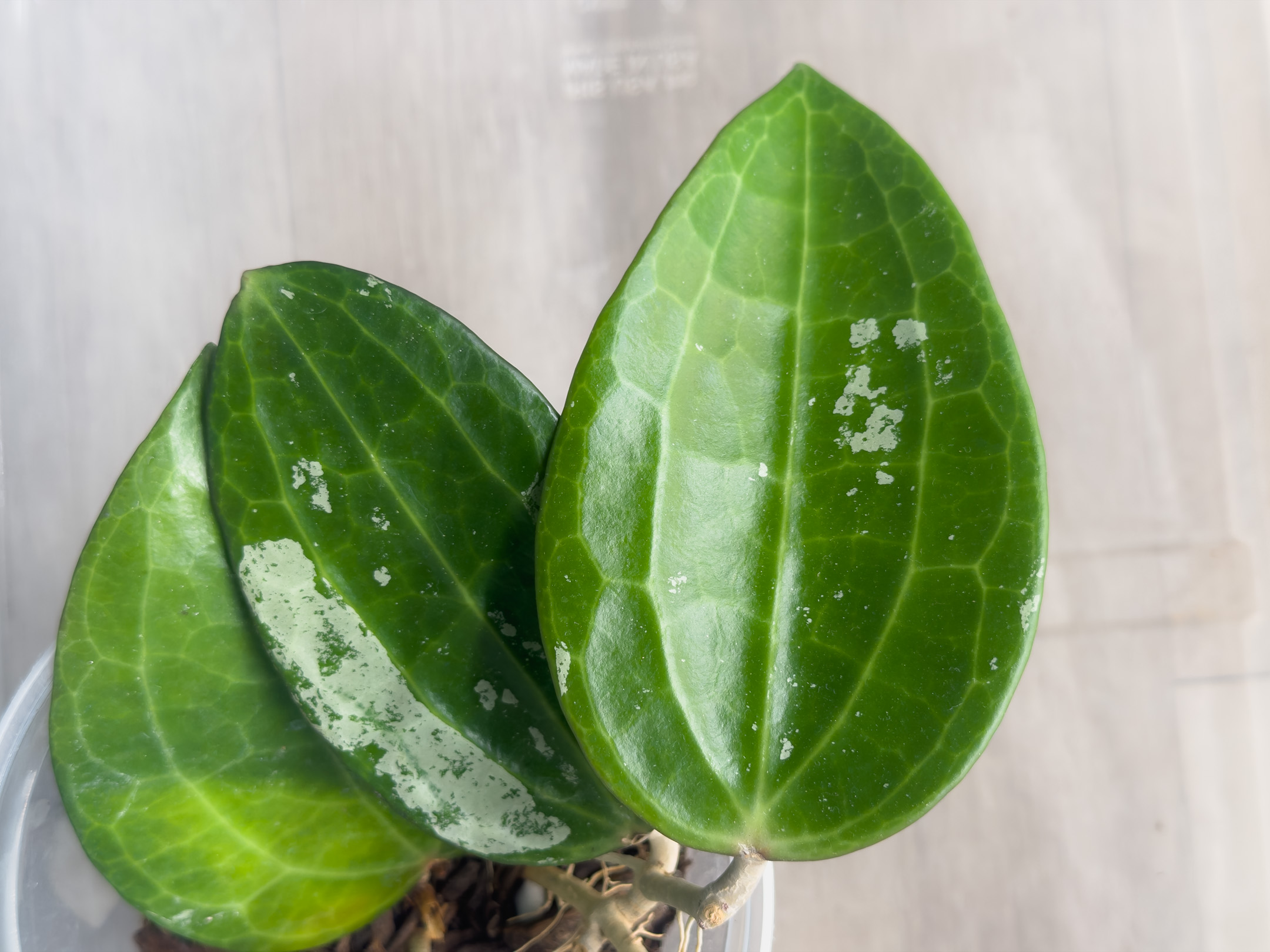
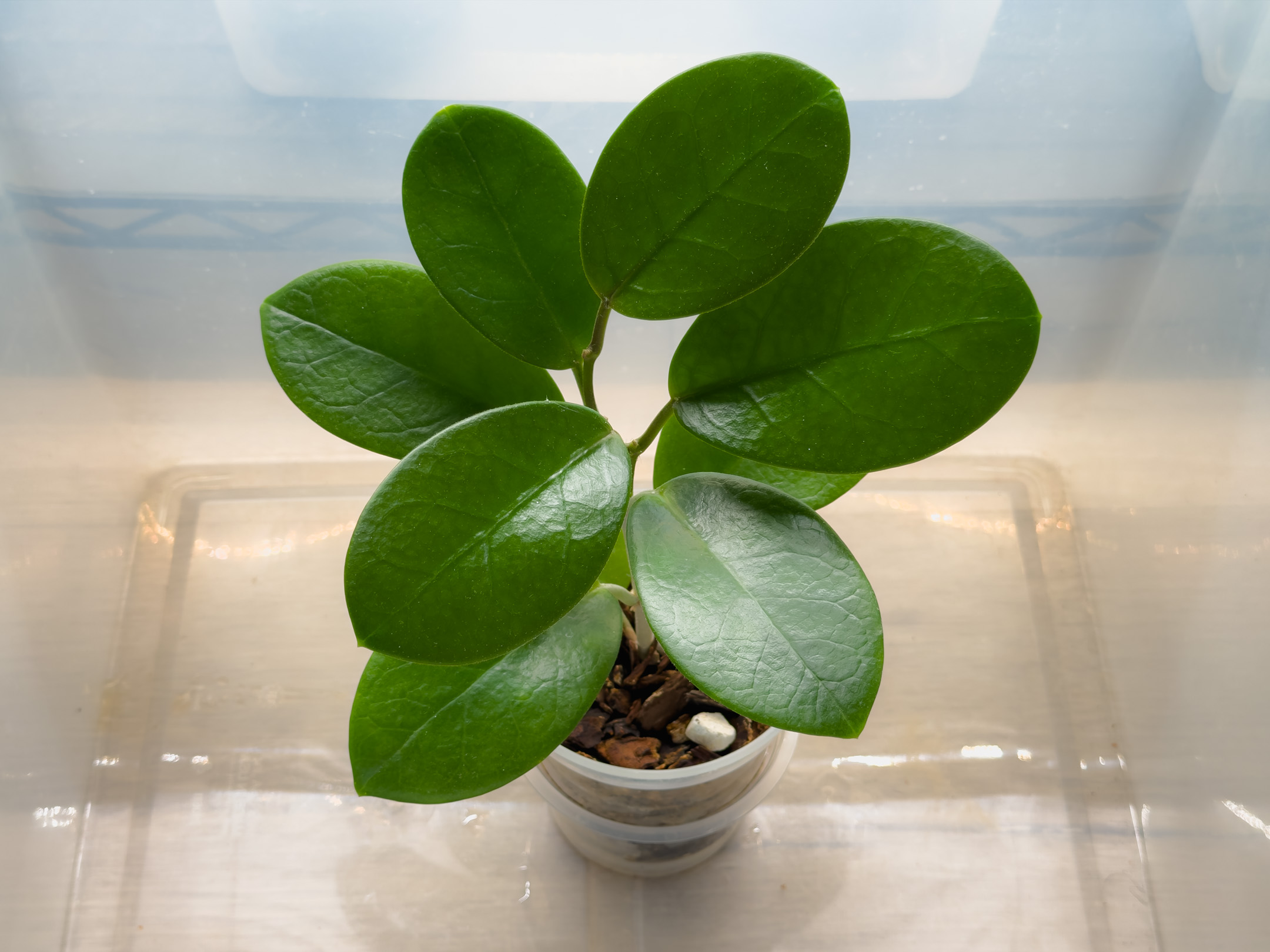
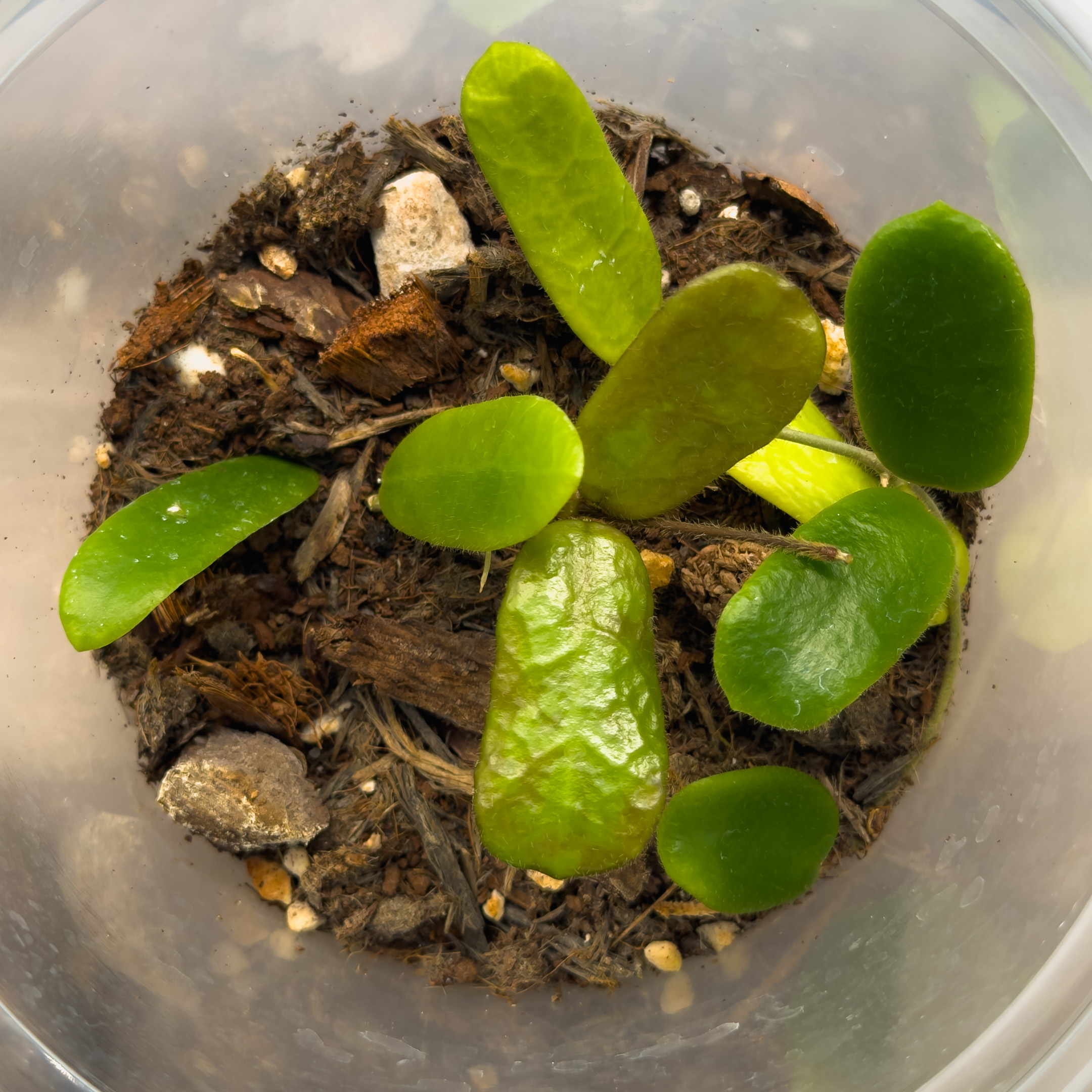
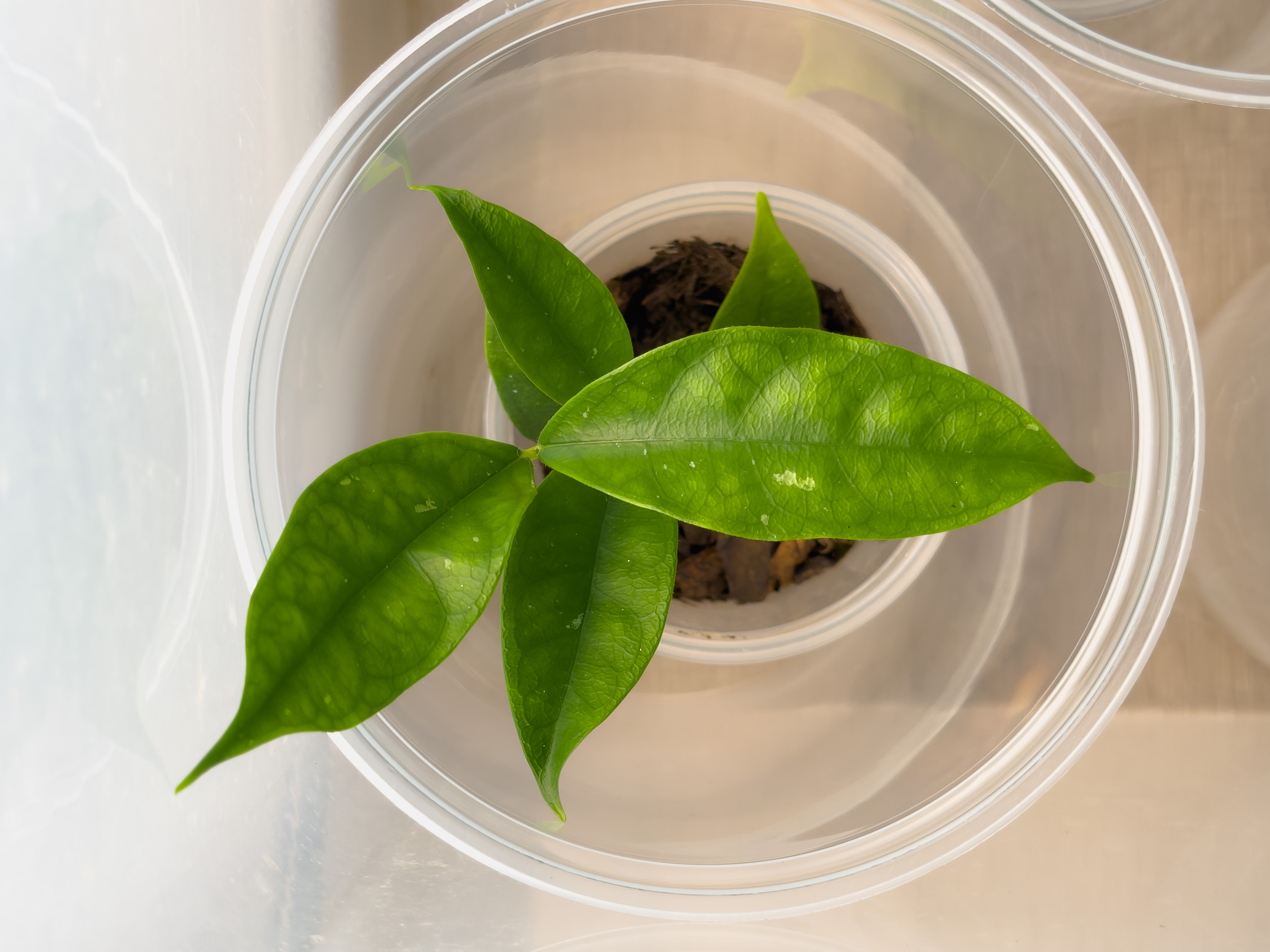
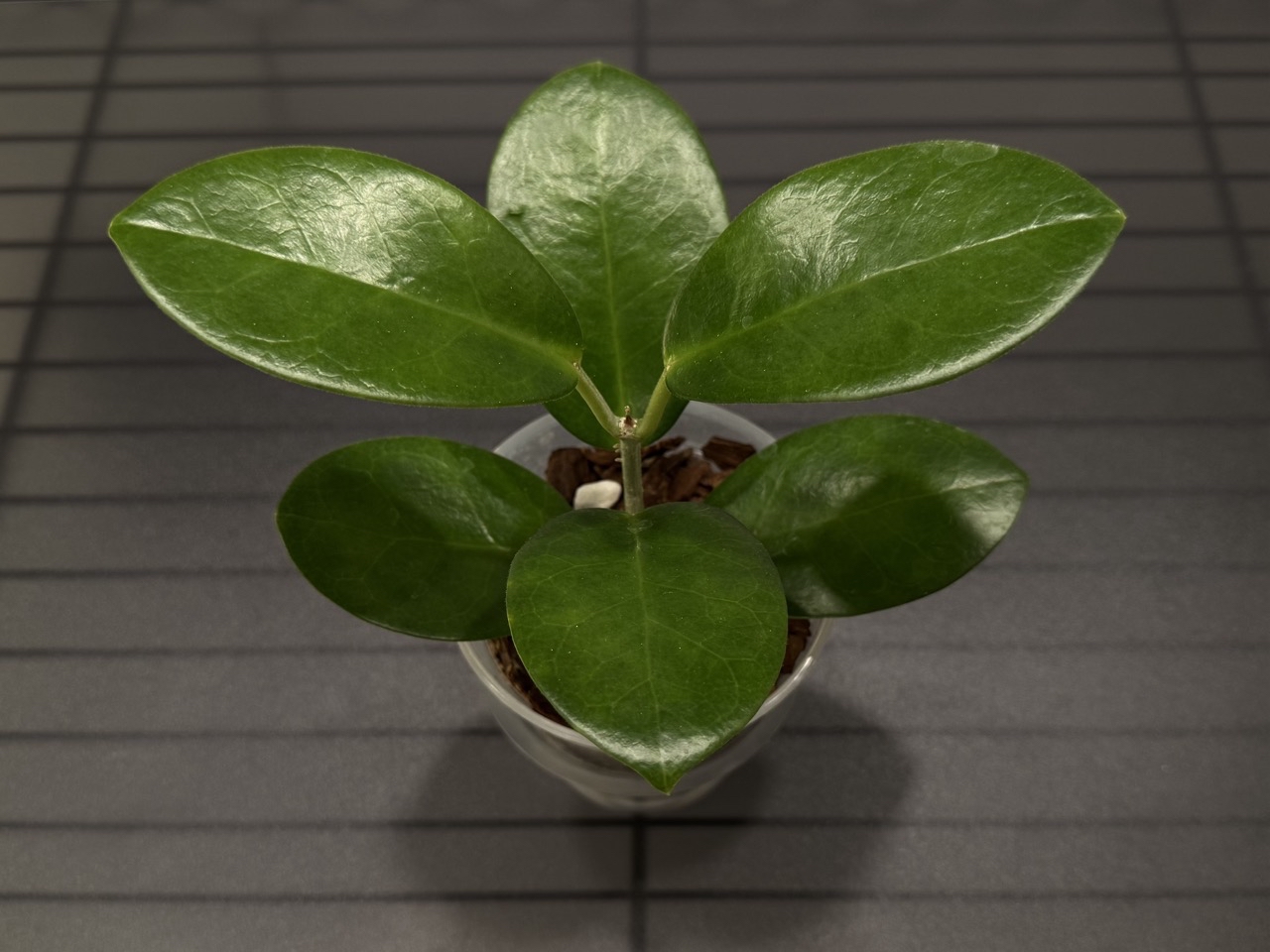
Not exactly. Cultivar photos represent identity and characteristic appearance, but individual plants naturally vary in leaf size, shape, symmetry, pattern density, and coloration.
Light, maturity, season, and growing conditions can also influence how some traits appear. We use photos to show what is characteristic—not to promise an identical manufactured copy.
Plant State describes the sellable lifecycle state of a plant—not its species or the material currently around its roots.
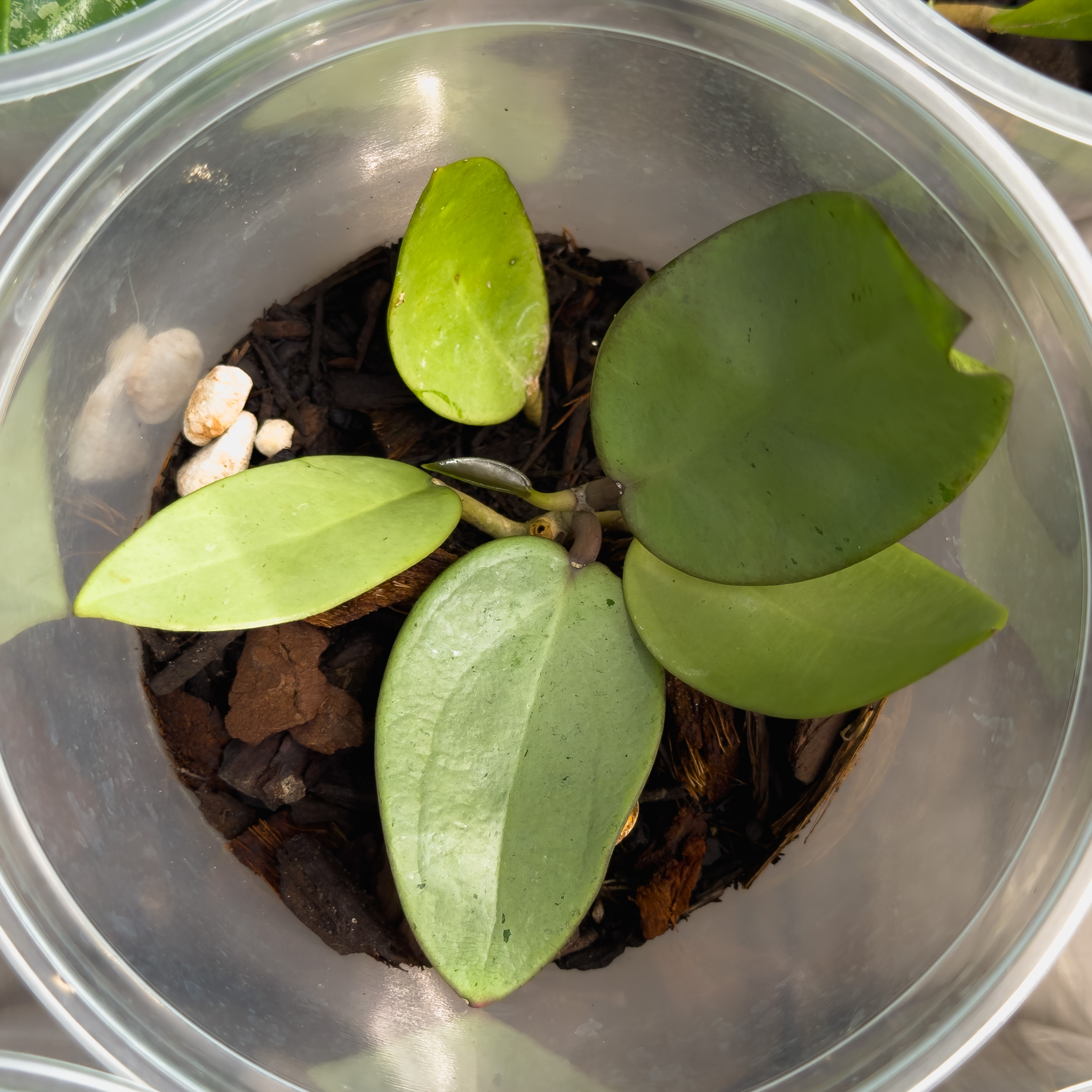
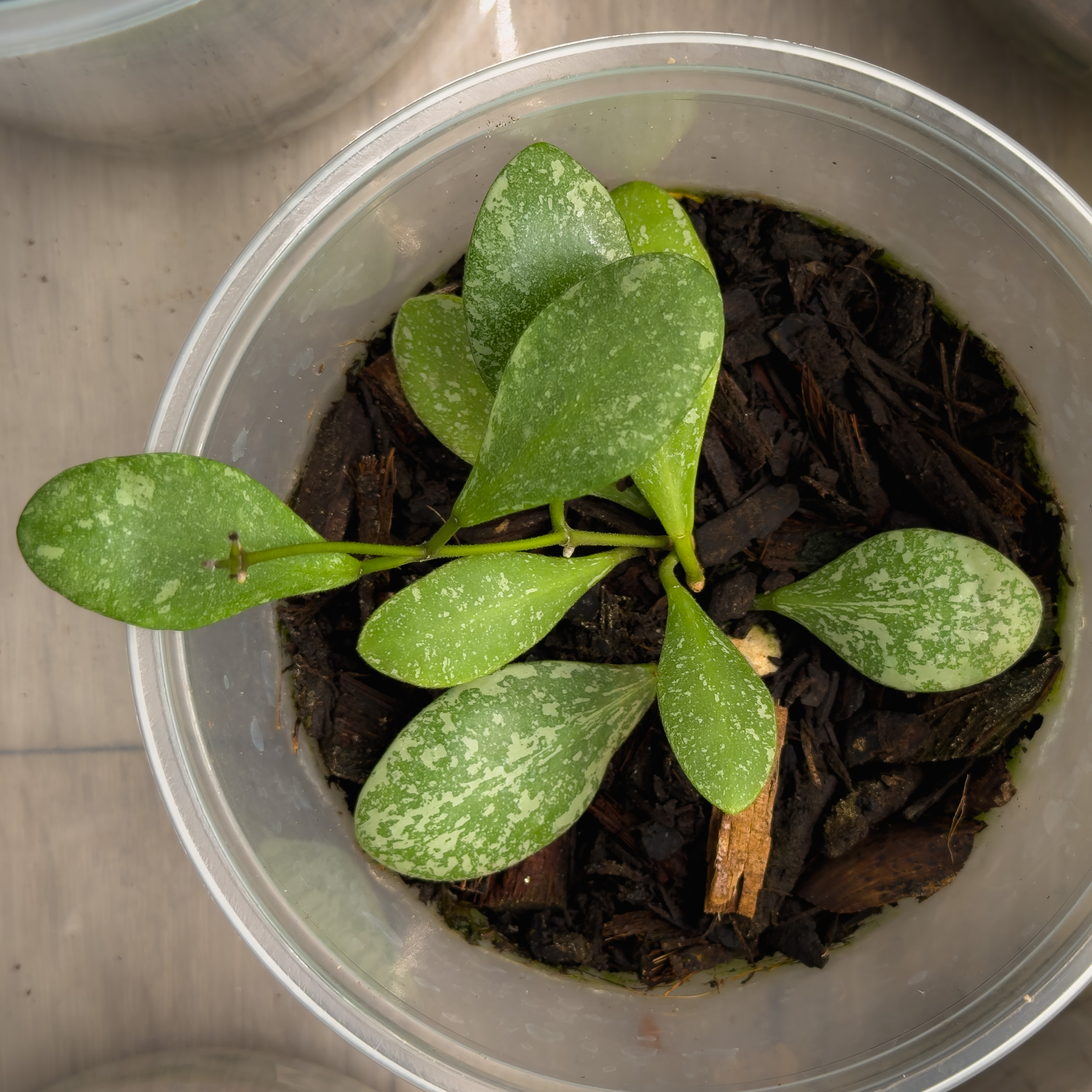
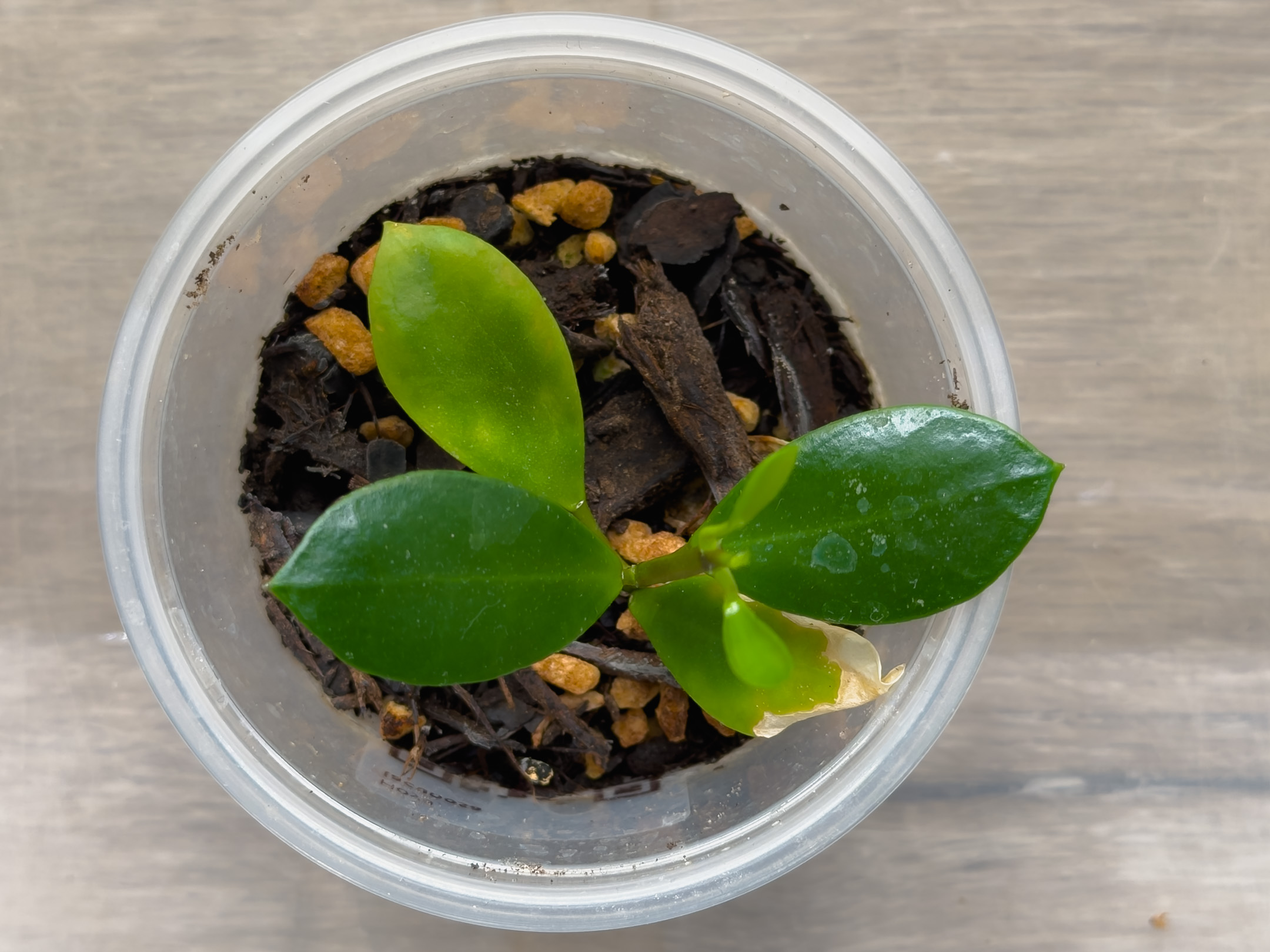
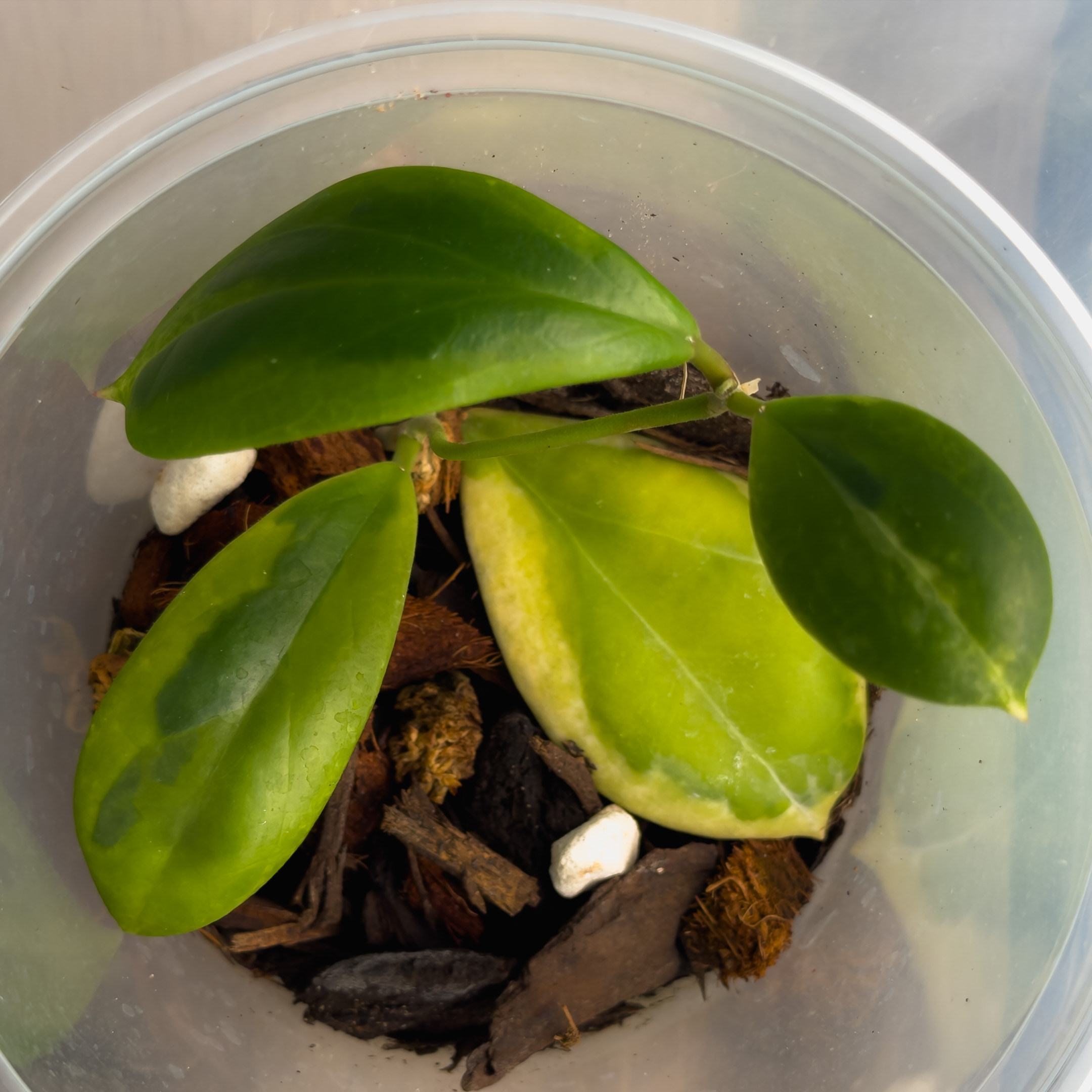
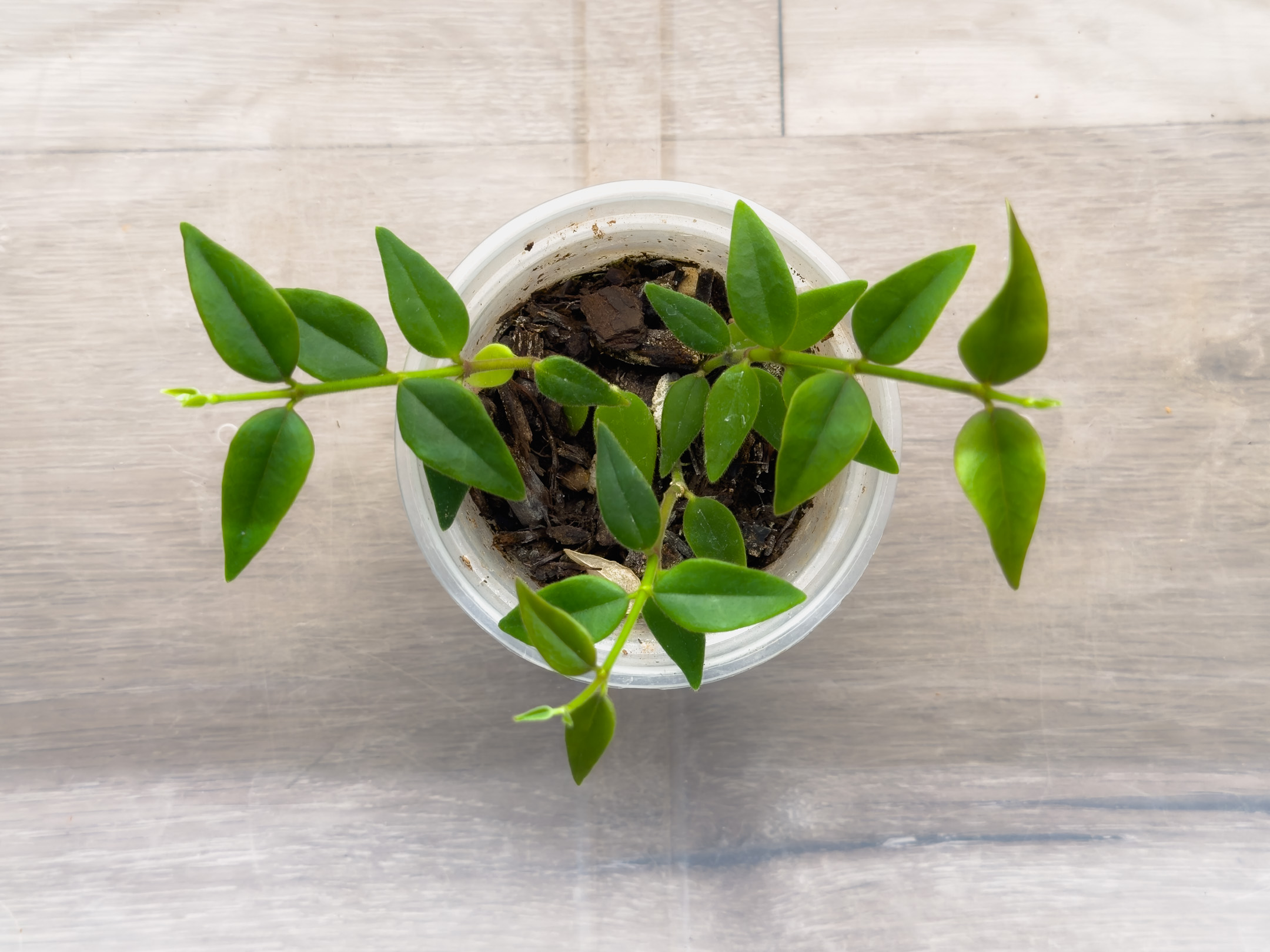
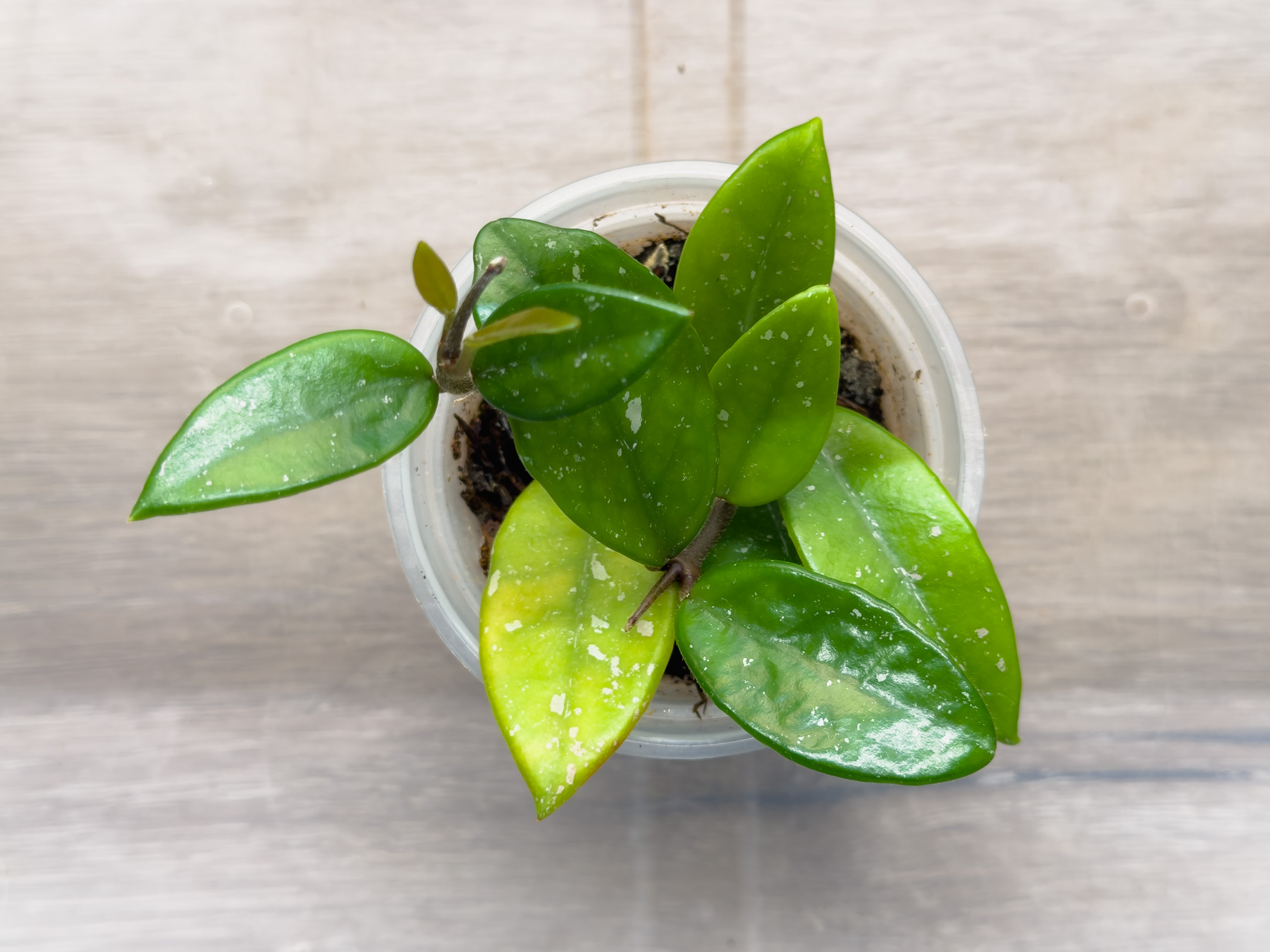
Rooted Cutting — a juvenile cutting with an established functional root system.
Water-Rooted — a plant whose roots were intentionally formed in water.
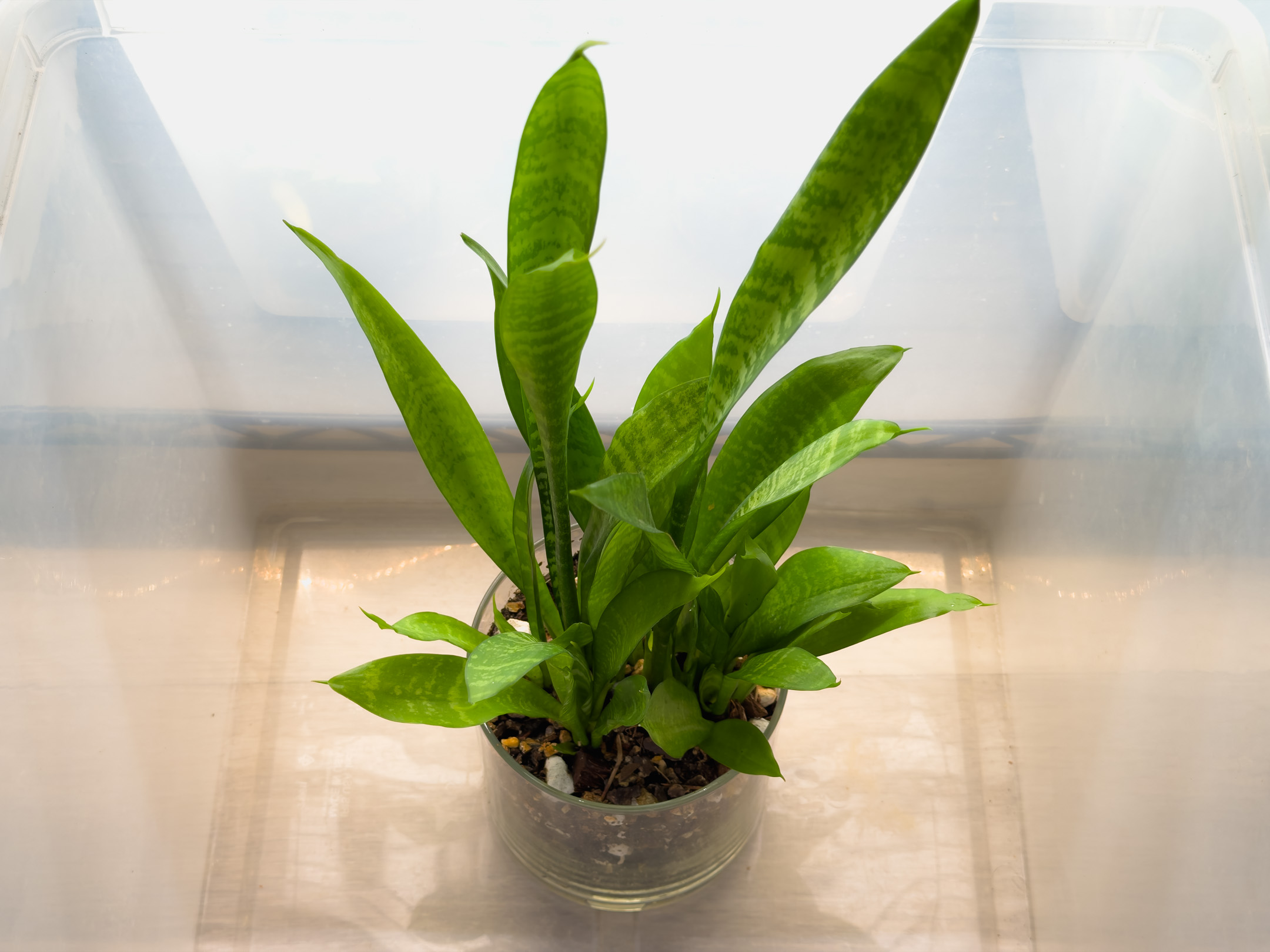
Mature / Ready-to-Grow — an established, stable plant with an actively growing root system.
Plant State is separate from Root State, which describes the plant’s actual rooting condition or medium.
Our shop is apart of the MAI family but we are a separate businesses and are not owned by MAI. We're one of over 50 dealers hosted in their expansive store with our online store being a separate division of from our shop.