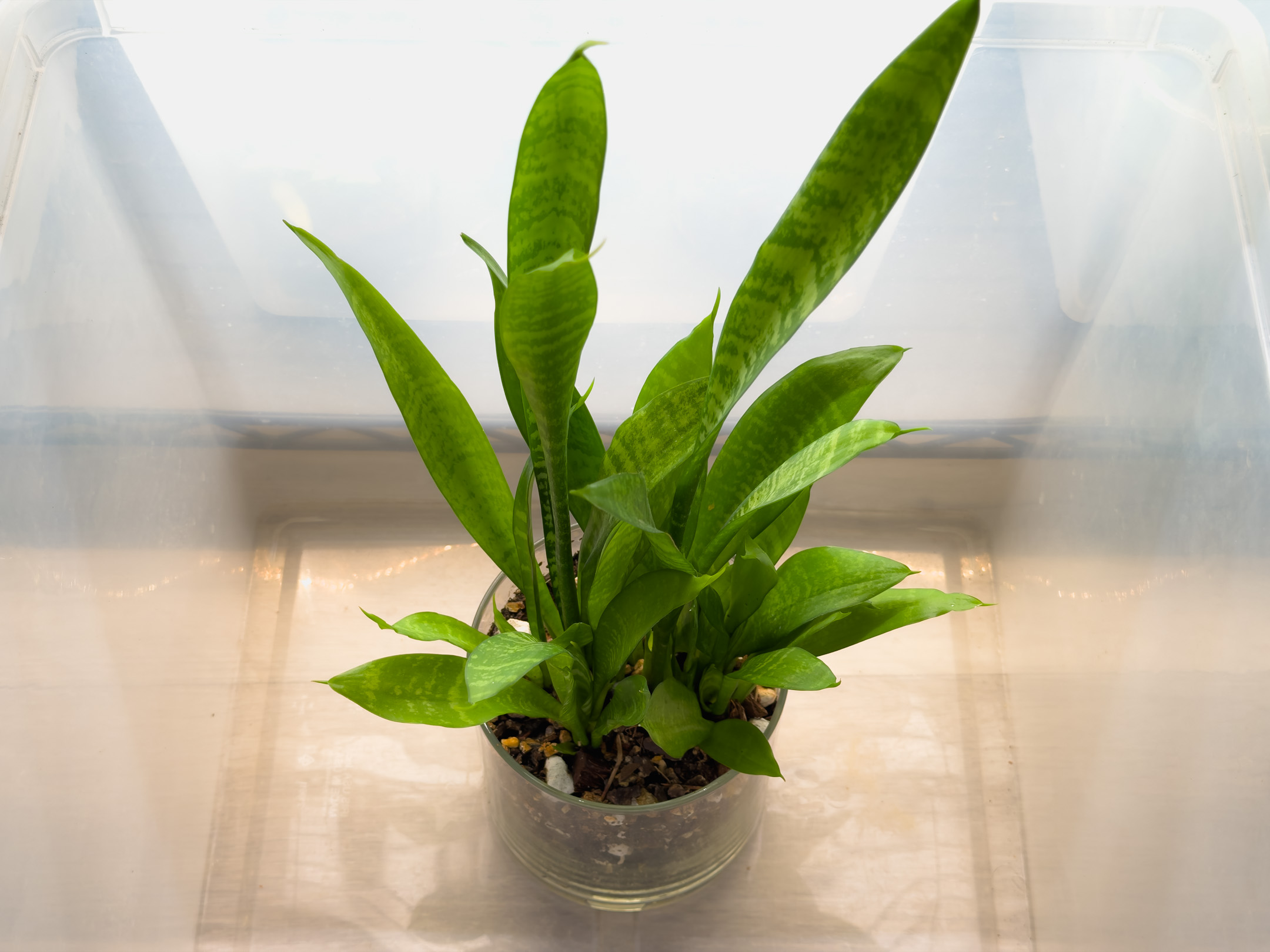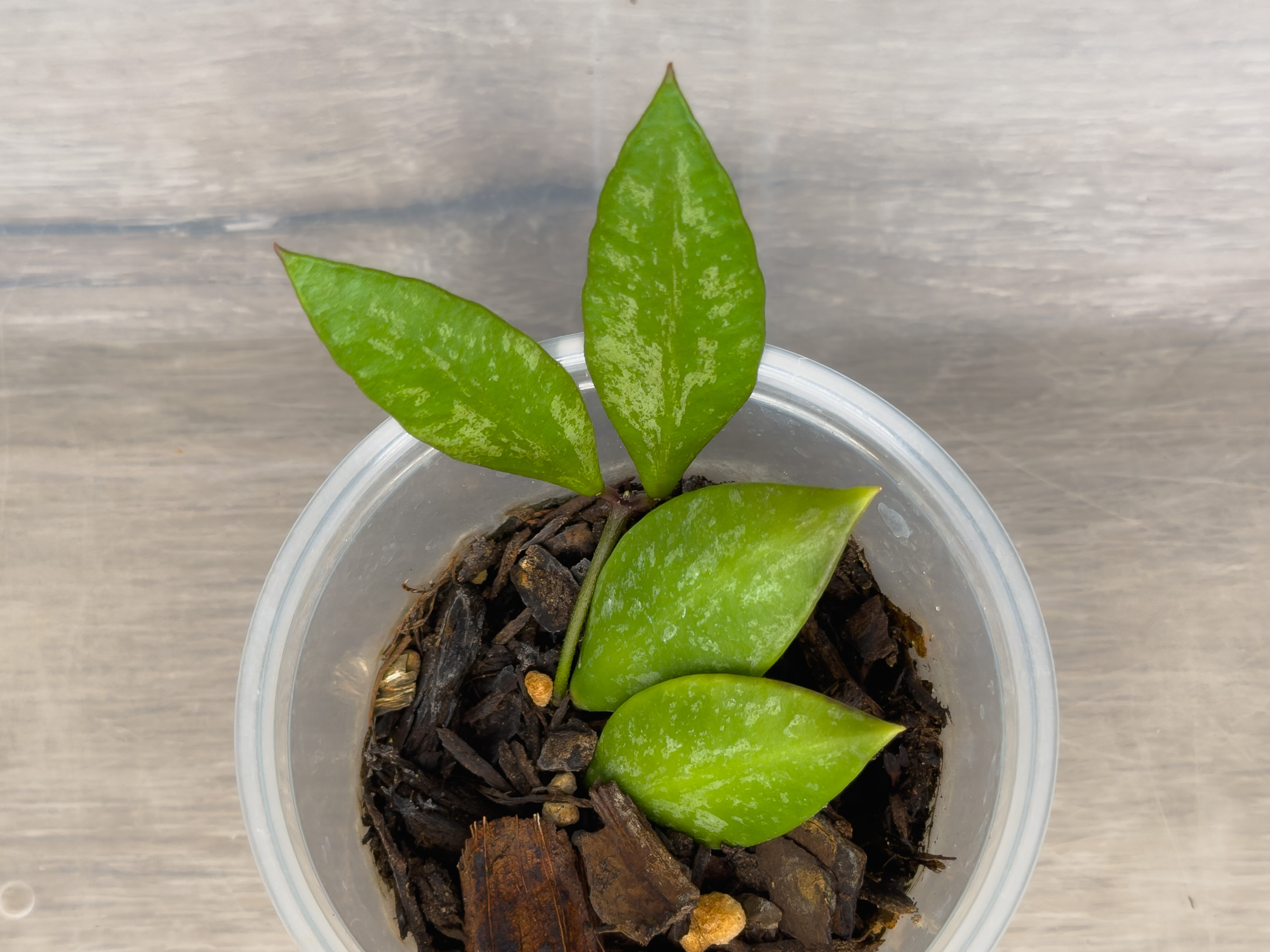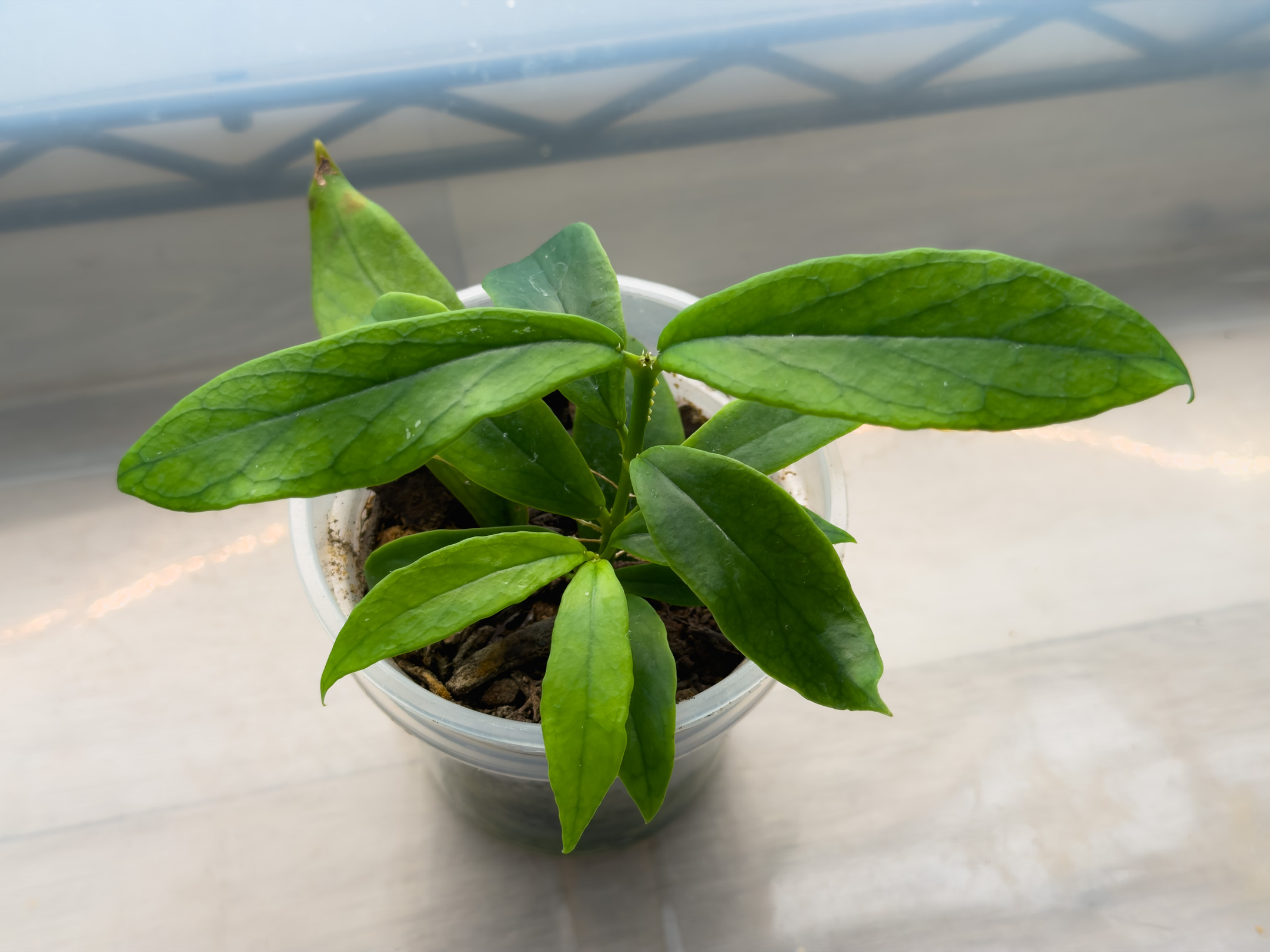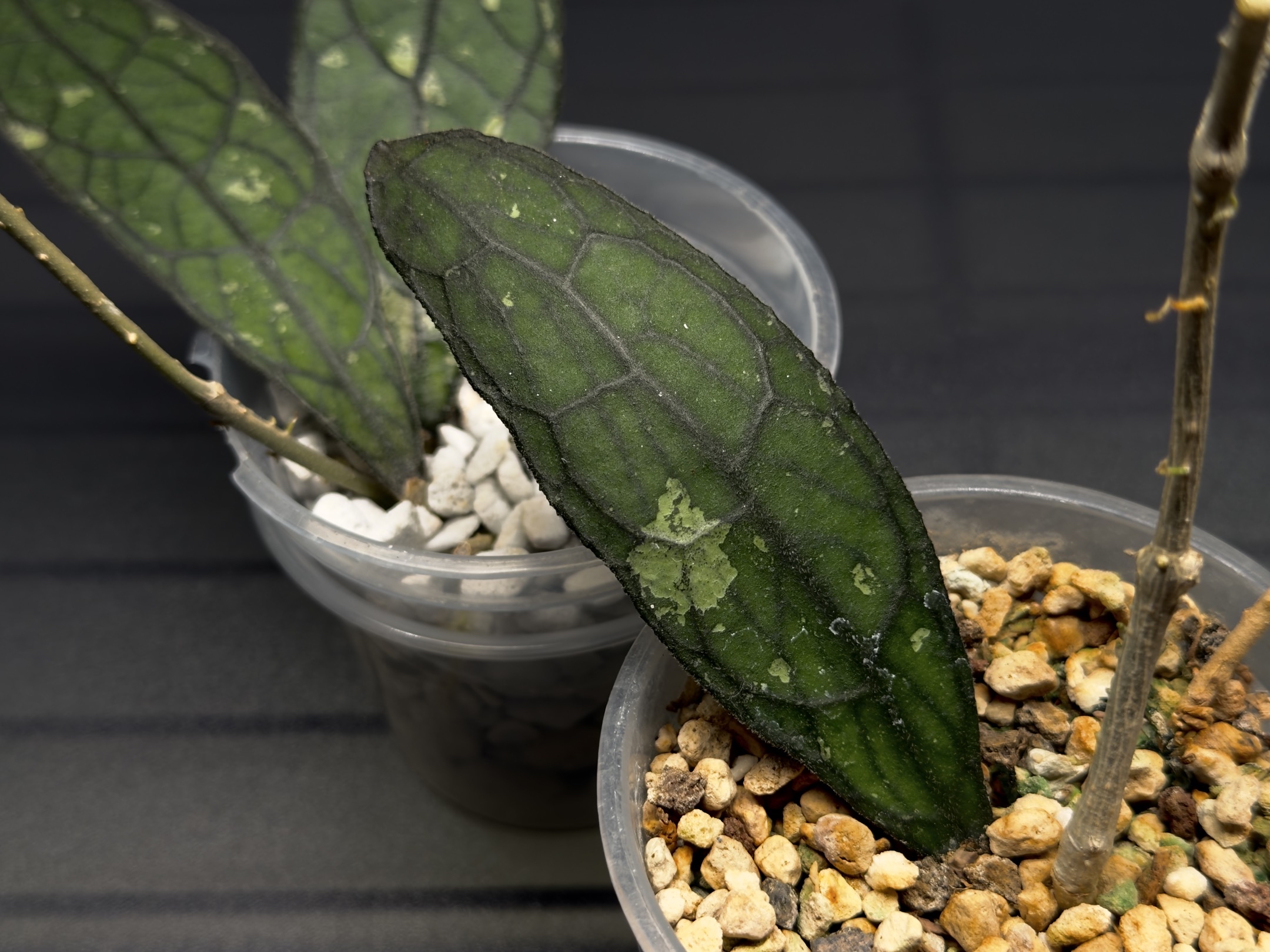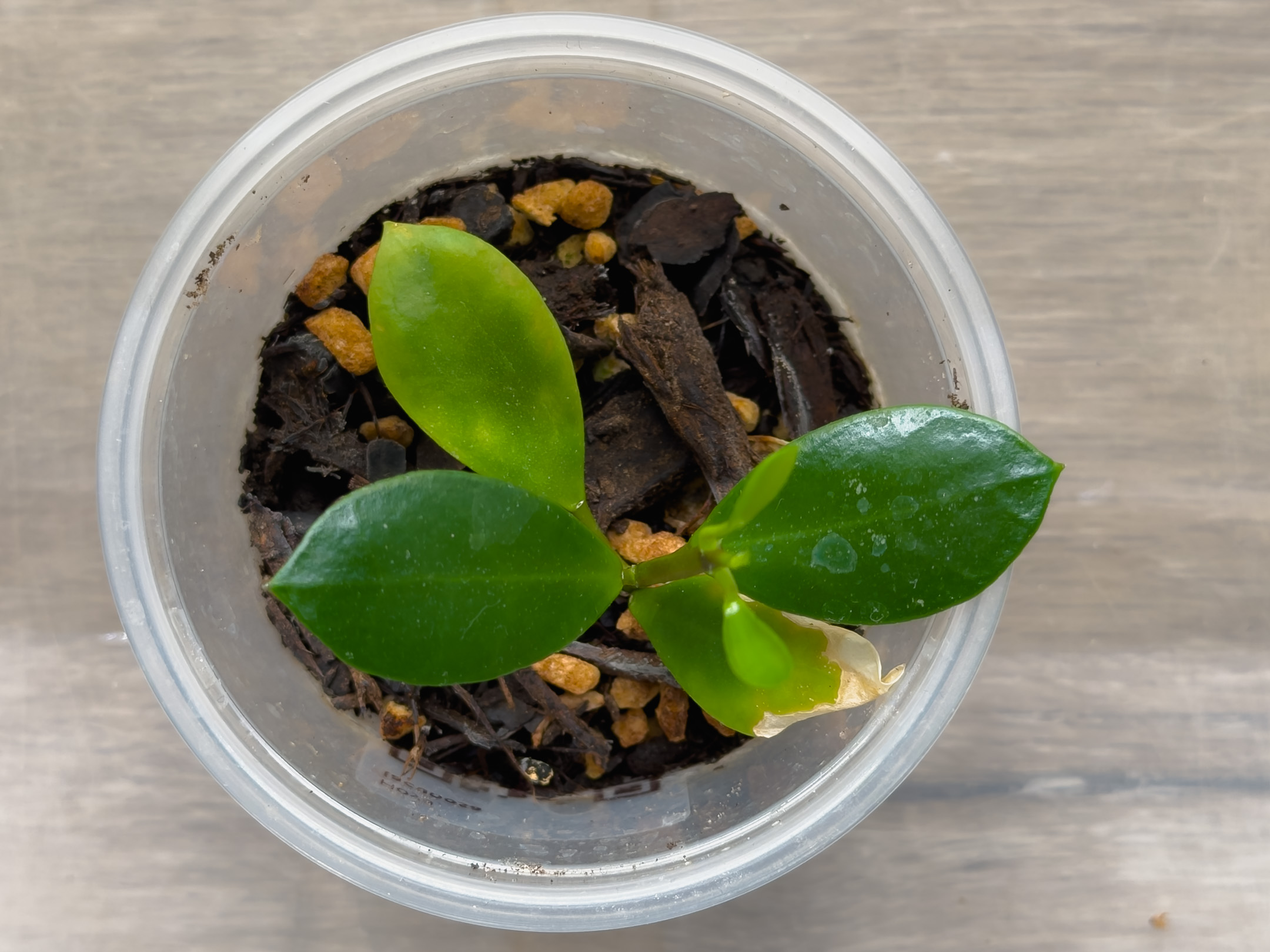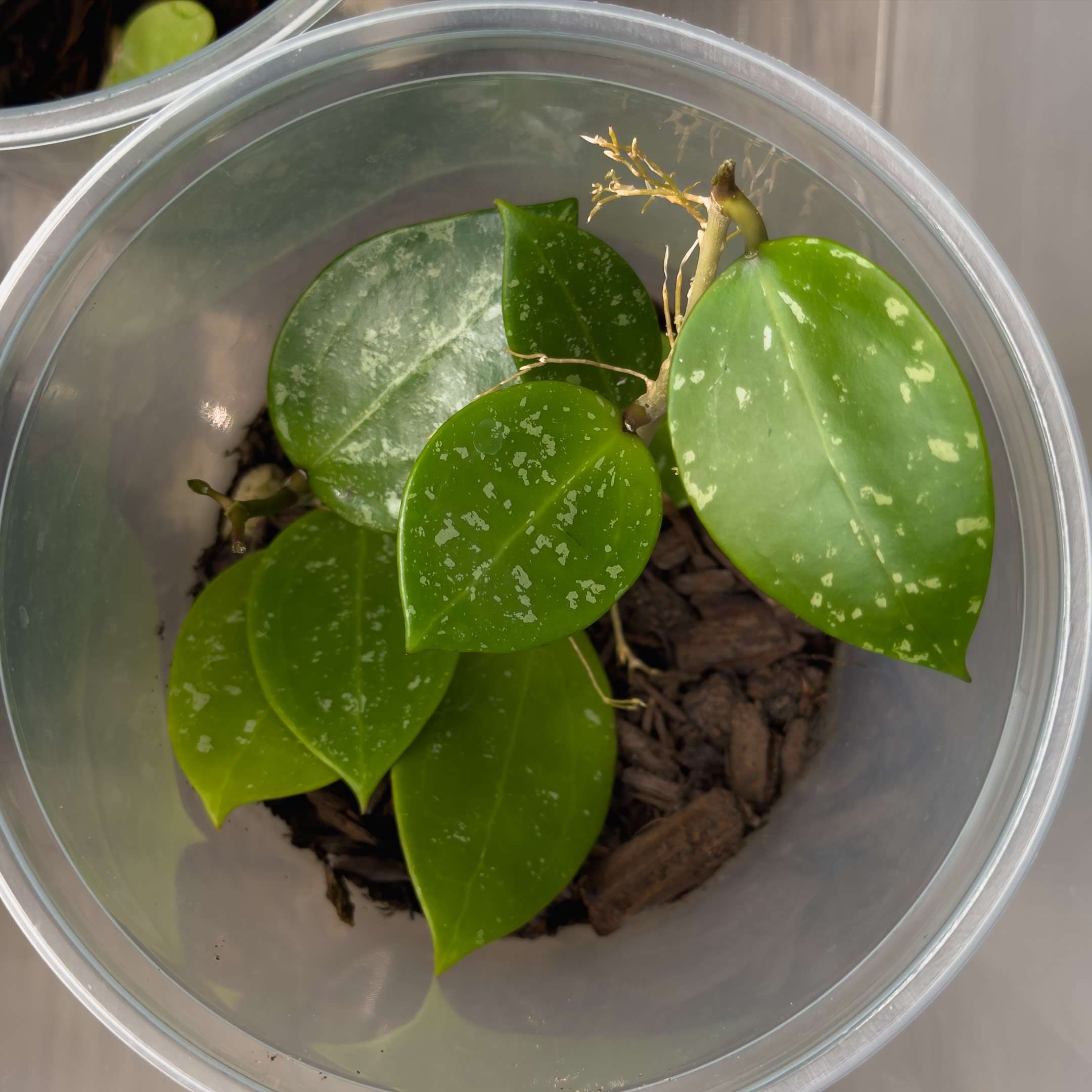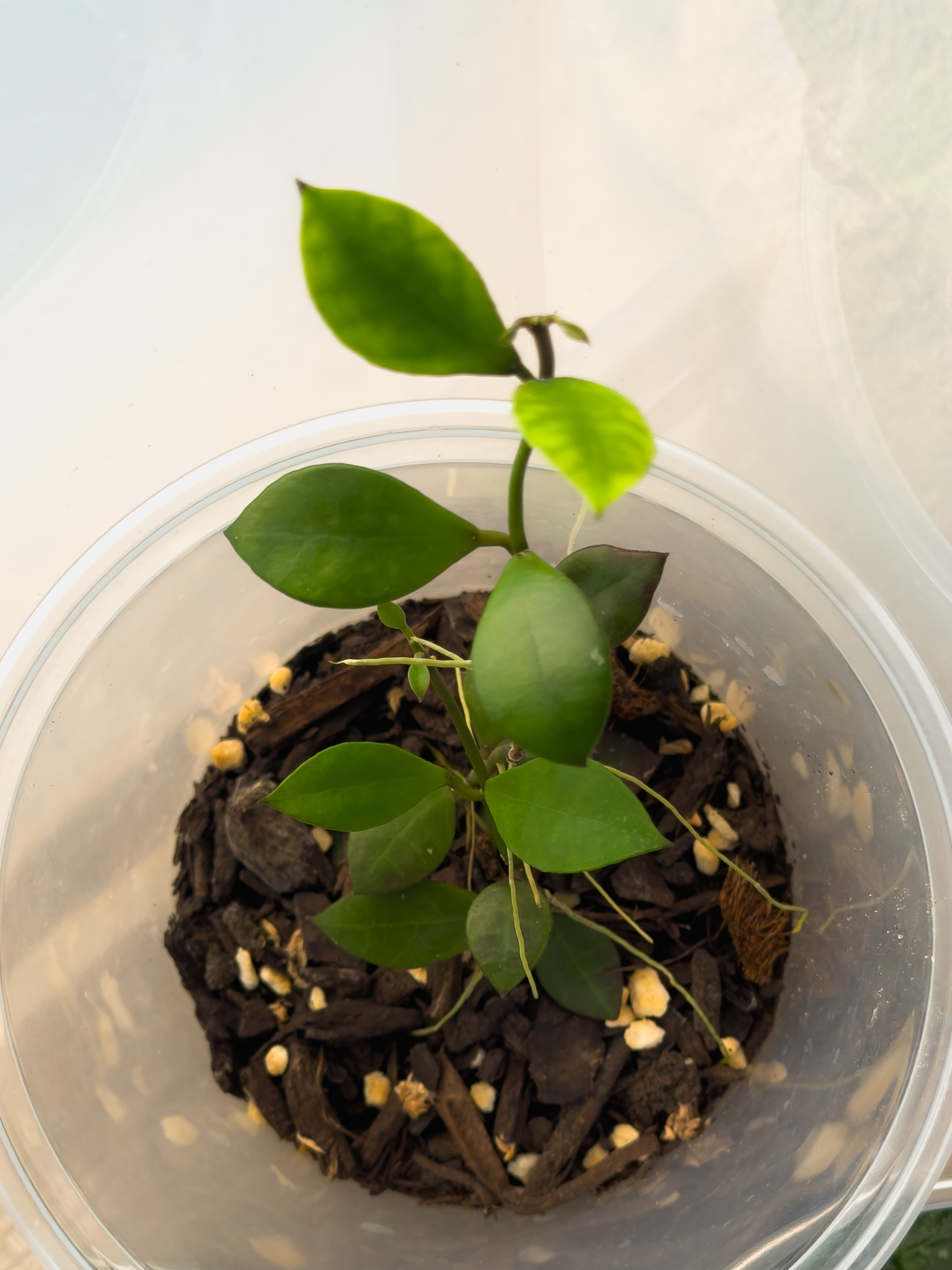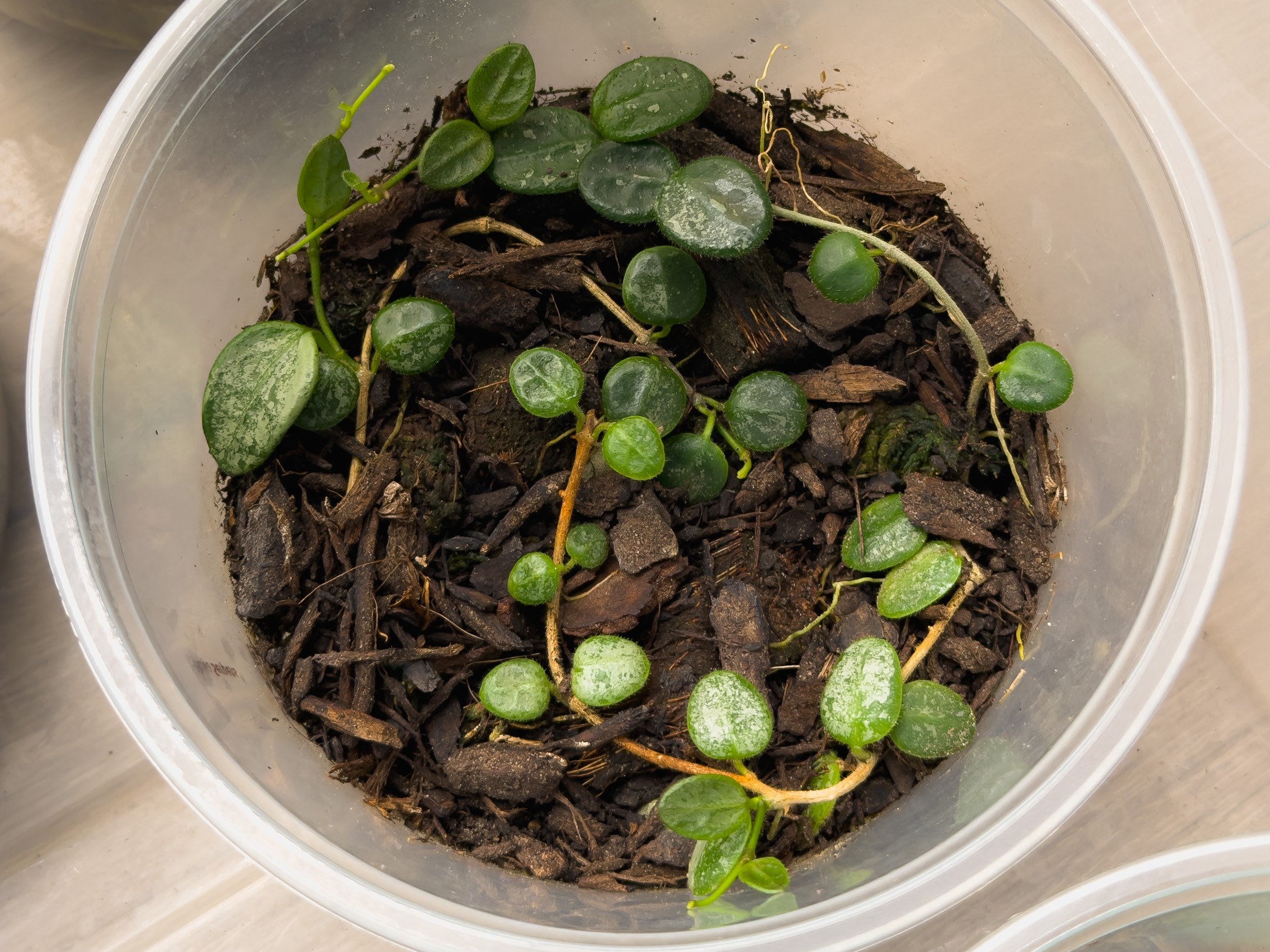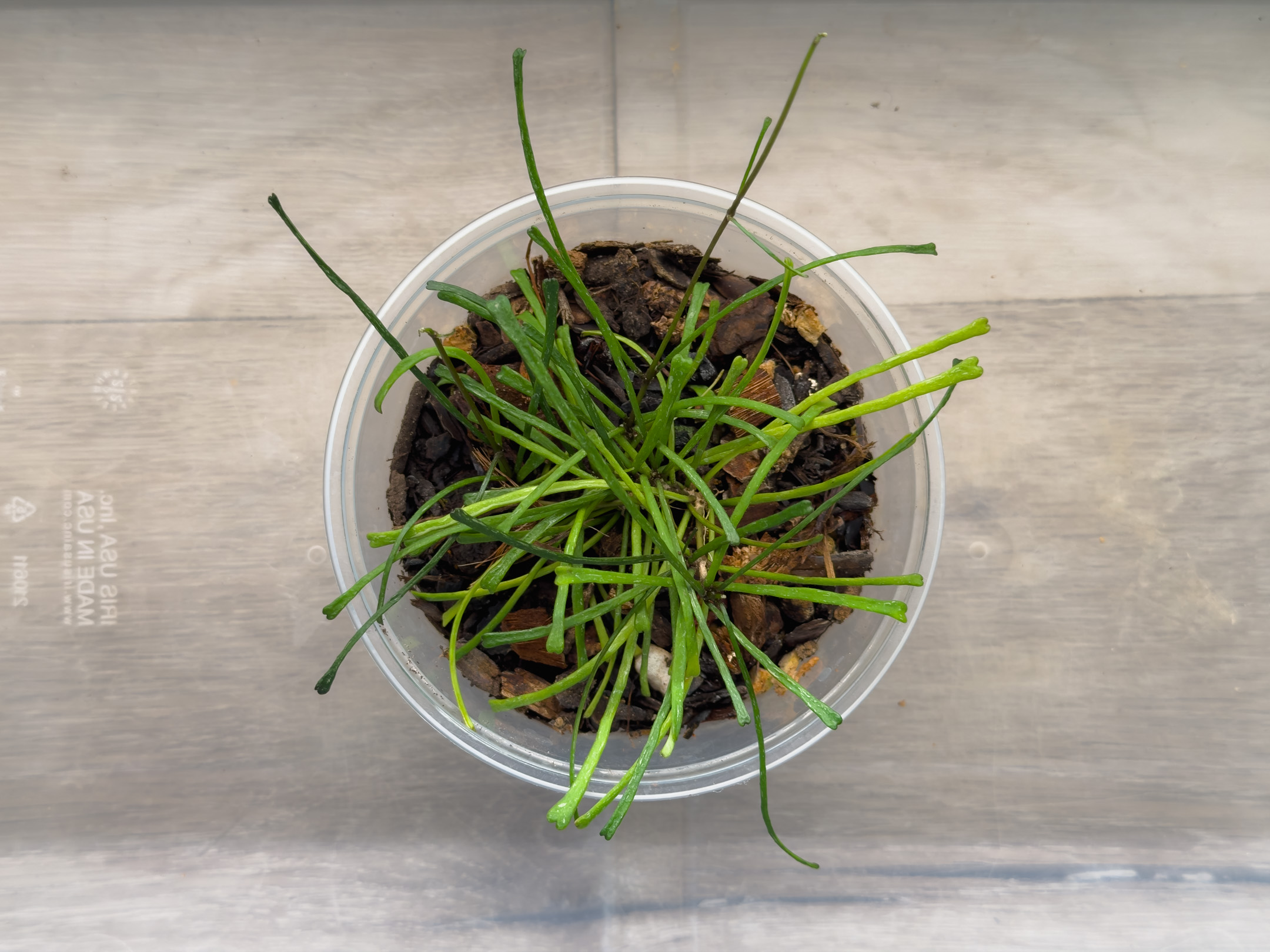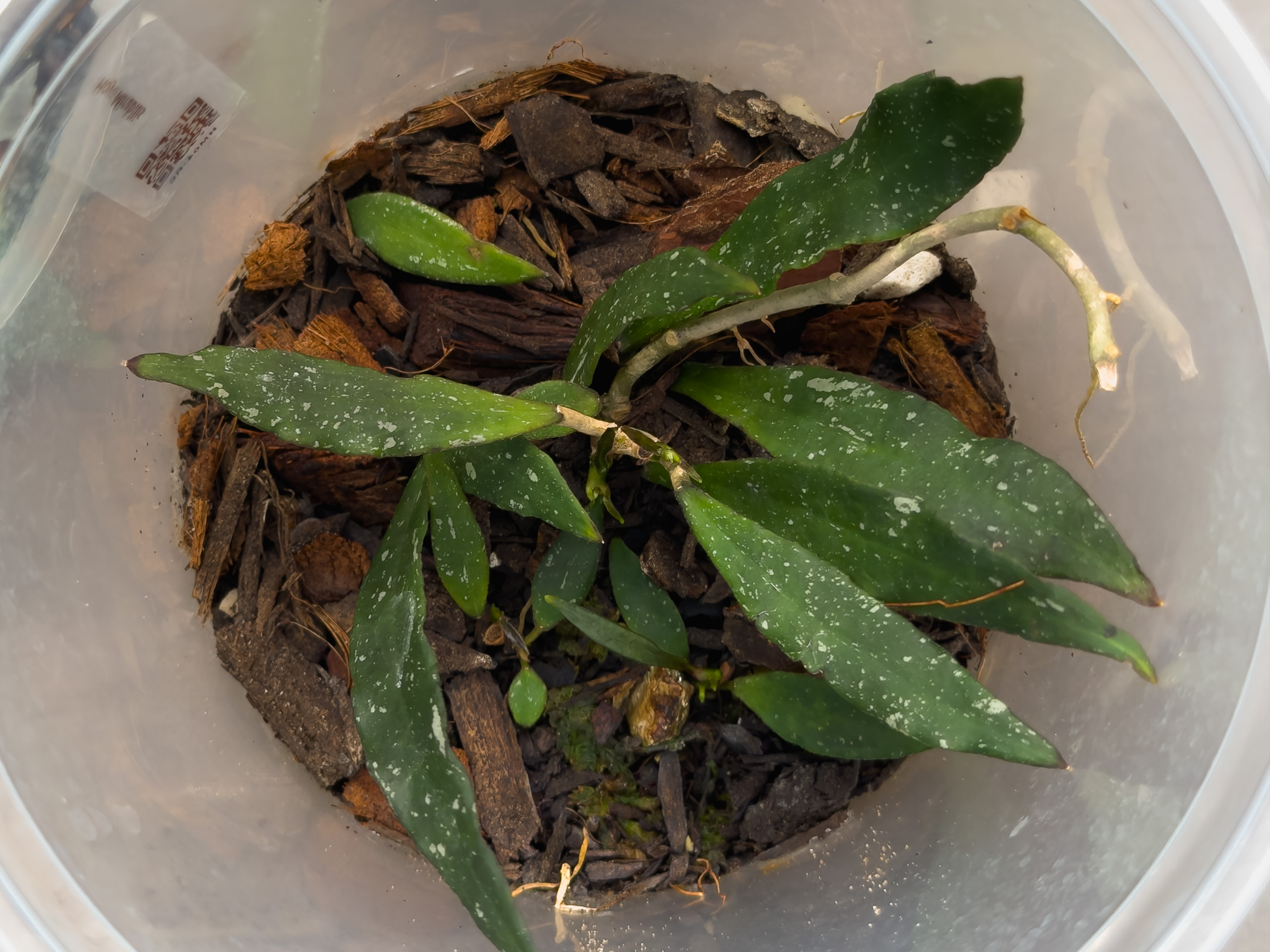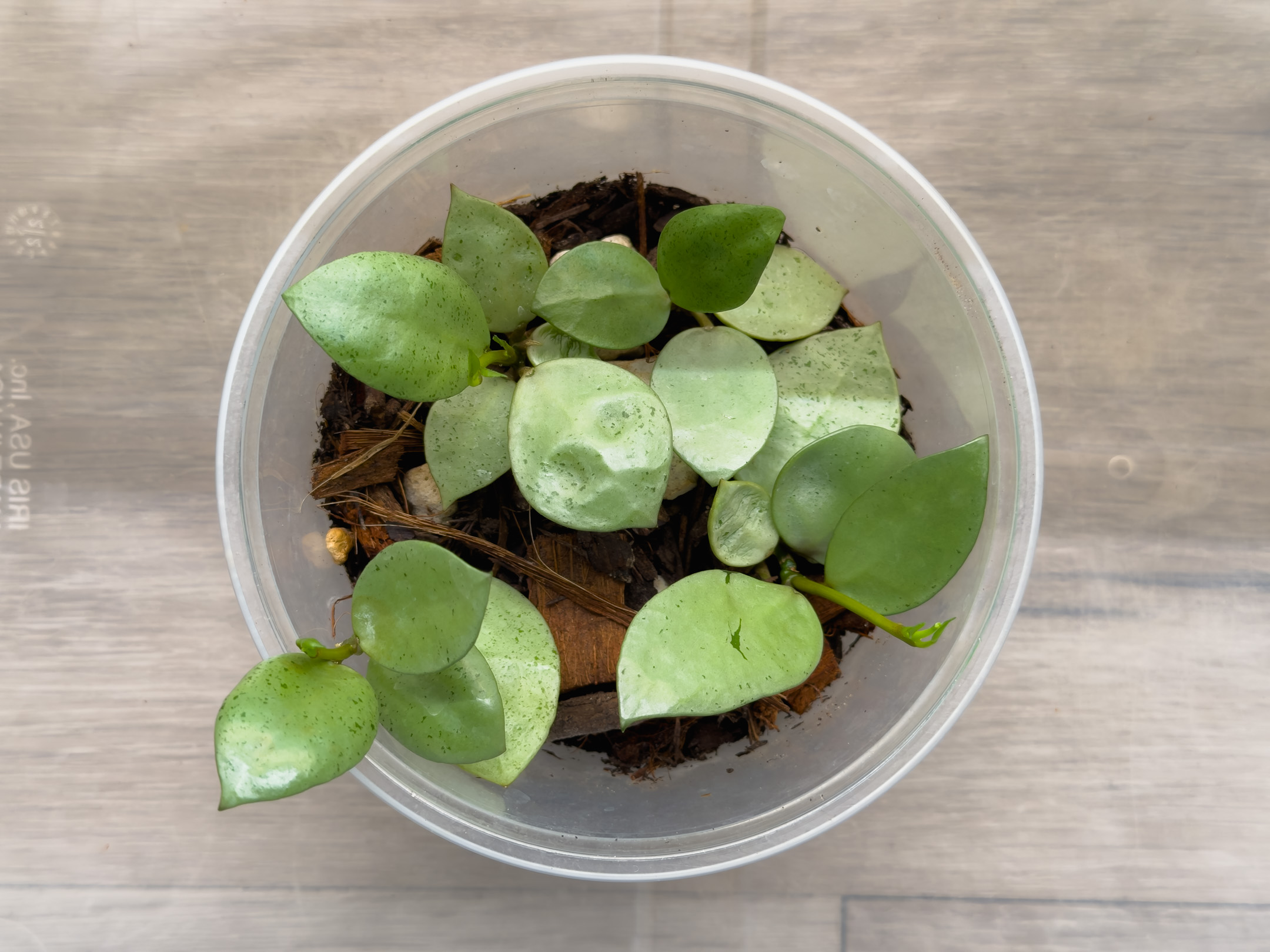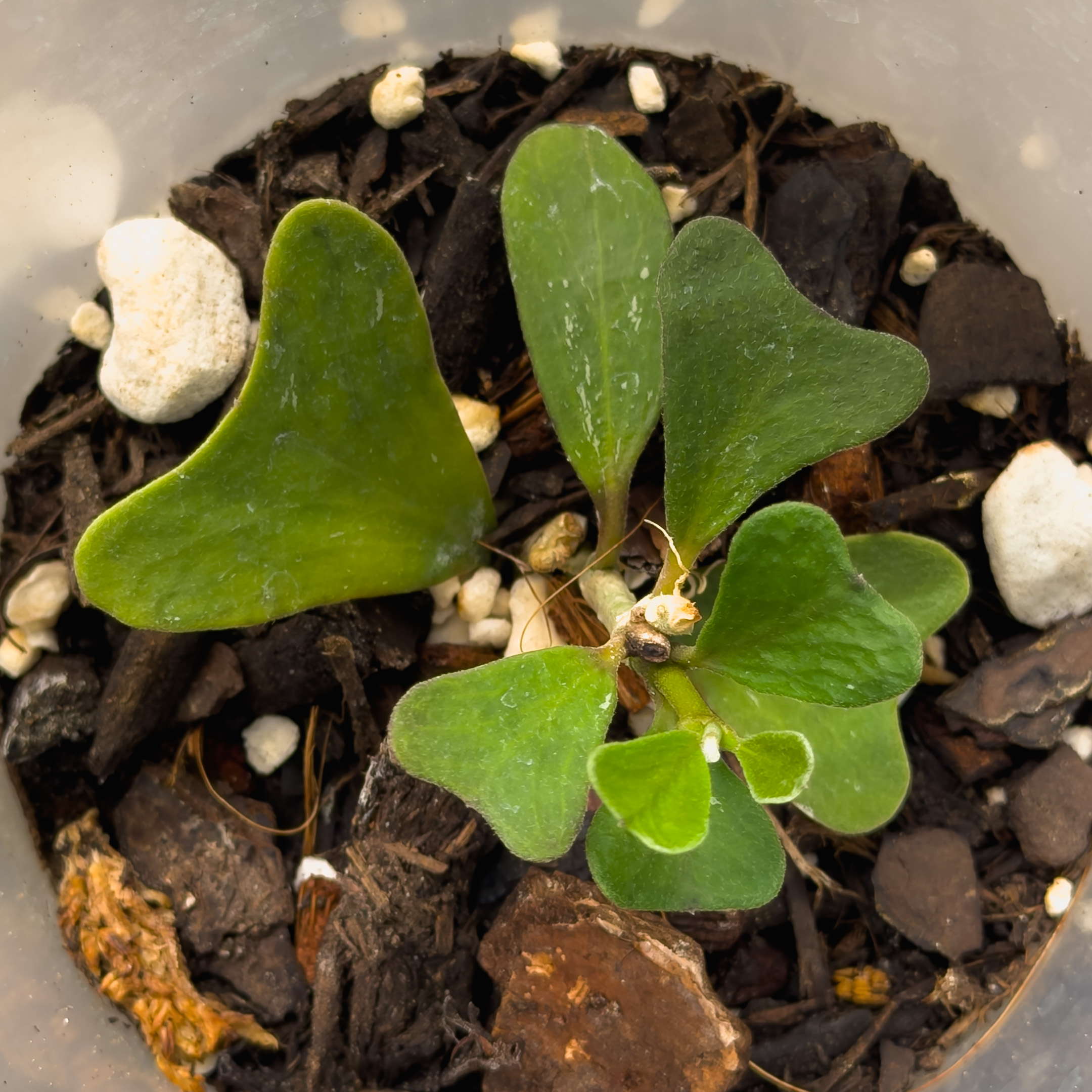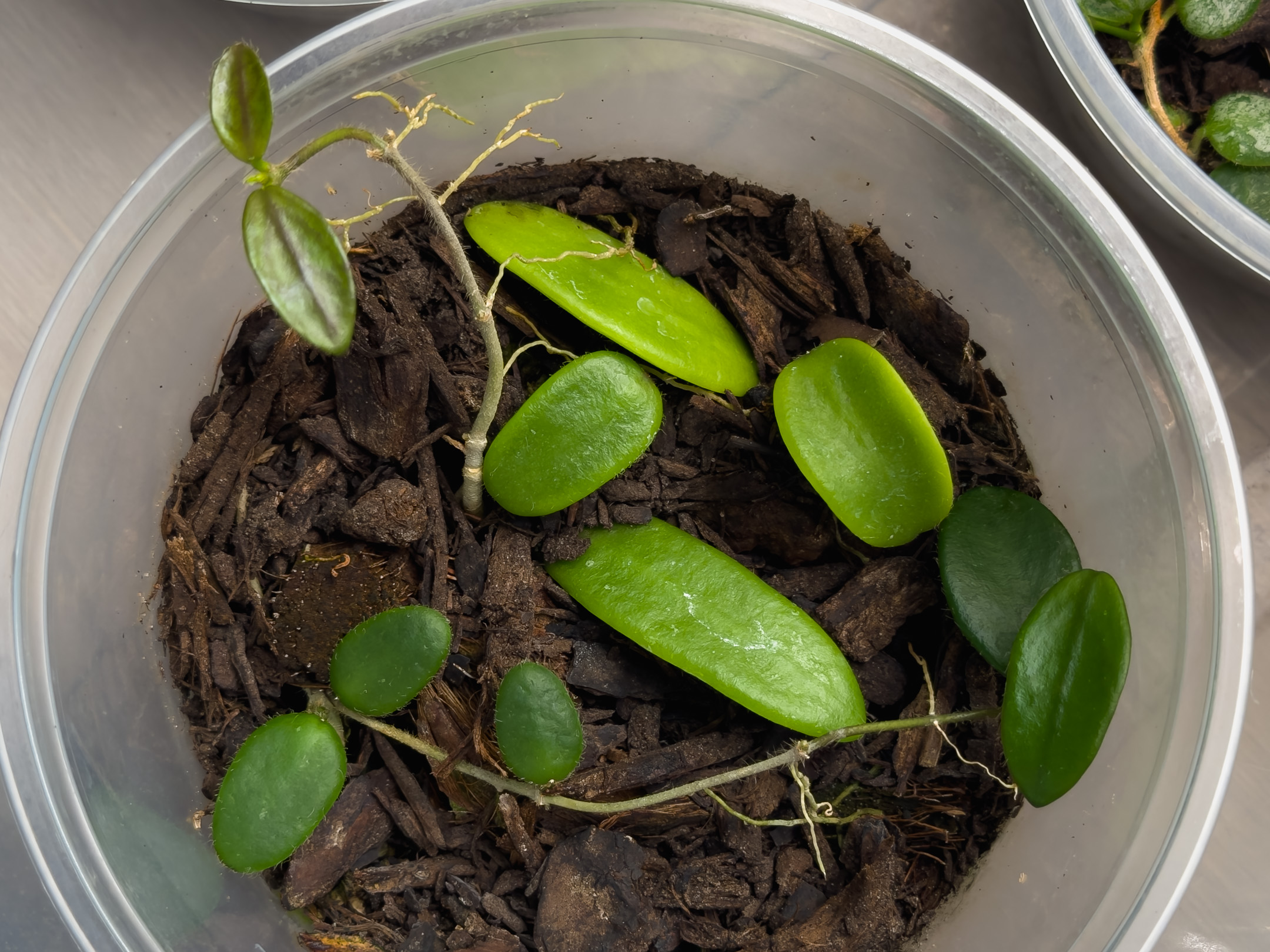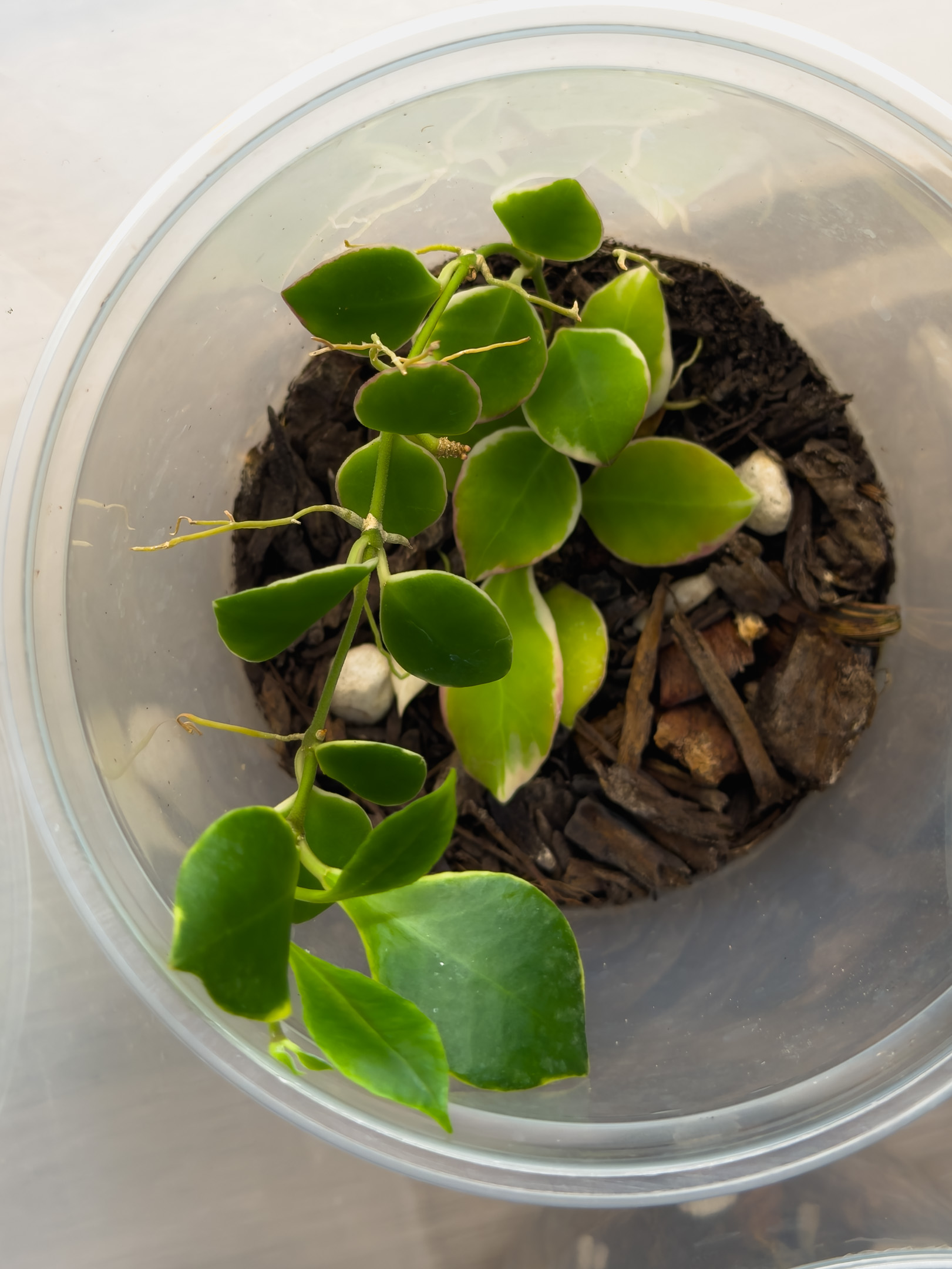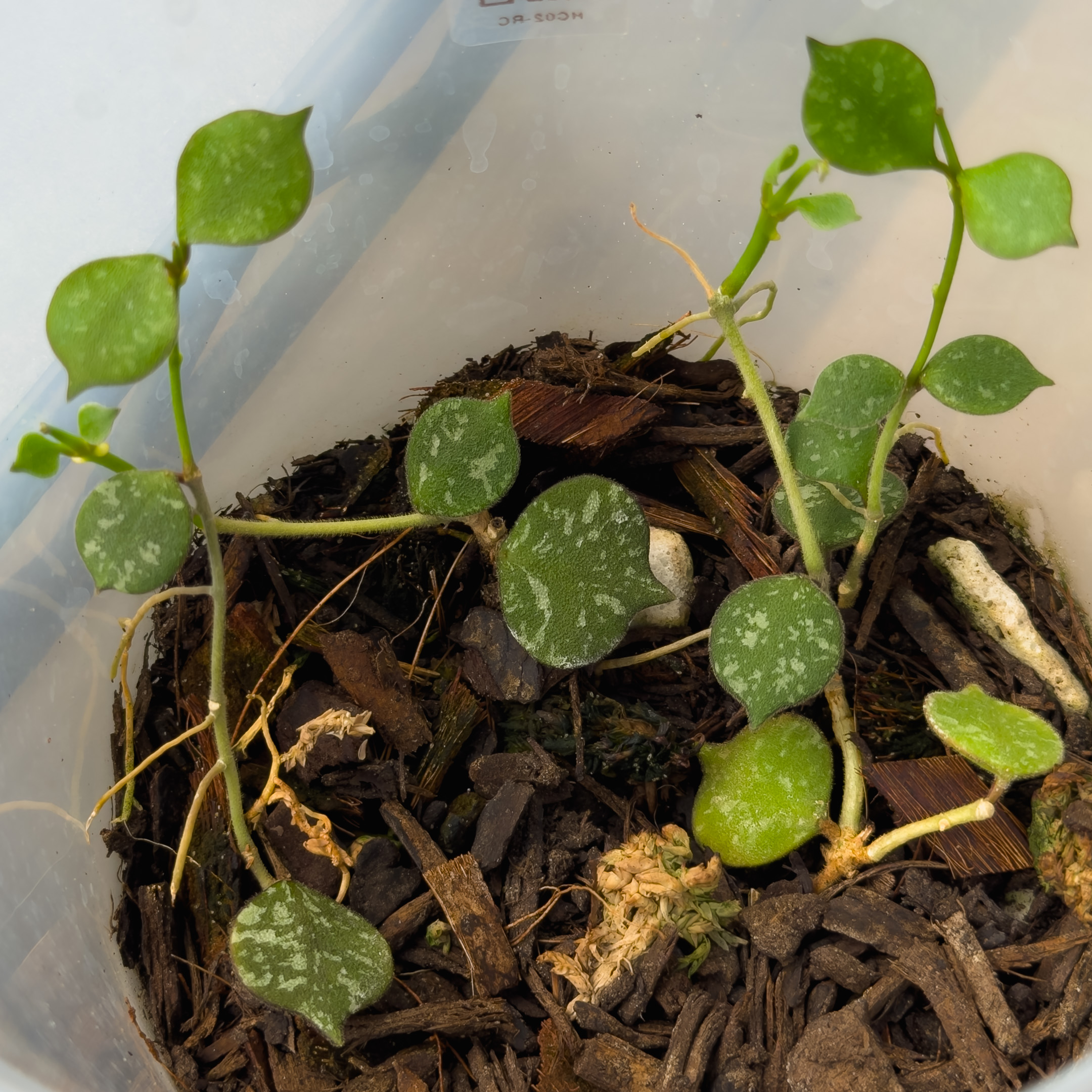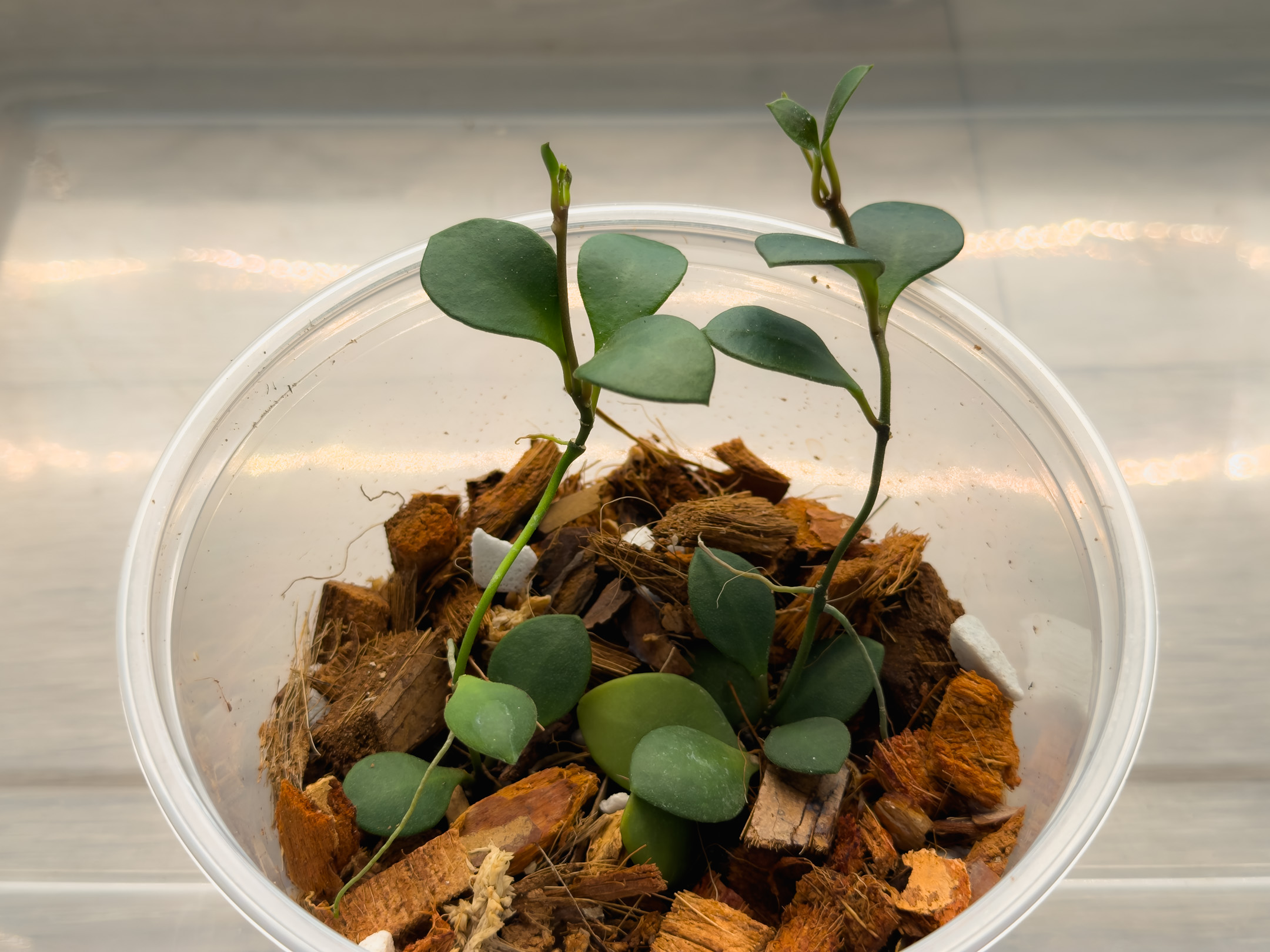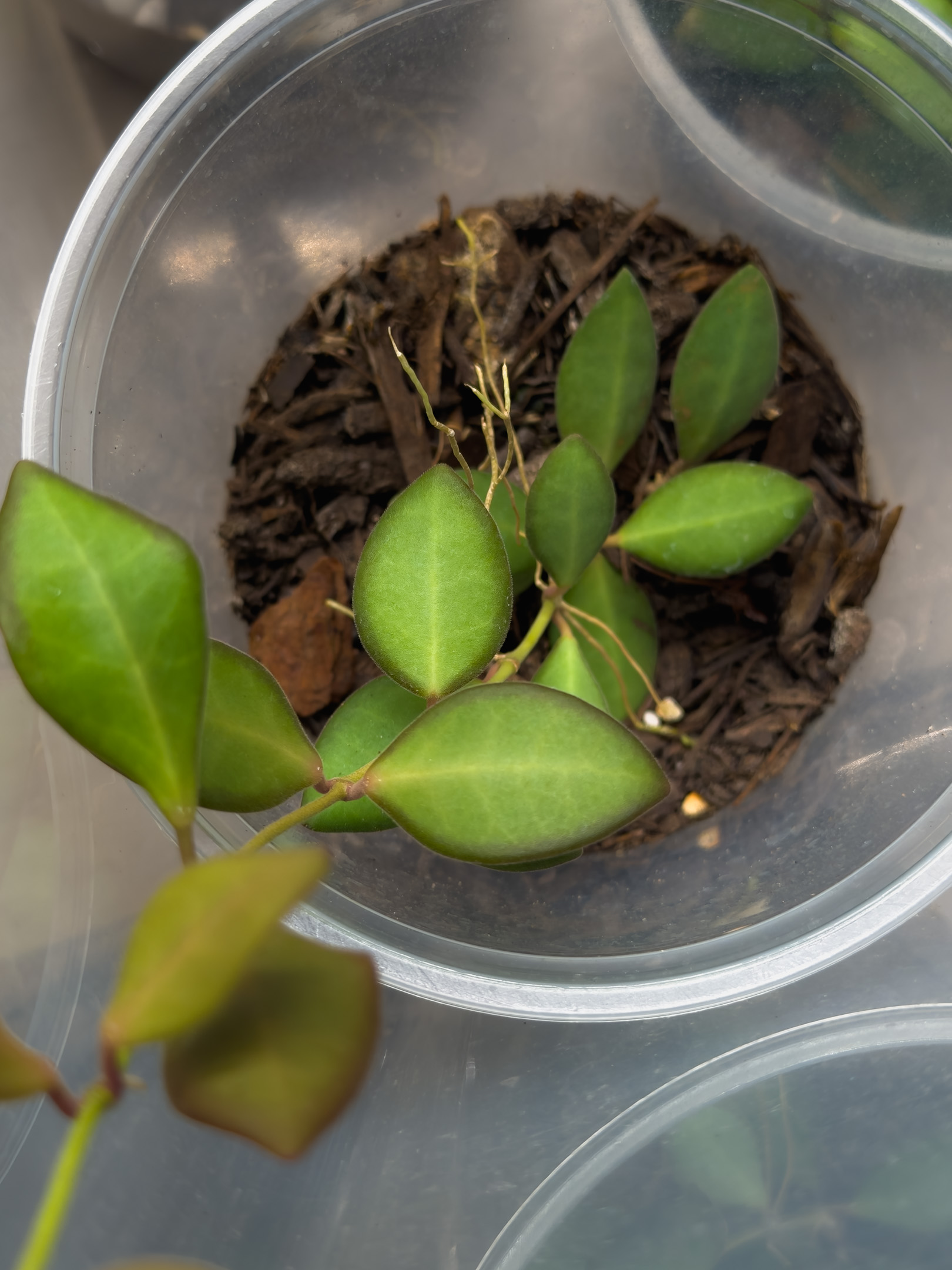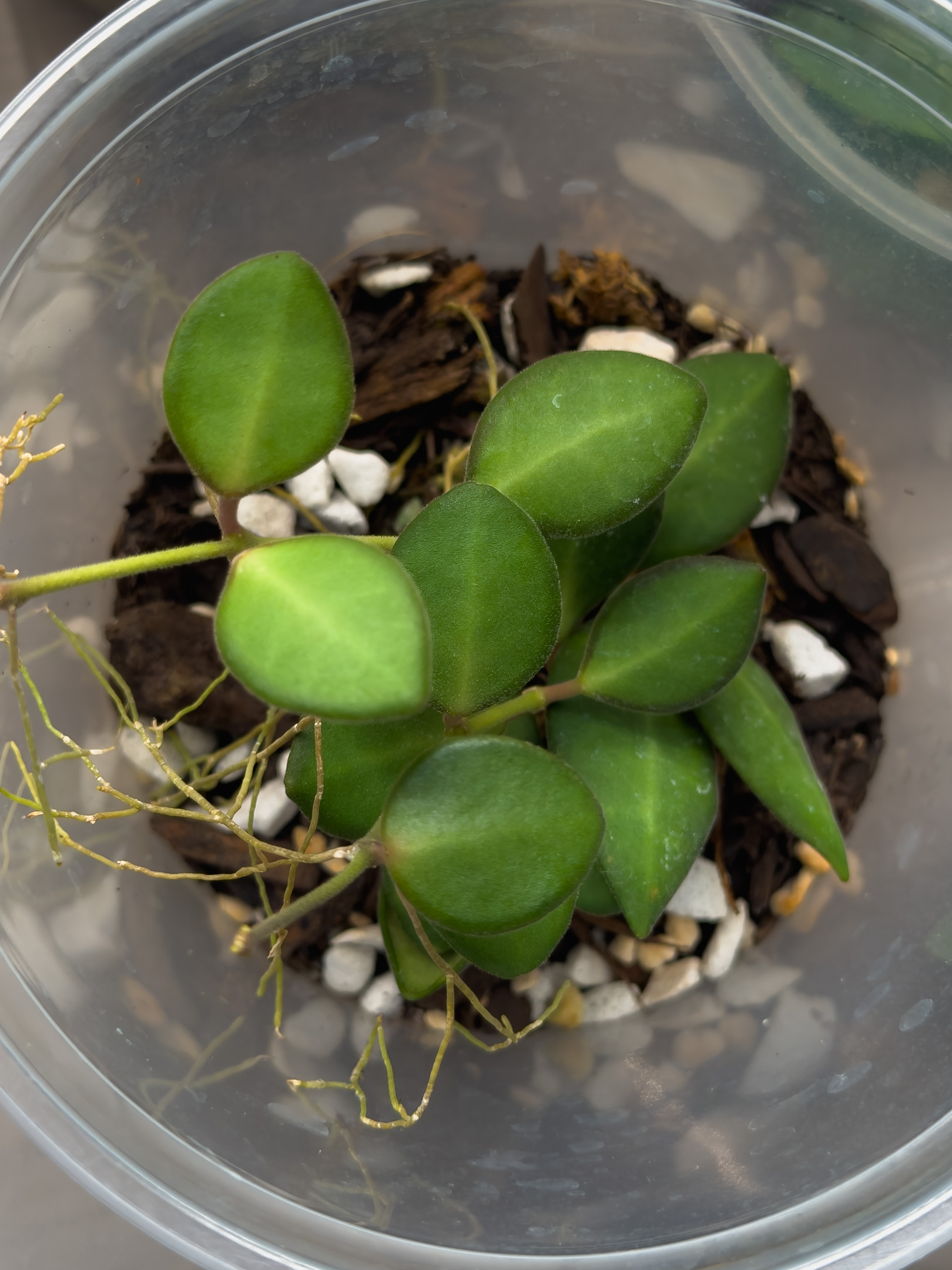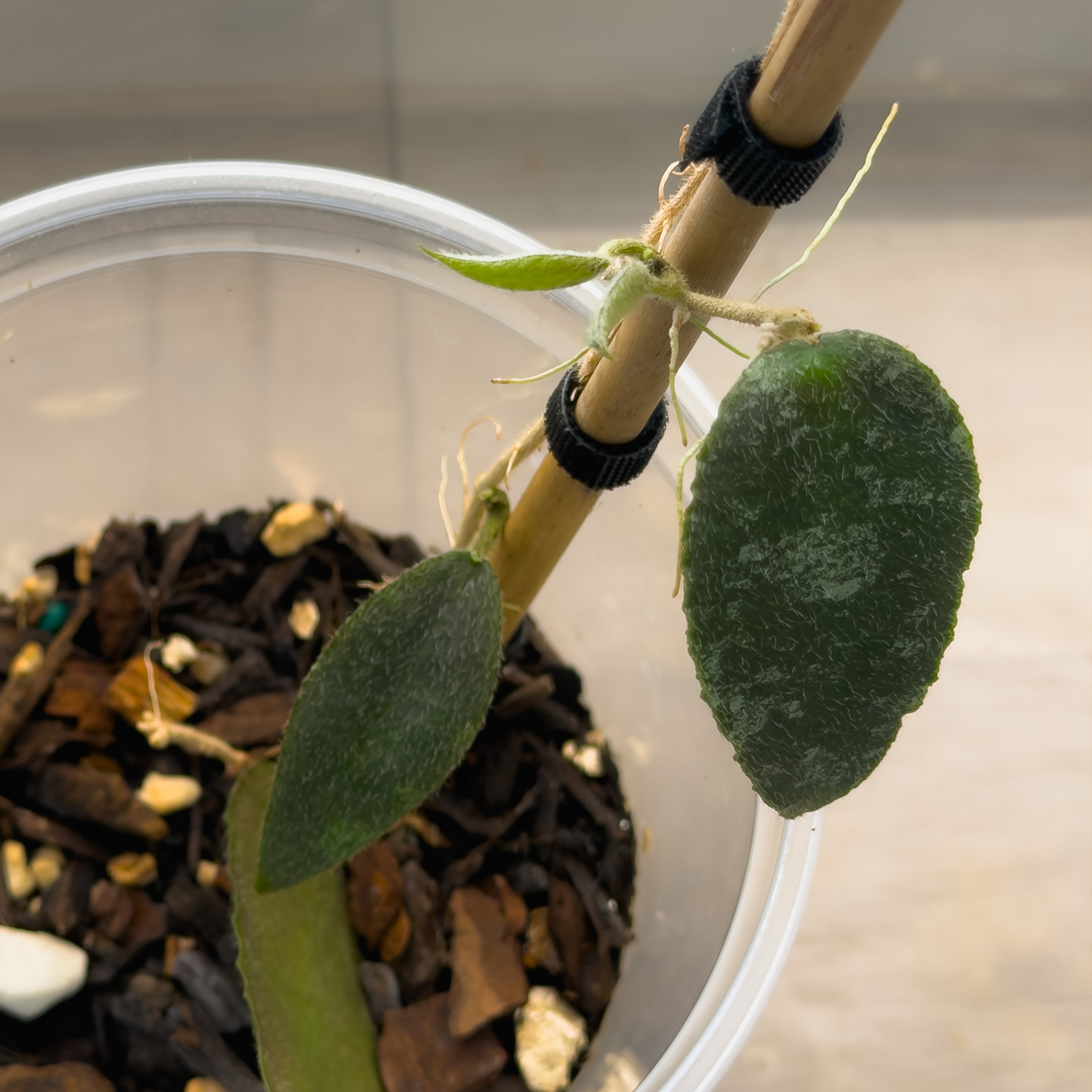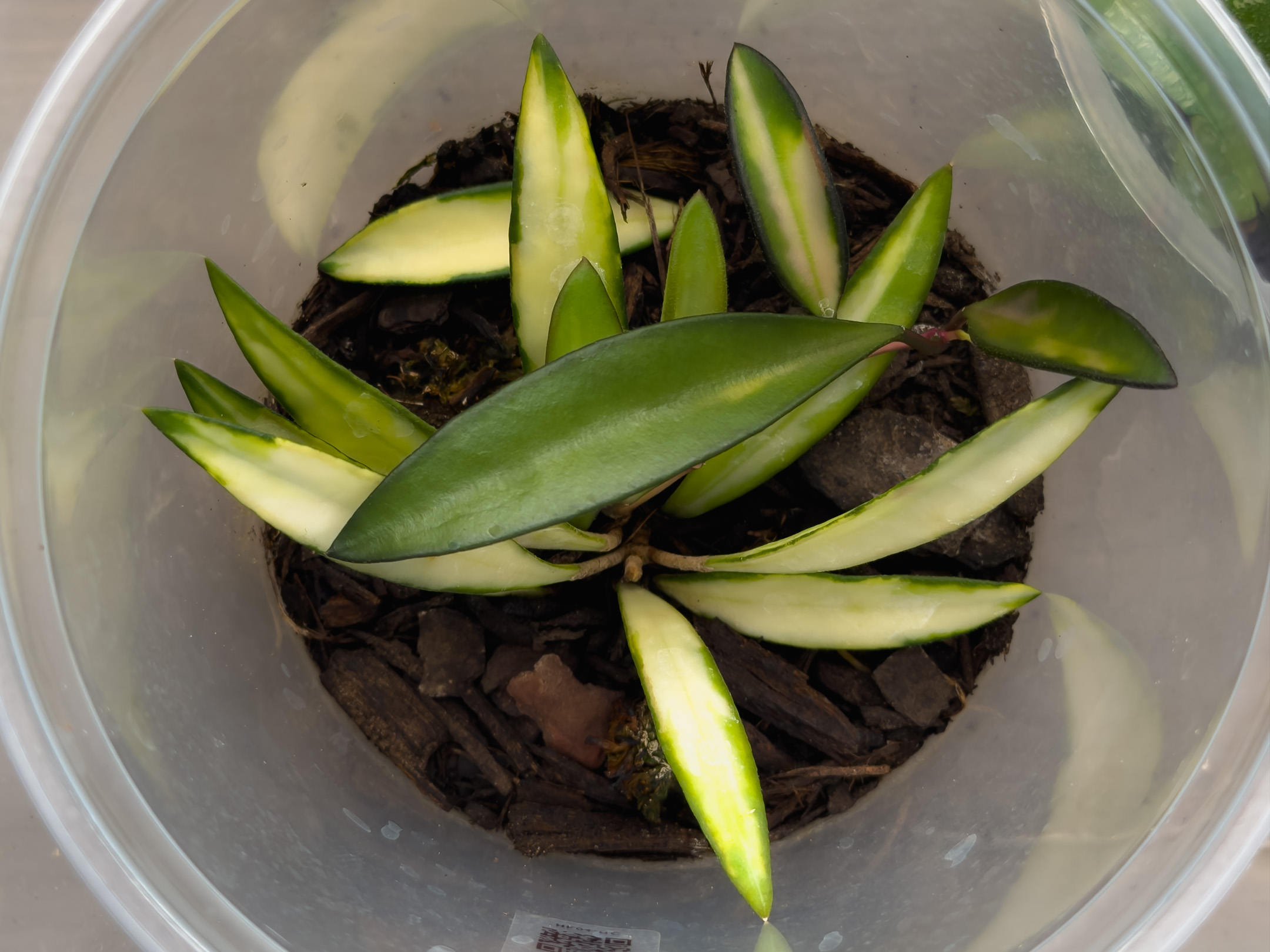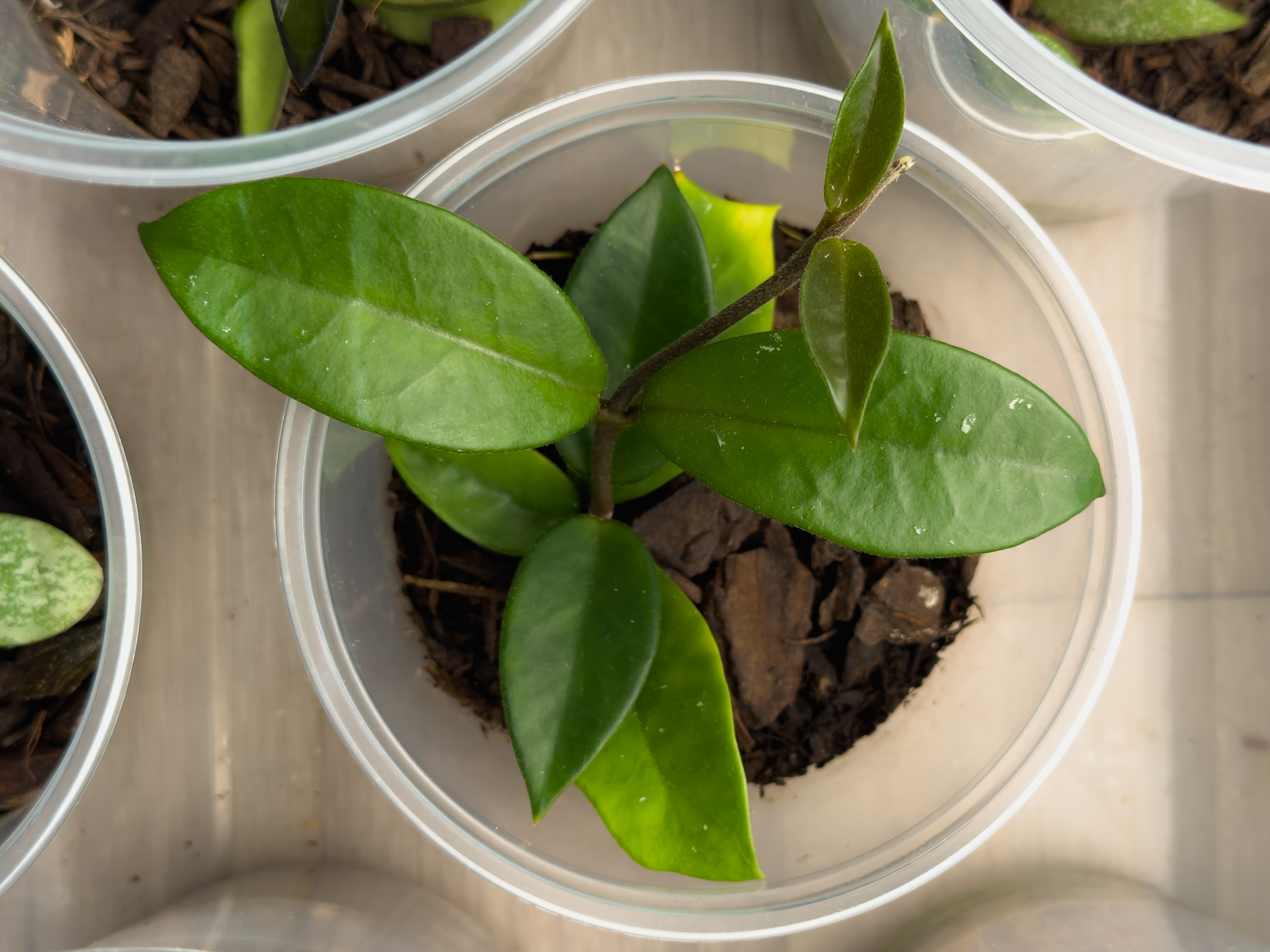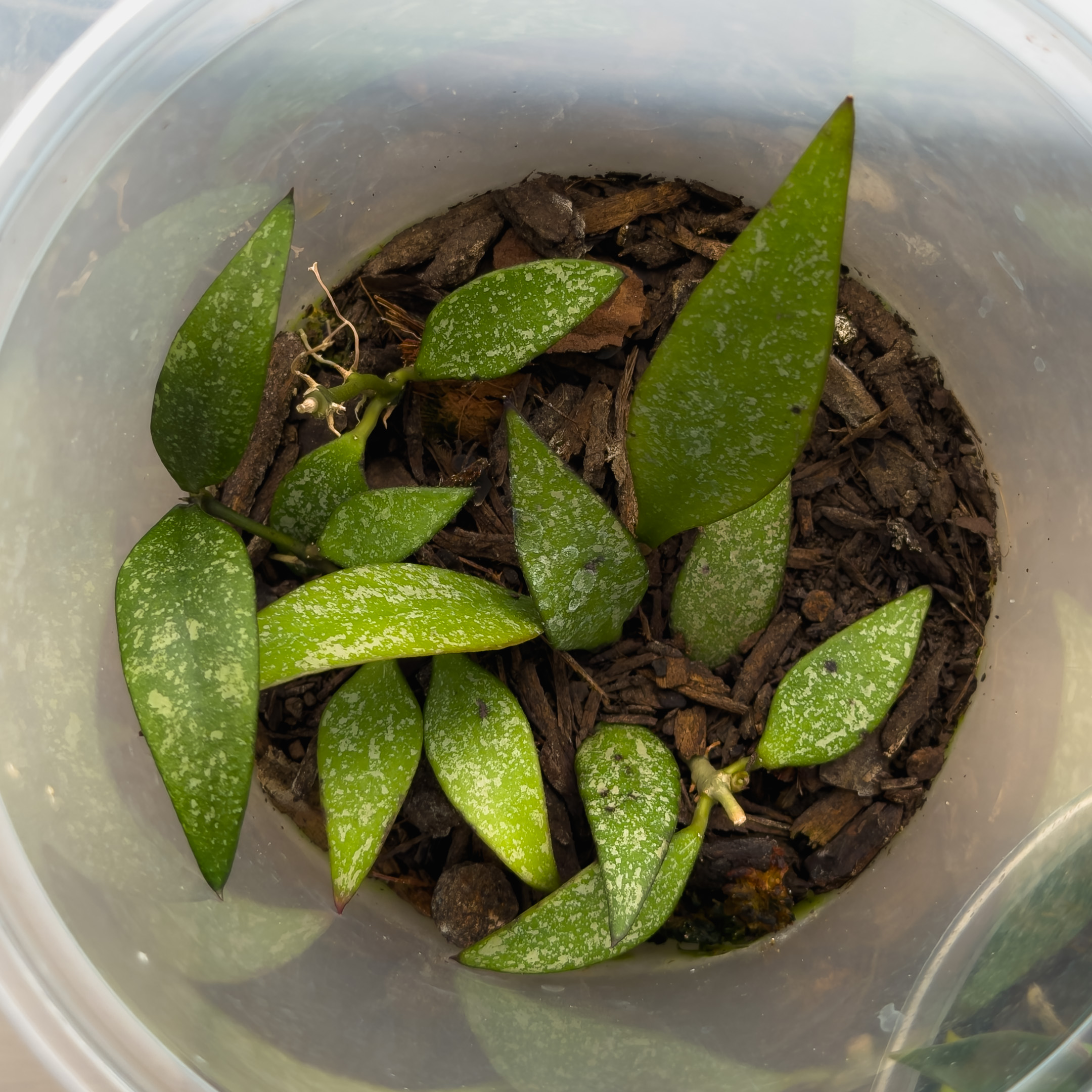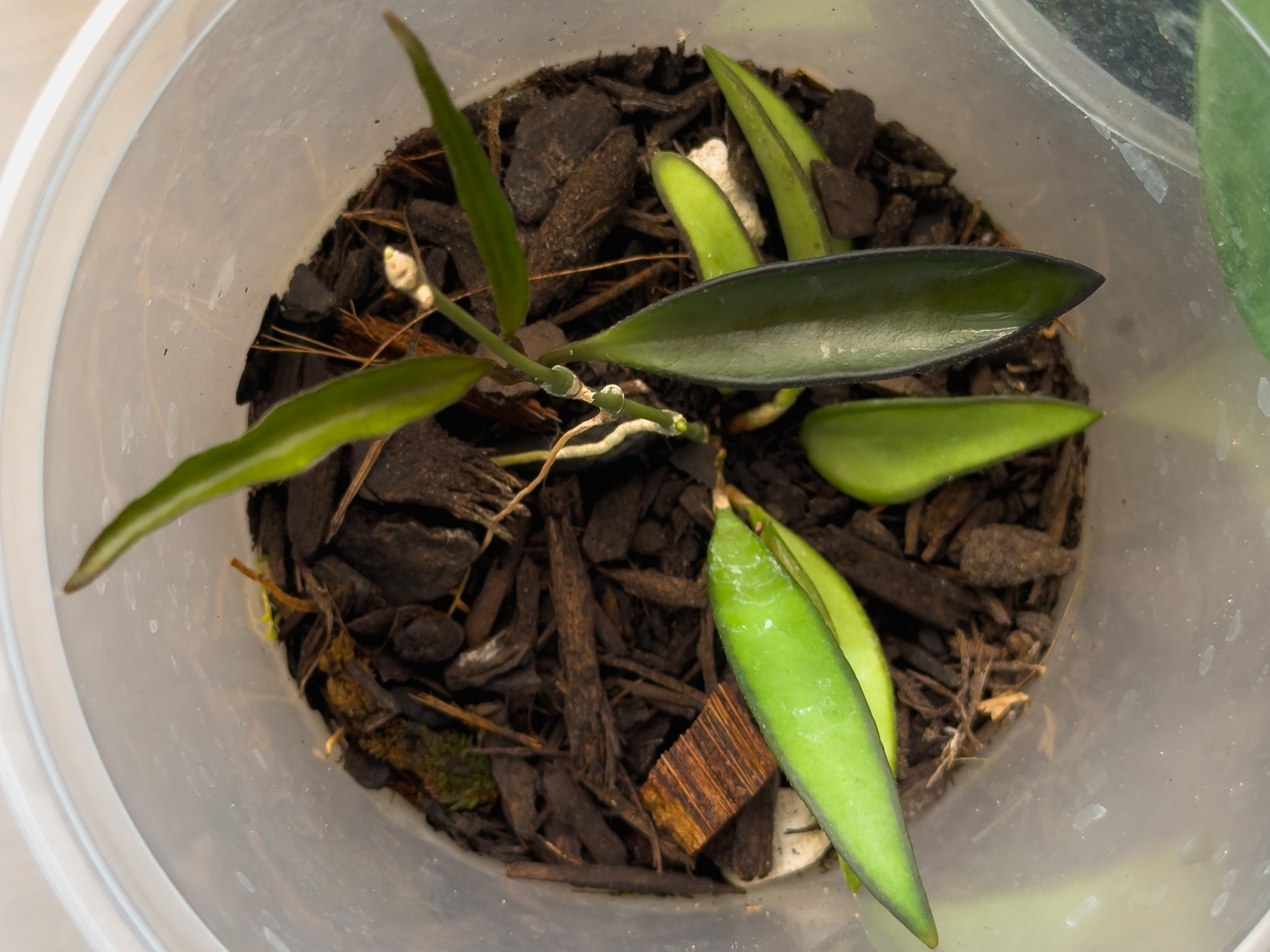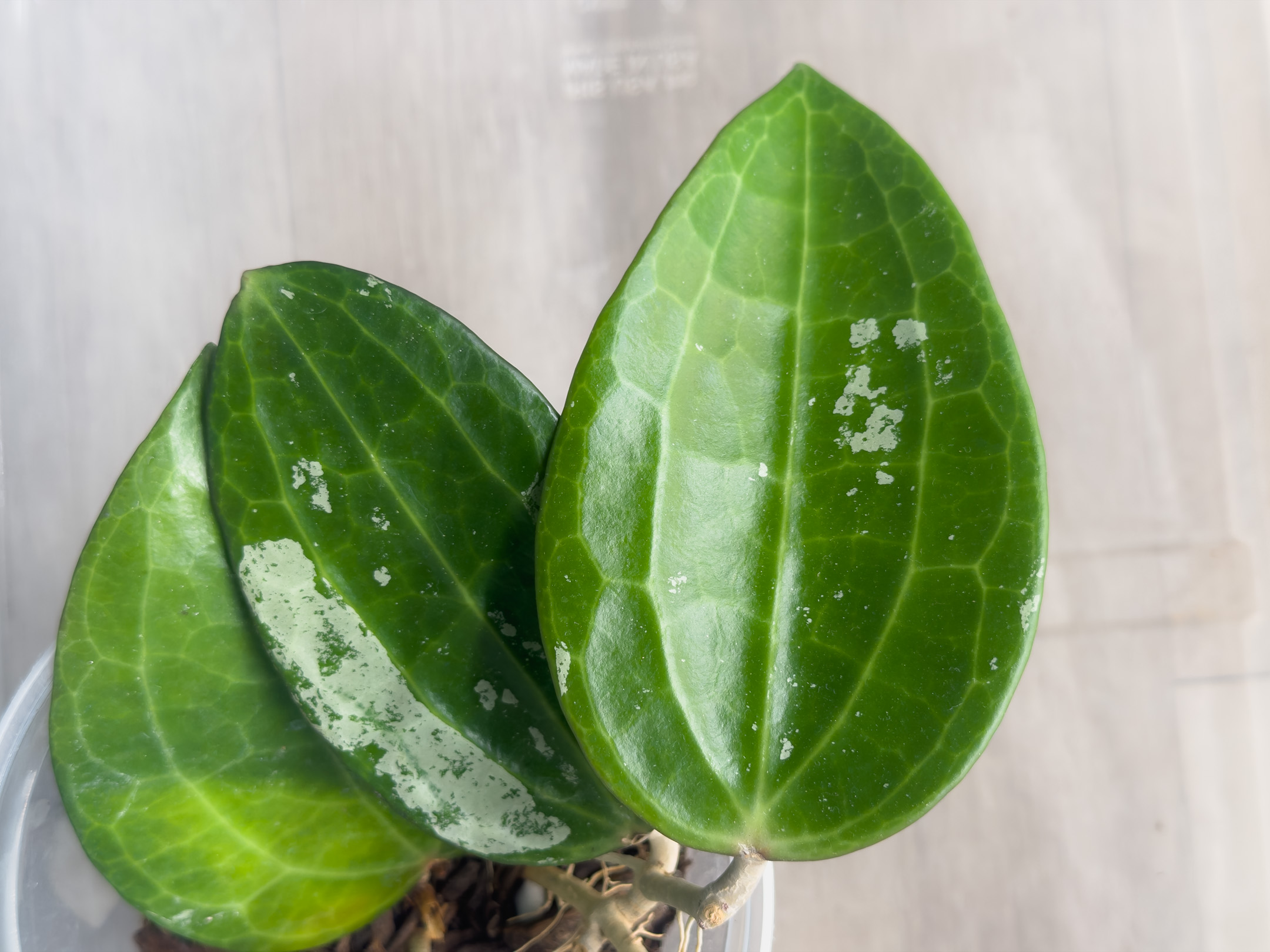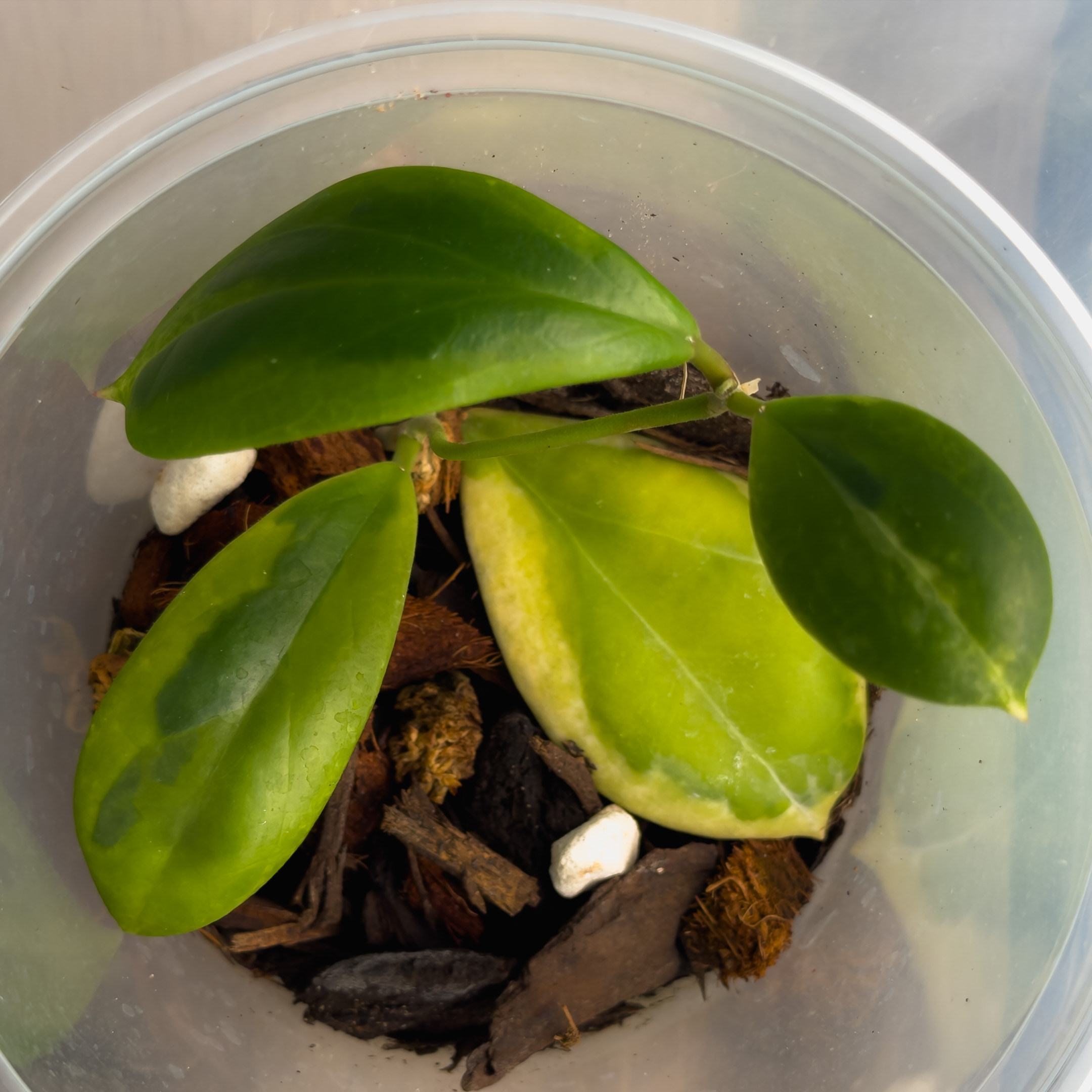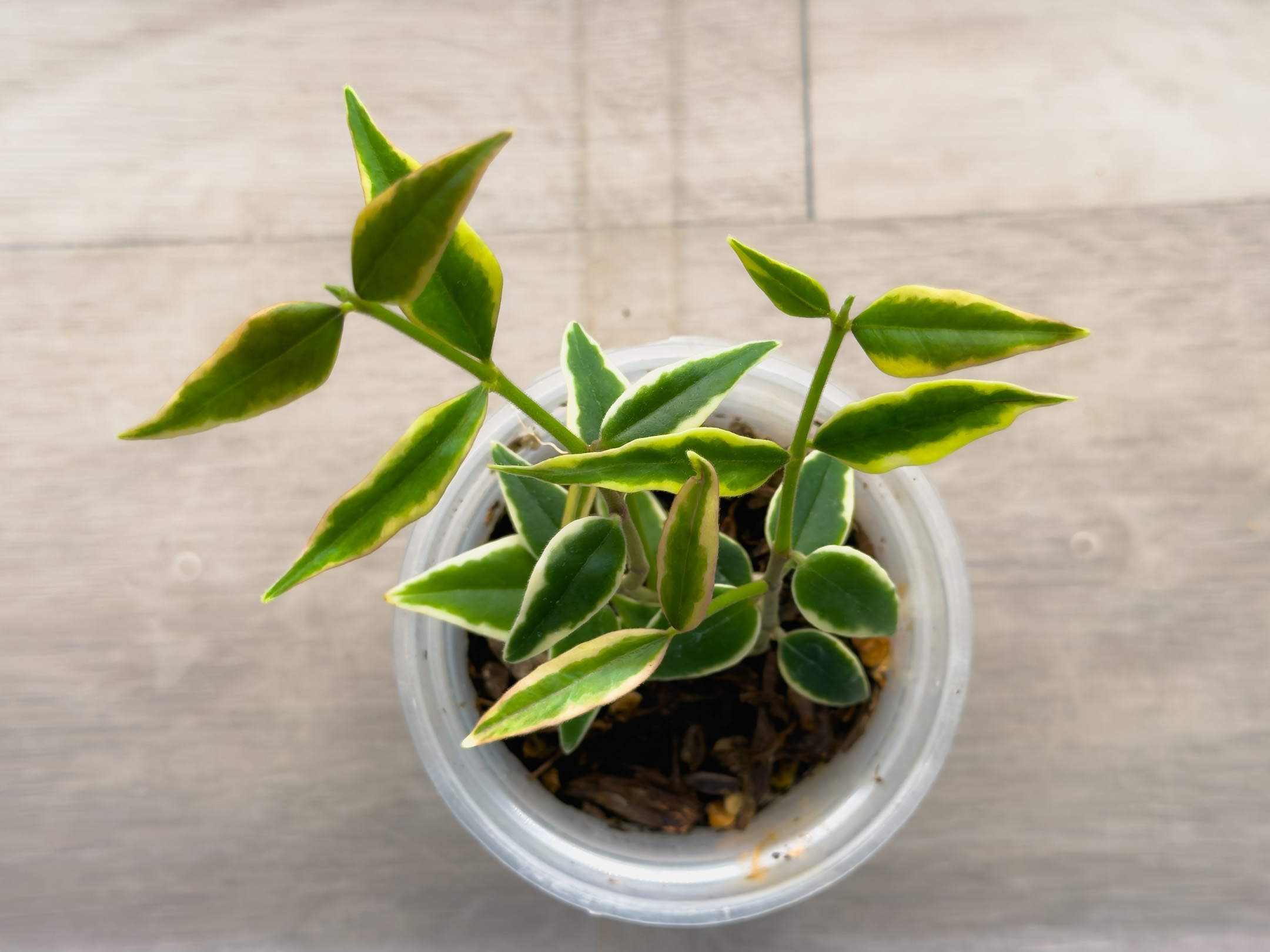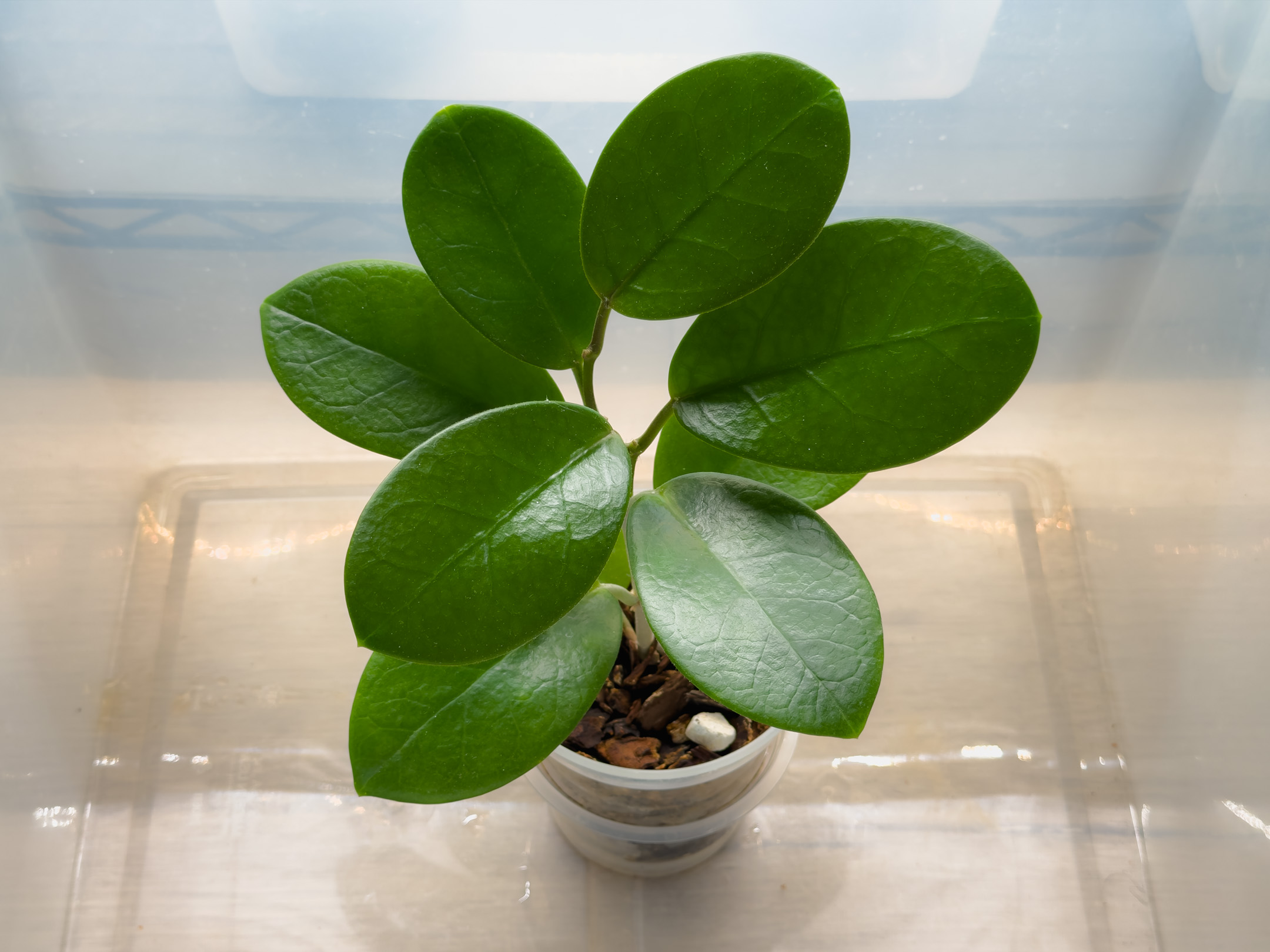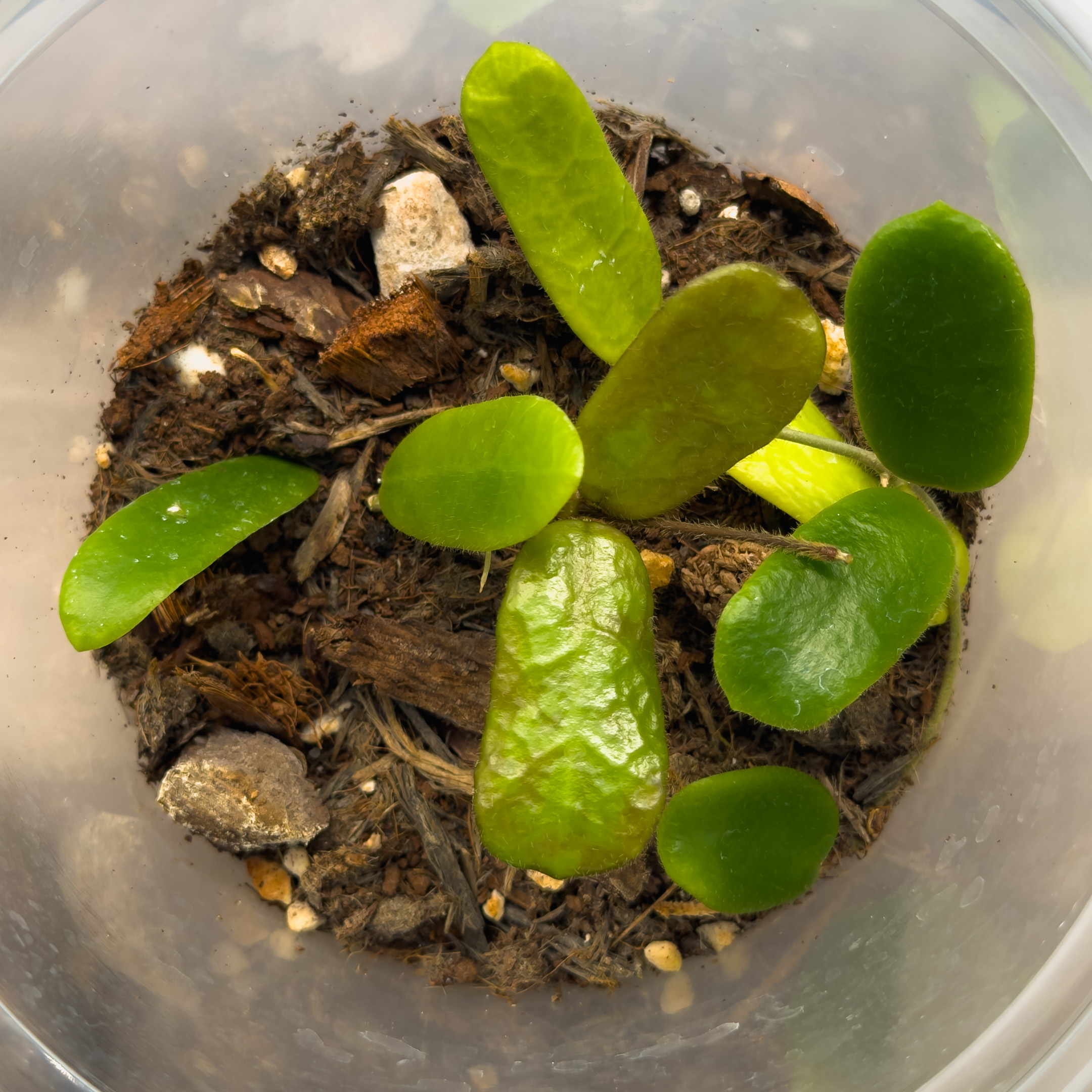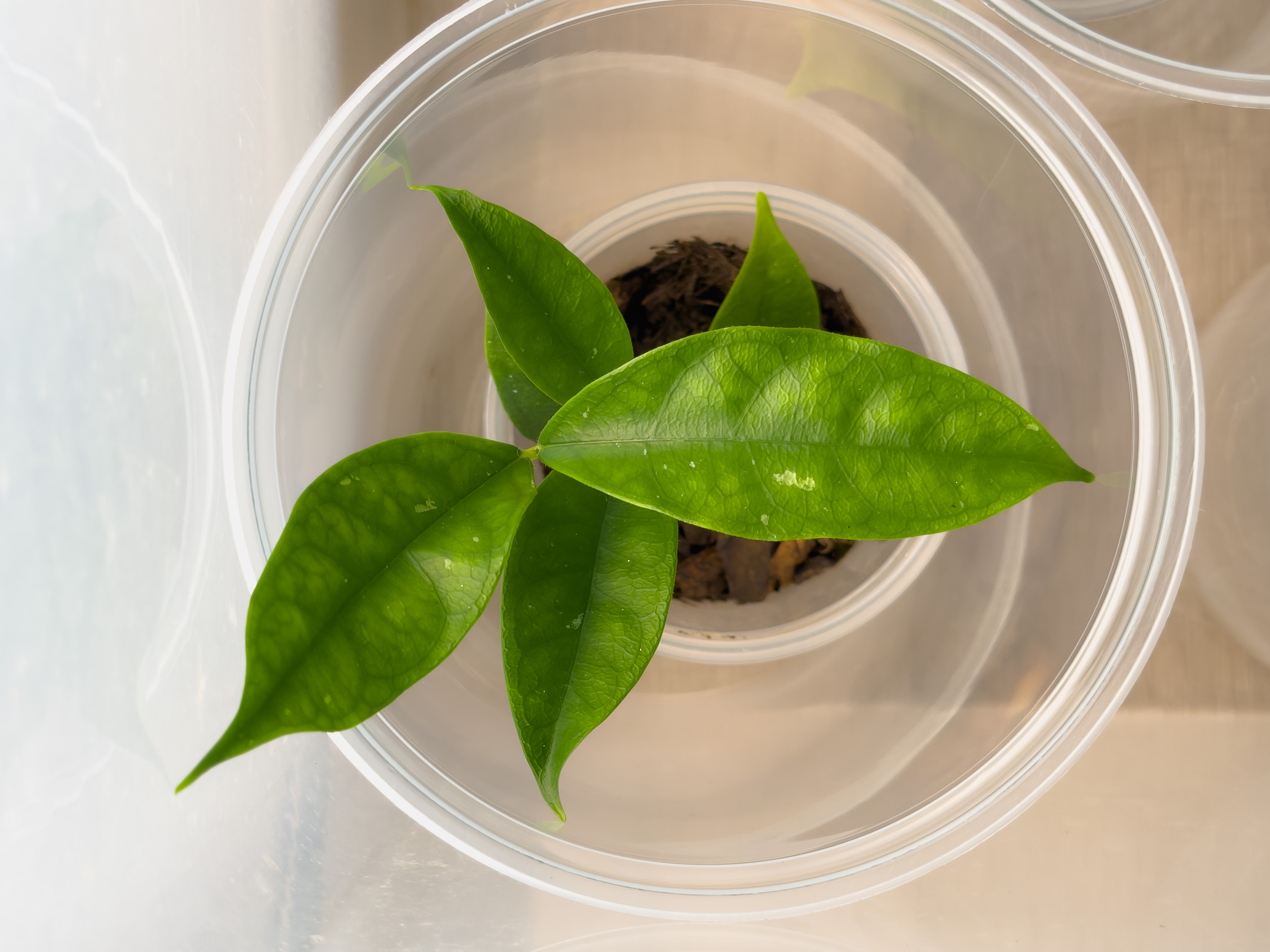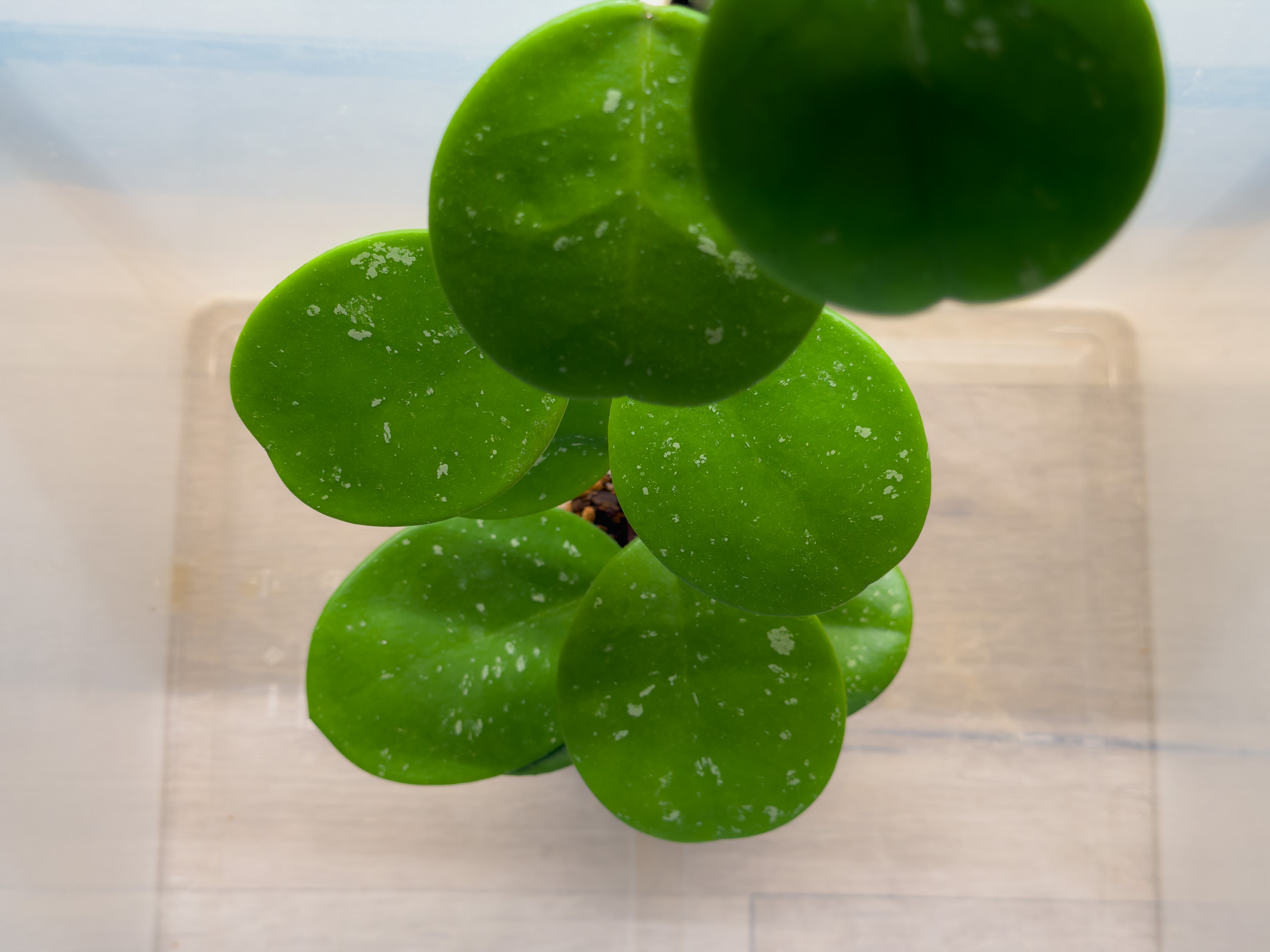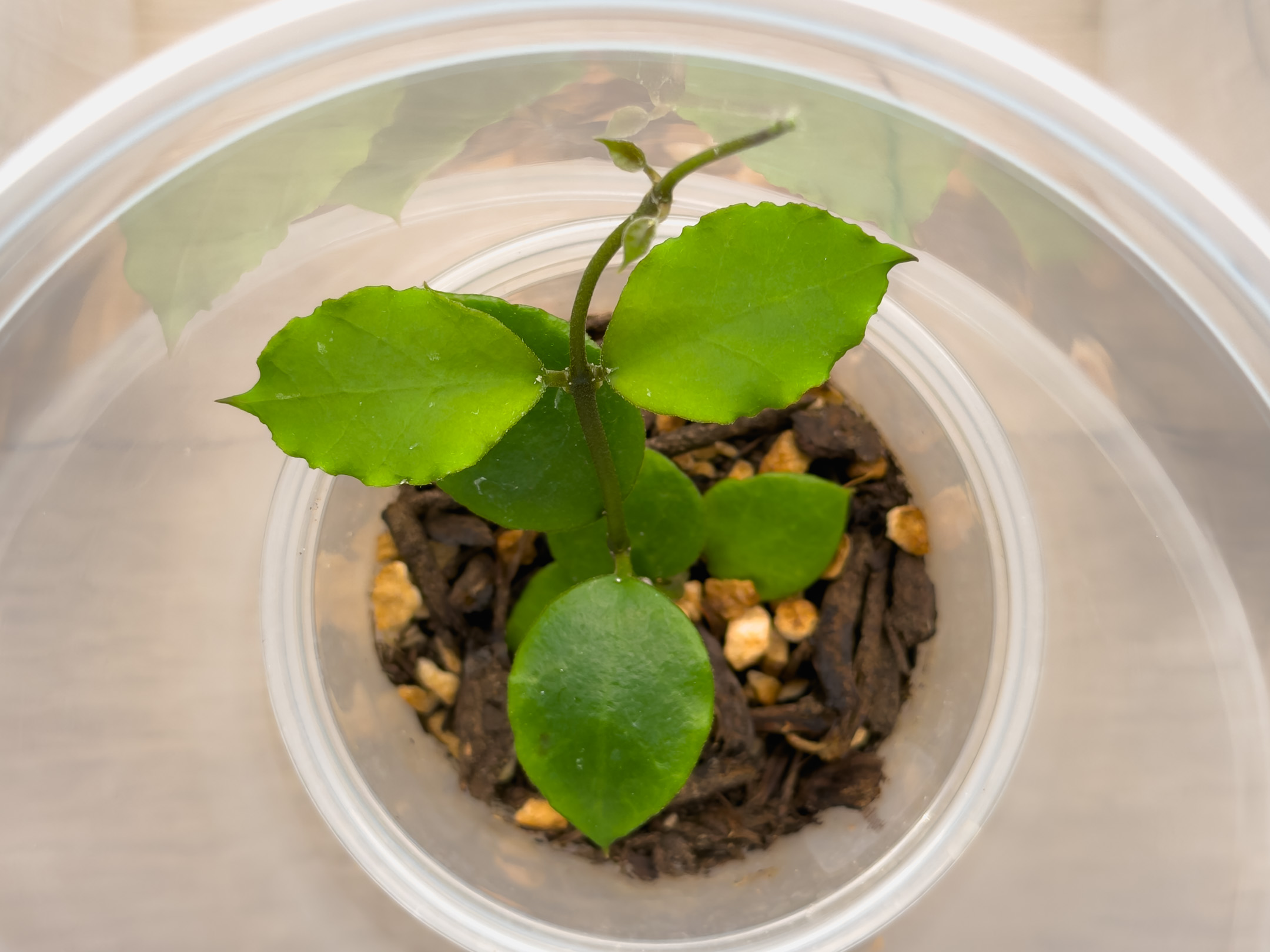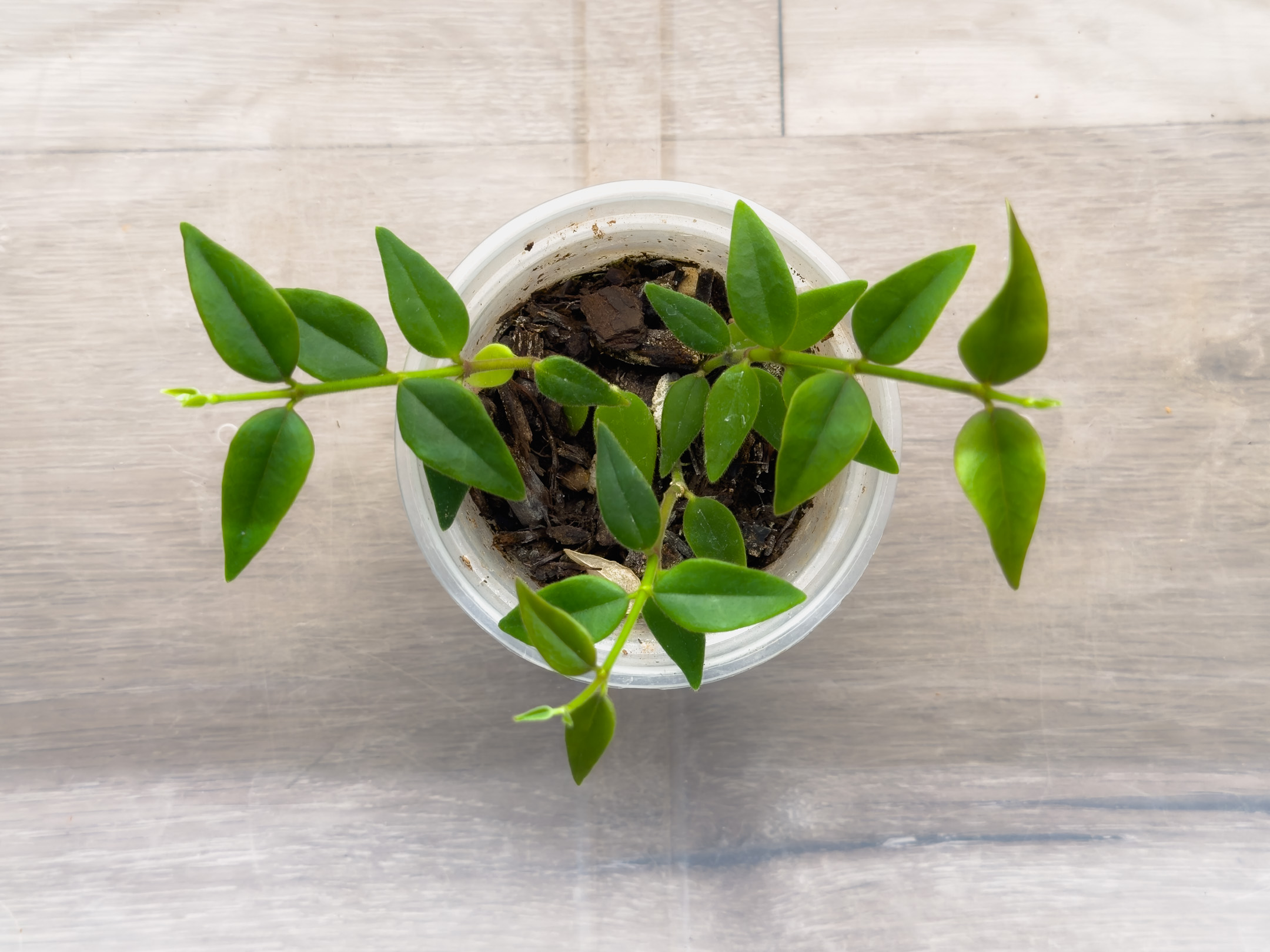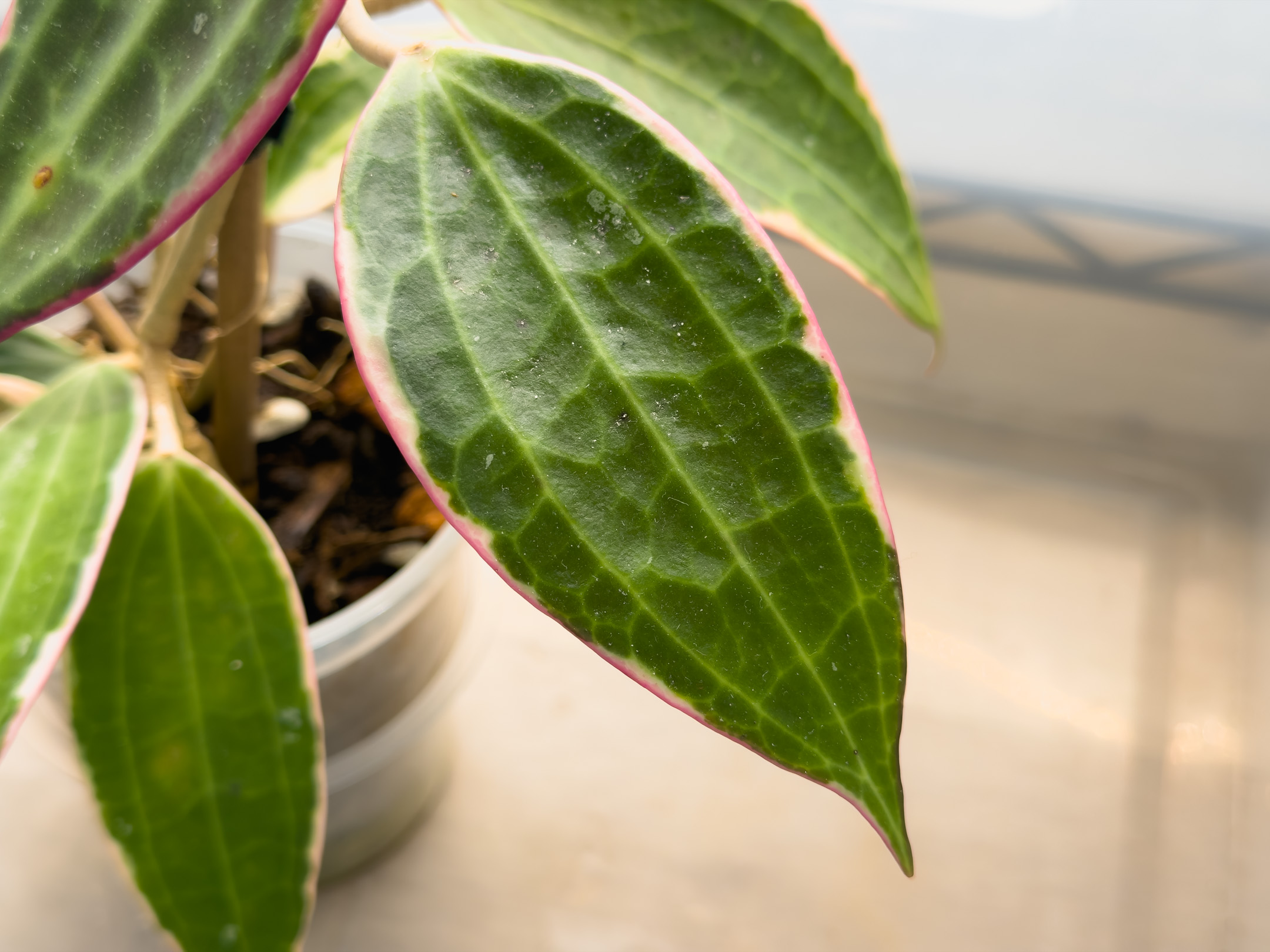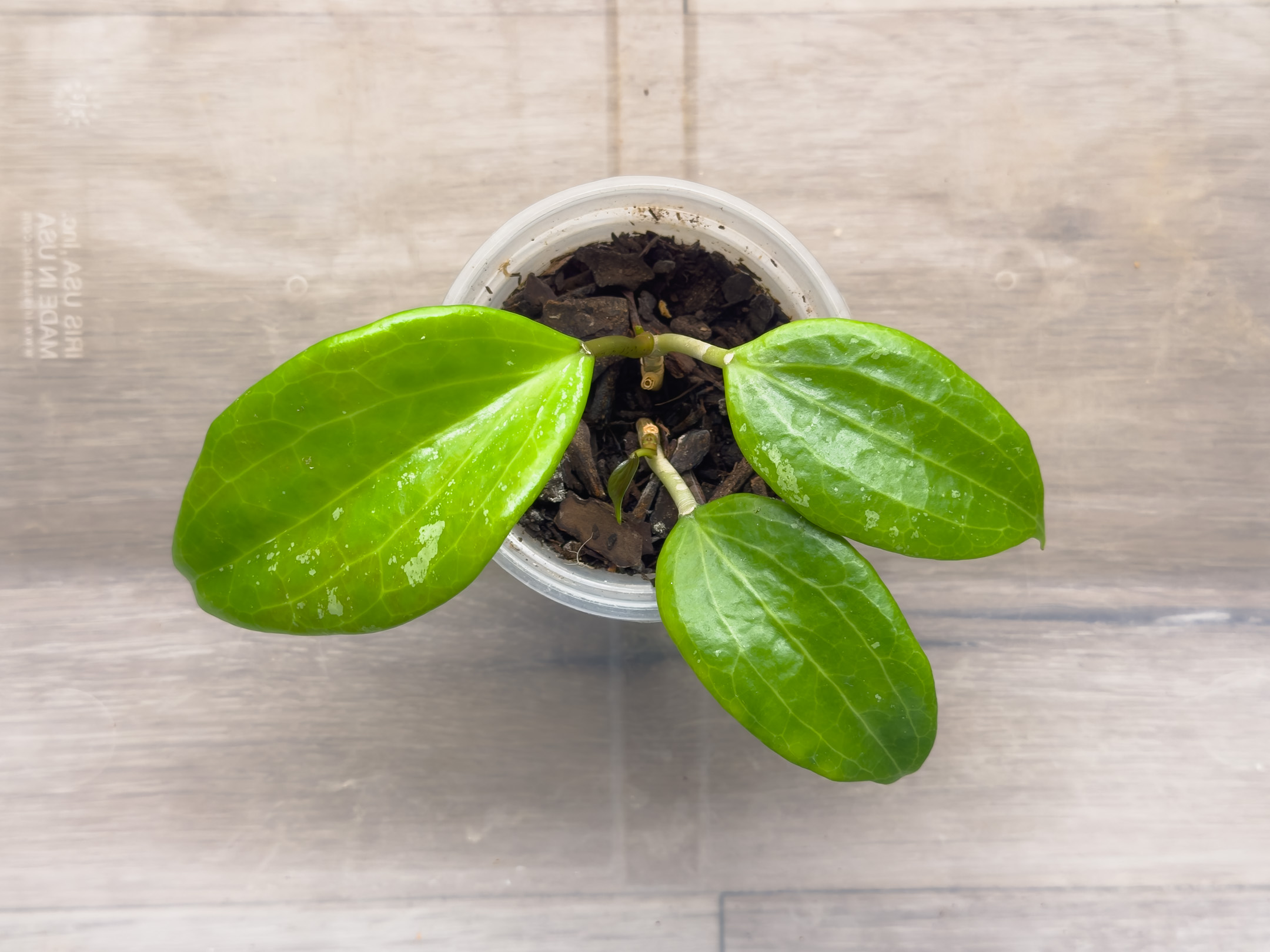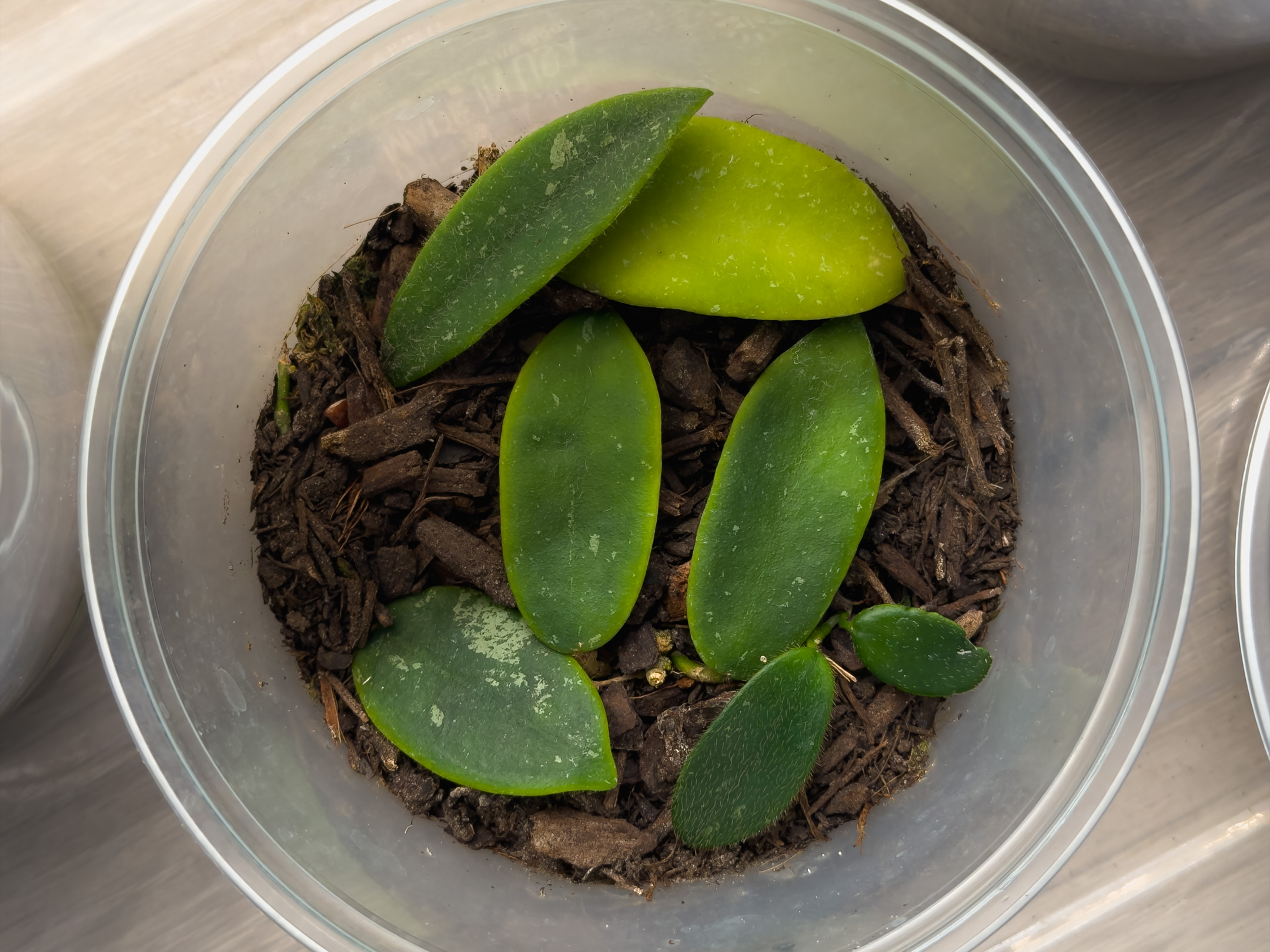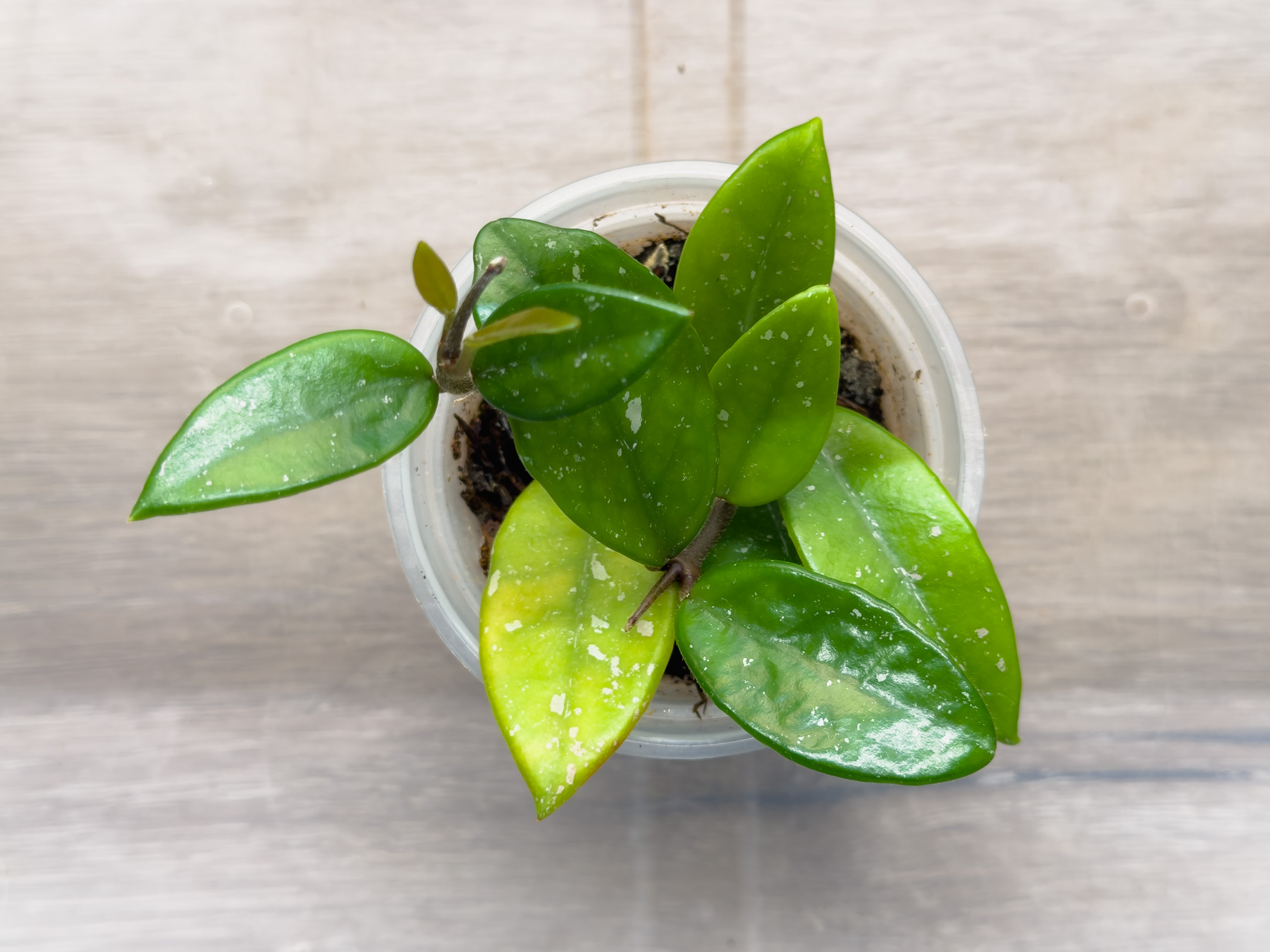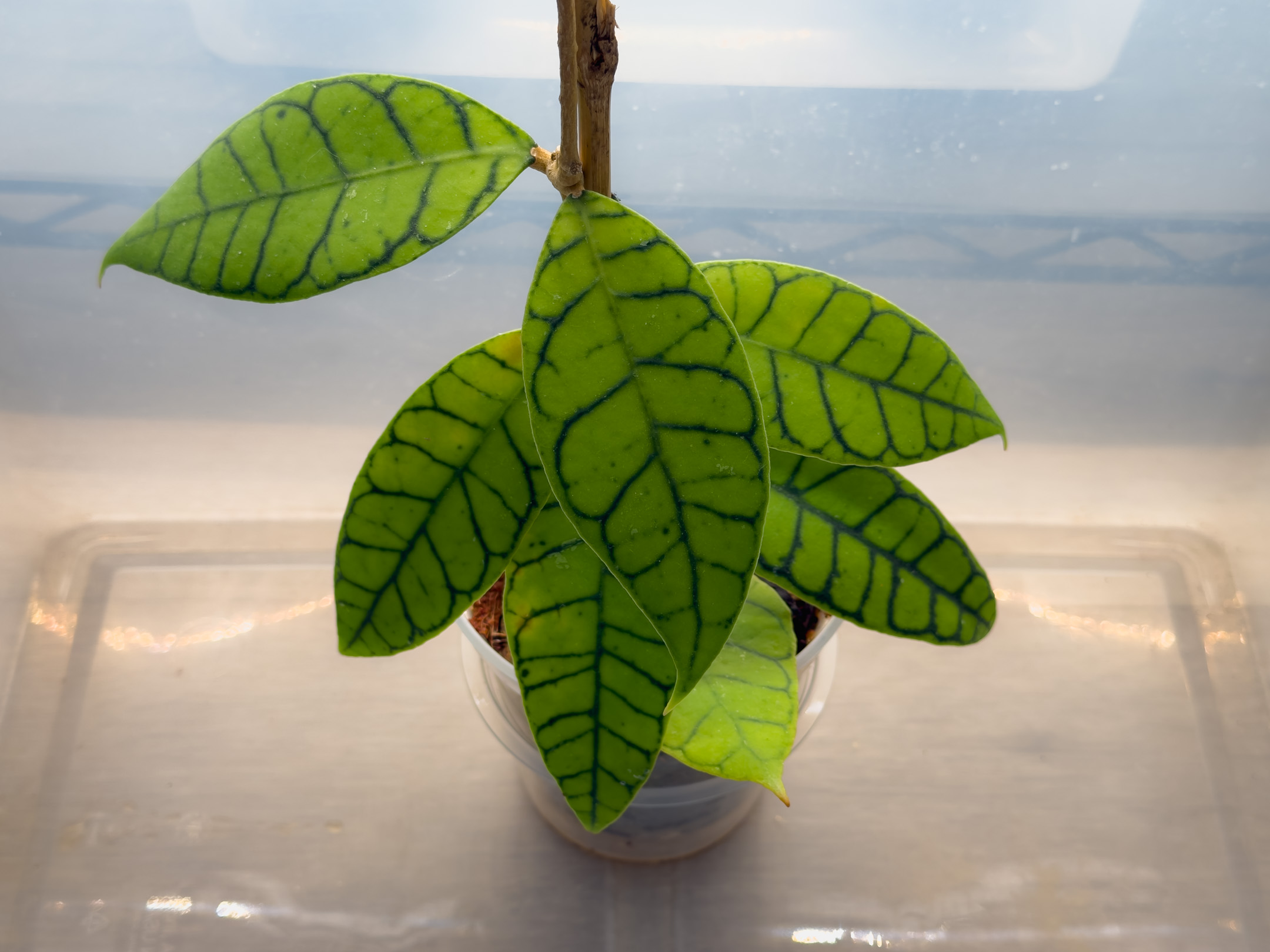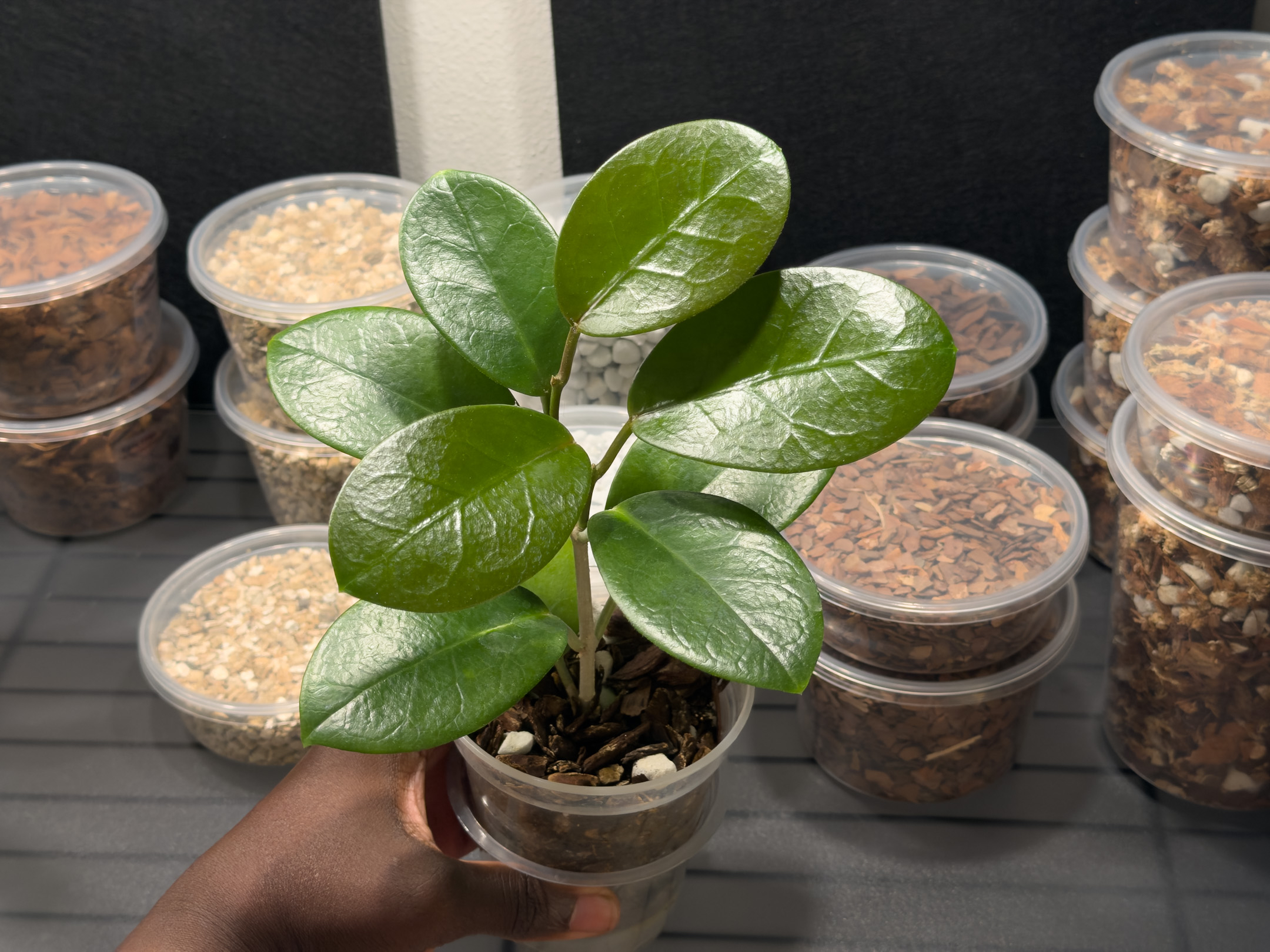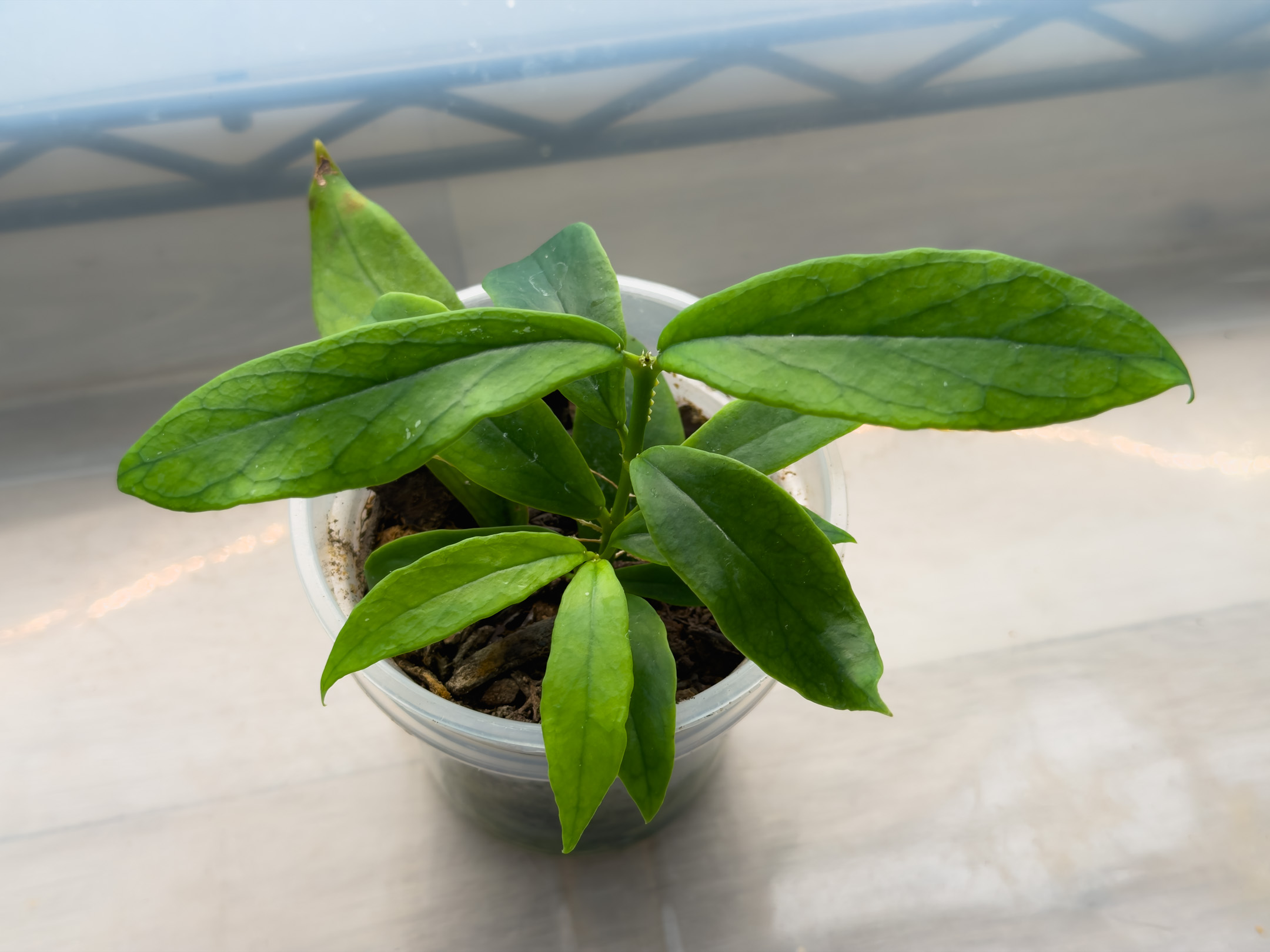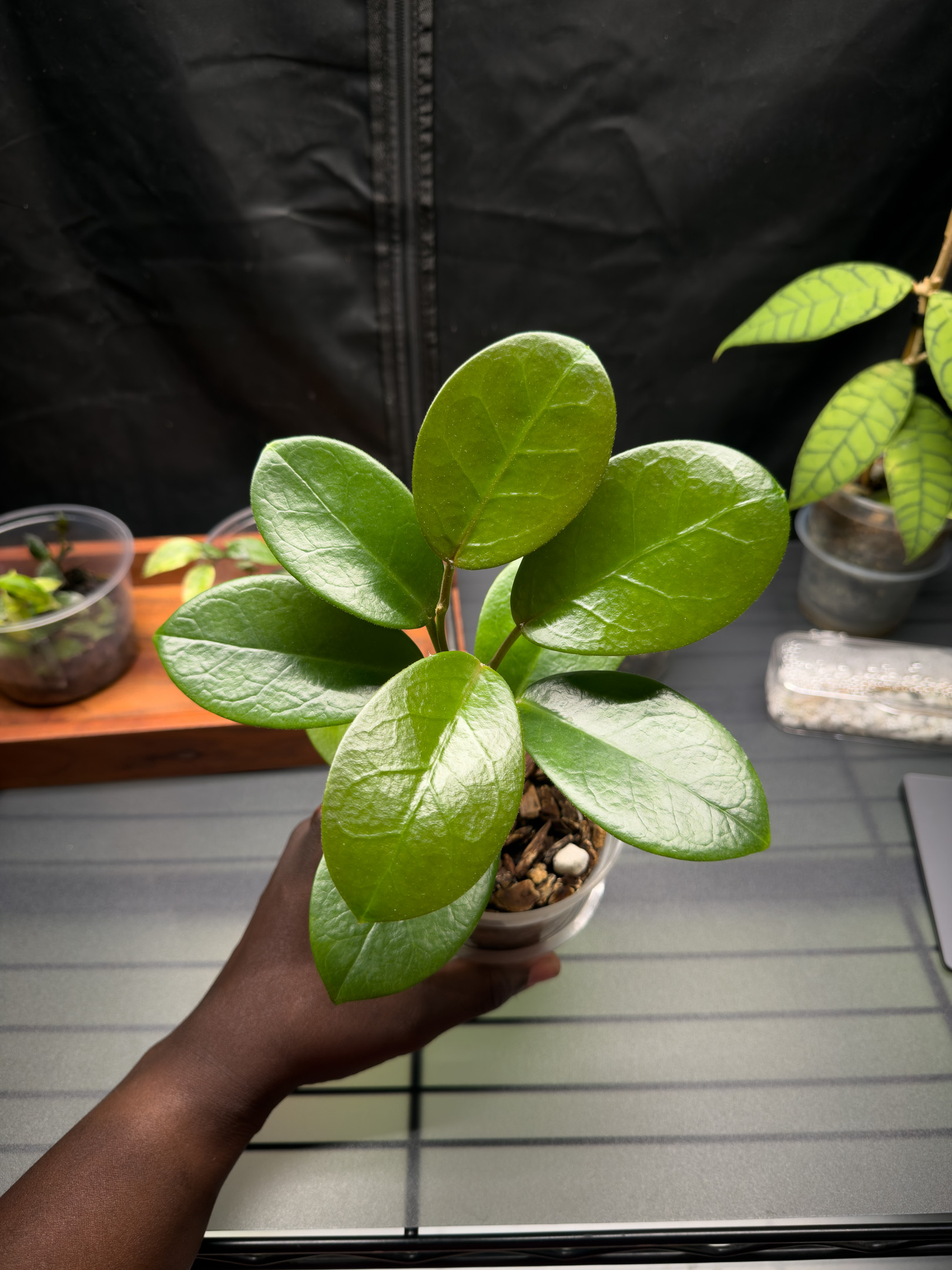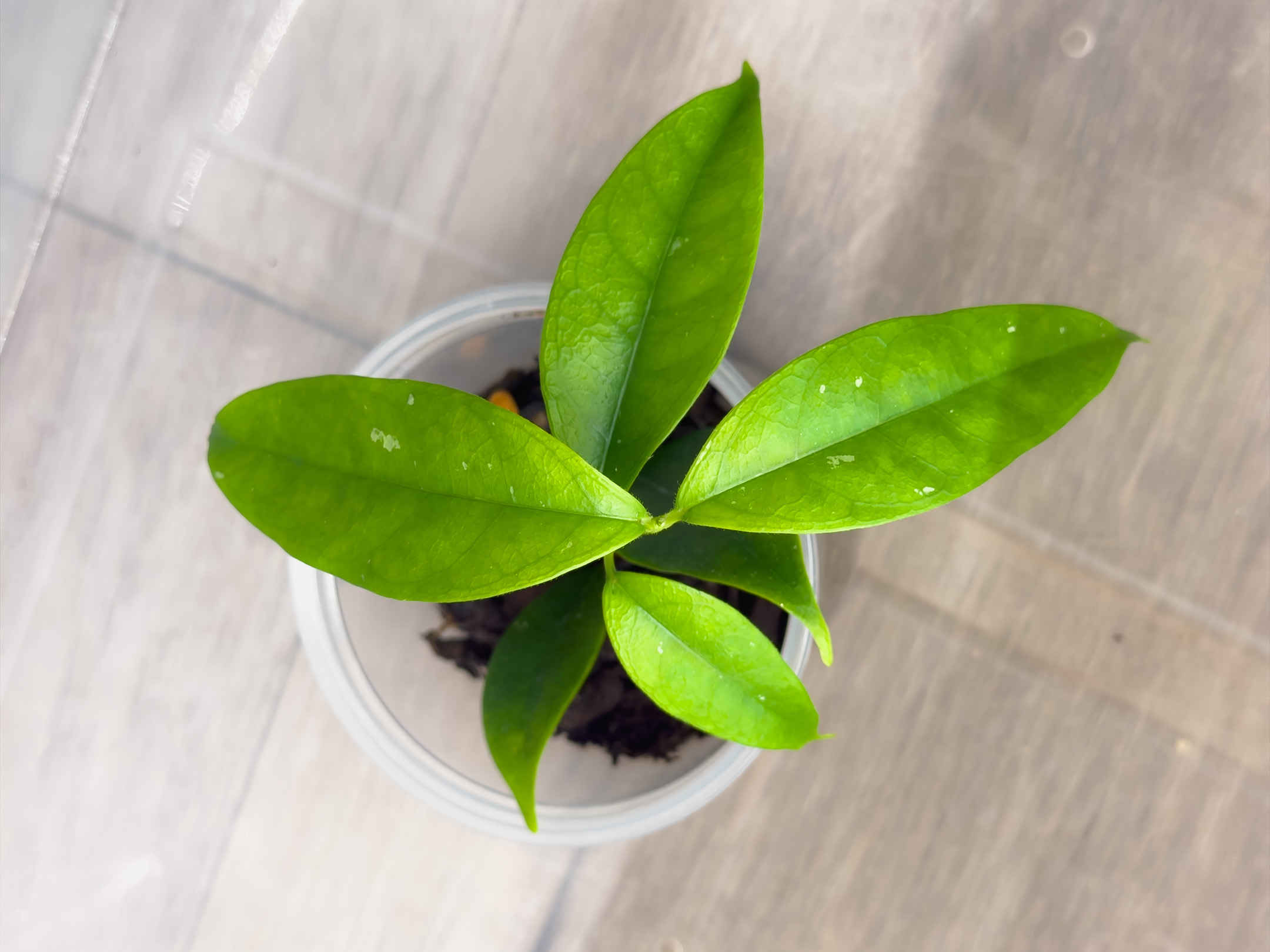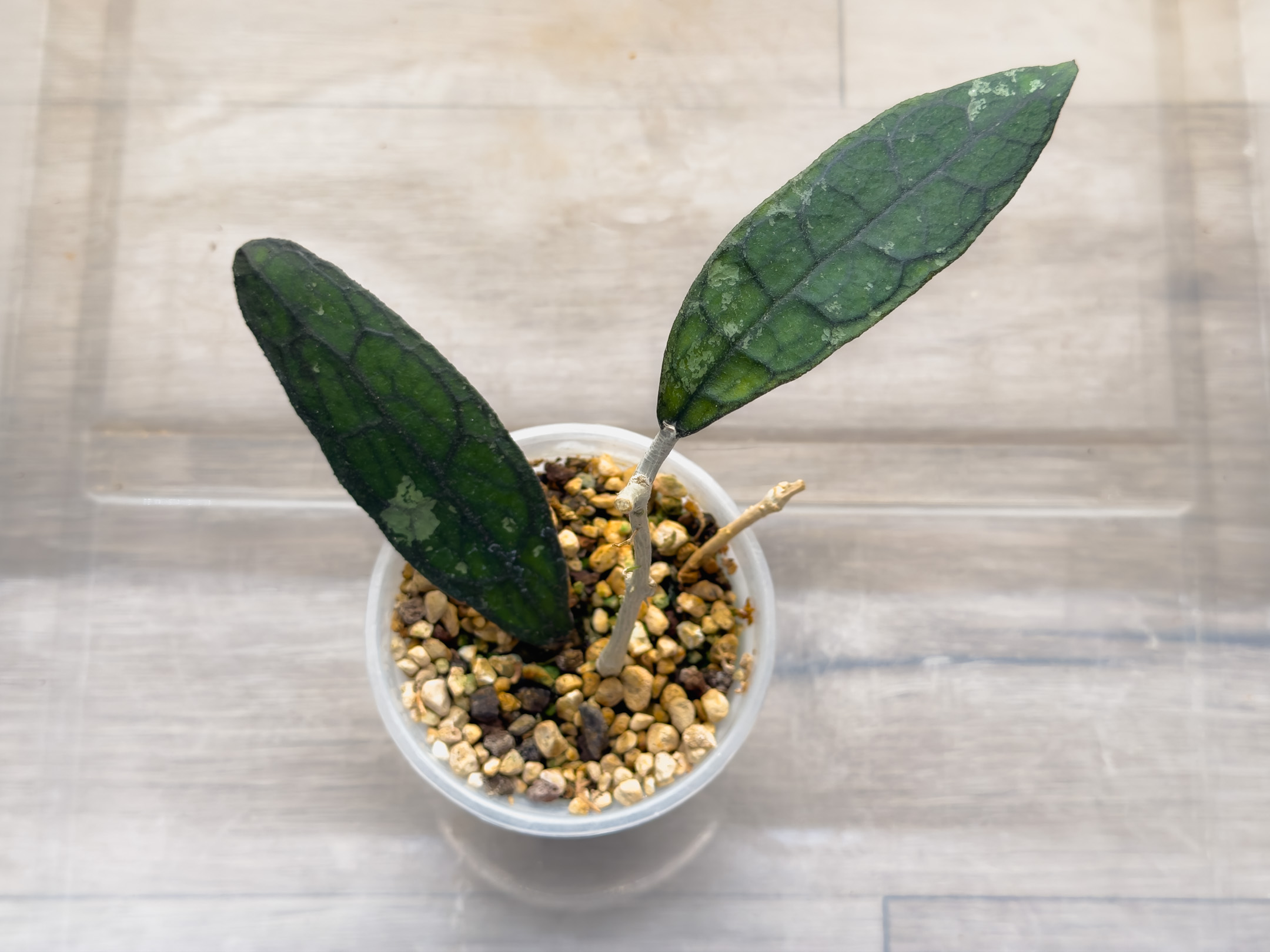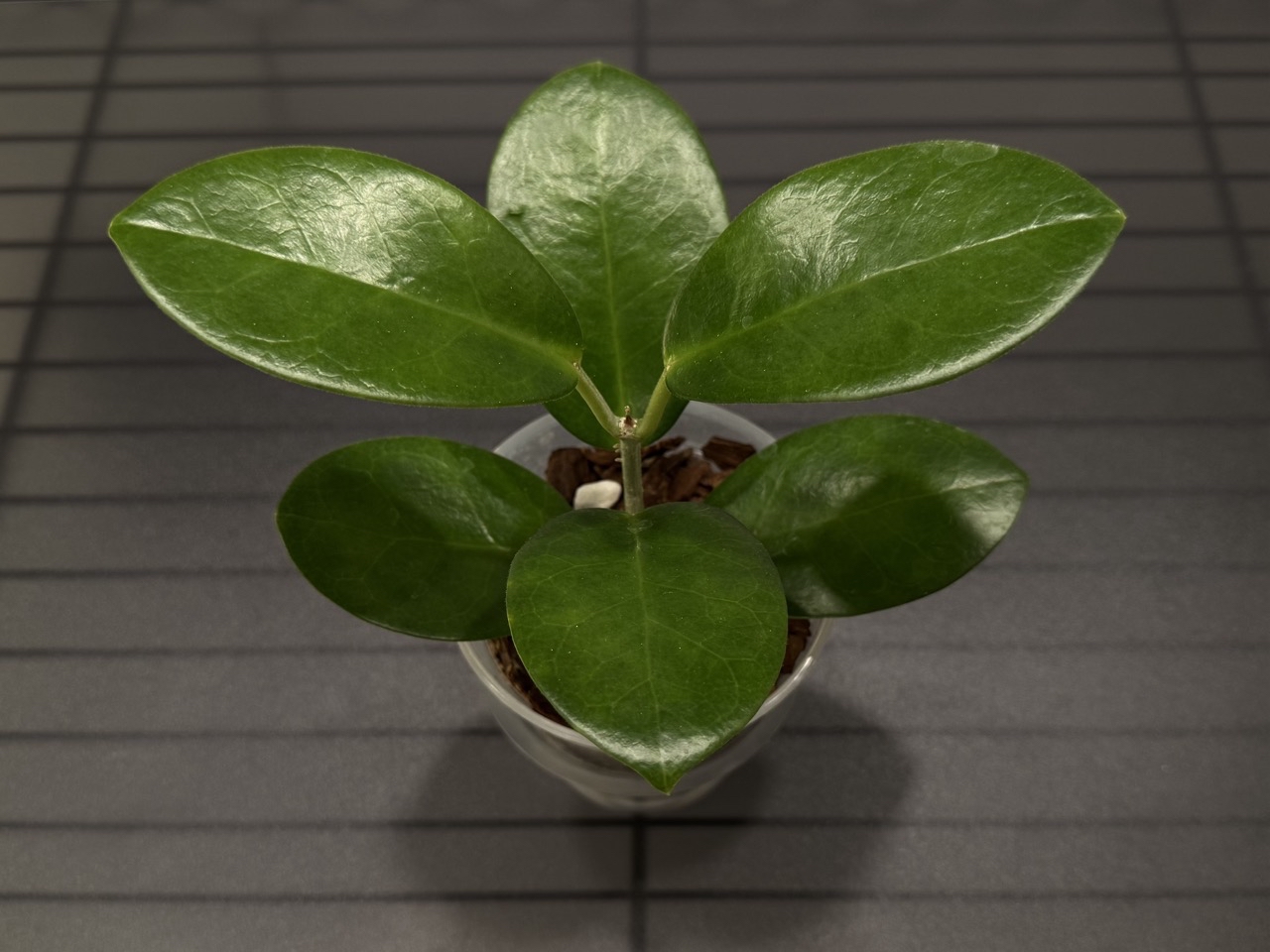




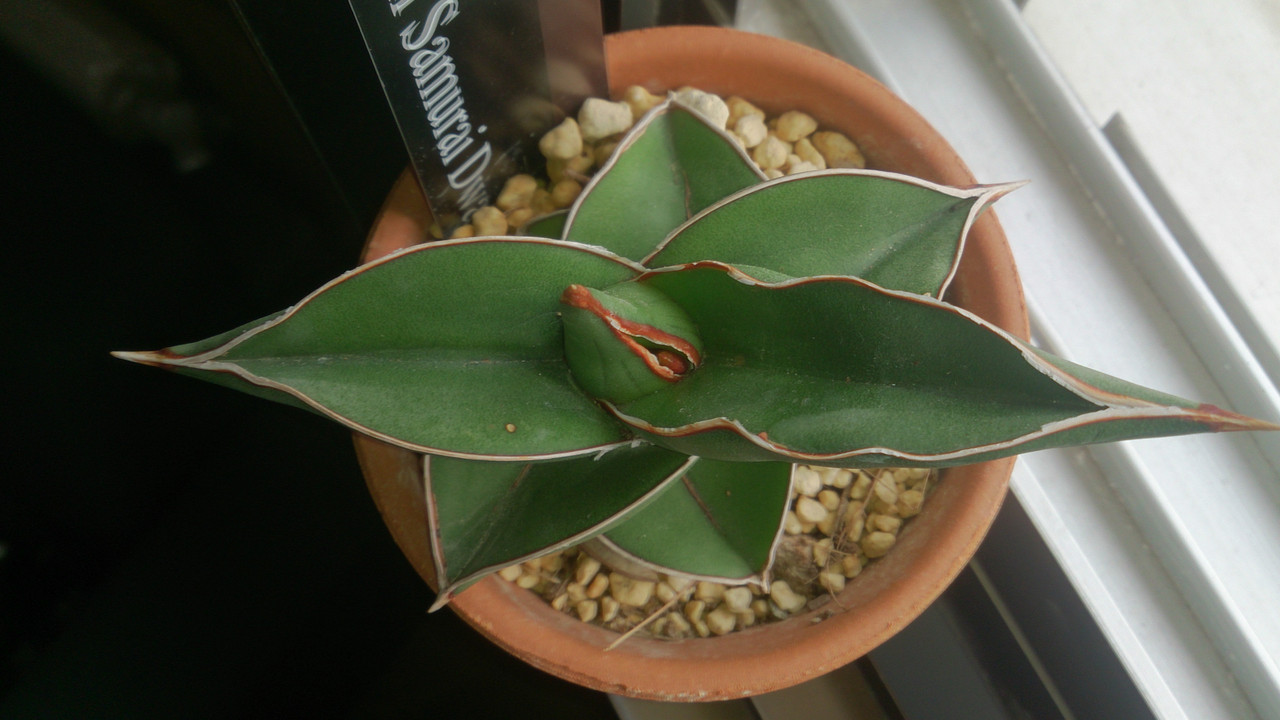
Samurai Dwarf brings the broad, fleshy leaf structure of the hanningtonii group into a compact horticultural form. Its tightly arranged leaves distinguish it from the open blade-like fans of familiar snake plants.

Dracaena plants thrive in moderate humidity and slightly moist soil. However, it’s important to let the soil dry out completely before watering to avoid overwatering. This plant can go several weeks without water.
In terms of lighting, Dracaena plants prefer bright, indirect light but can also tolerate low lighting conditions.
When it comes to potting, repot the plant in pots that are no larger than 1 inch in diameter from the root system.
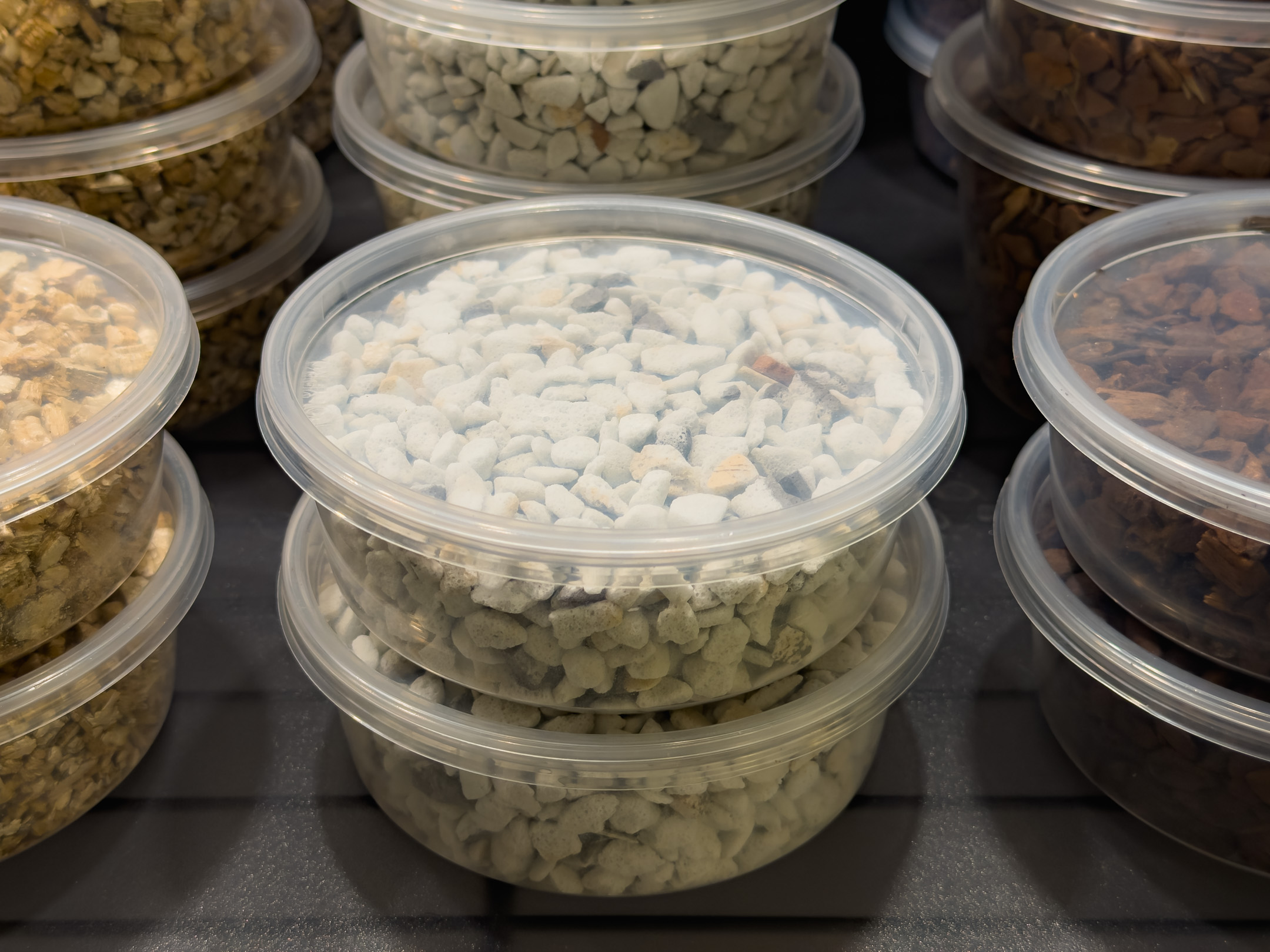
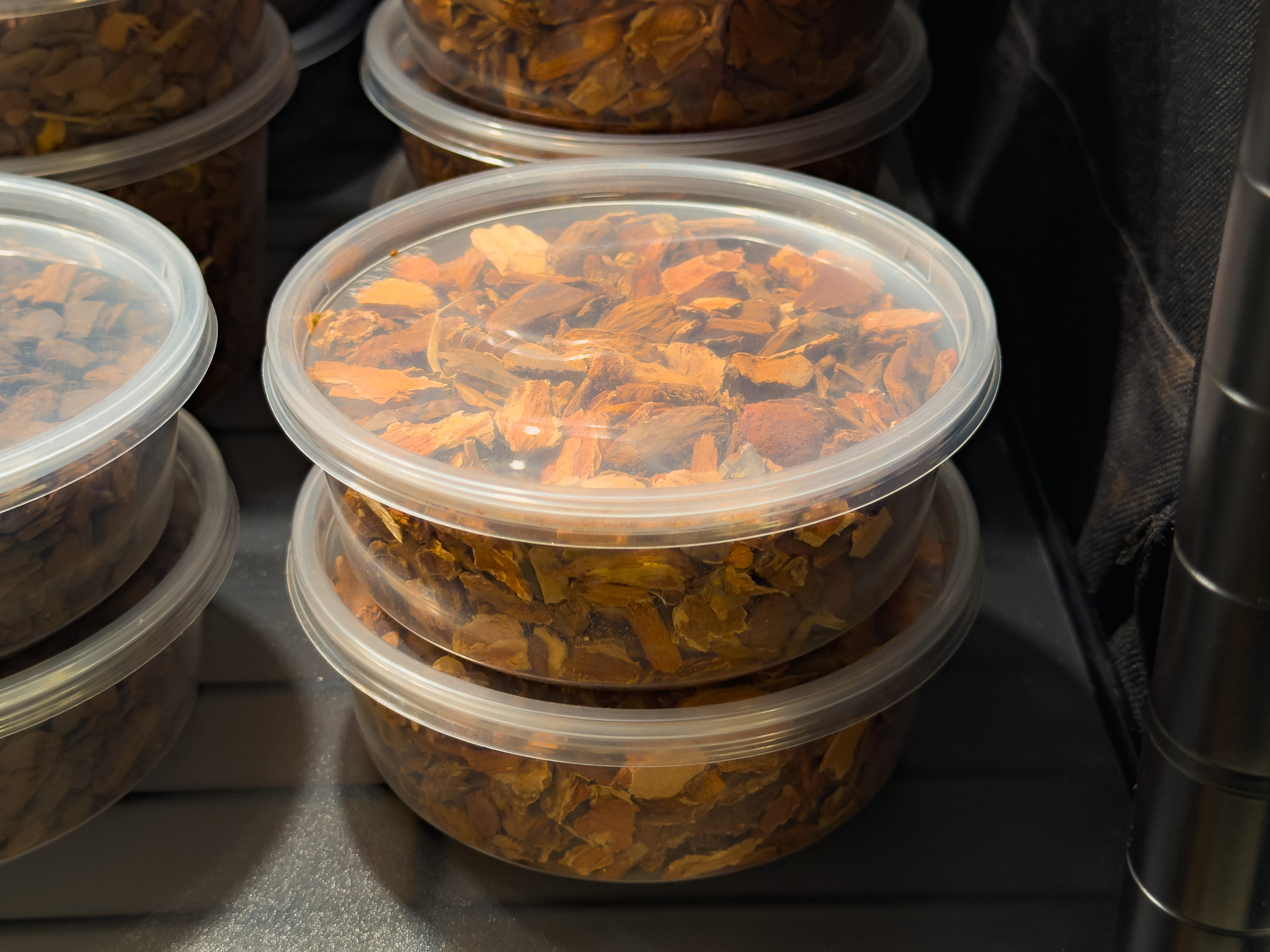
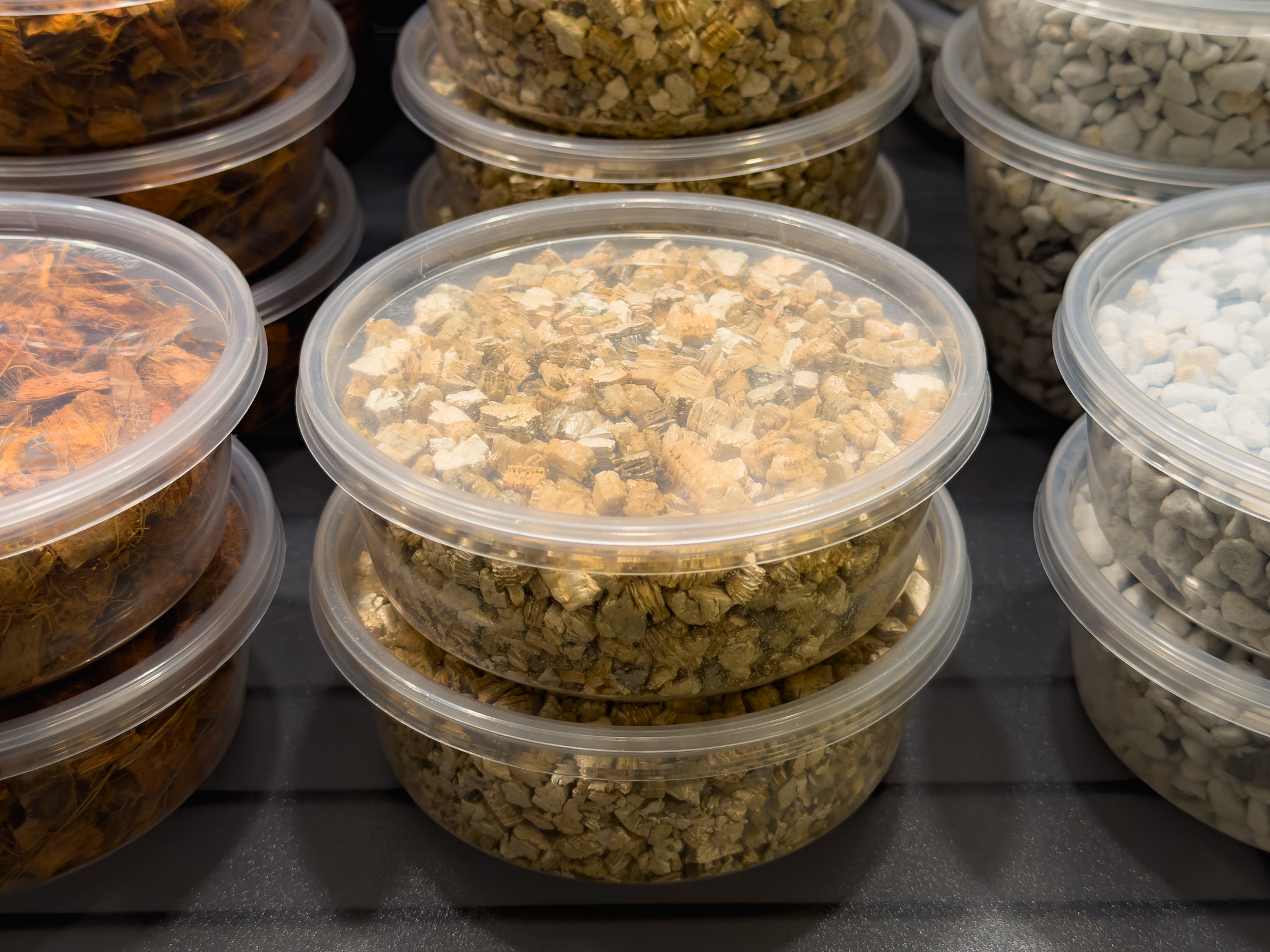
For the soil, use a chunky soil mix specifically designed for orchids or epiphytes, such as any branded potting soil mix for these types of plants.
Dracaena plants prefer moderate humidity and slightly moist soil.
Let the soil dry out completely before watery.
This plant can go several weeks without water.
Thrives in bright, Indirect light but can definitely grow in low lighting.
Repot in pots no larger than 1 inch the diameter of the plant's root system.
Use a chunky soil mix such as any orchid or epiphyte branded potting soil mix.
Fast Growth Tip: Provide it lots of bright light and nutrition! This will also increase its watering needs.