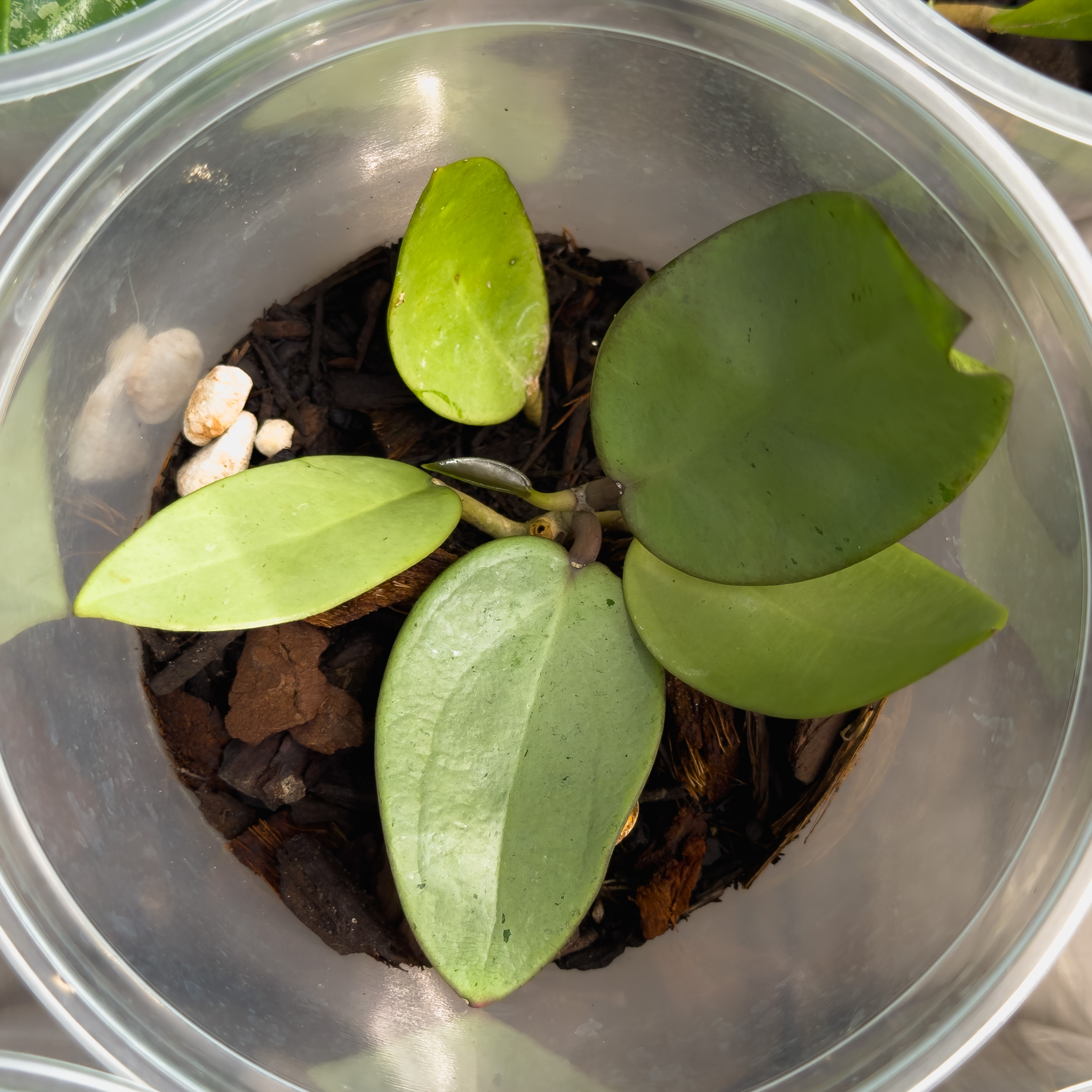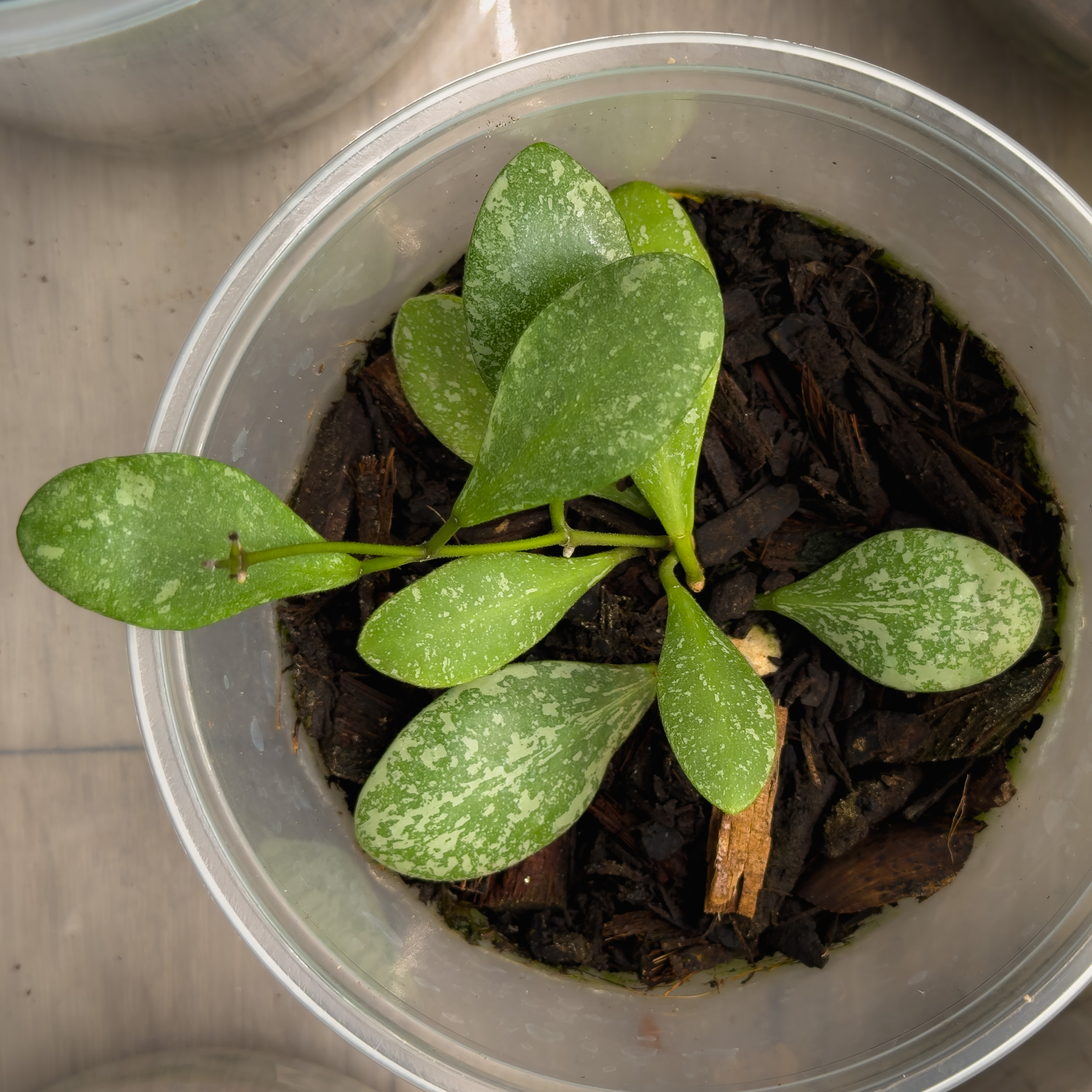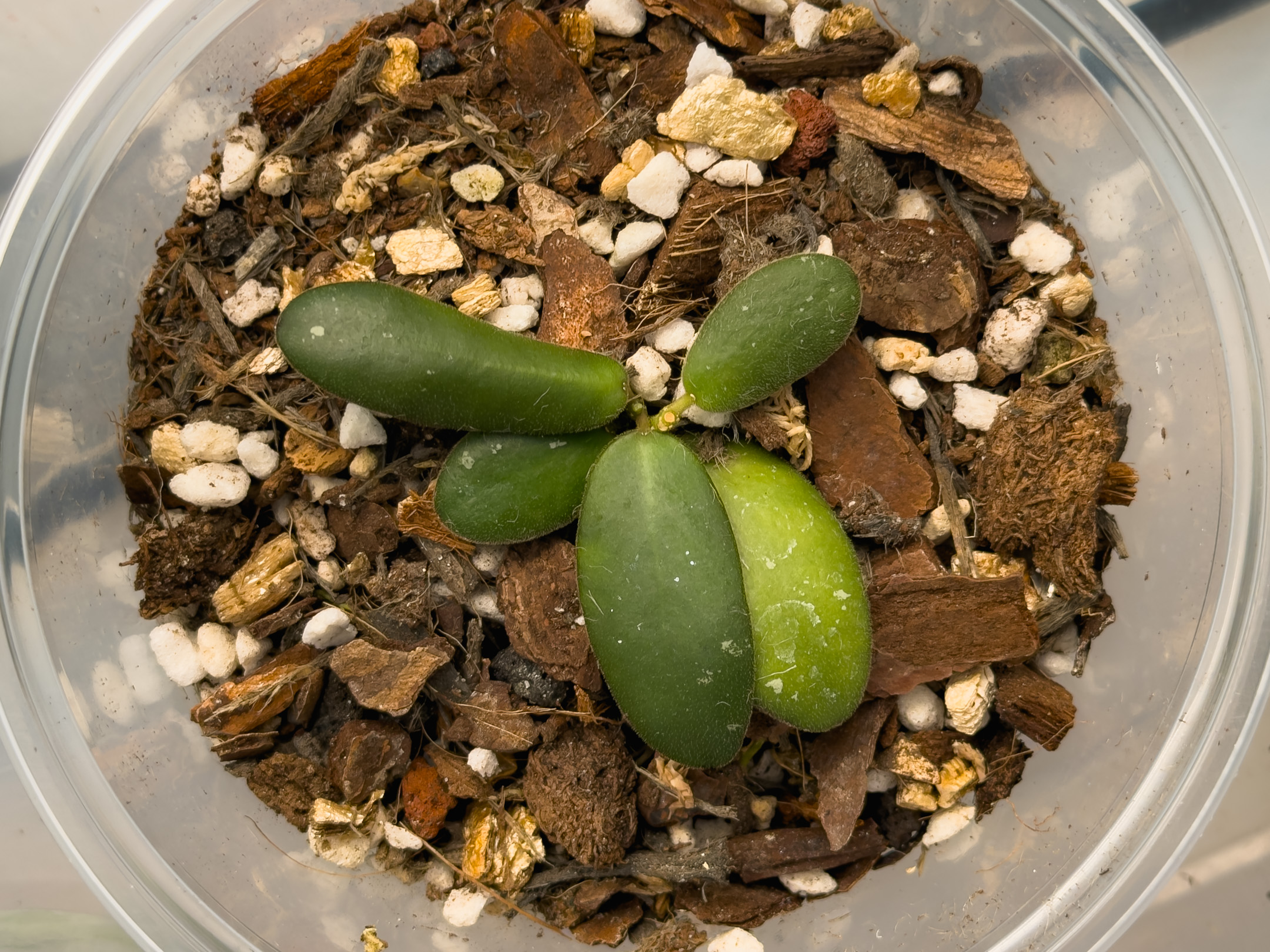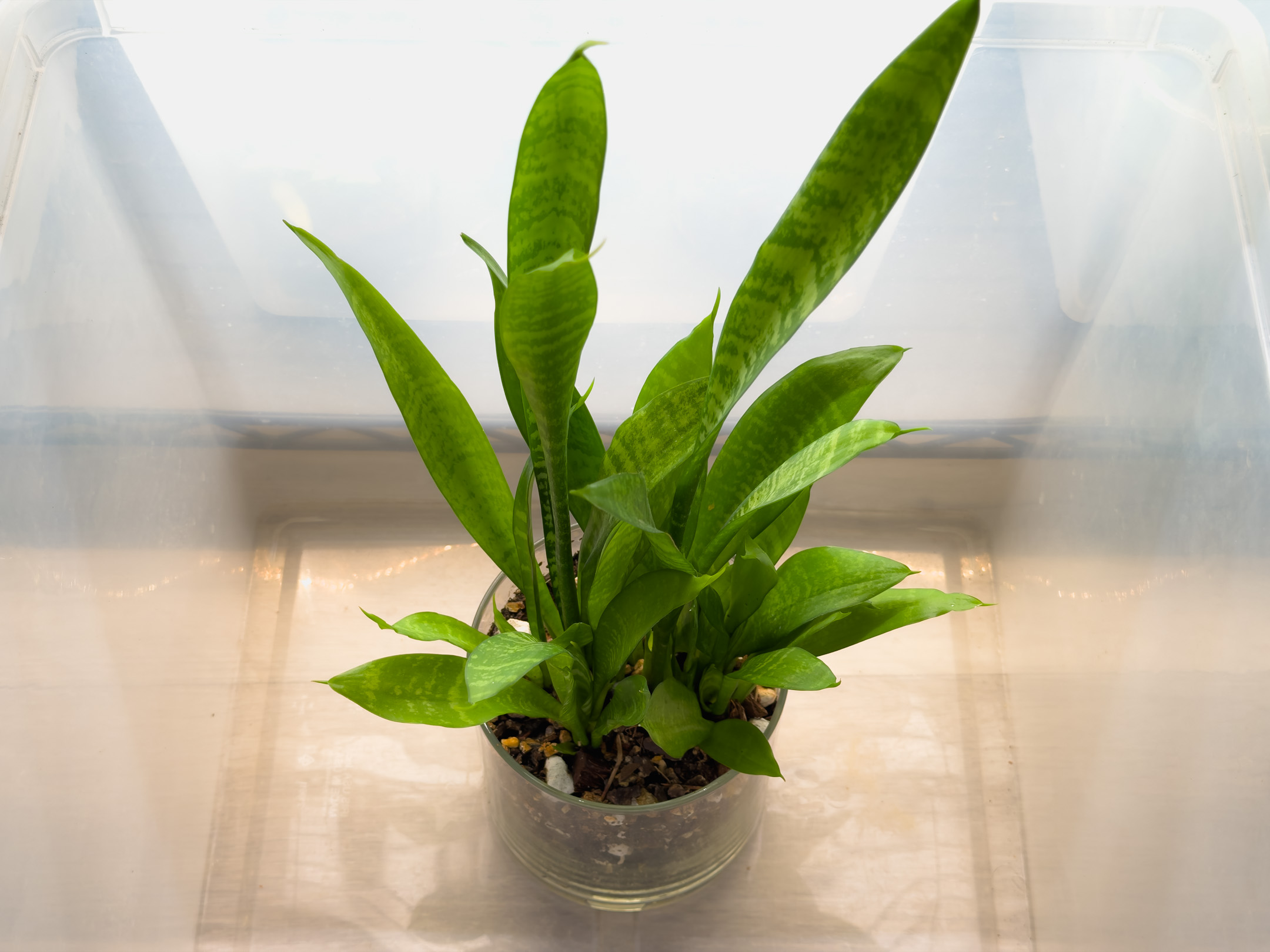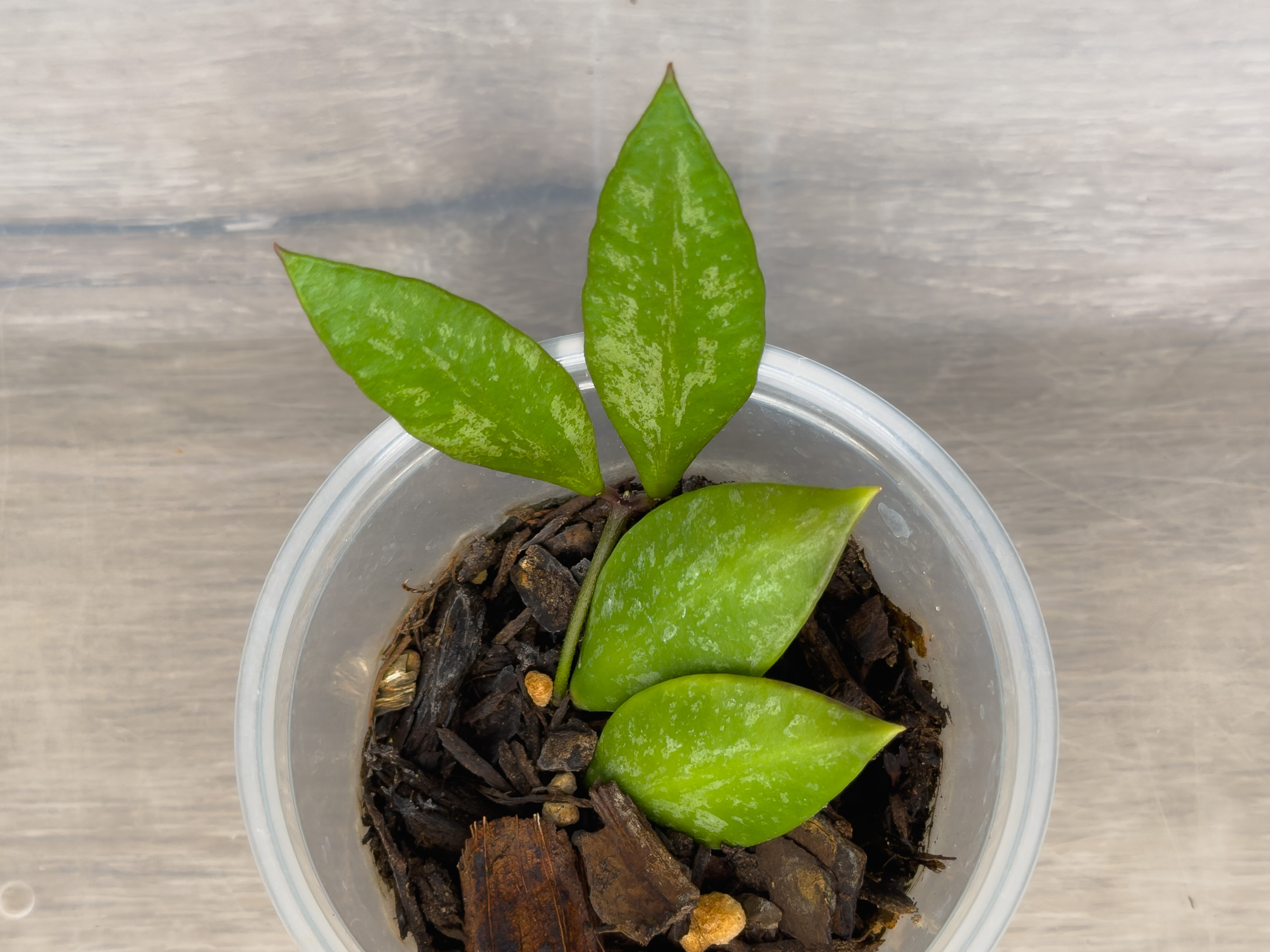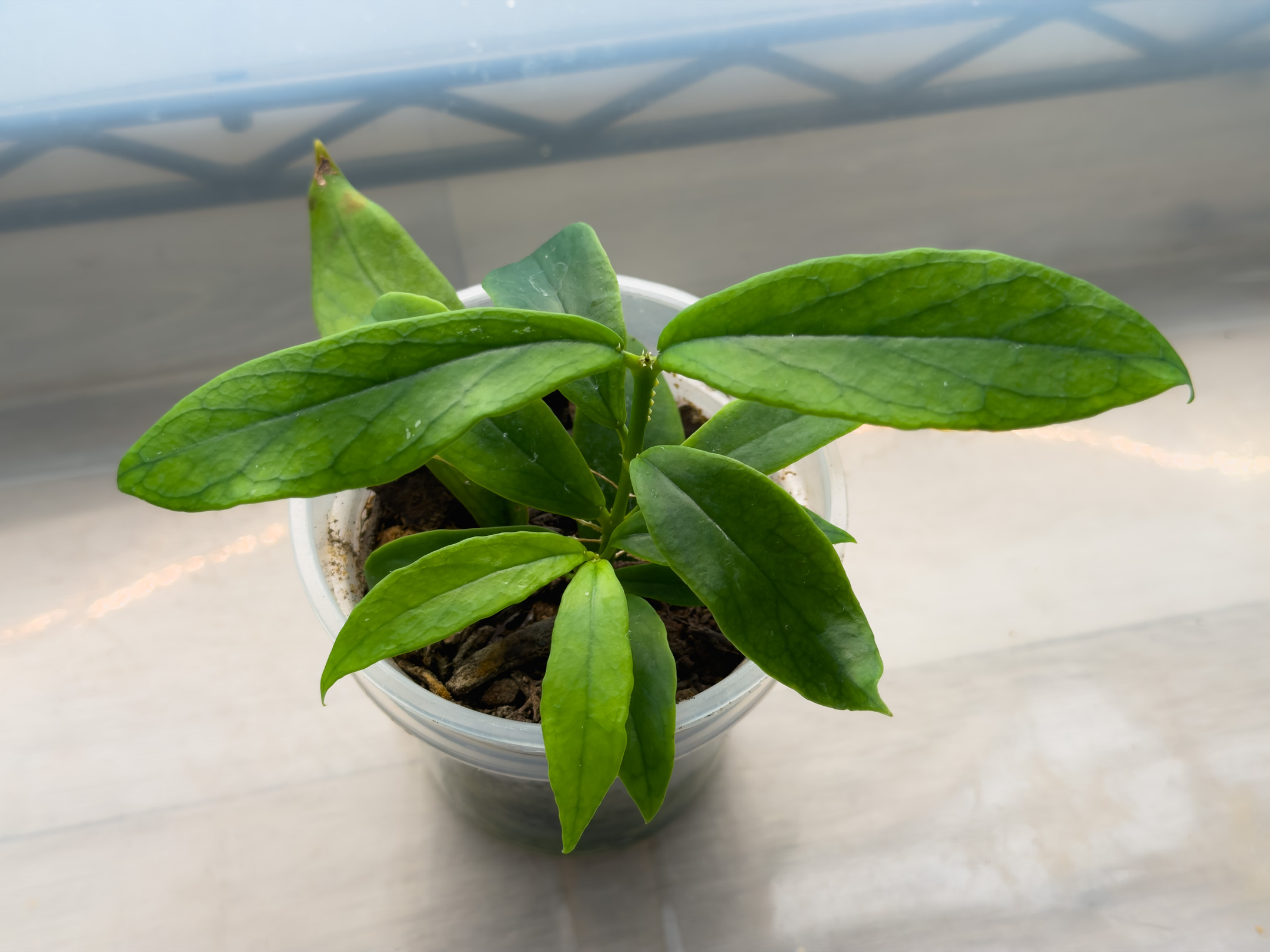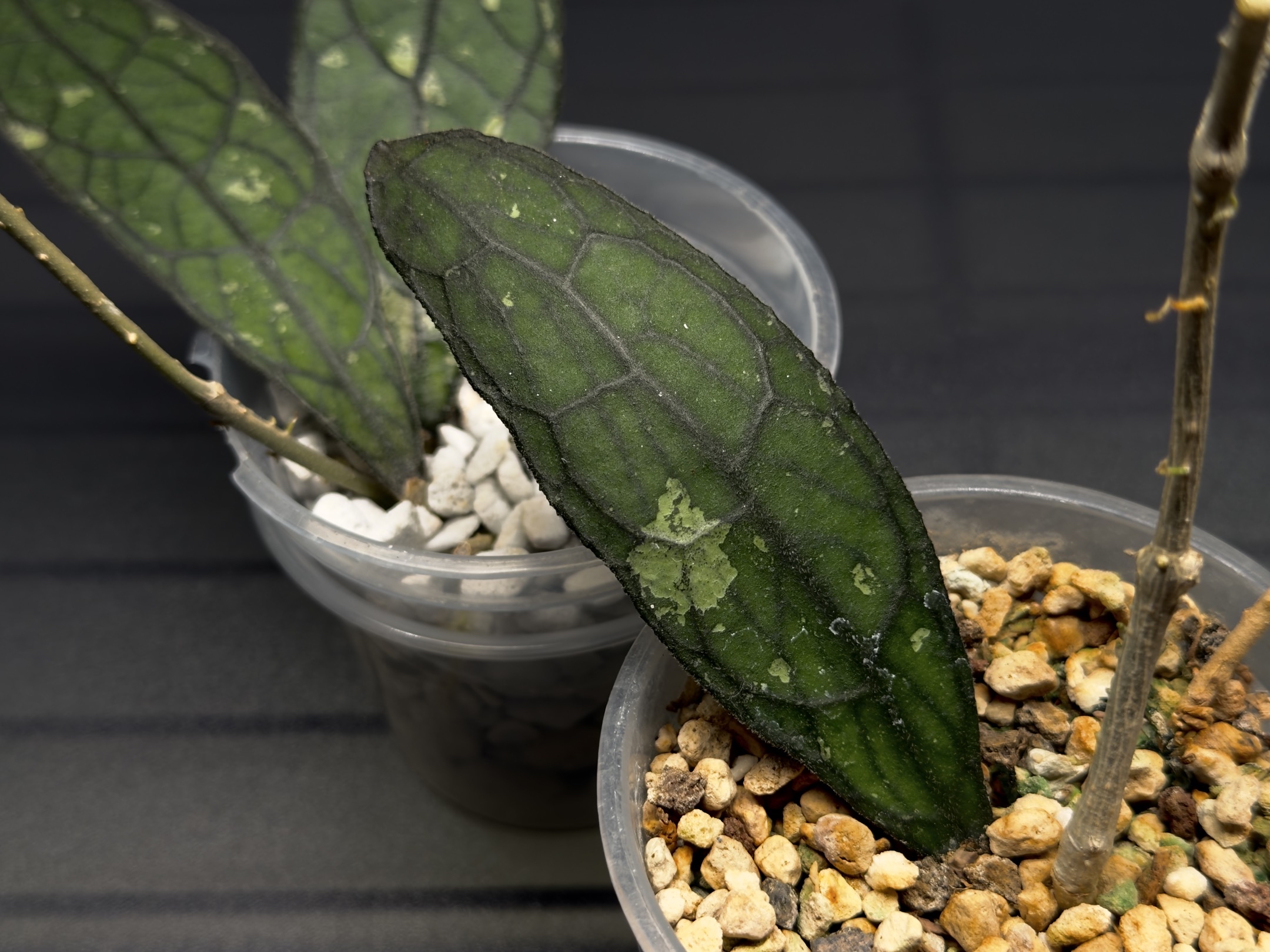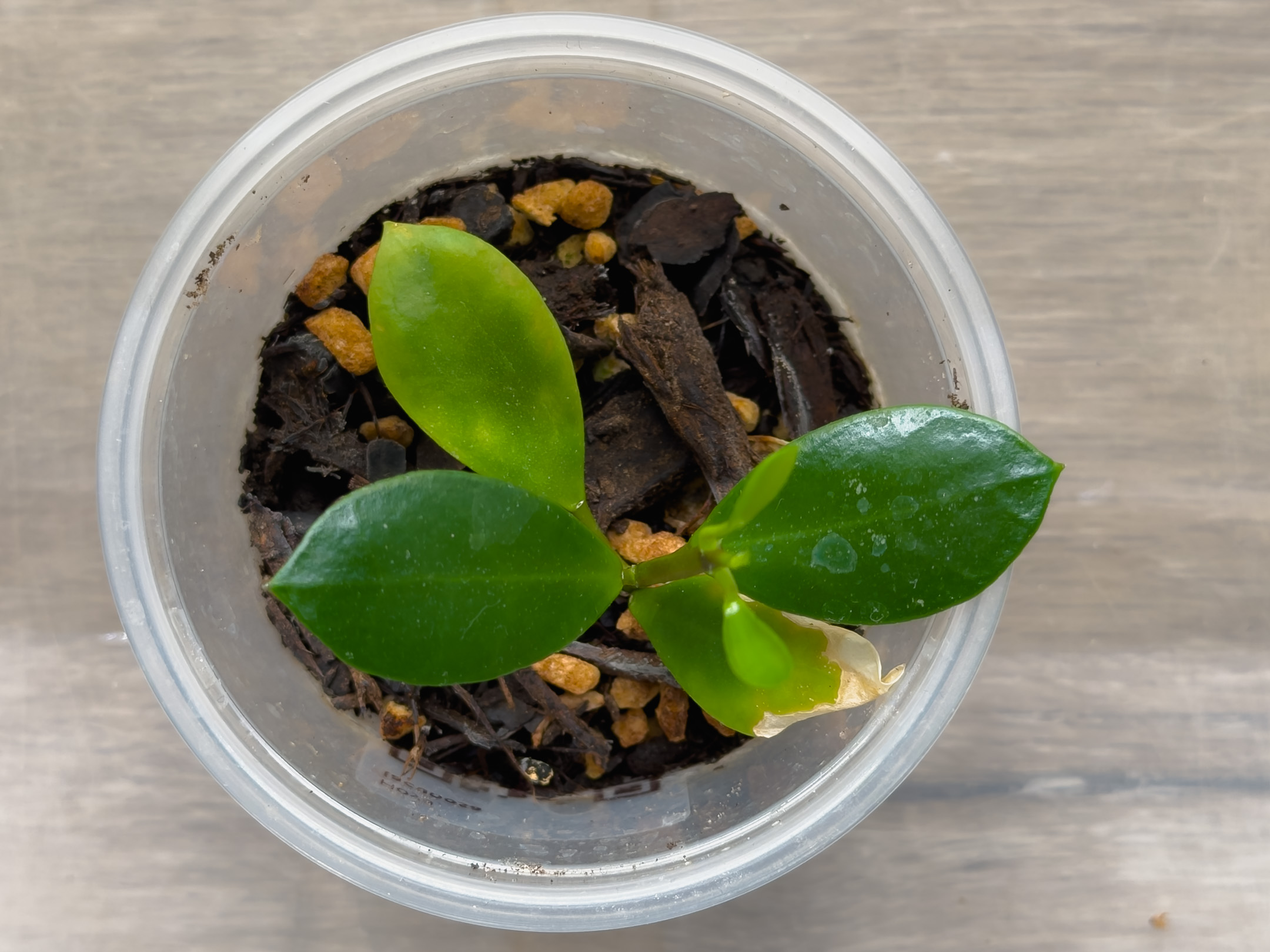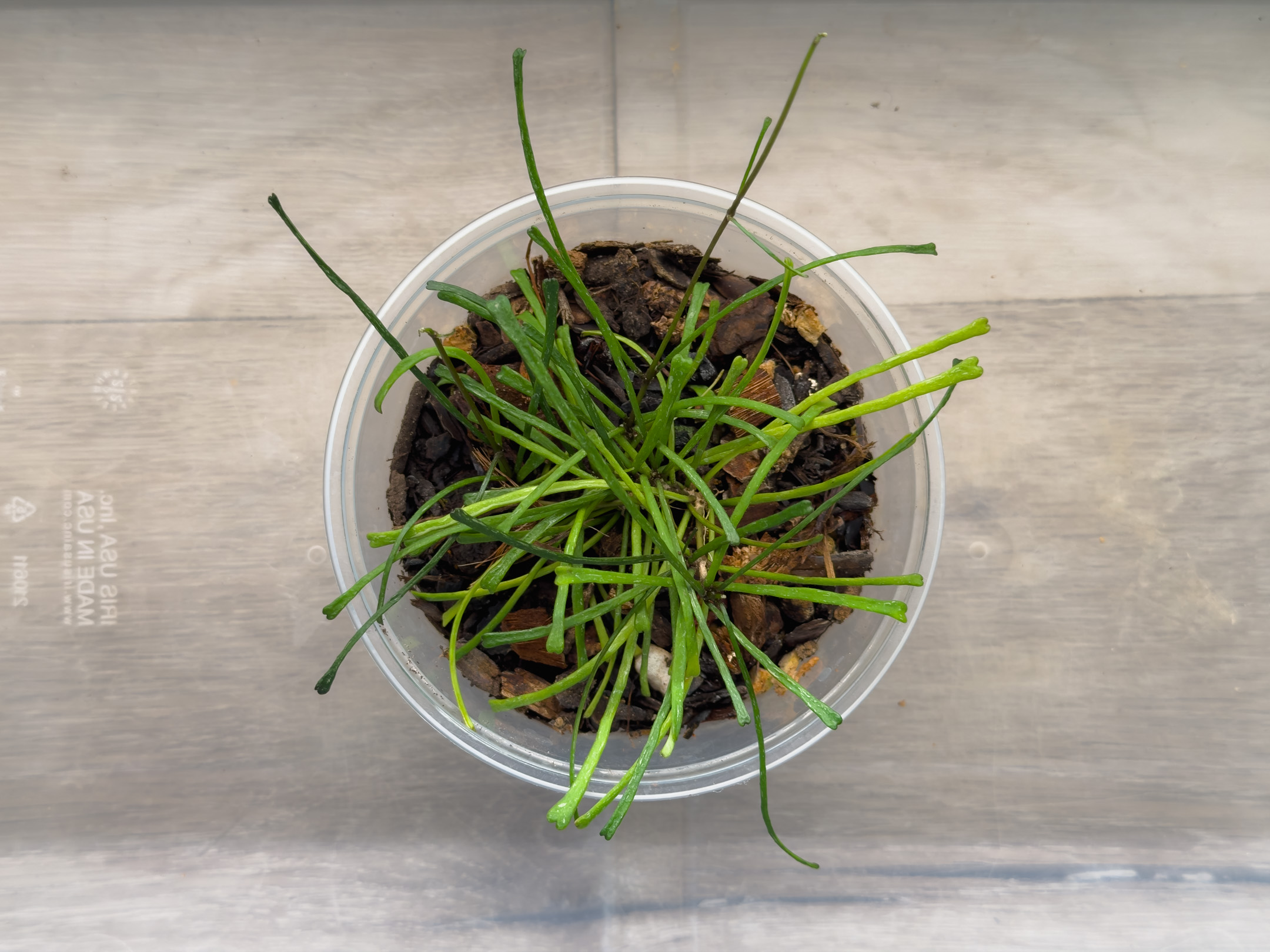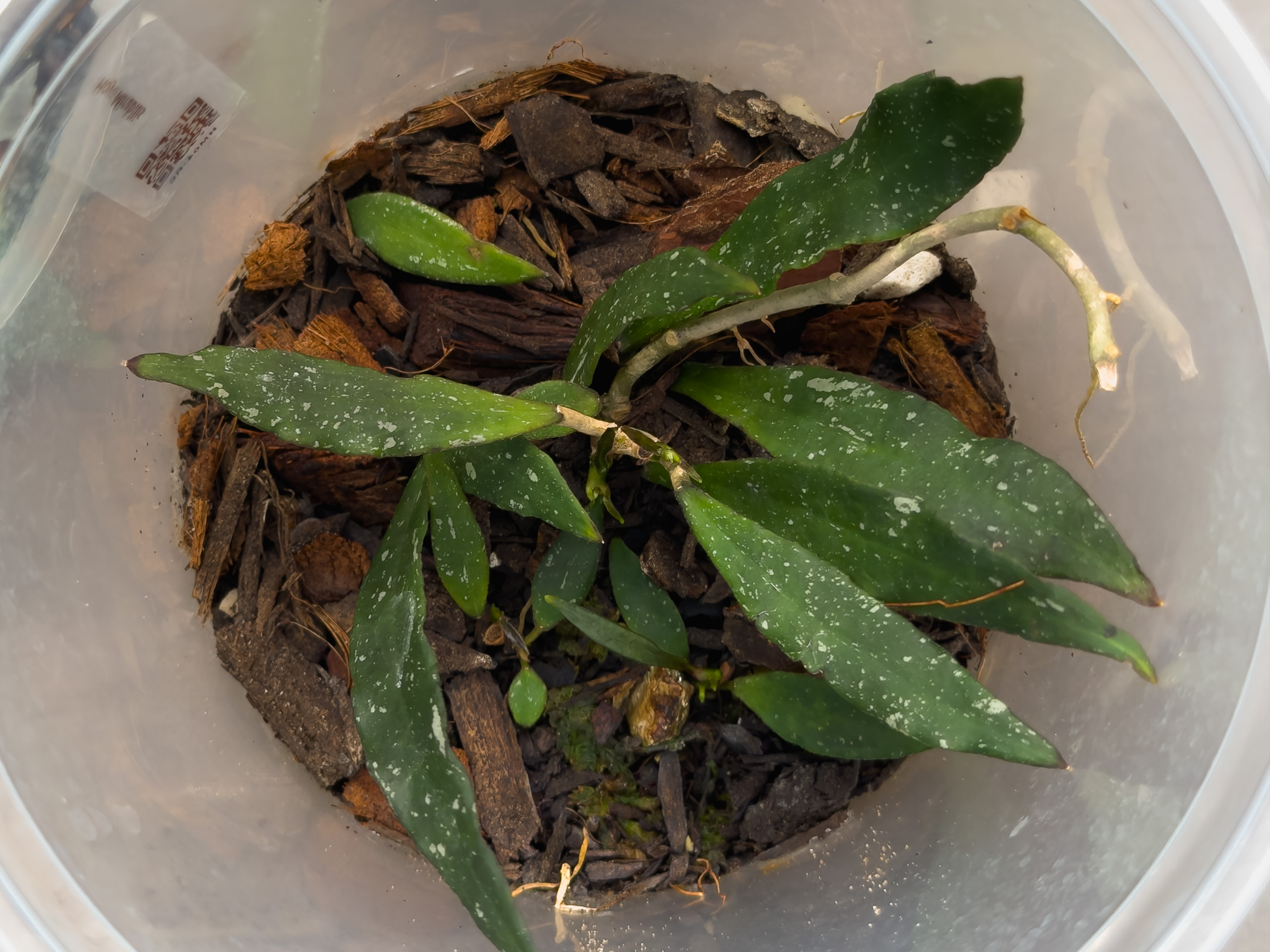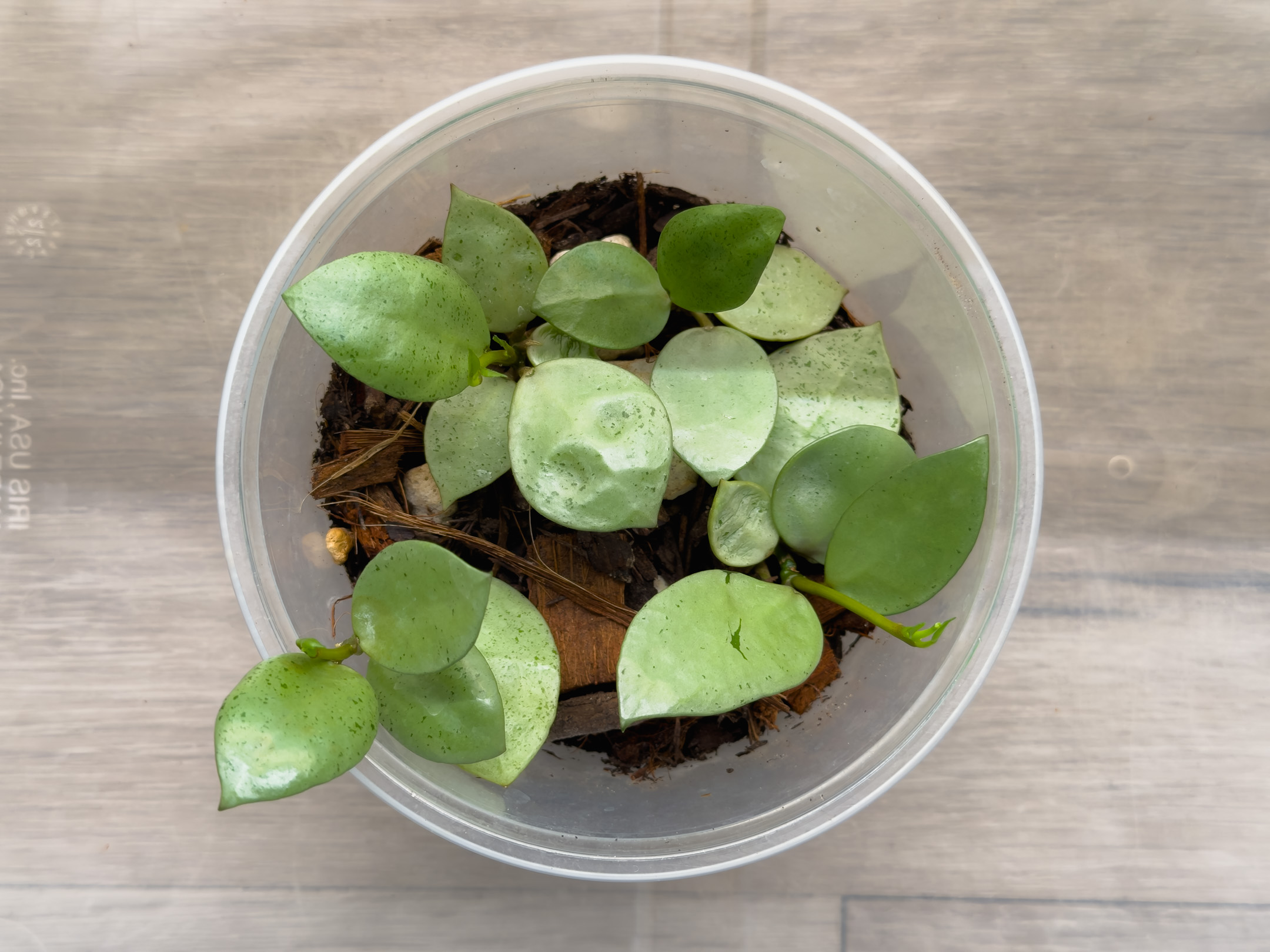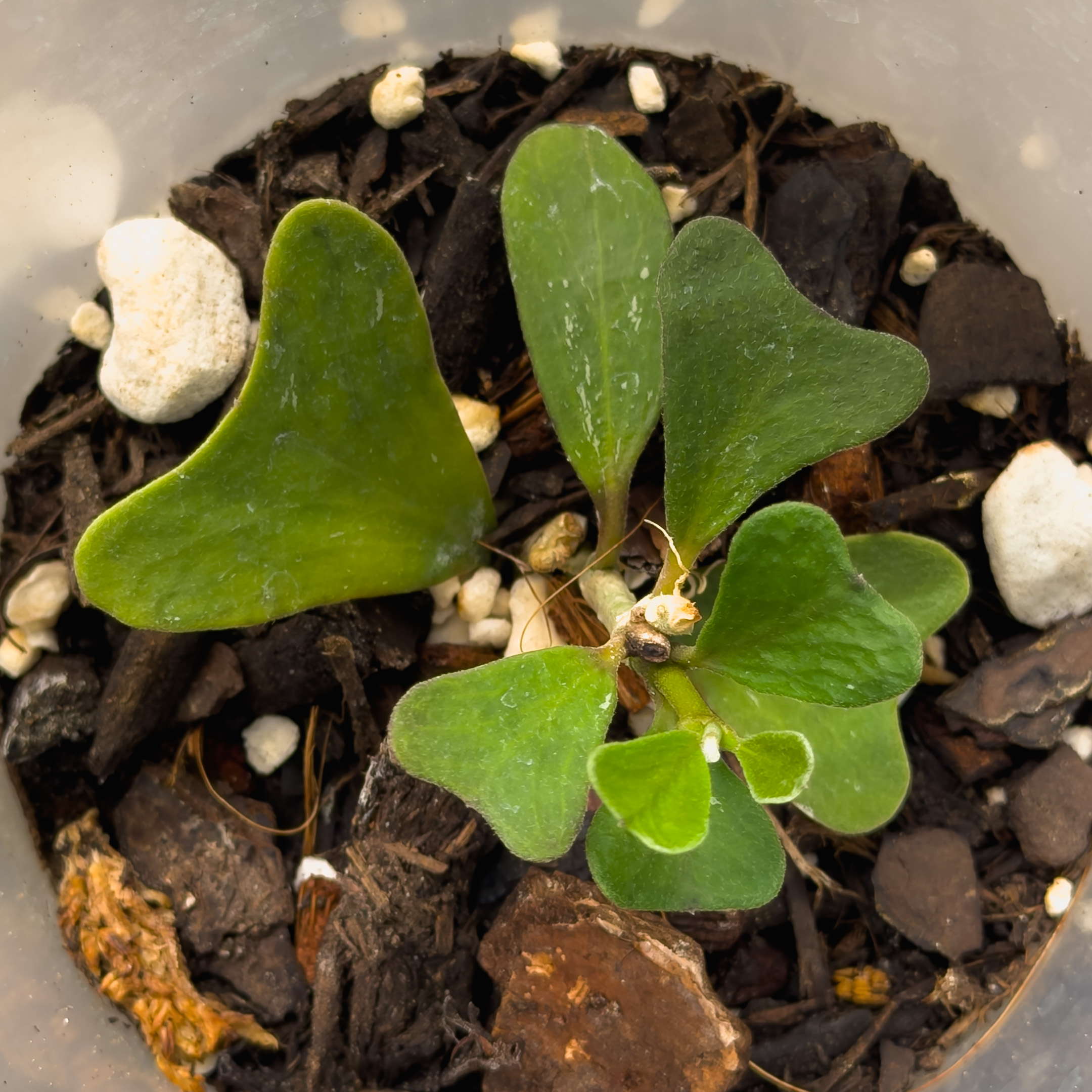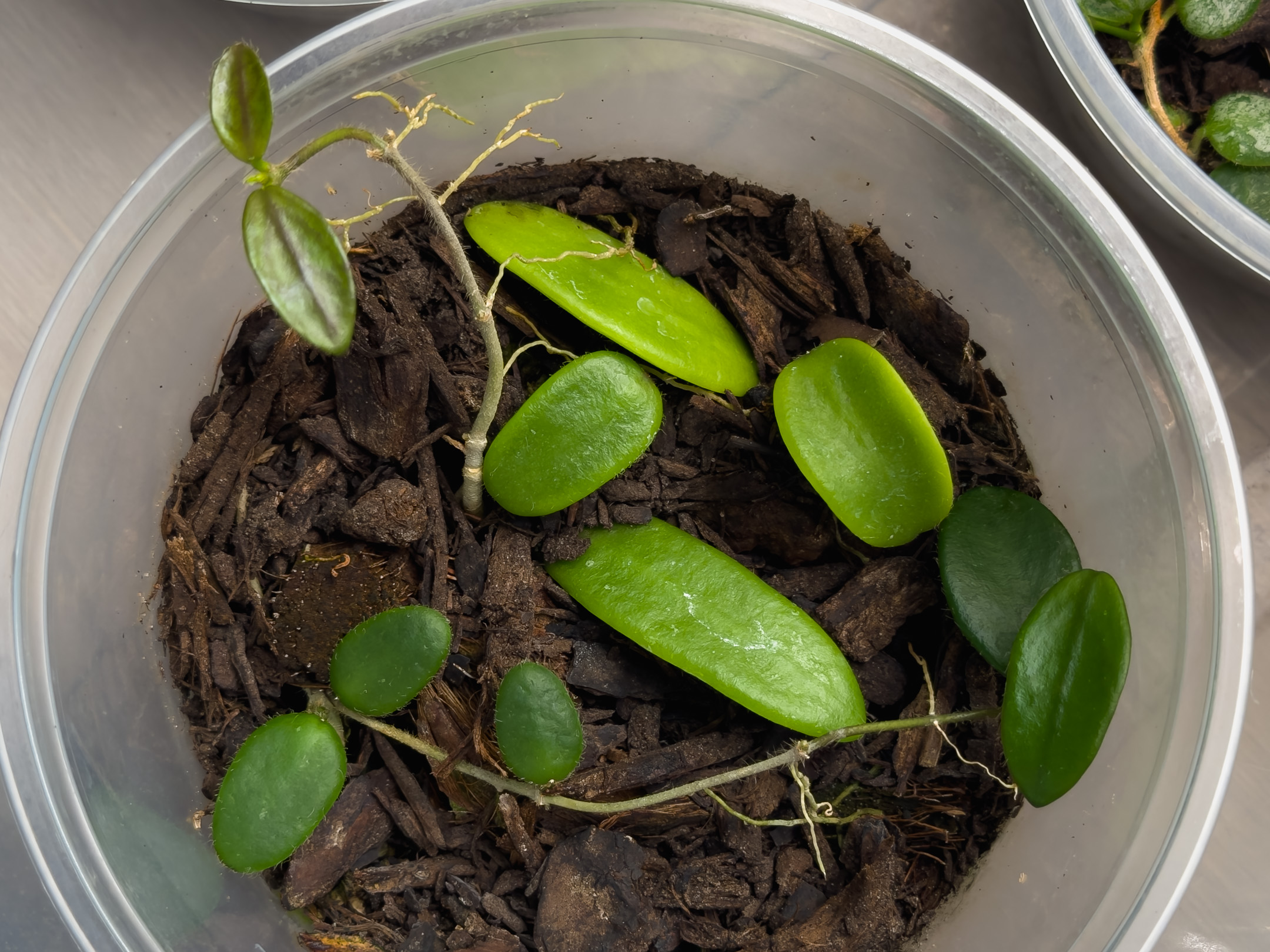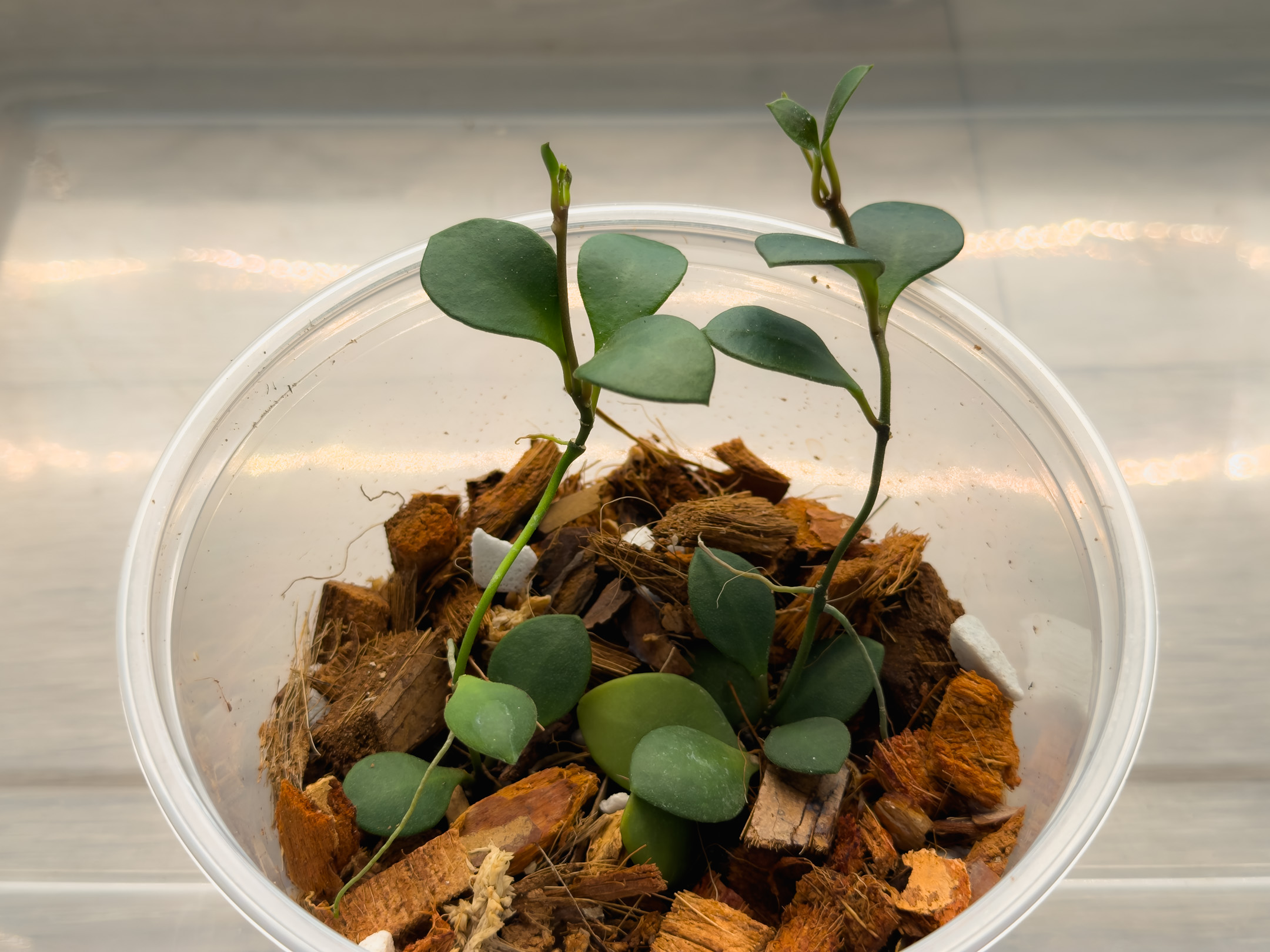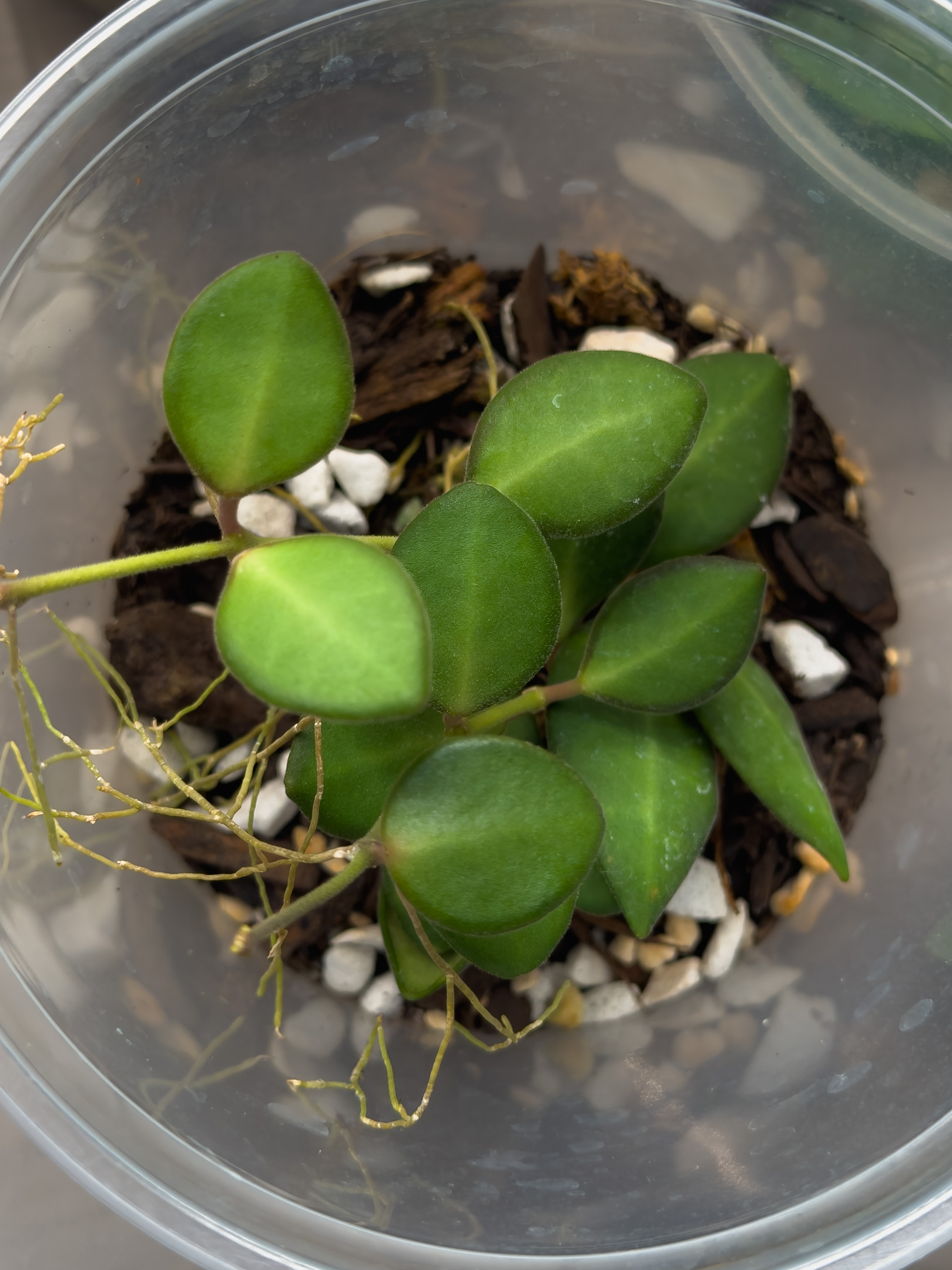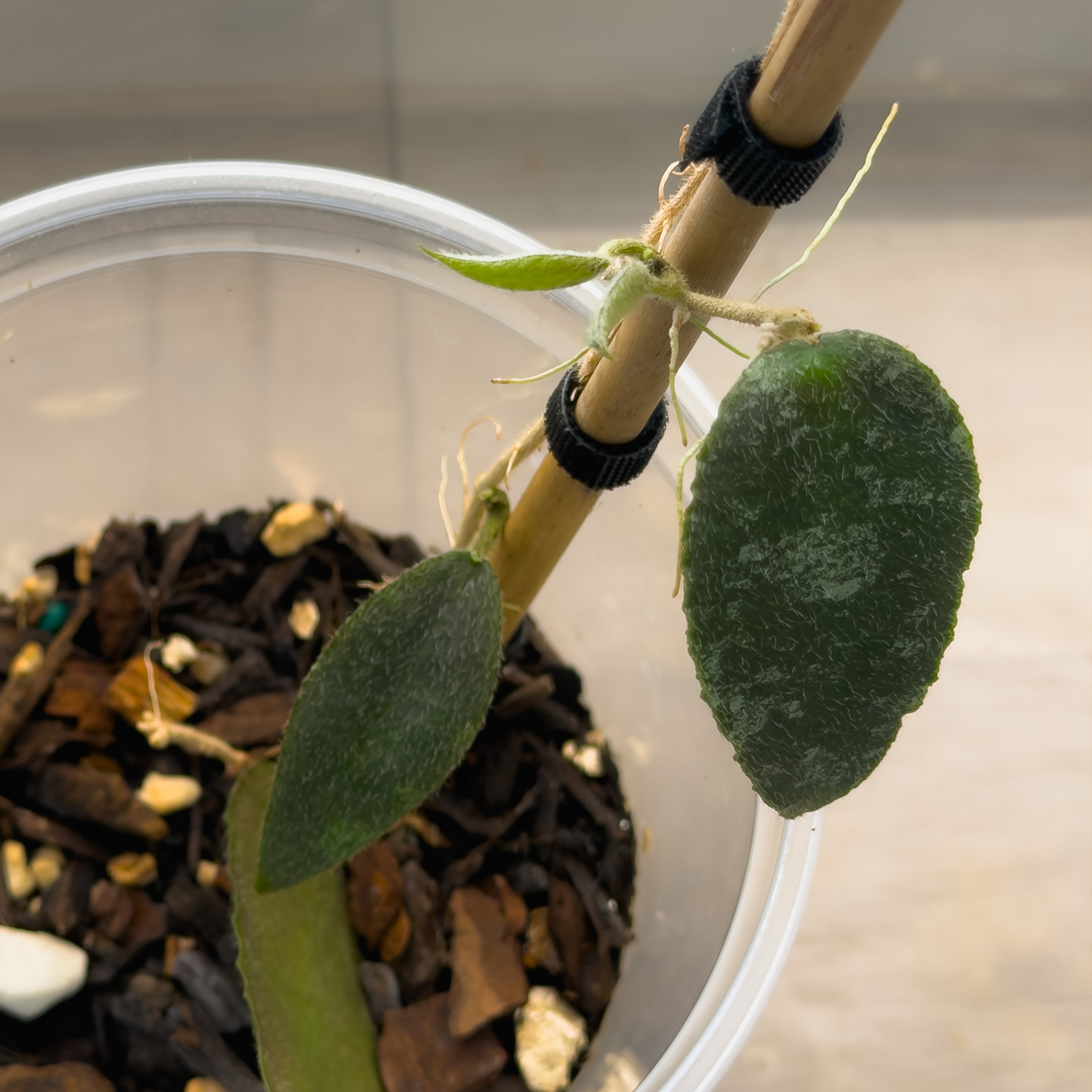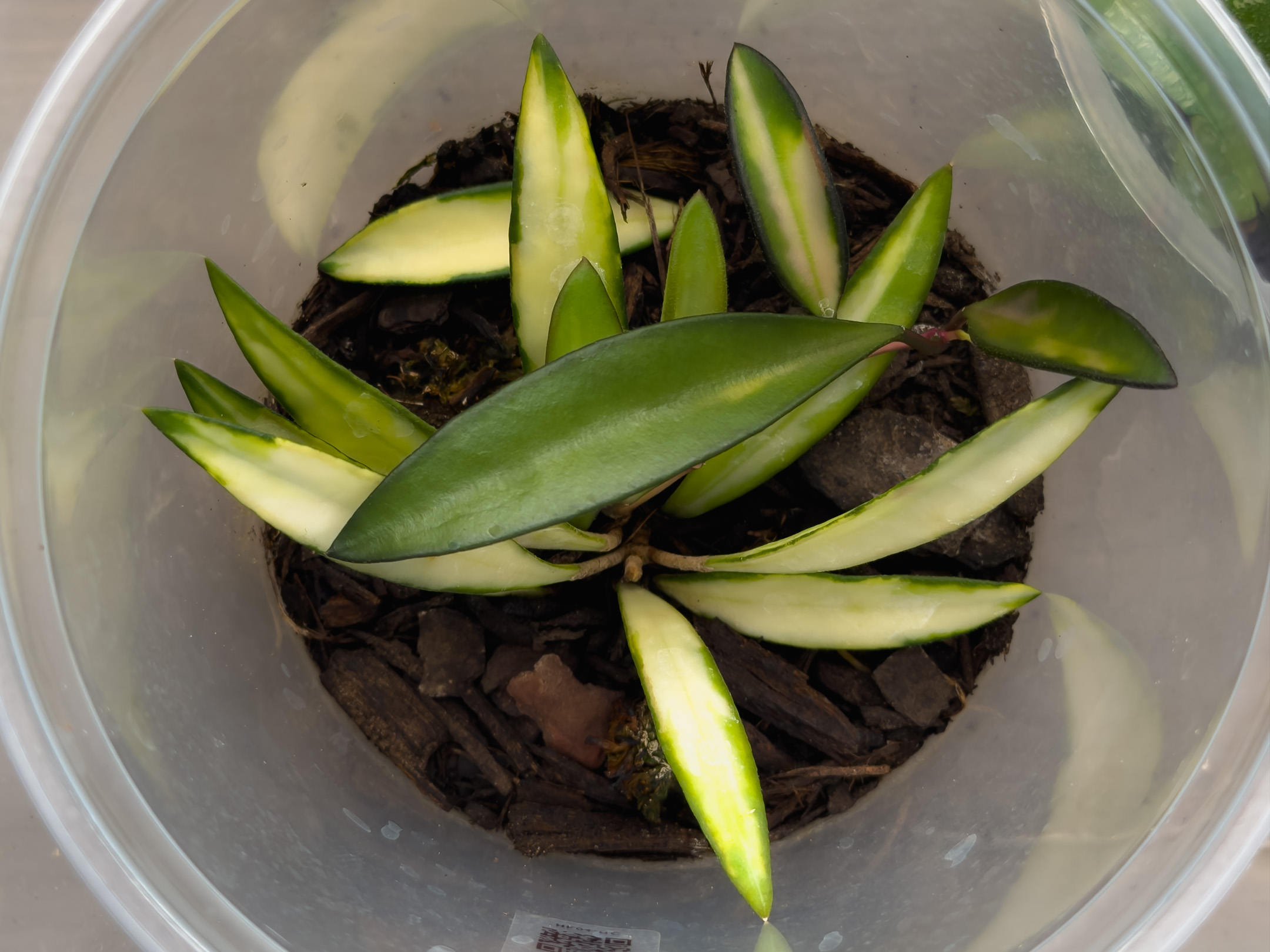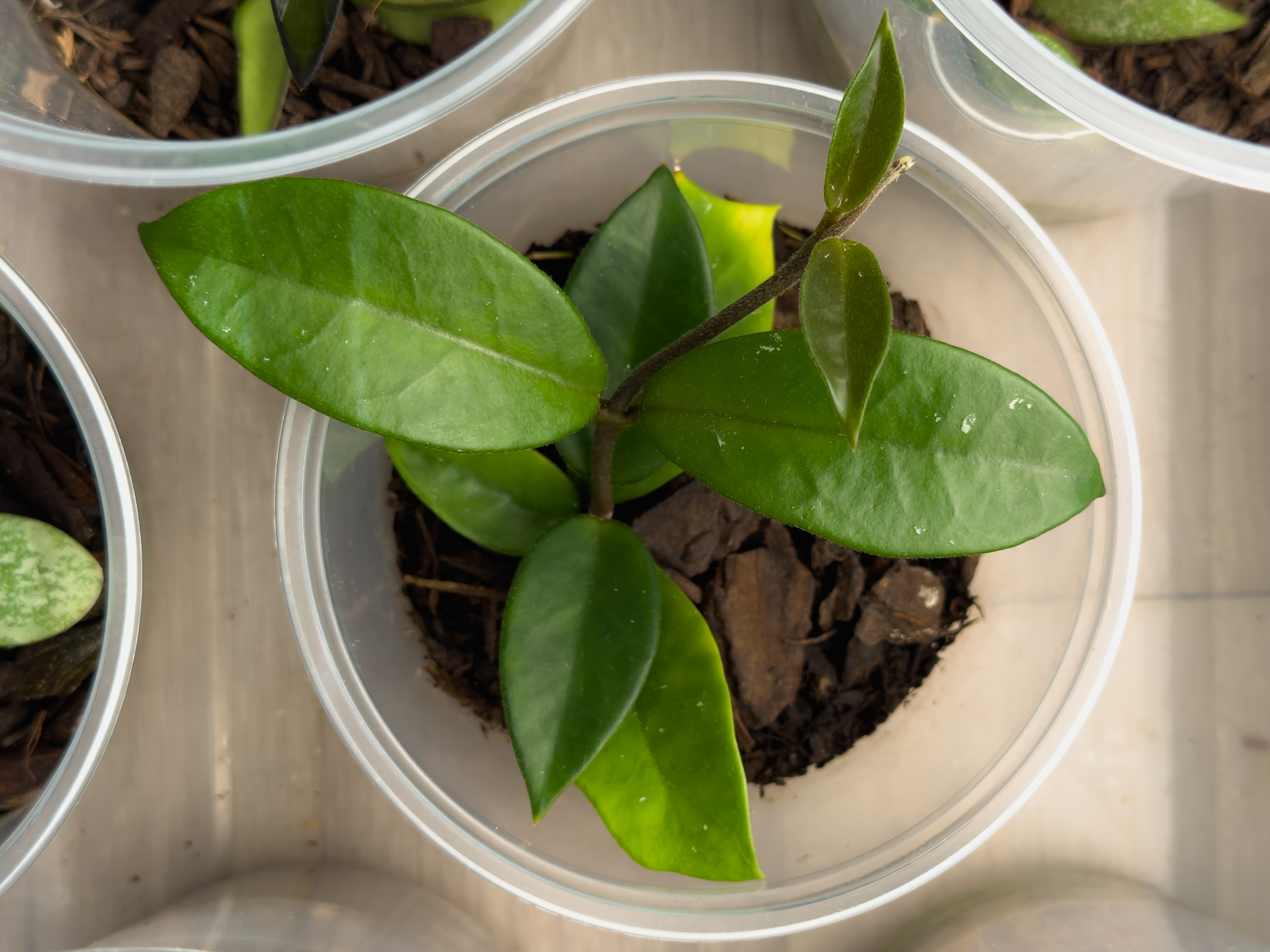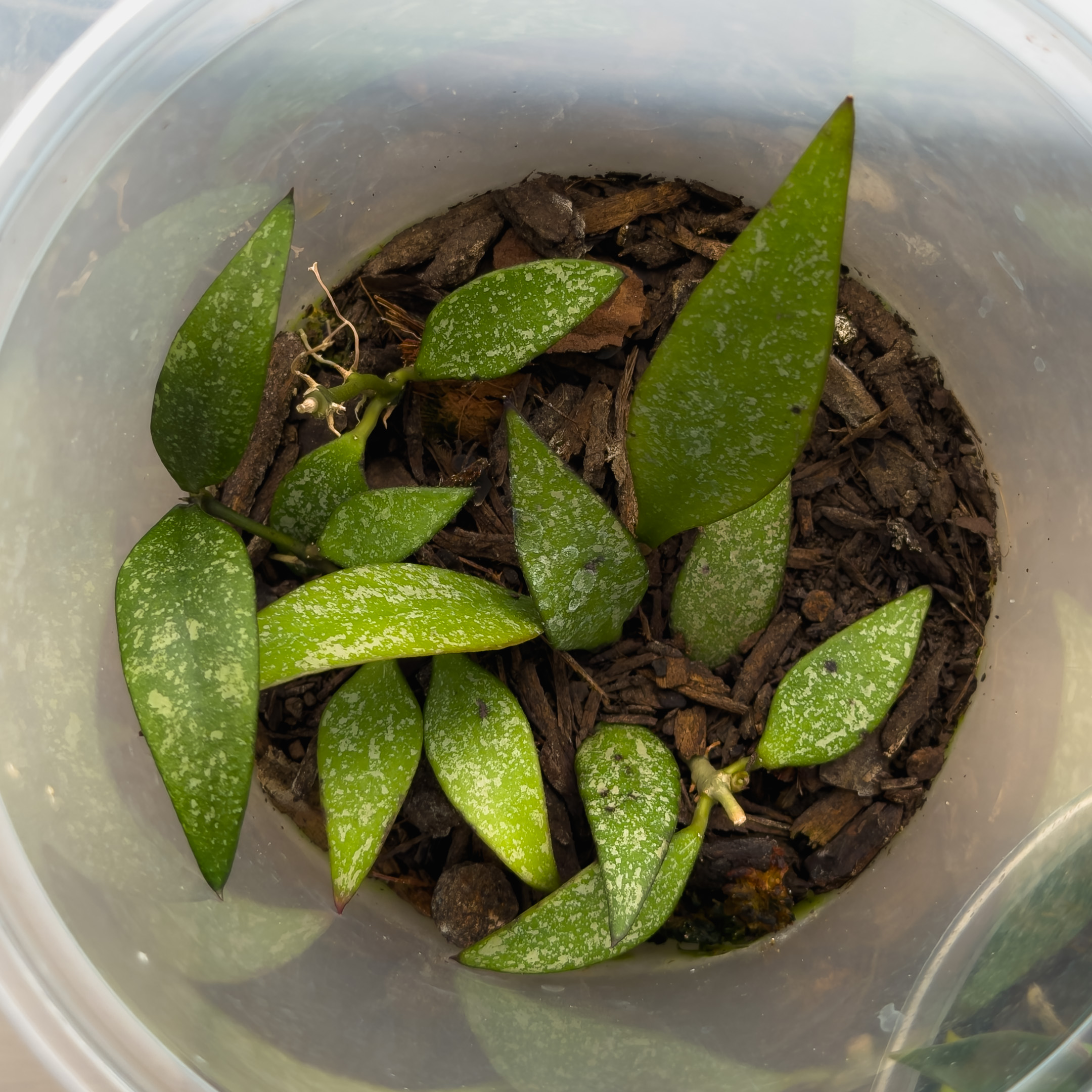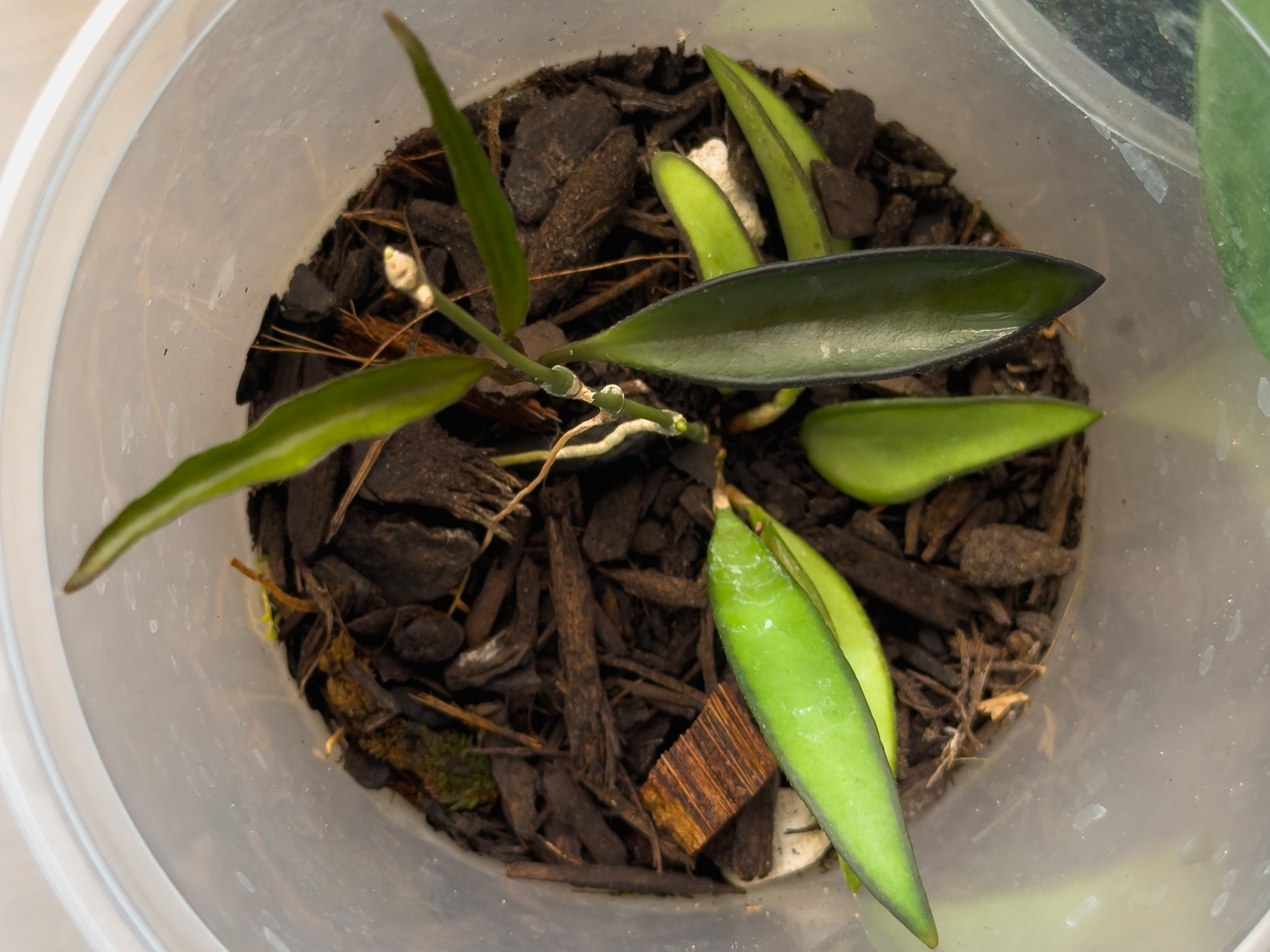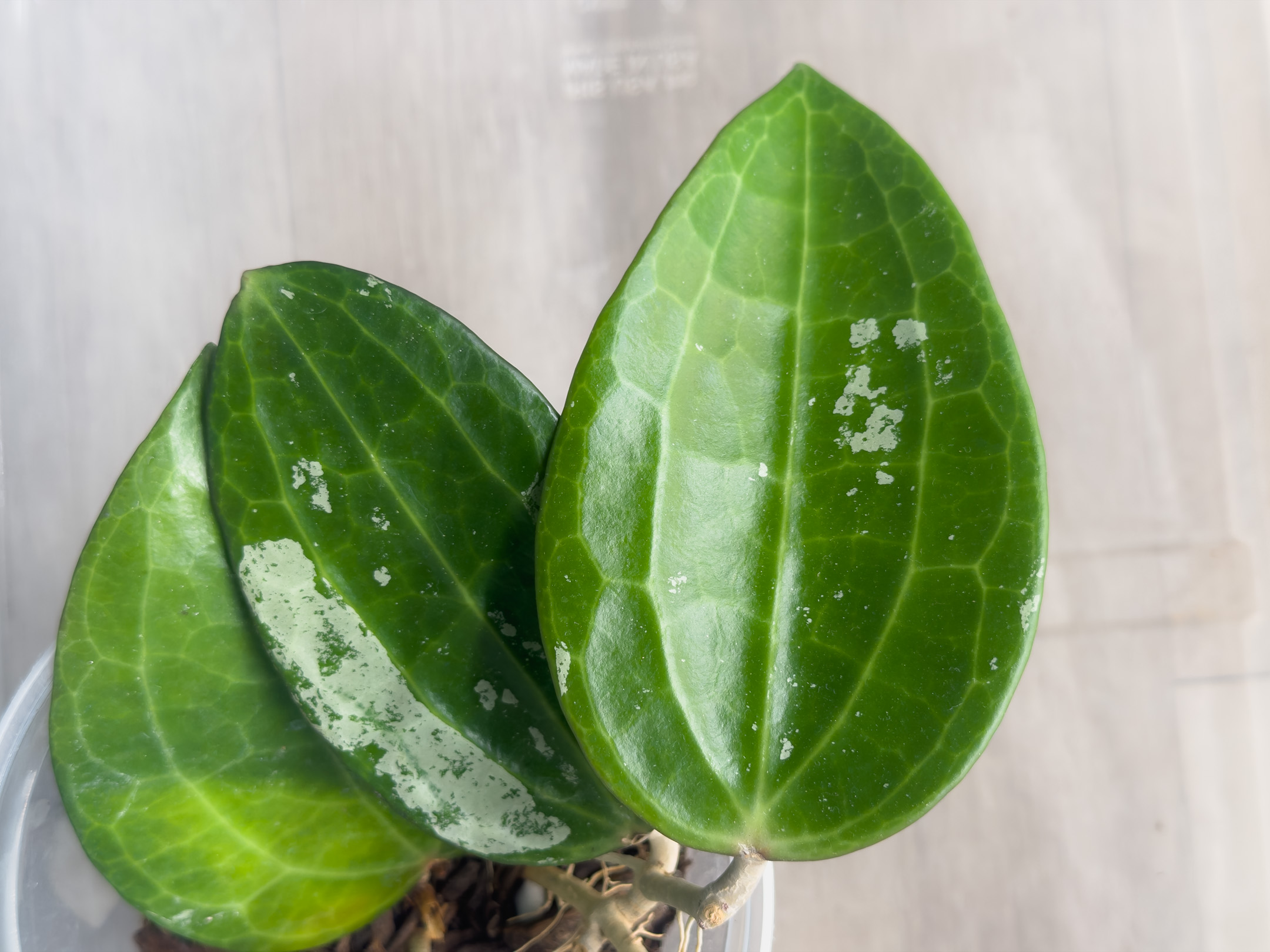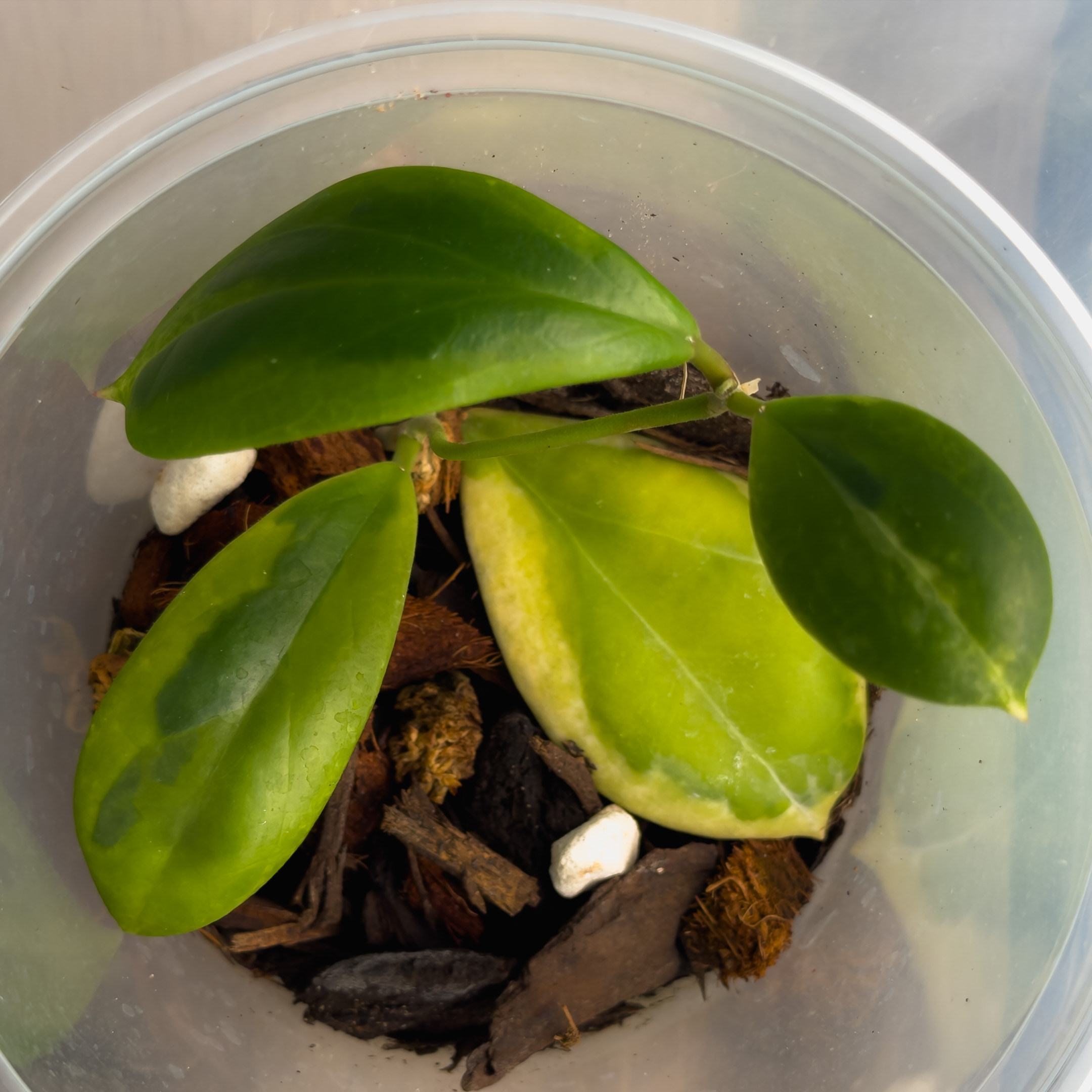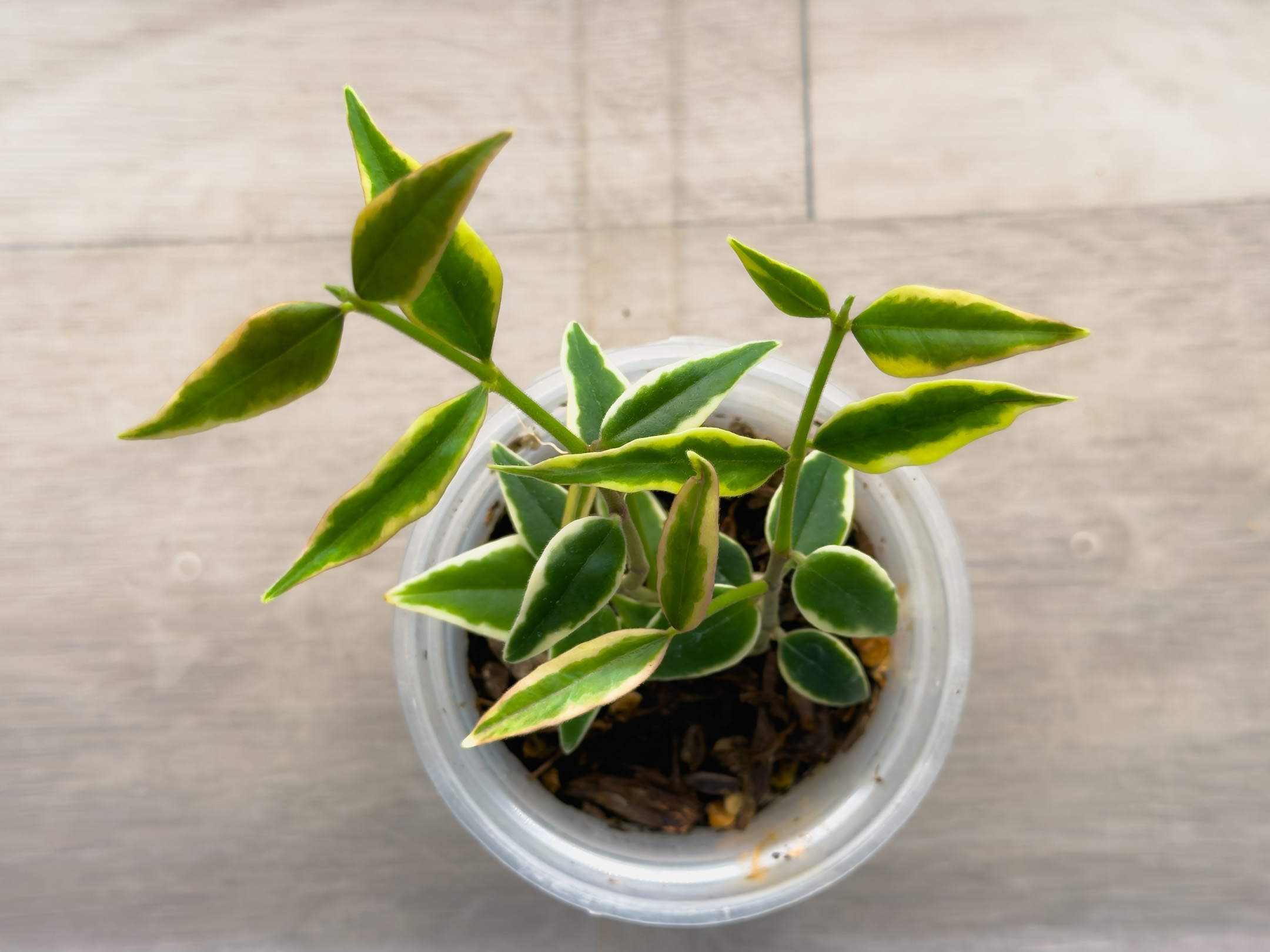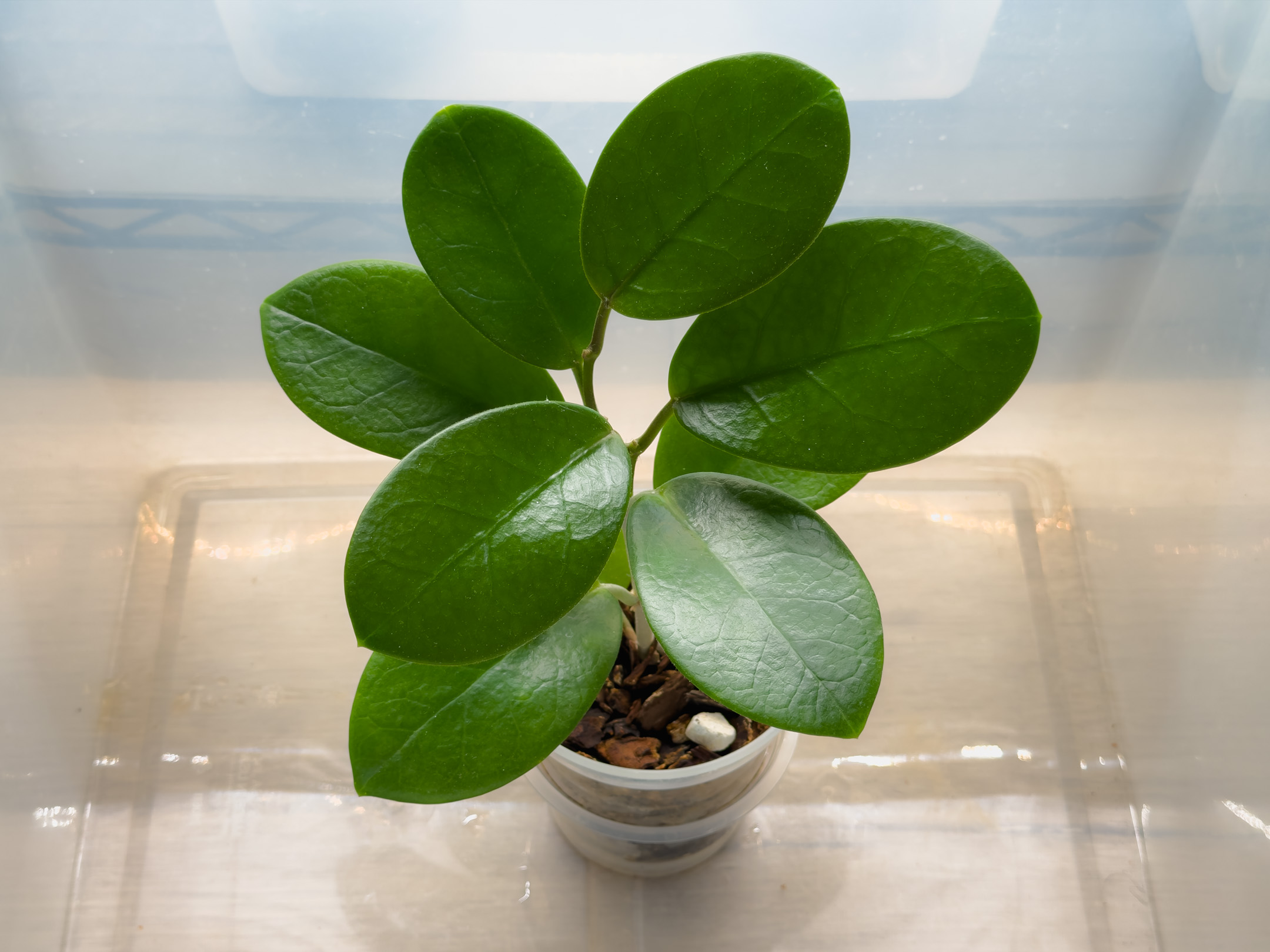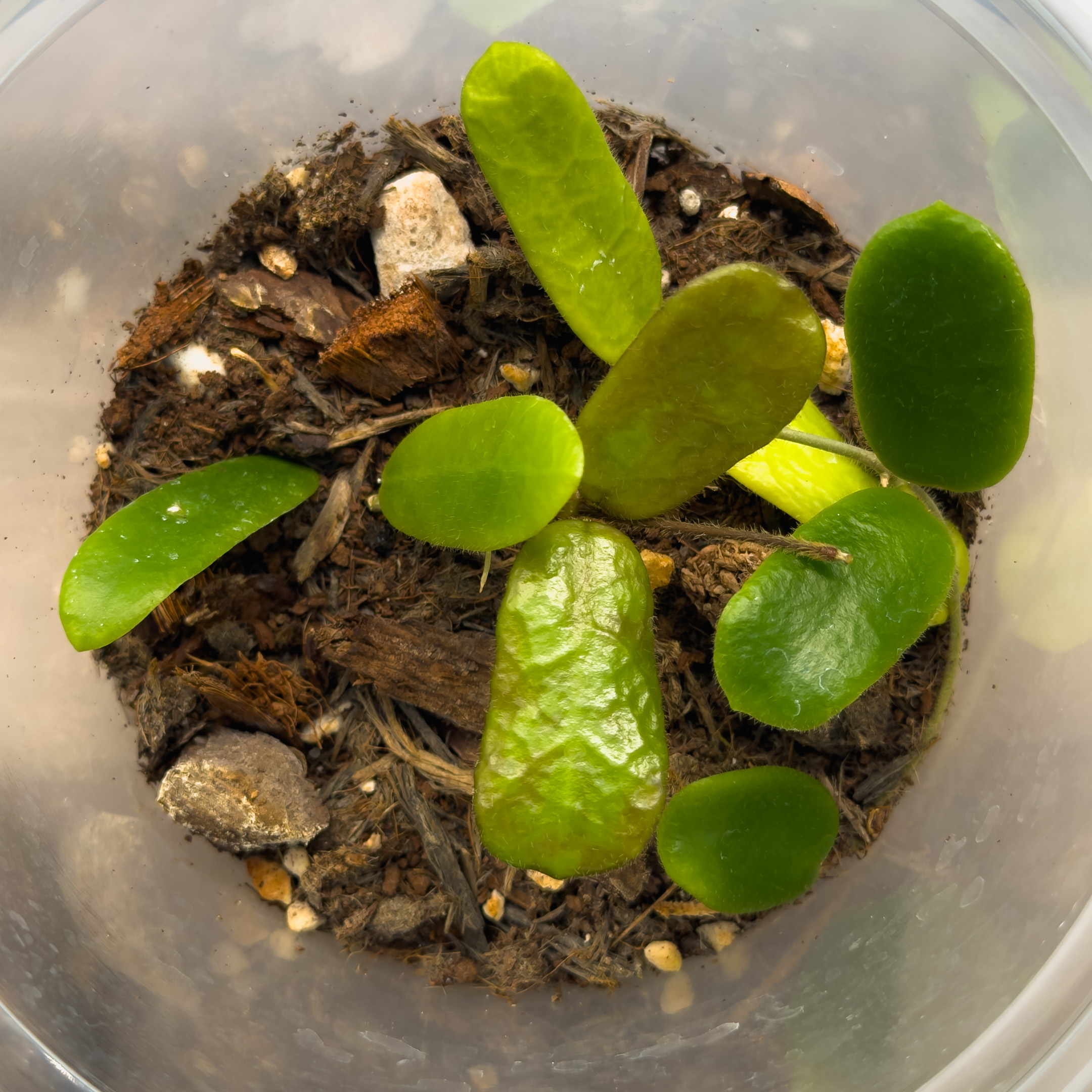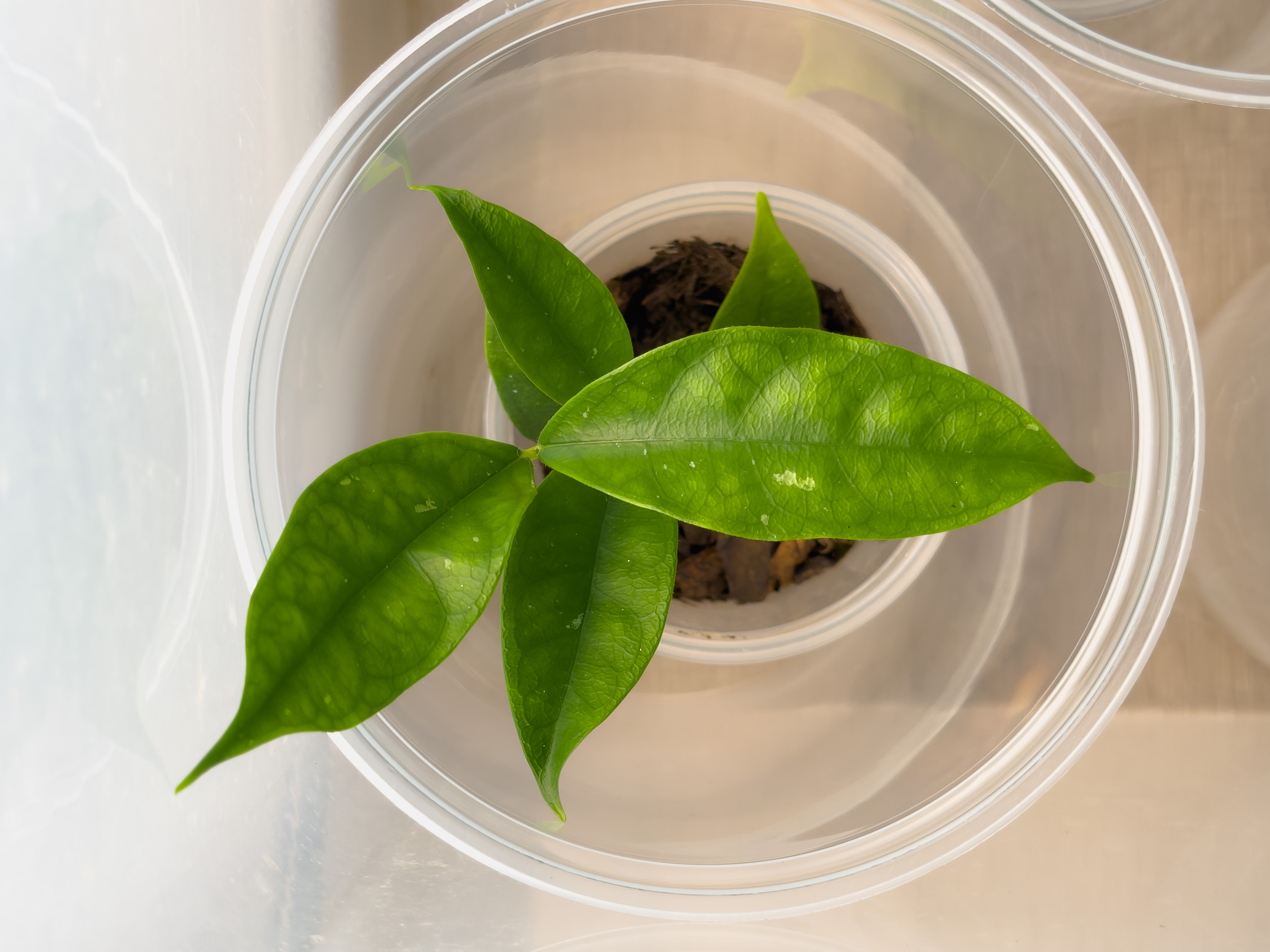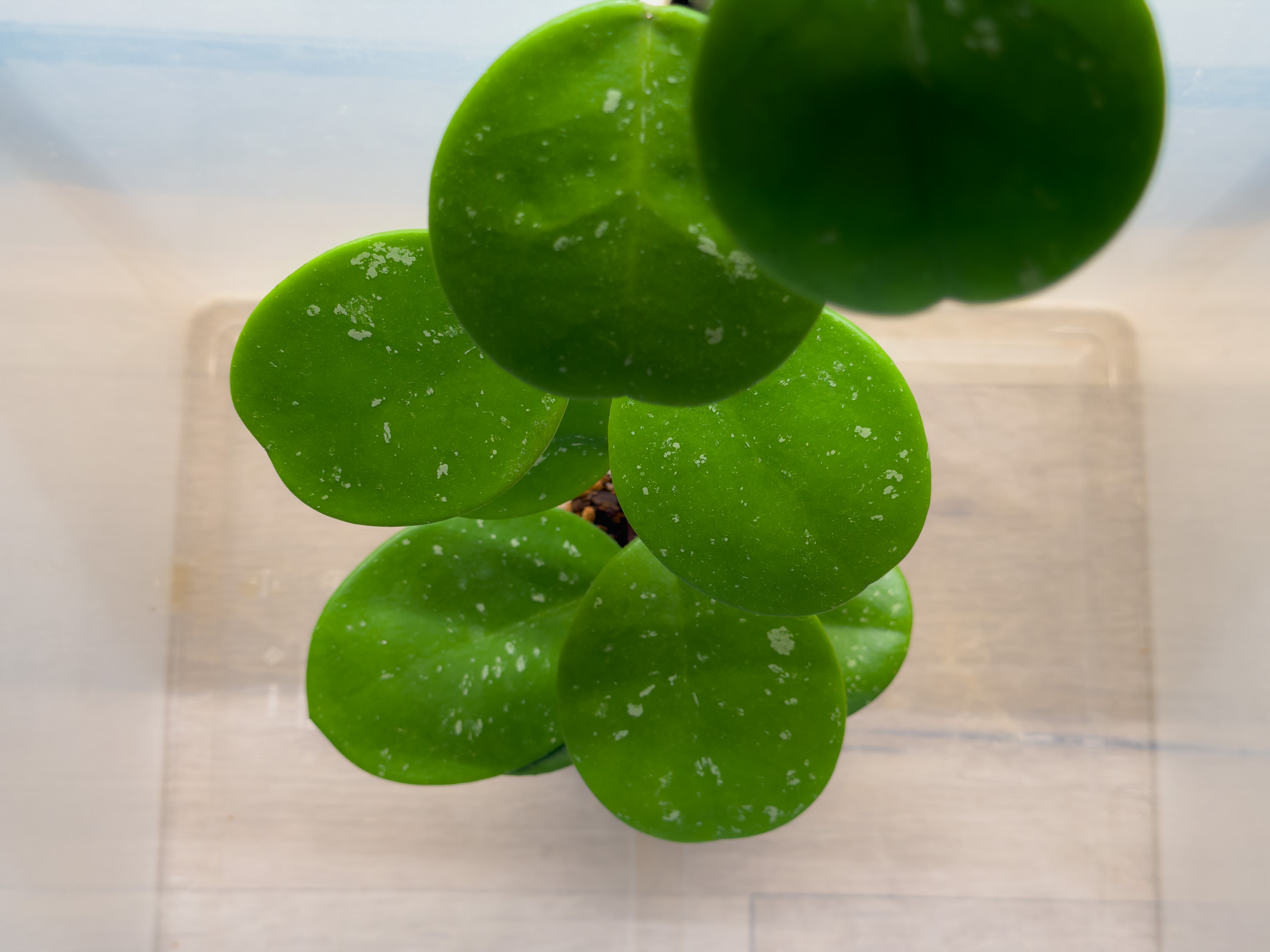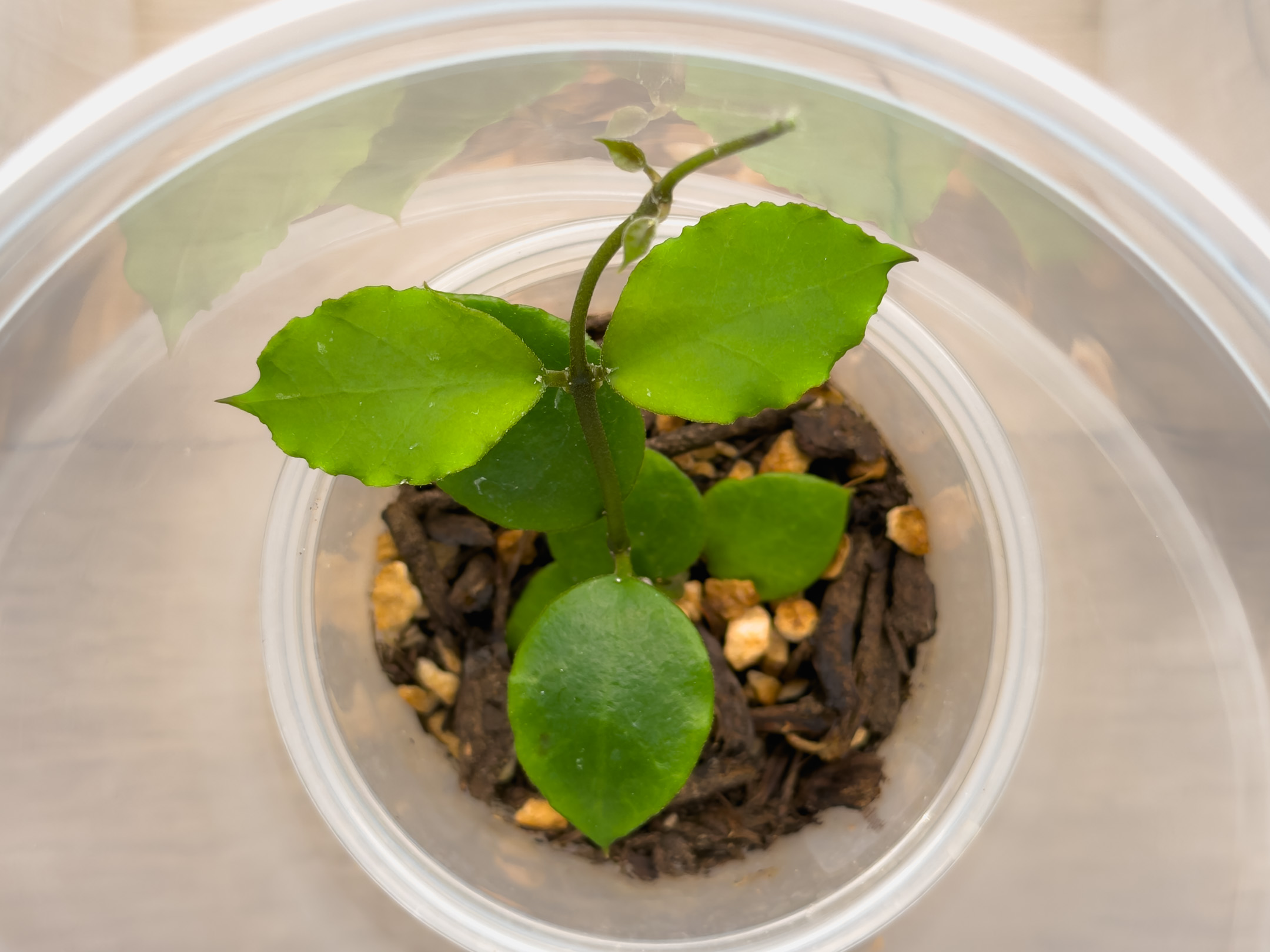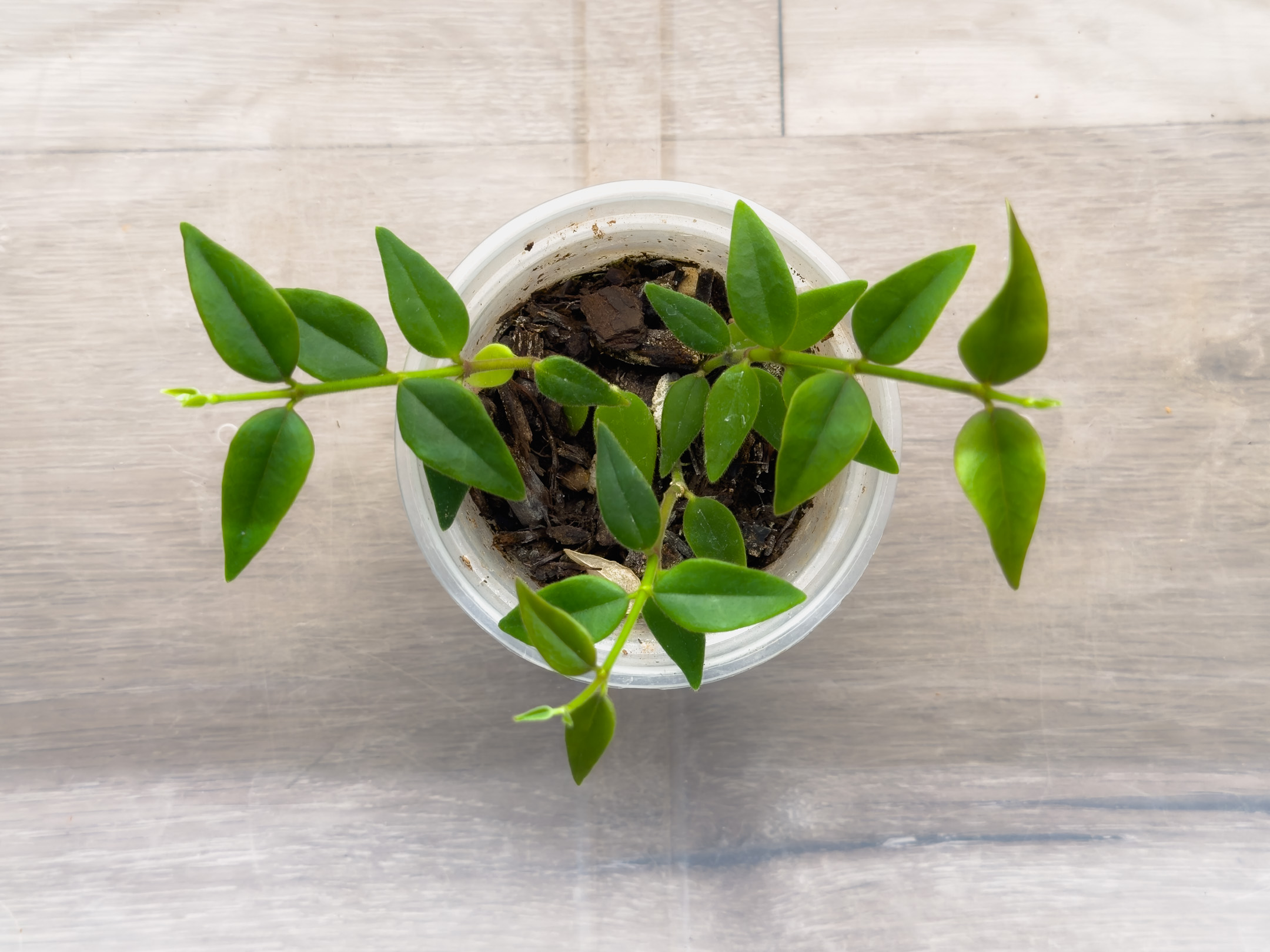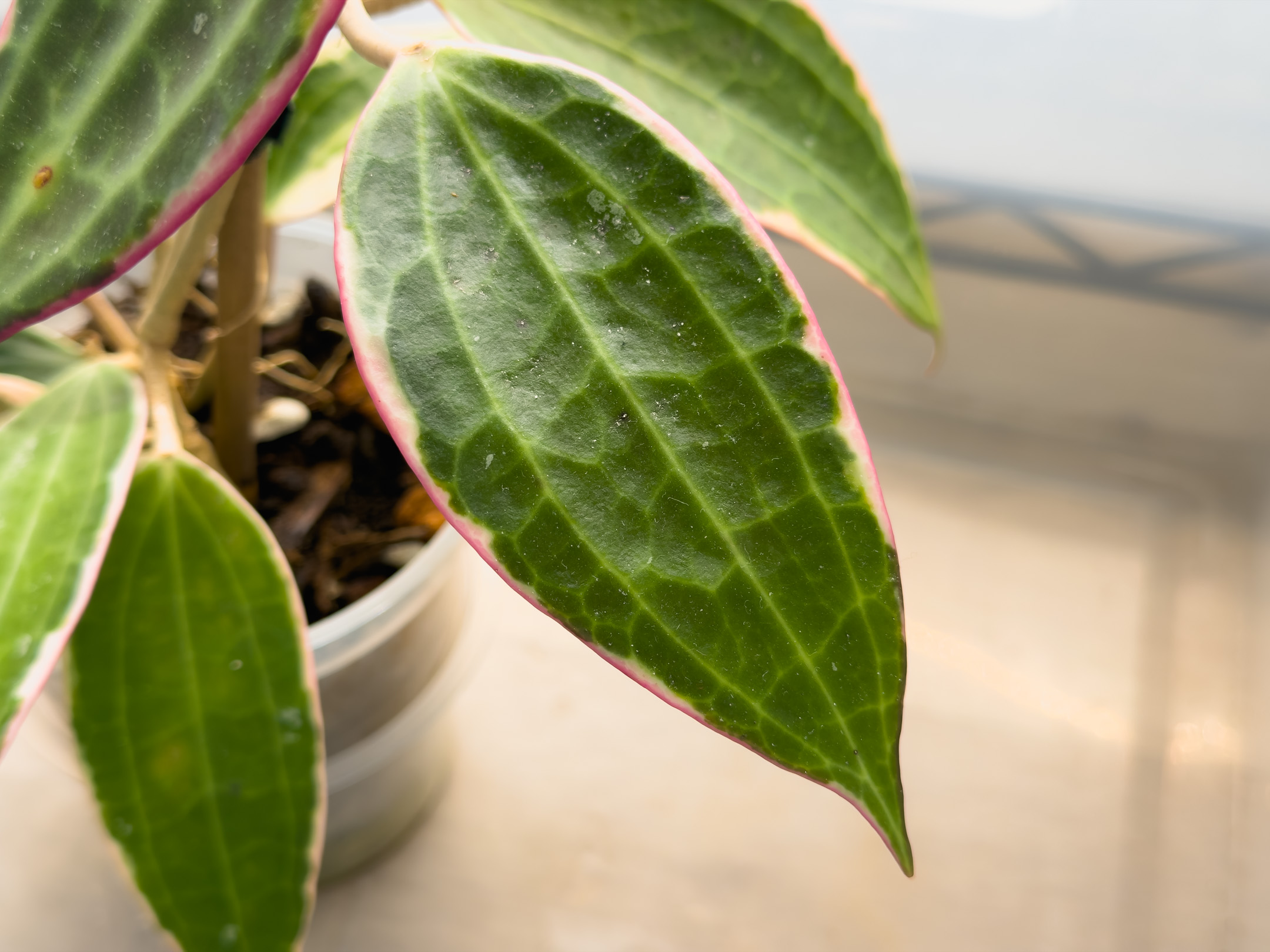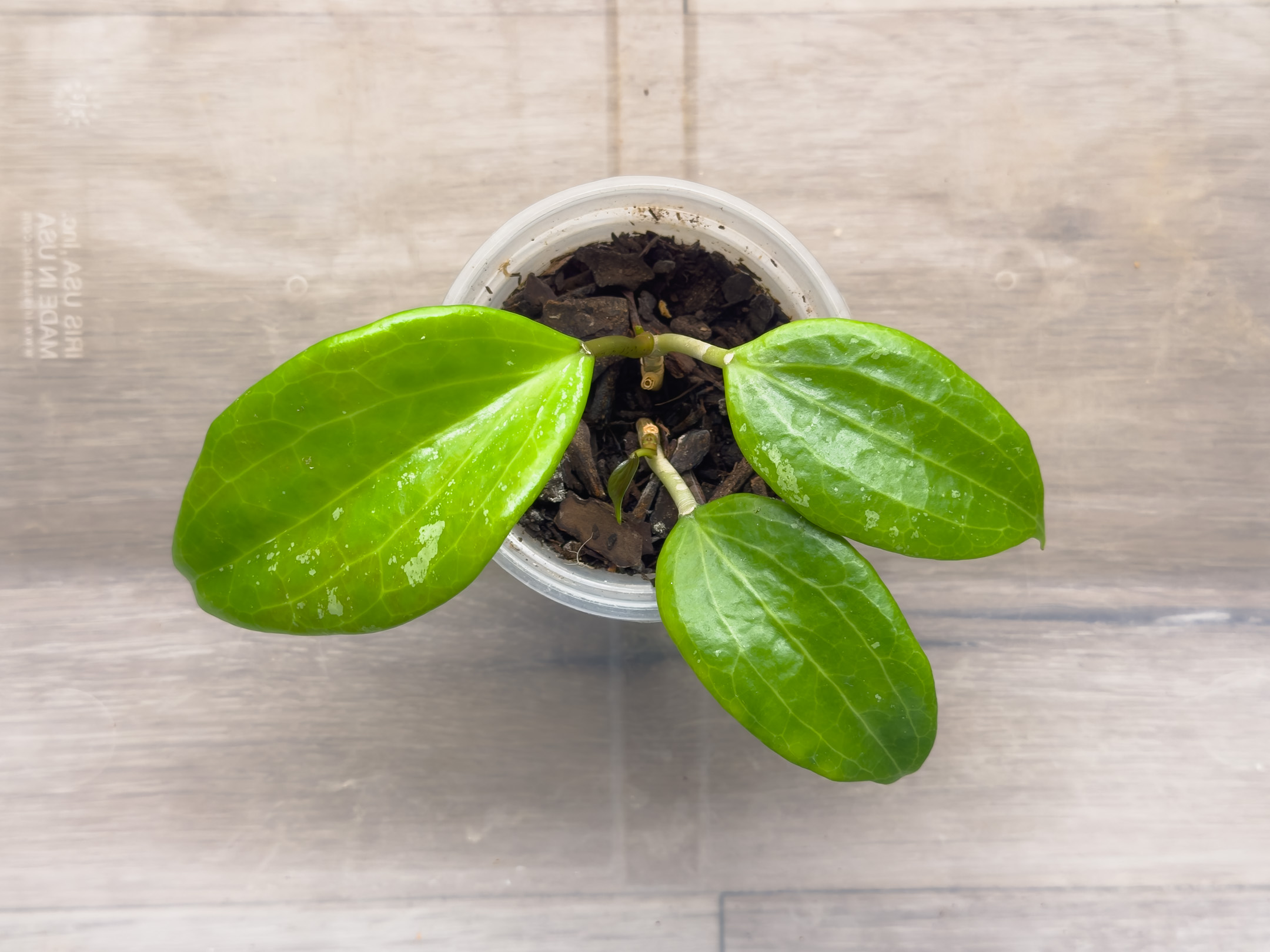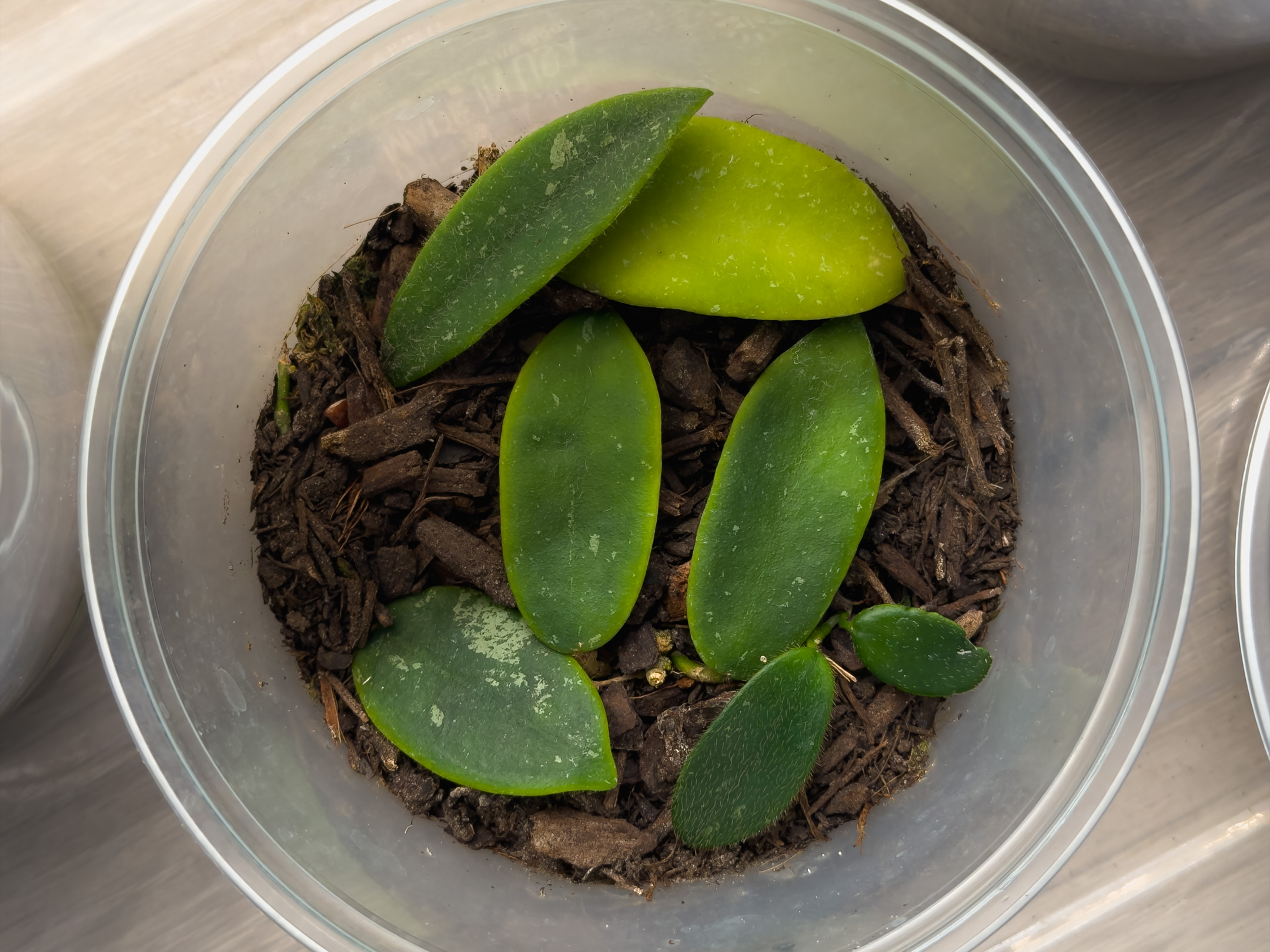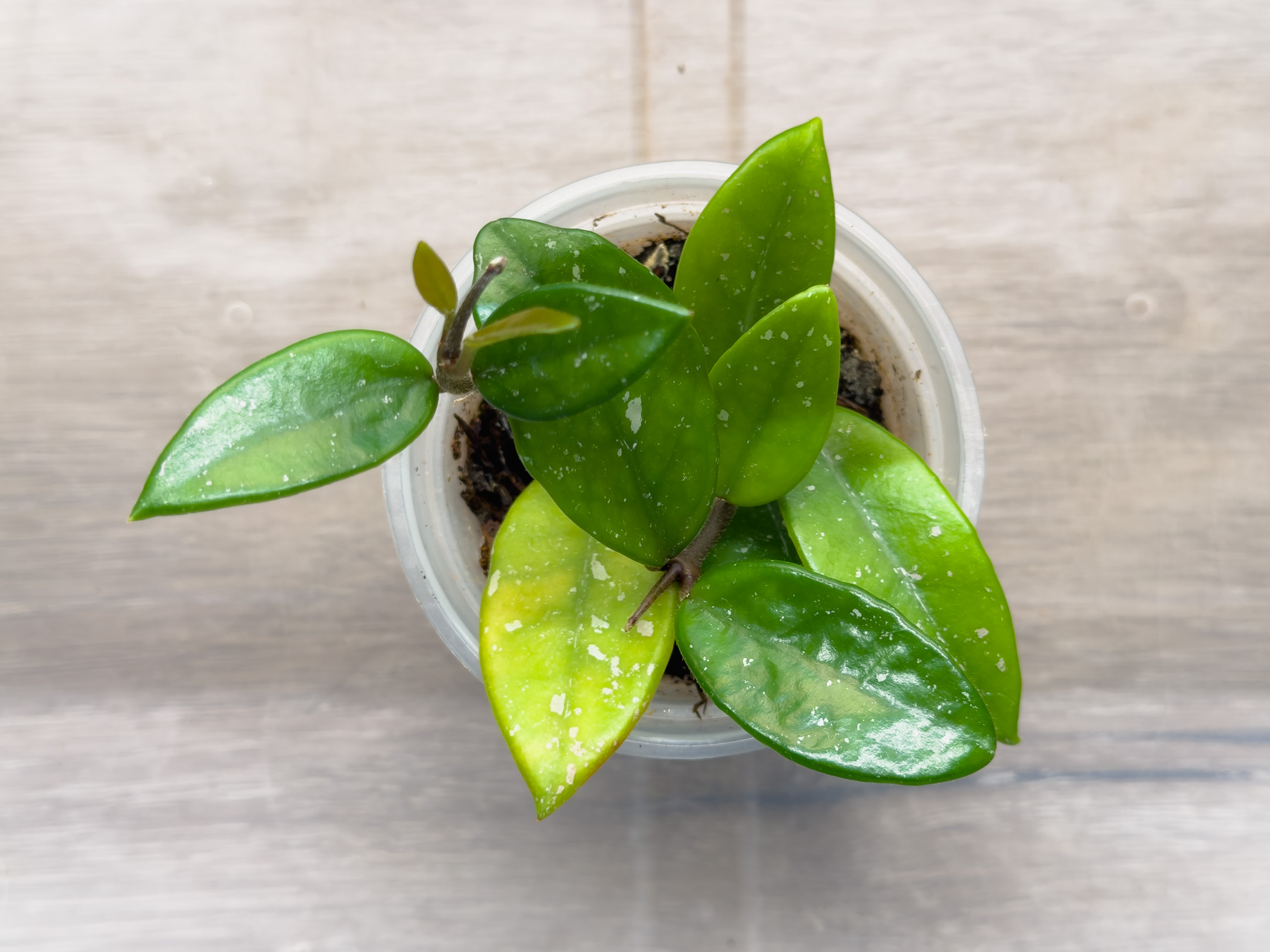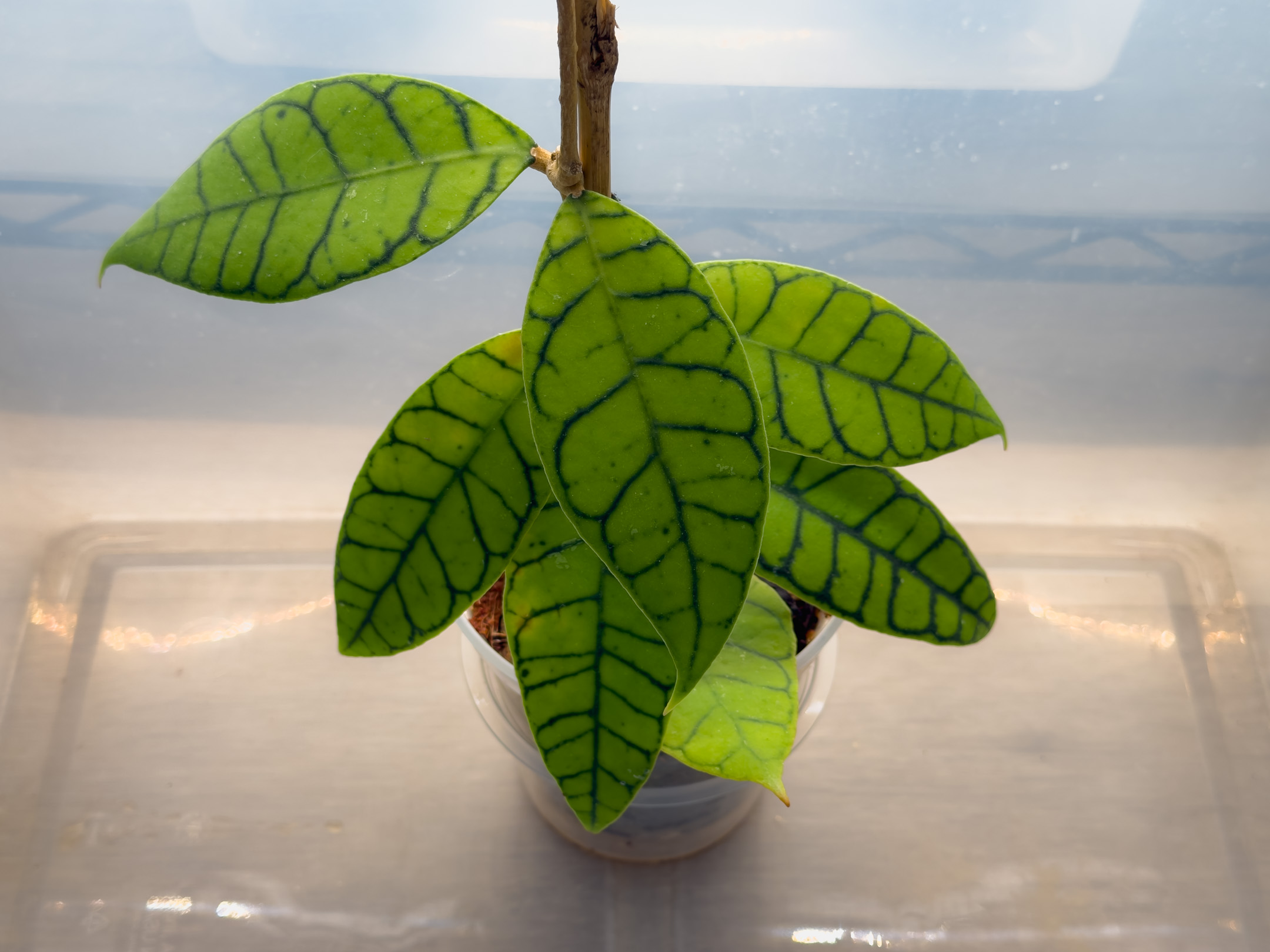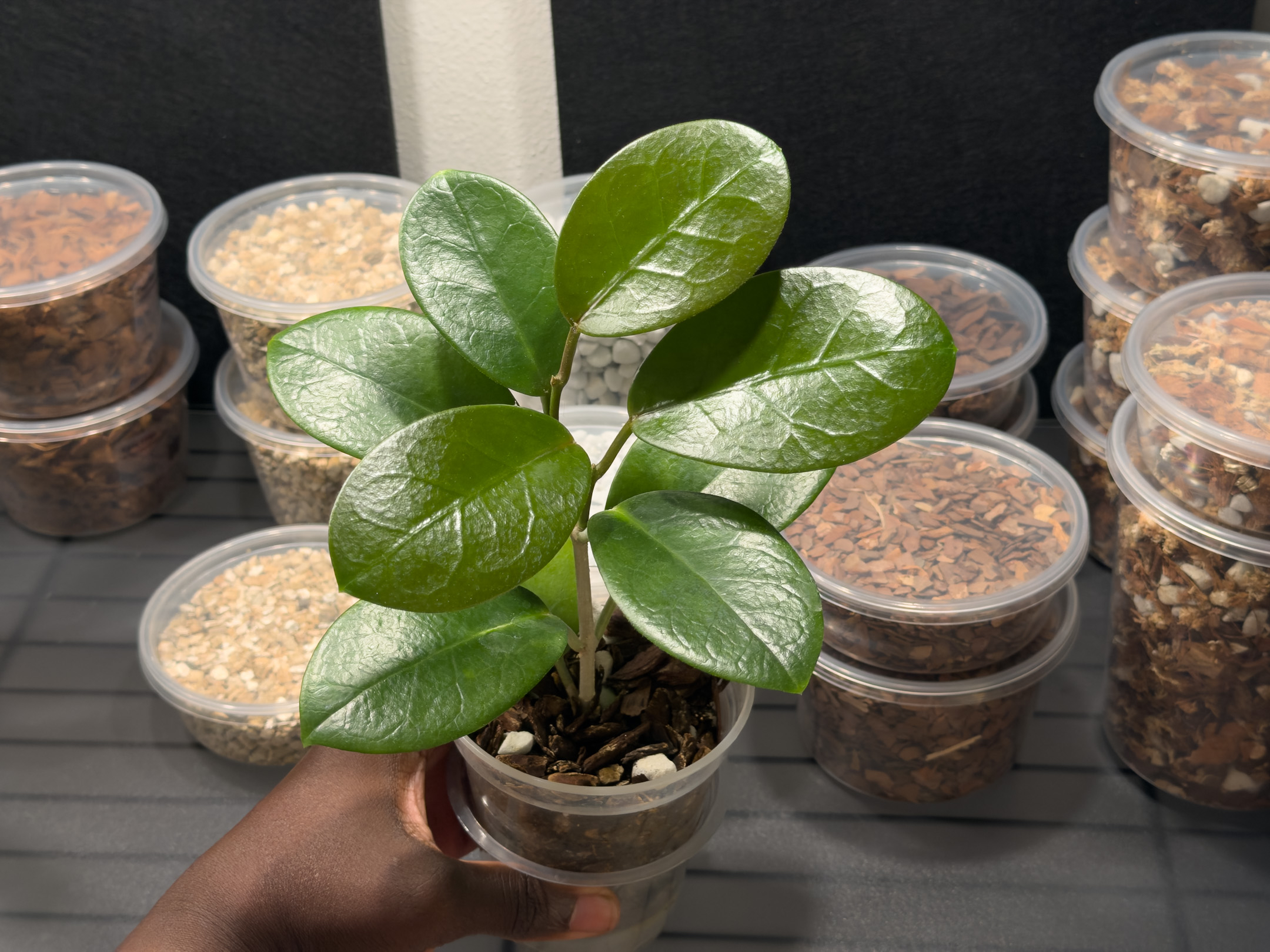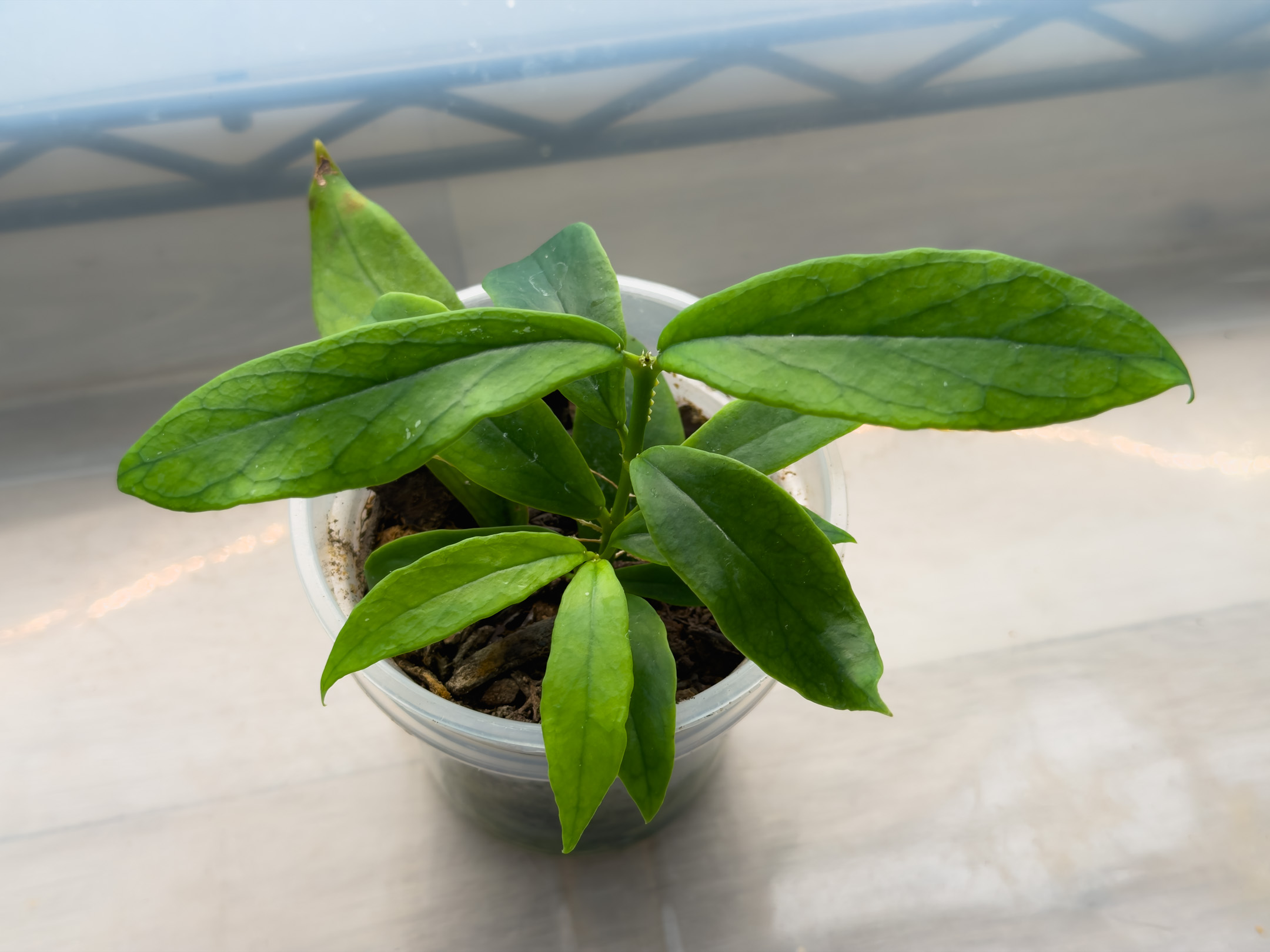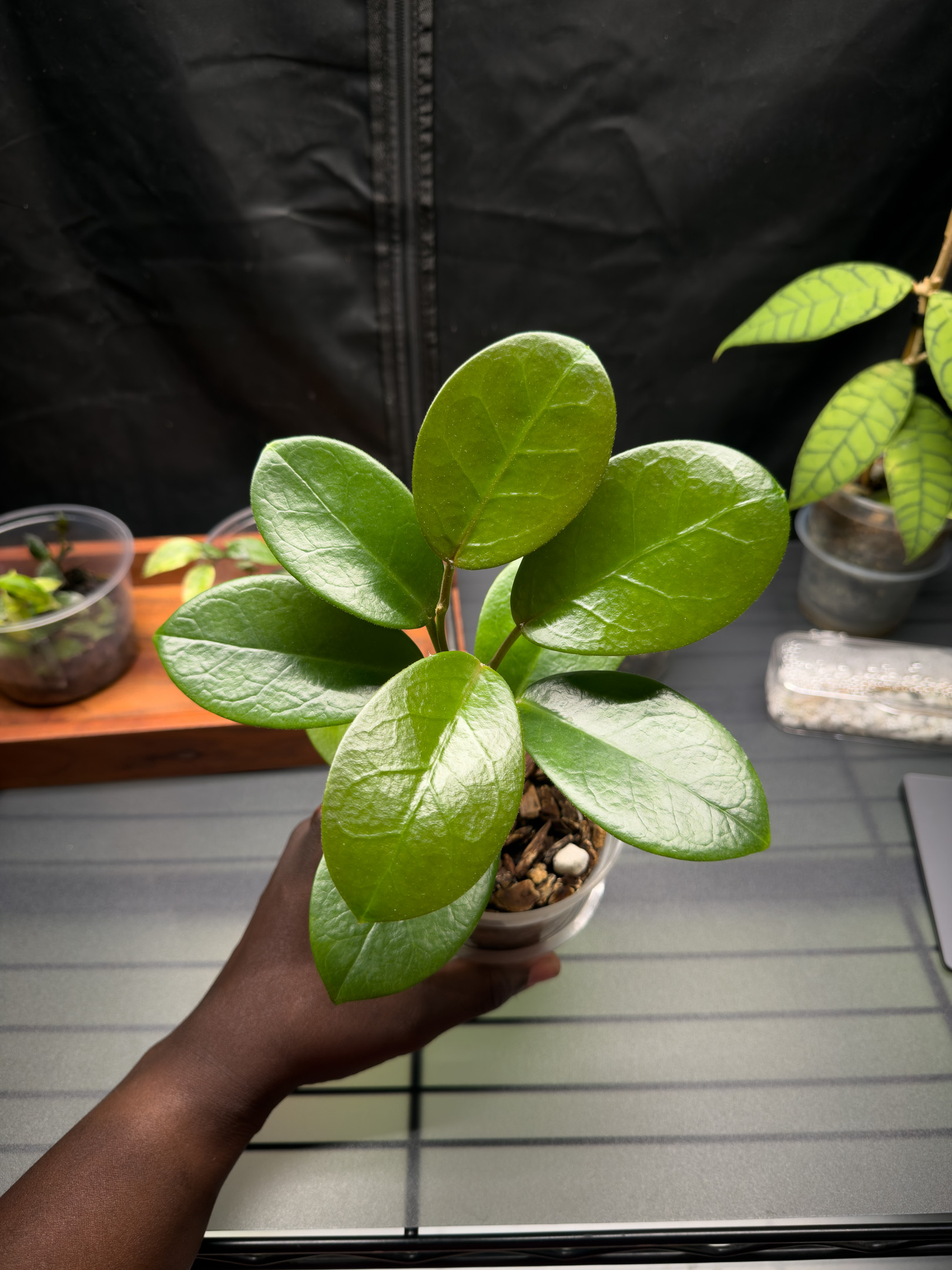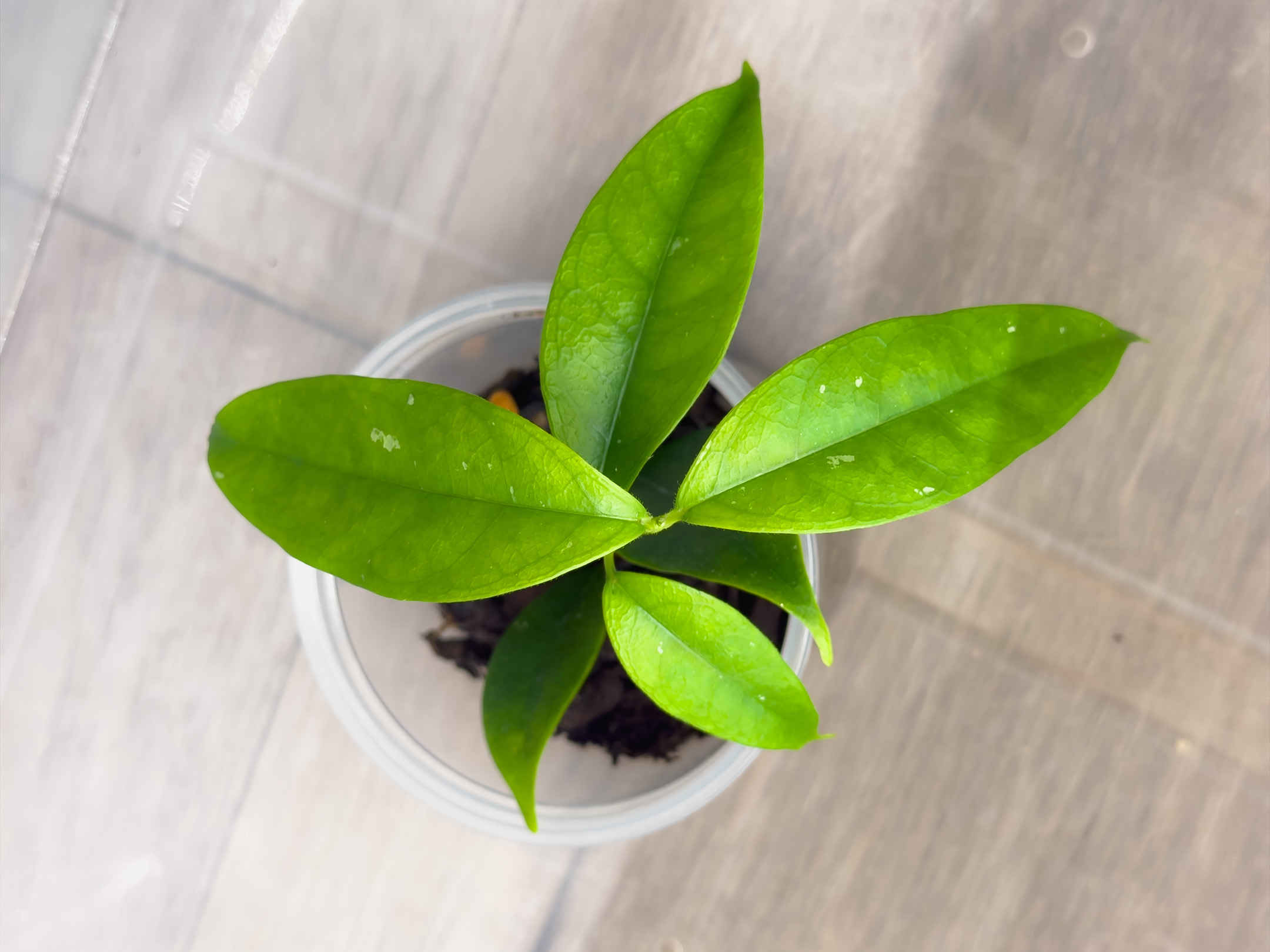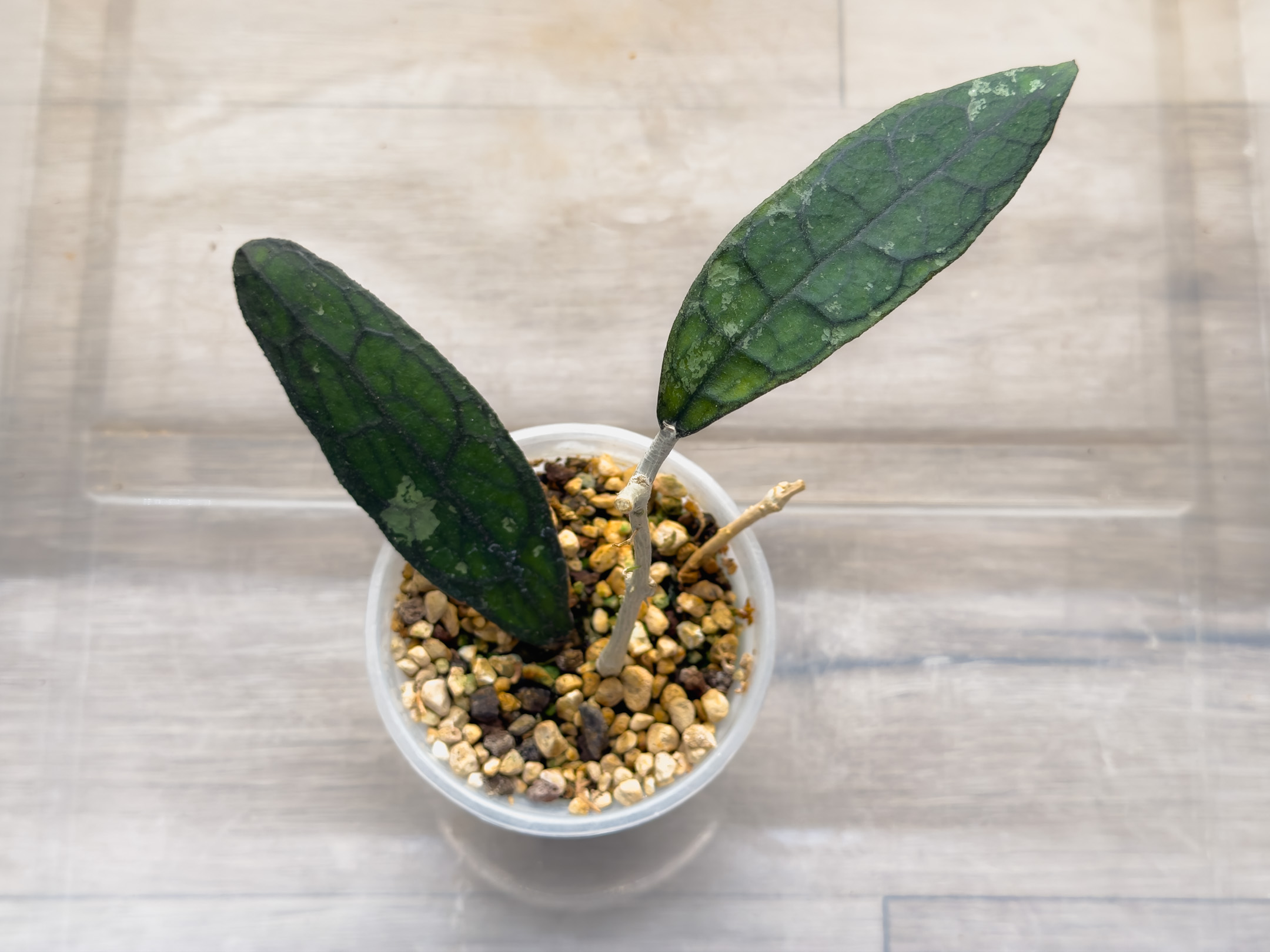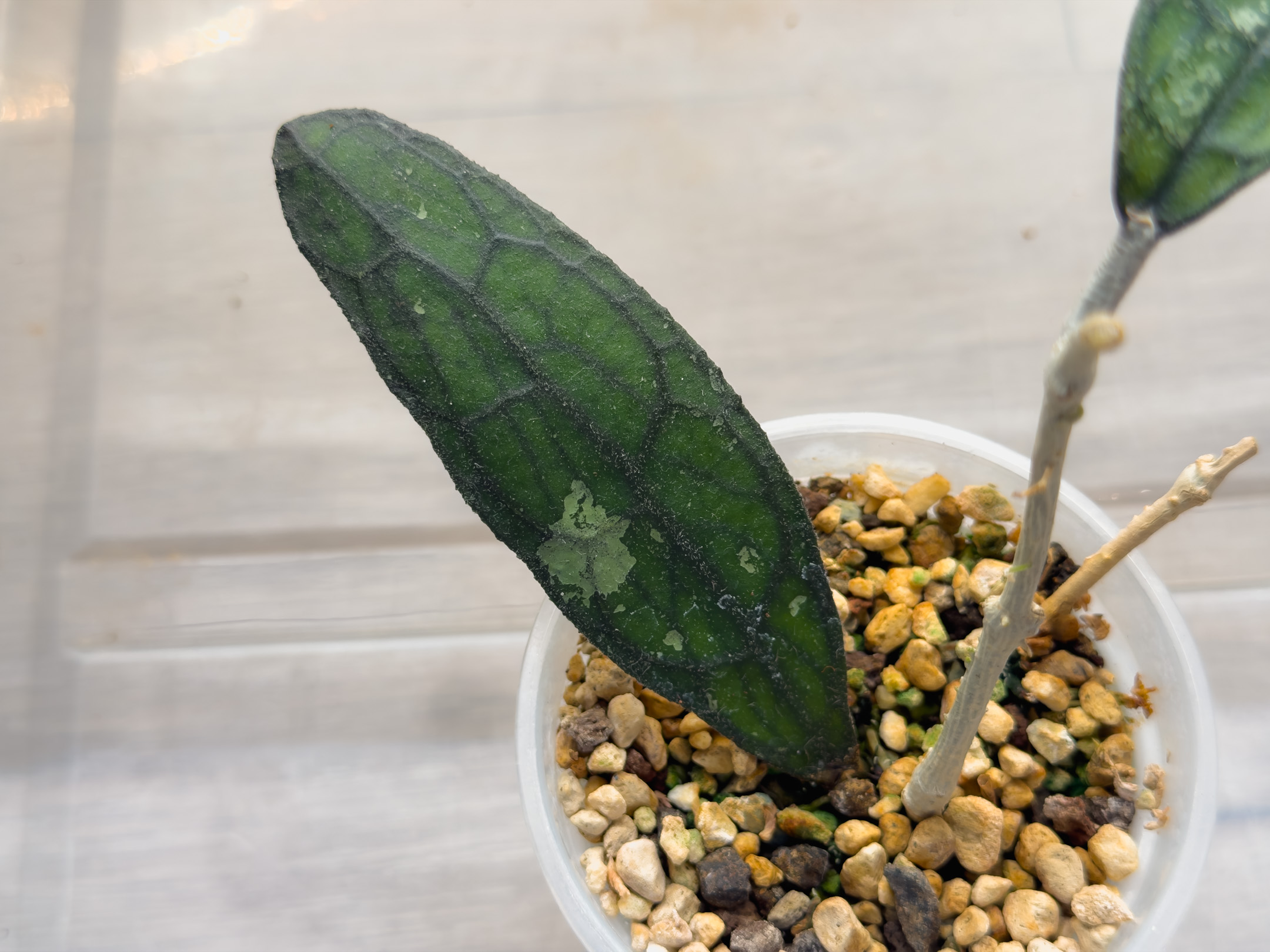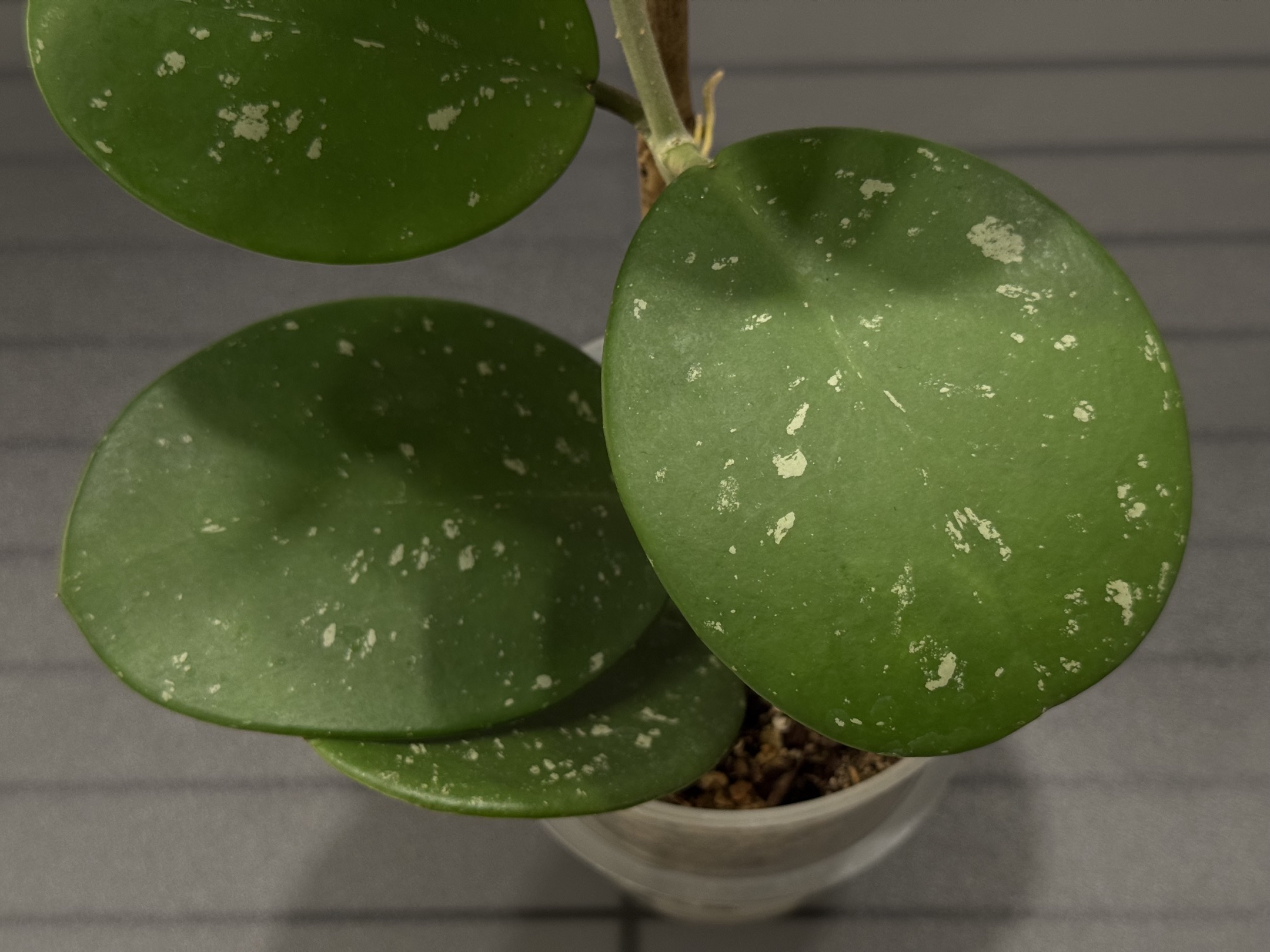




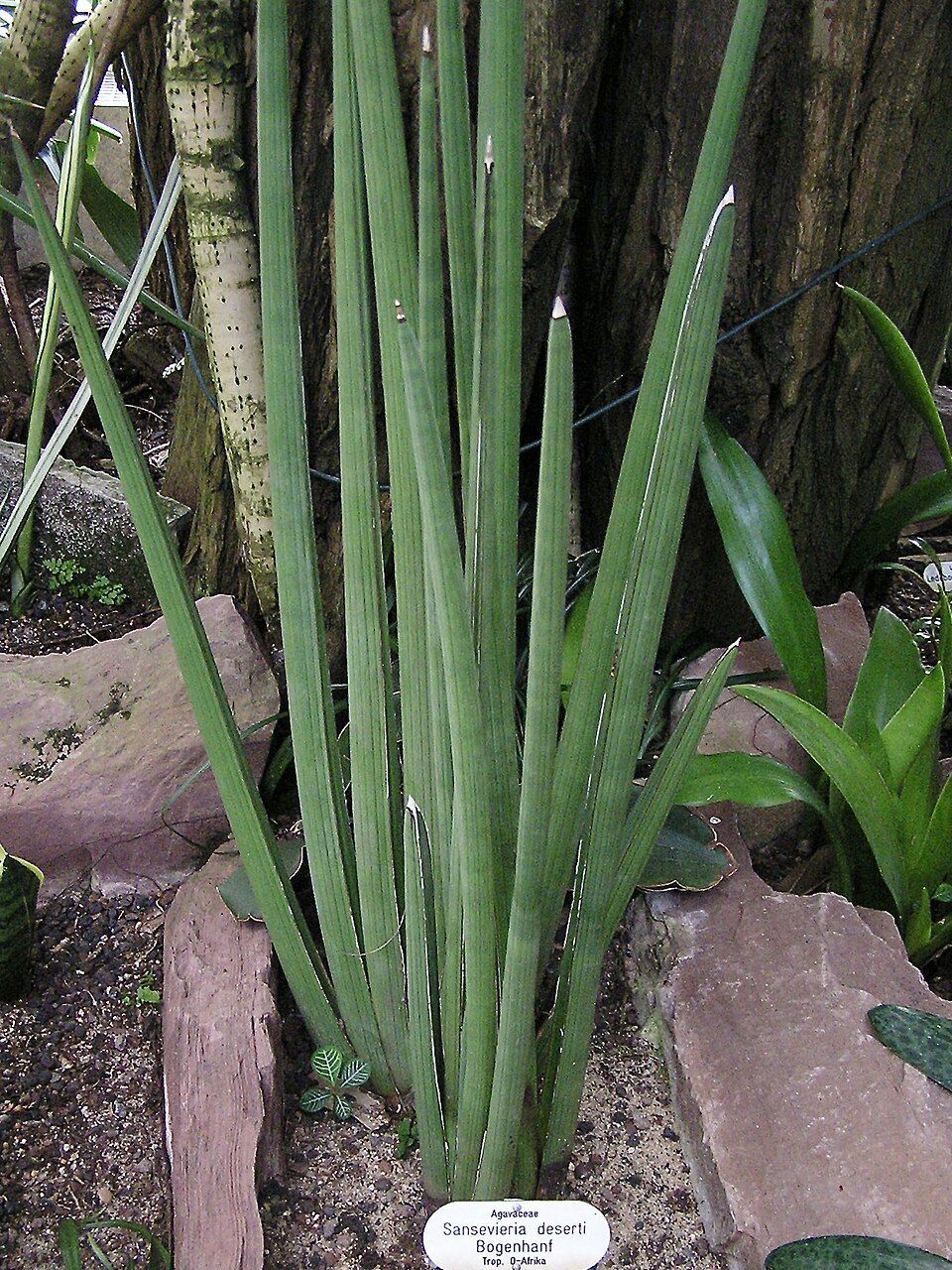
Dracaena deserti is a dryland rhizomatous species with erect, thick leaves that are compressed-cylindrical rather than fully round. Longitudinal grooves, a slightly rough surface, and darker reddish-brown marginal detail give the foliage a rugged, highly textural character.
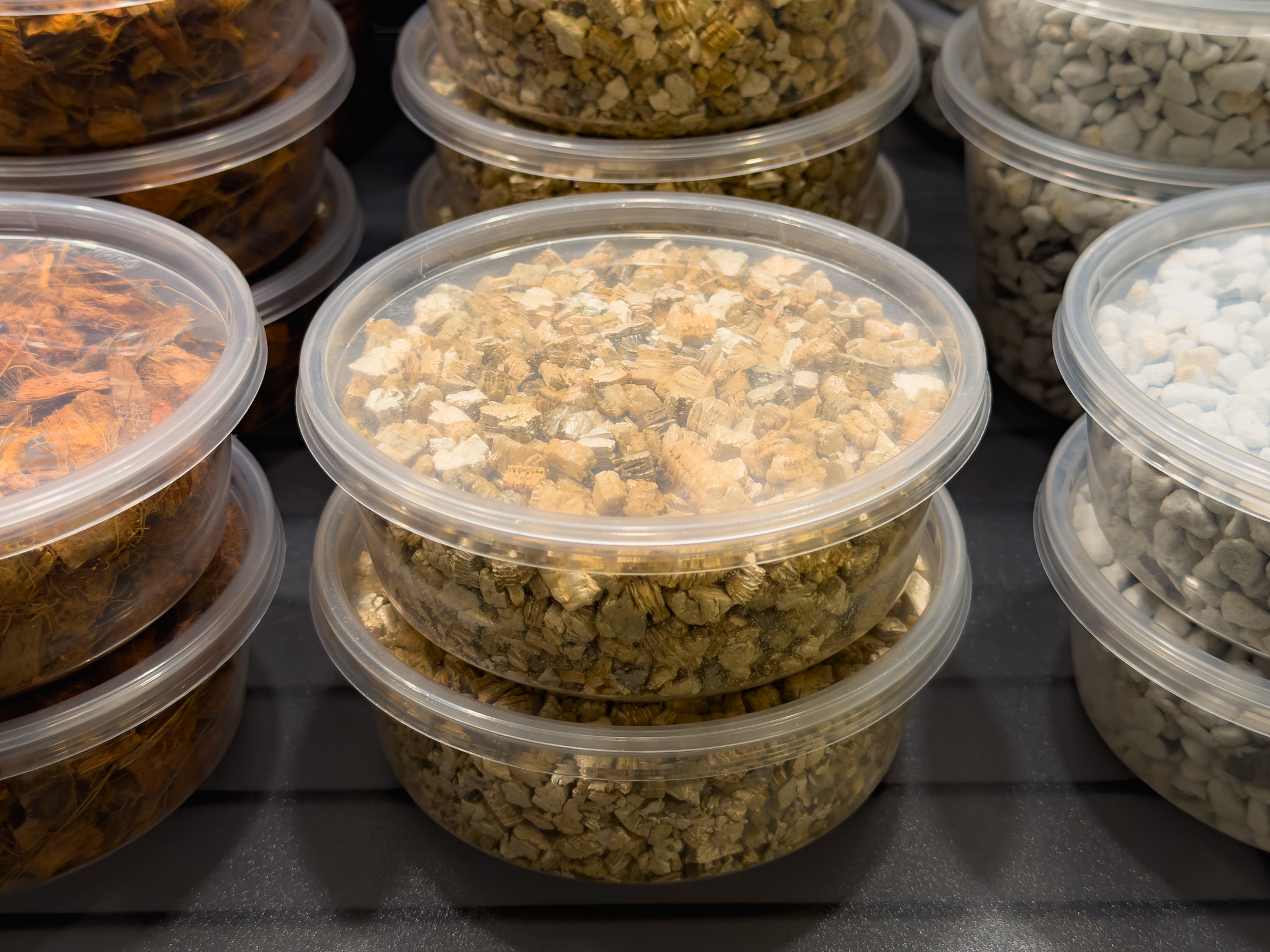
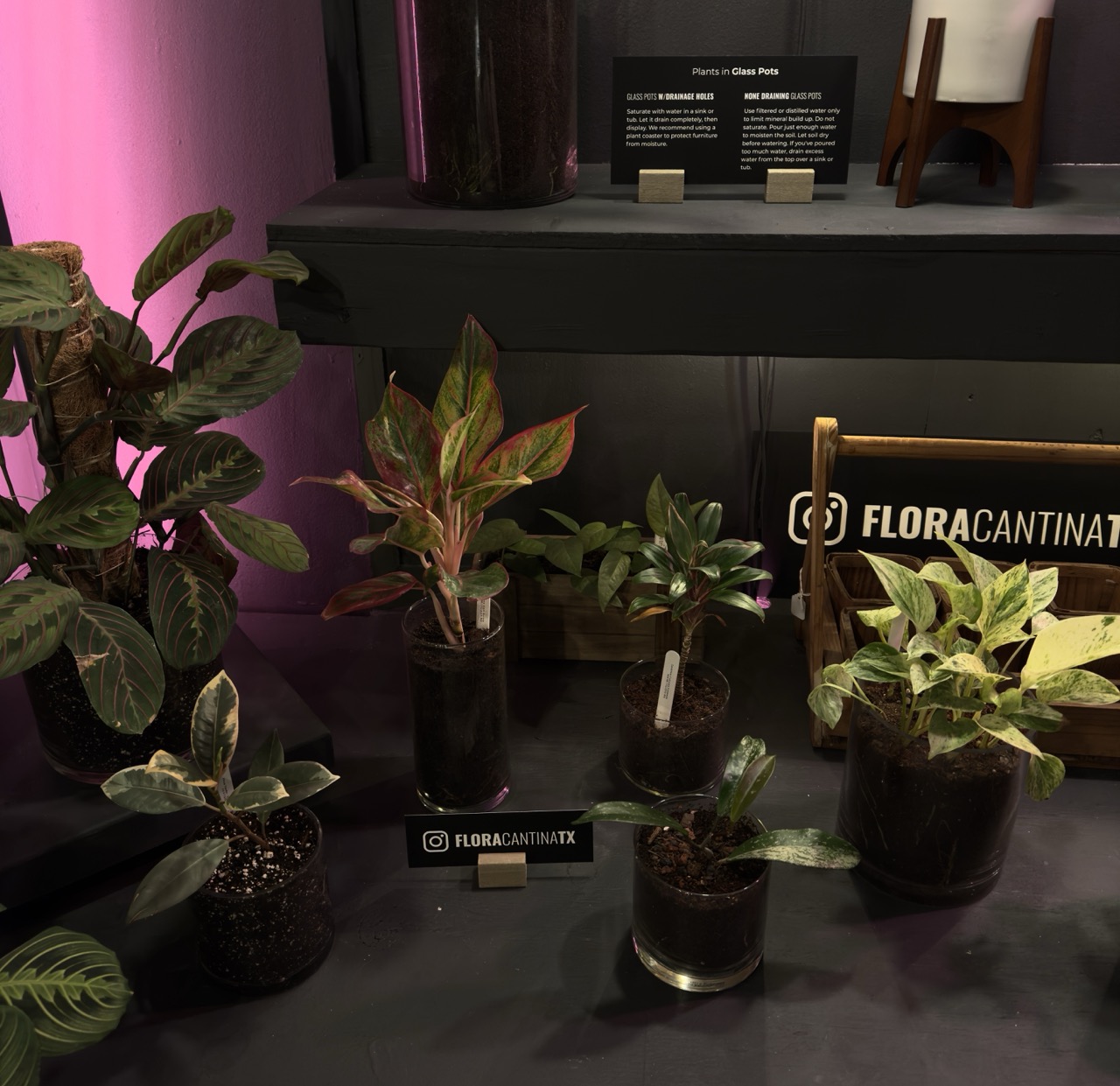
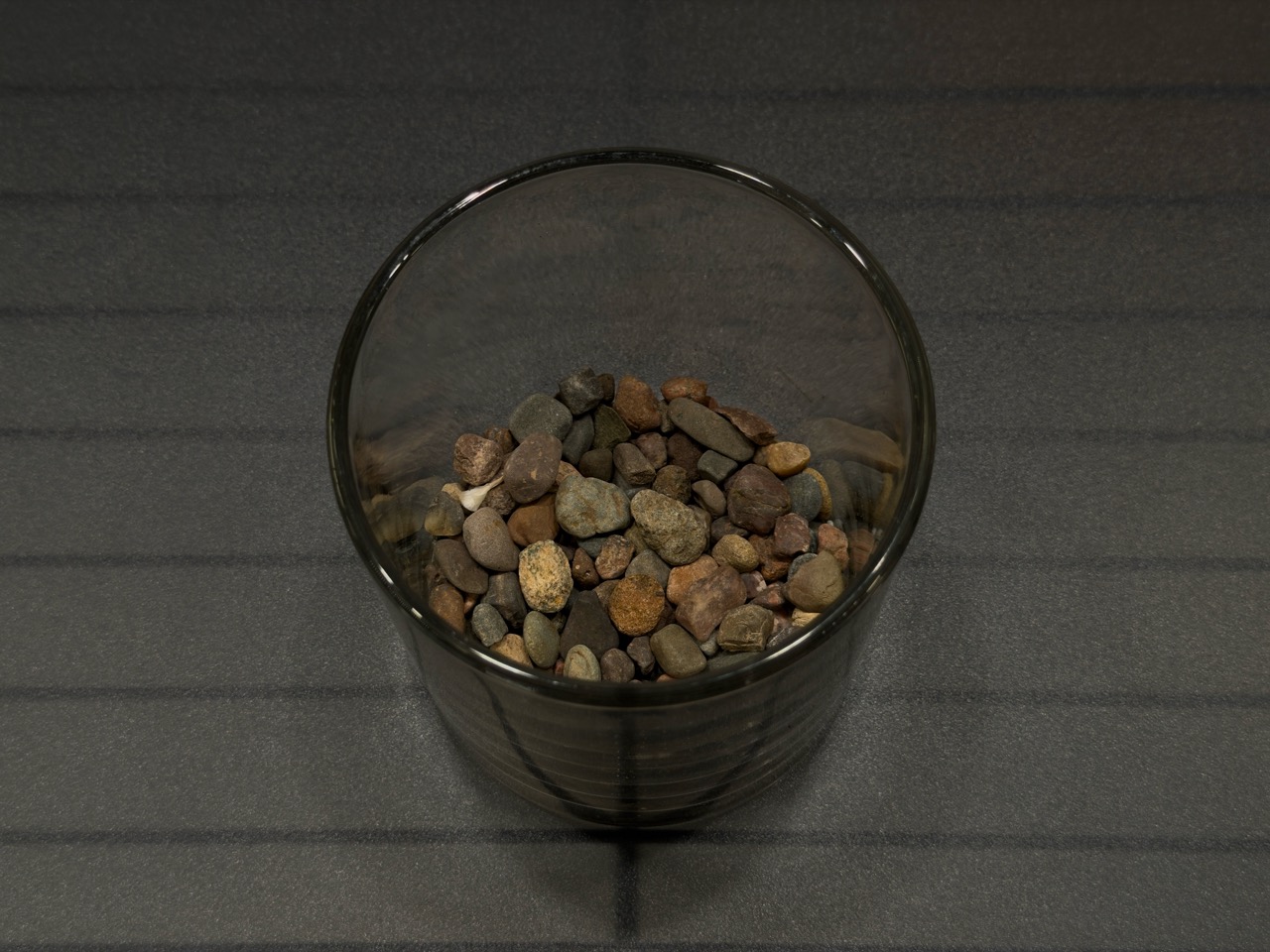
The species is adapted to pronounced dry cycles and is best treated conservatively in cultivation. A drainage-equipped glass pot with a coarse, mineral-forward substrate provides the clearest fit with Flora Cantina’s system approach, keeping the root zone visible while minimizing the risk of persistent saturation.

WATER / ROOT ZONE
This is one of the driest-cycle plants in the collection. Its thick, compressed-cylindrical leaves and rhizome store water, so allow the substrate to dry thoroughly before re-watering.
SYSTEM
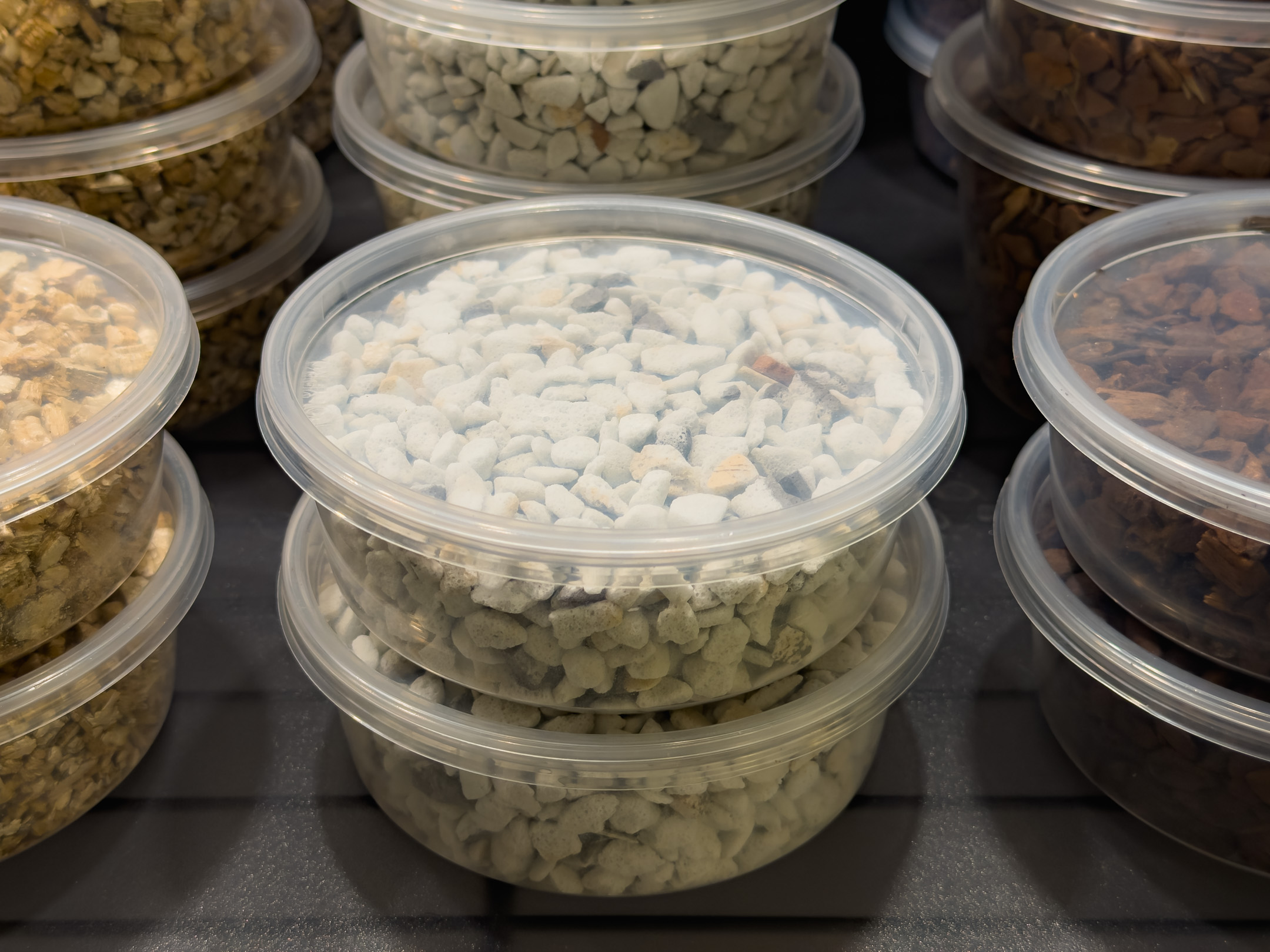
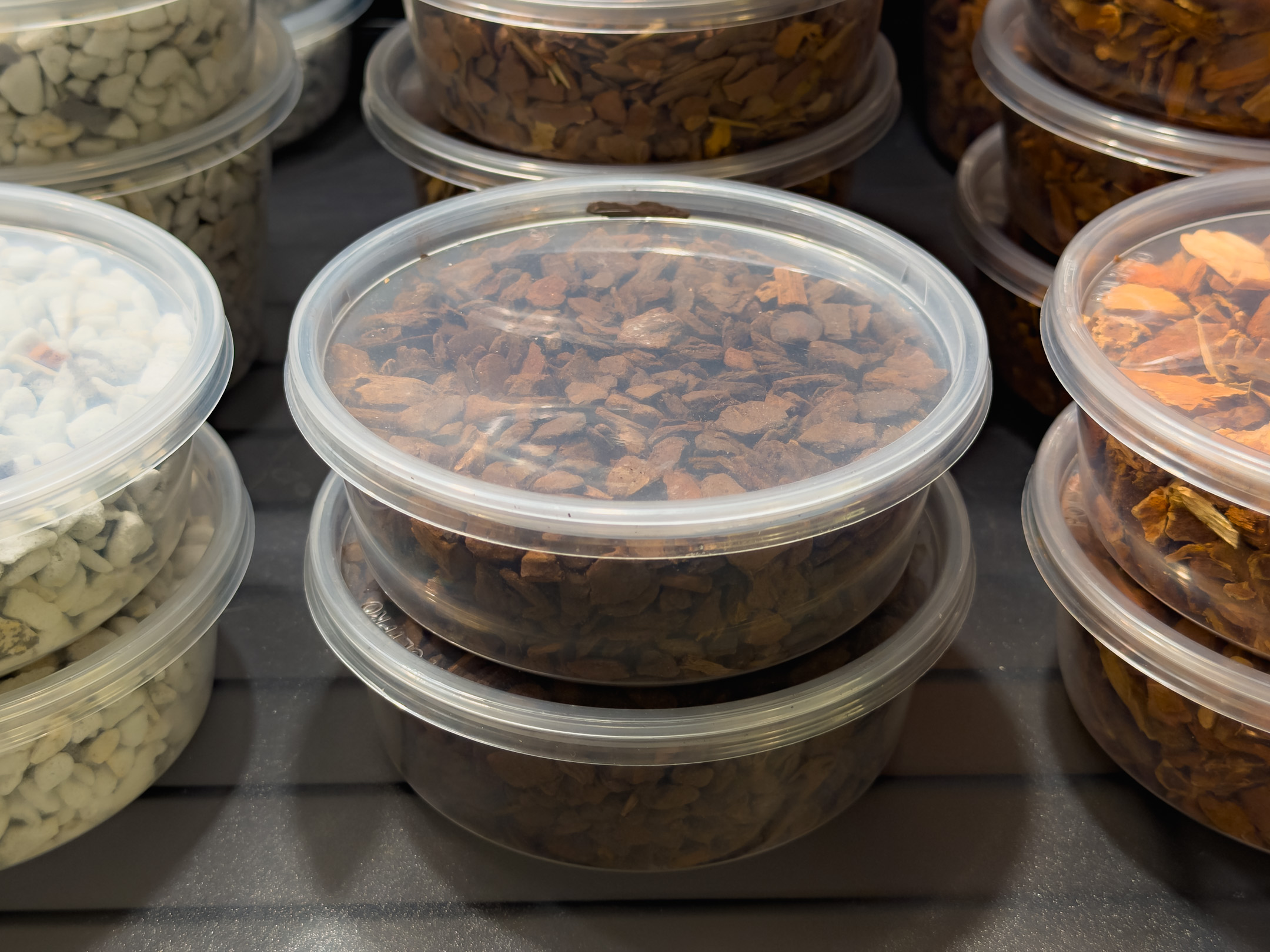
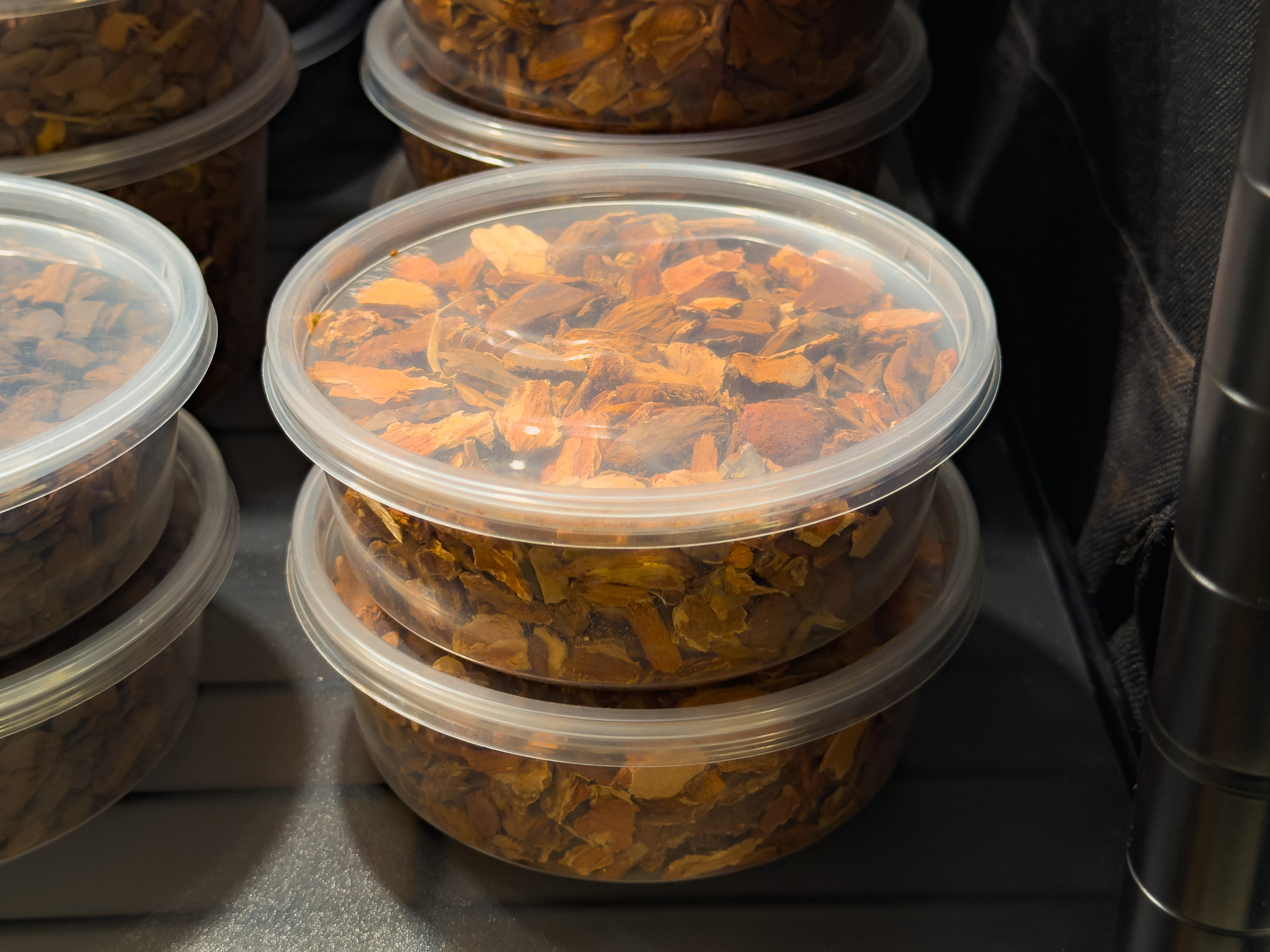
Use a coarse, mineral-forward, highly aerated root zone. Avoid a continuously active reservoir or any configuration that keeps the rhizome persistently damp.
GROWTH
Growth is slow; do not interpret slow top growth as a need for more water or fertilizer.
Dracaena plants thrive in moderate humidity and slightly moist soil. However, it’s important to let the soil dry out completely before watering to avoid overwatering. This plant can go several weeks without water.
In terms of lighting, Dracaena plants prefer bright, indirect light but can also tolerate low lighting conditions.
When it comes to potting, repot the plant in pots that are no larger than 1 inch in diameter from the root system.
For the soil, use a chunky soil mix specifically designed for orchids or epiphytes, such as any branded potting soil mix for these types of plants.
Dracaena plants prefer moderate humidity and slightly moist soil.
Let the soil dry out completely before watery.
This plant can go several weeks without water.
Thrives in bright, Indirect light but can definitely grow in low lighting.
Repot in pots no larger than 1 inch the diameter of the plant's root system.
Use a chunky soil mix such as any orchid or epiphyte branded potting soil mix.
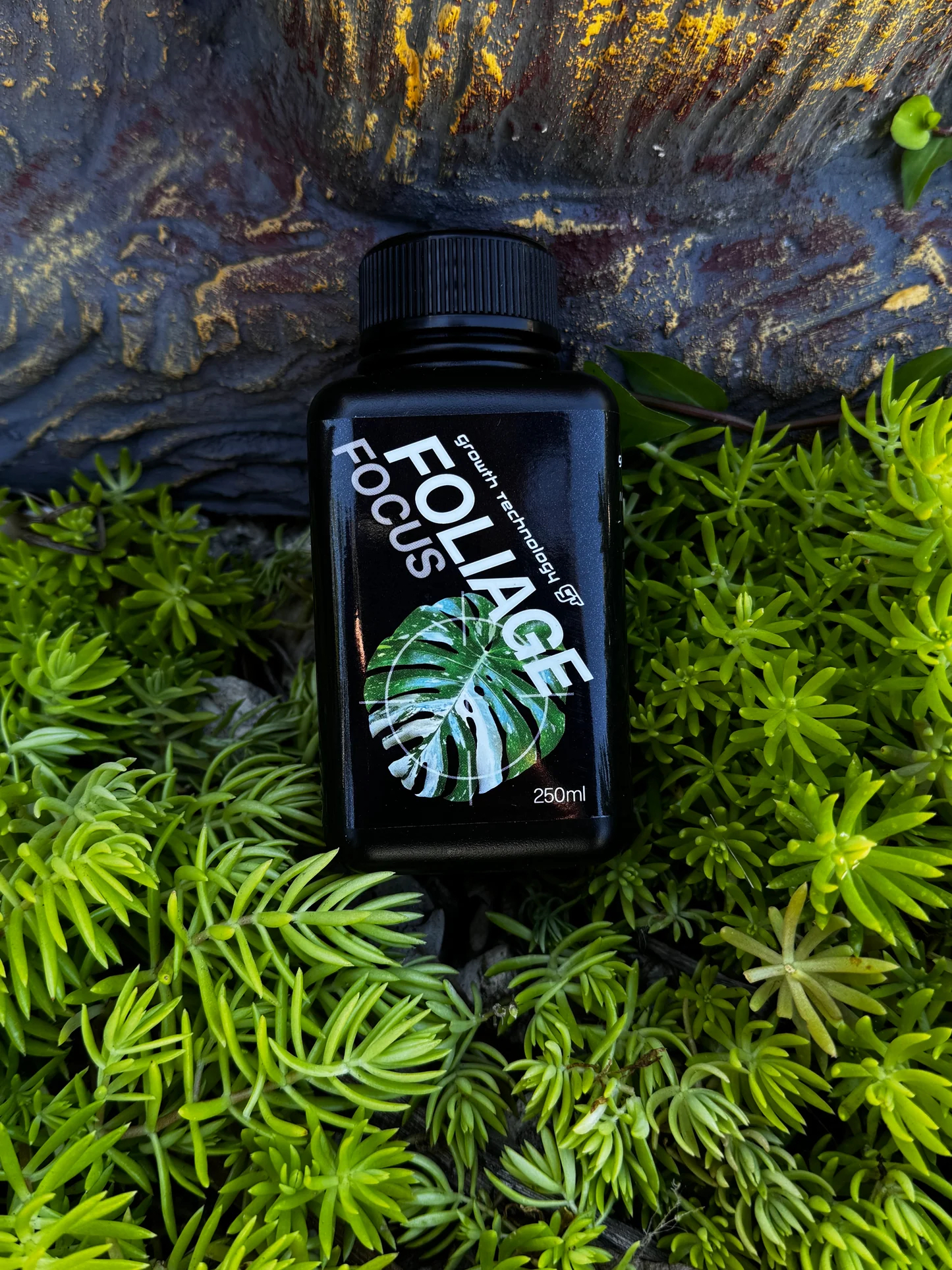
Fast Growth Tip: Provide it lots of bright light and nutrition! This will also increase its watering needs.