
All Posts
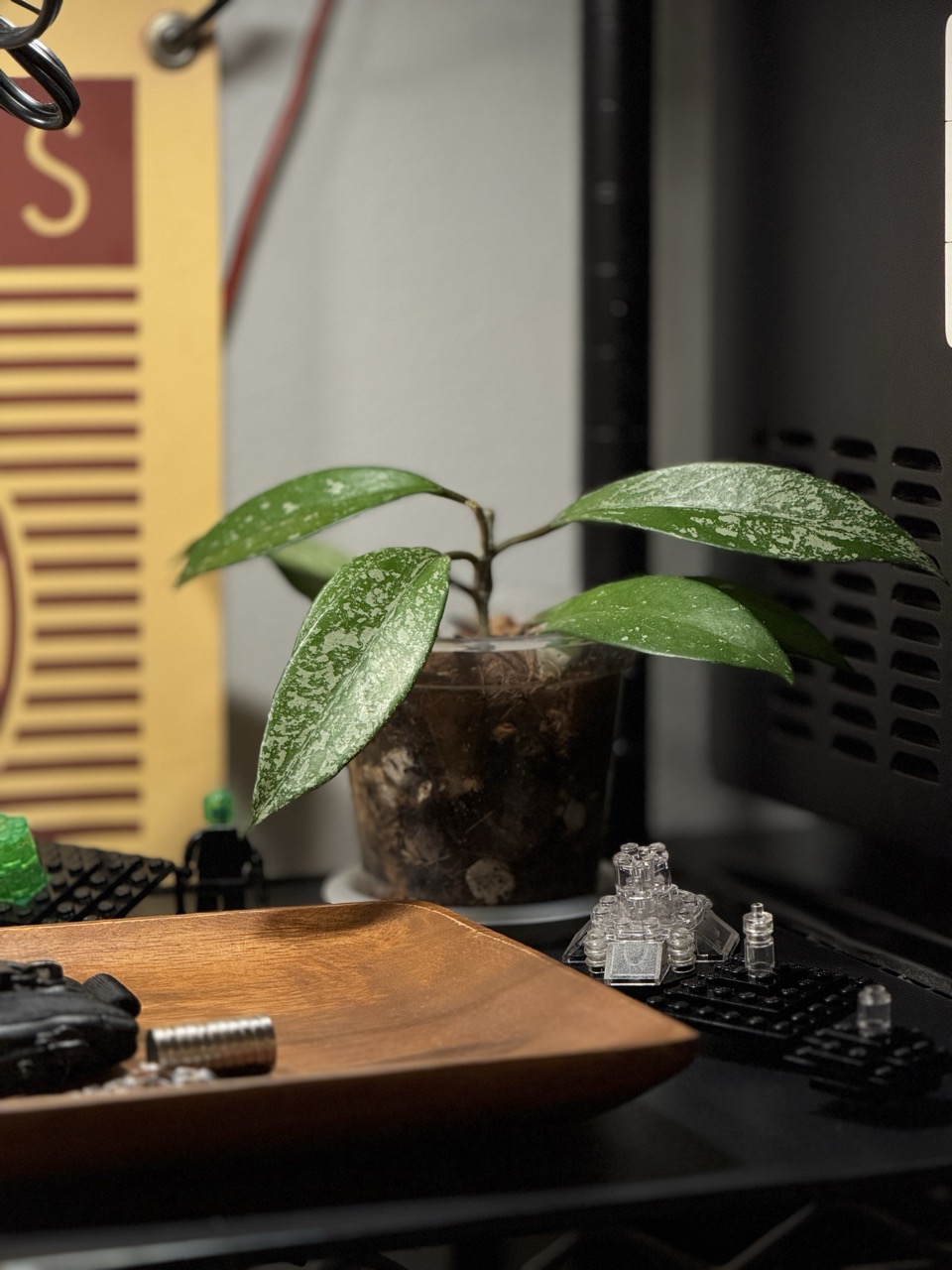


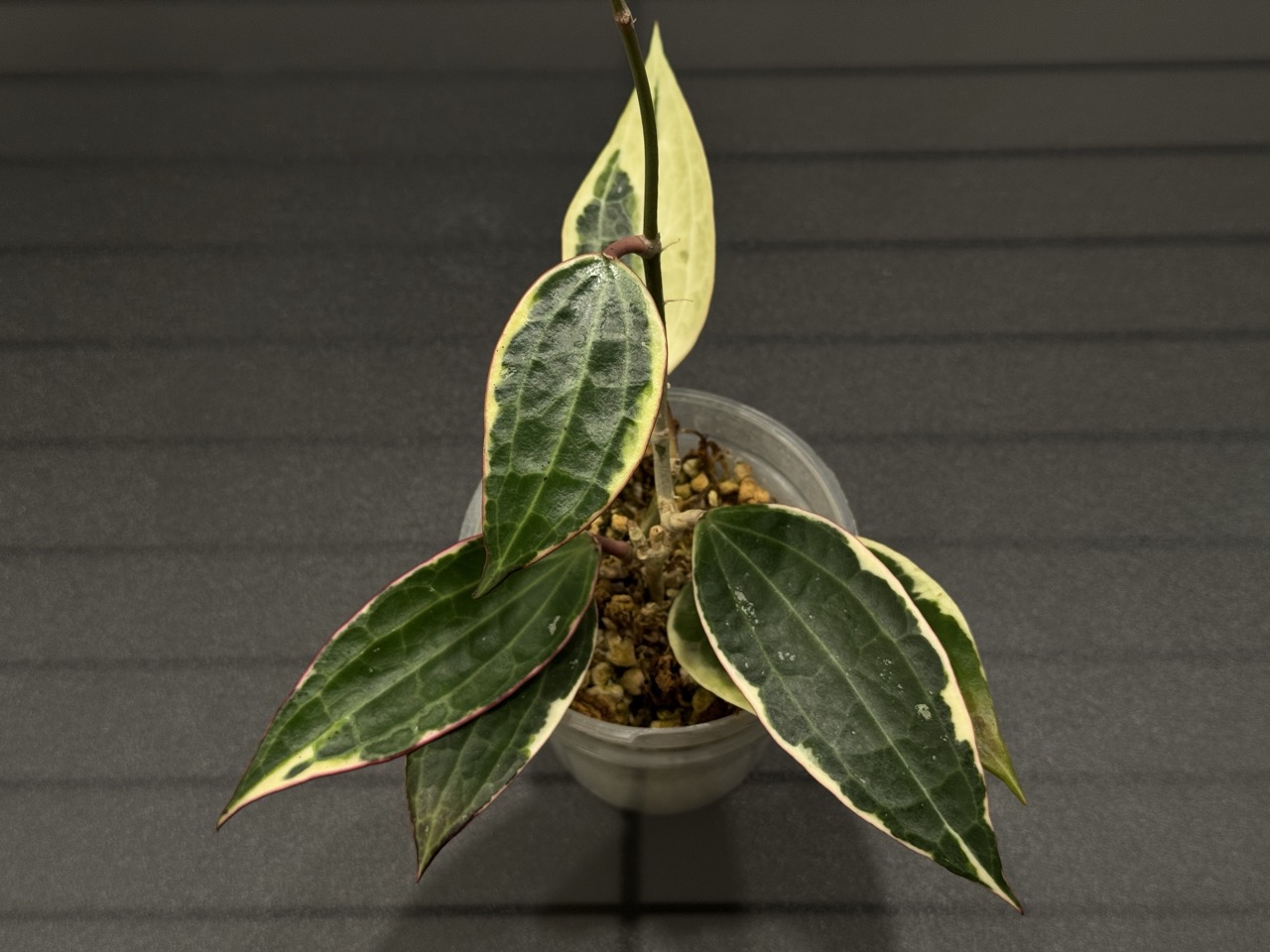


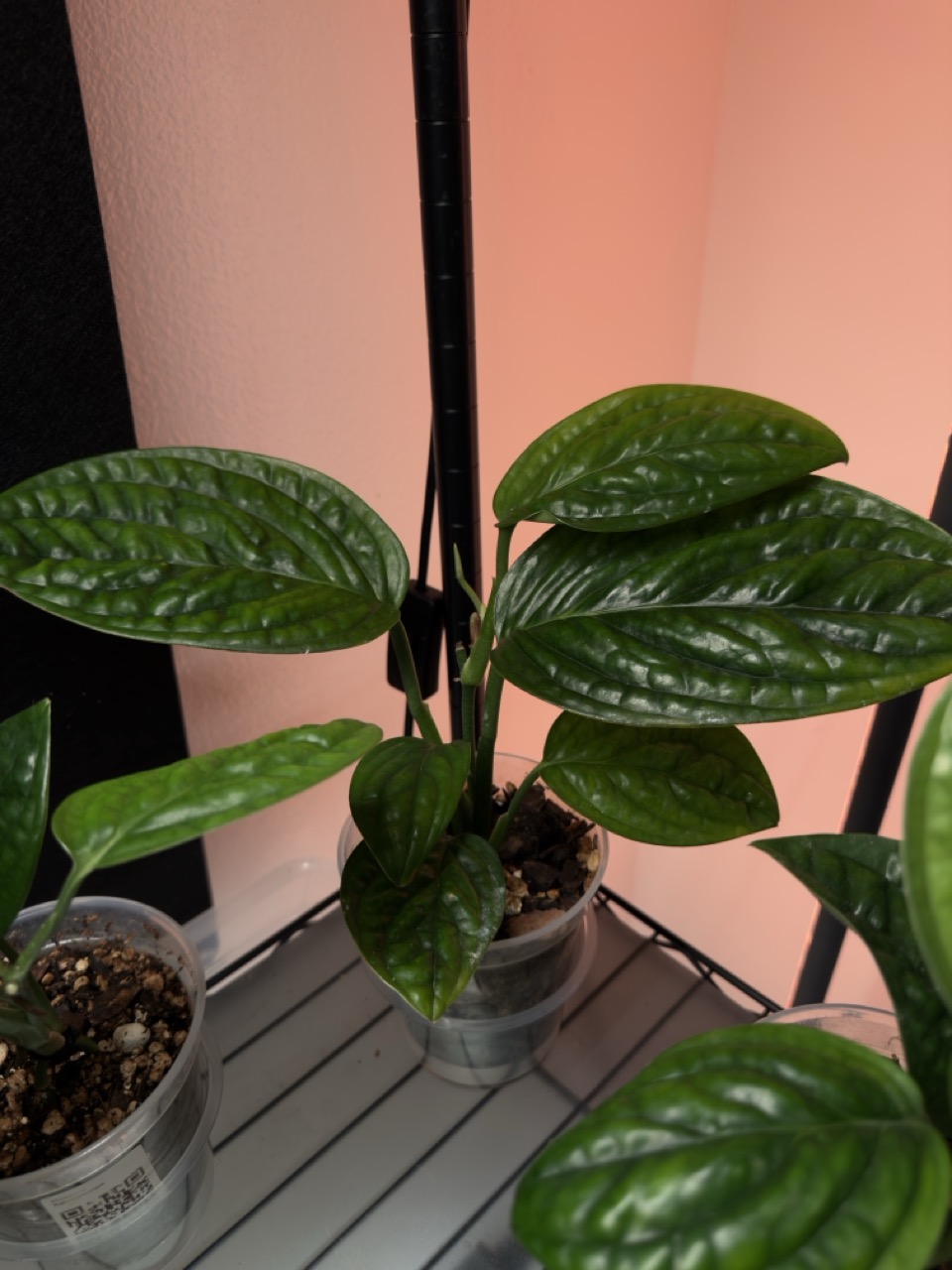
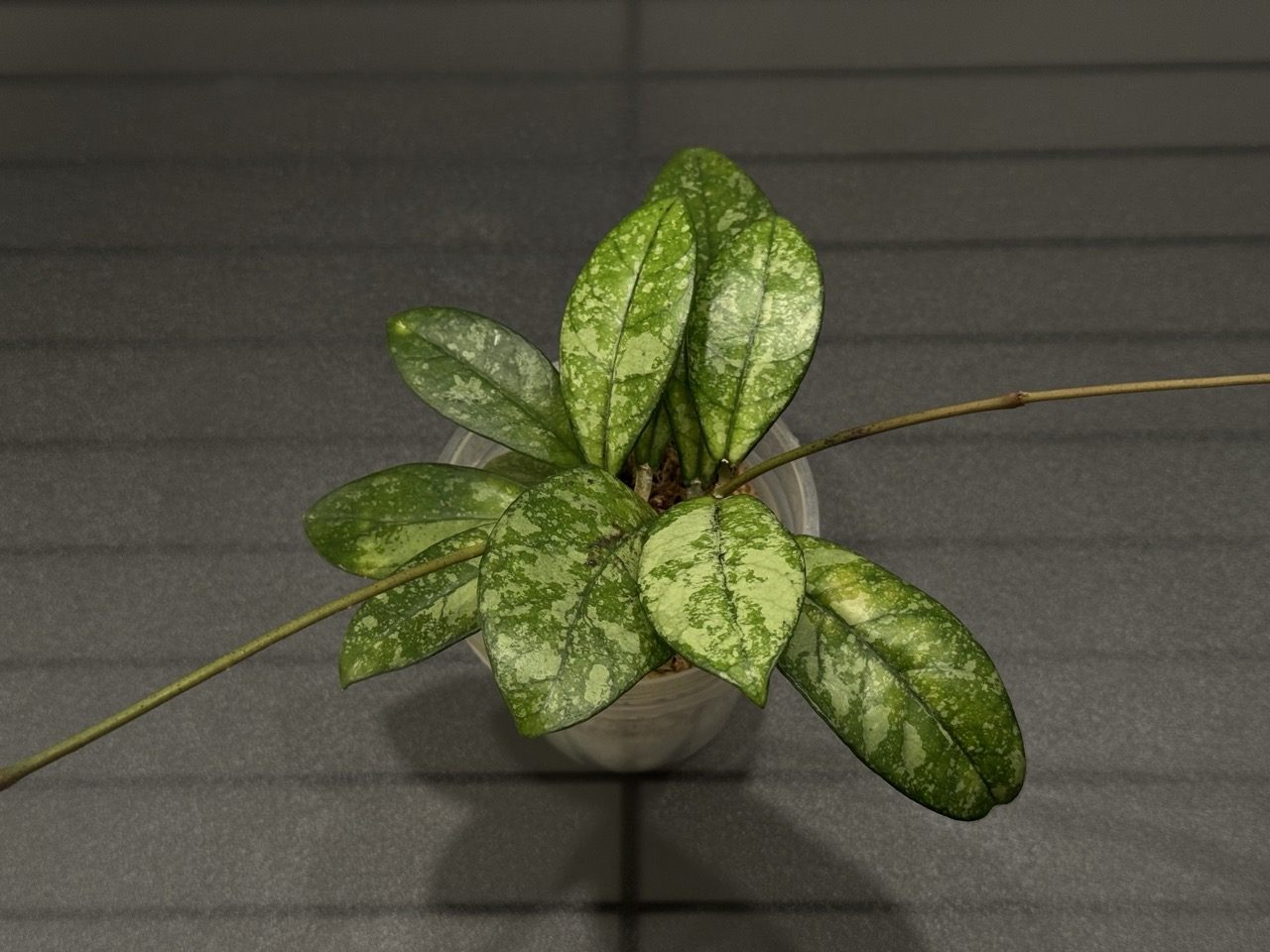
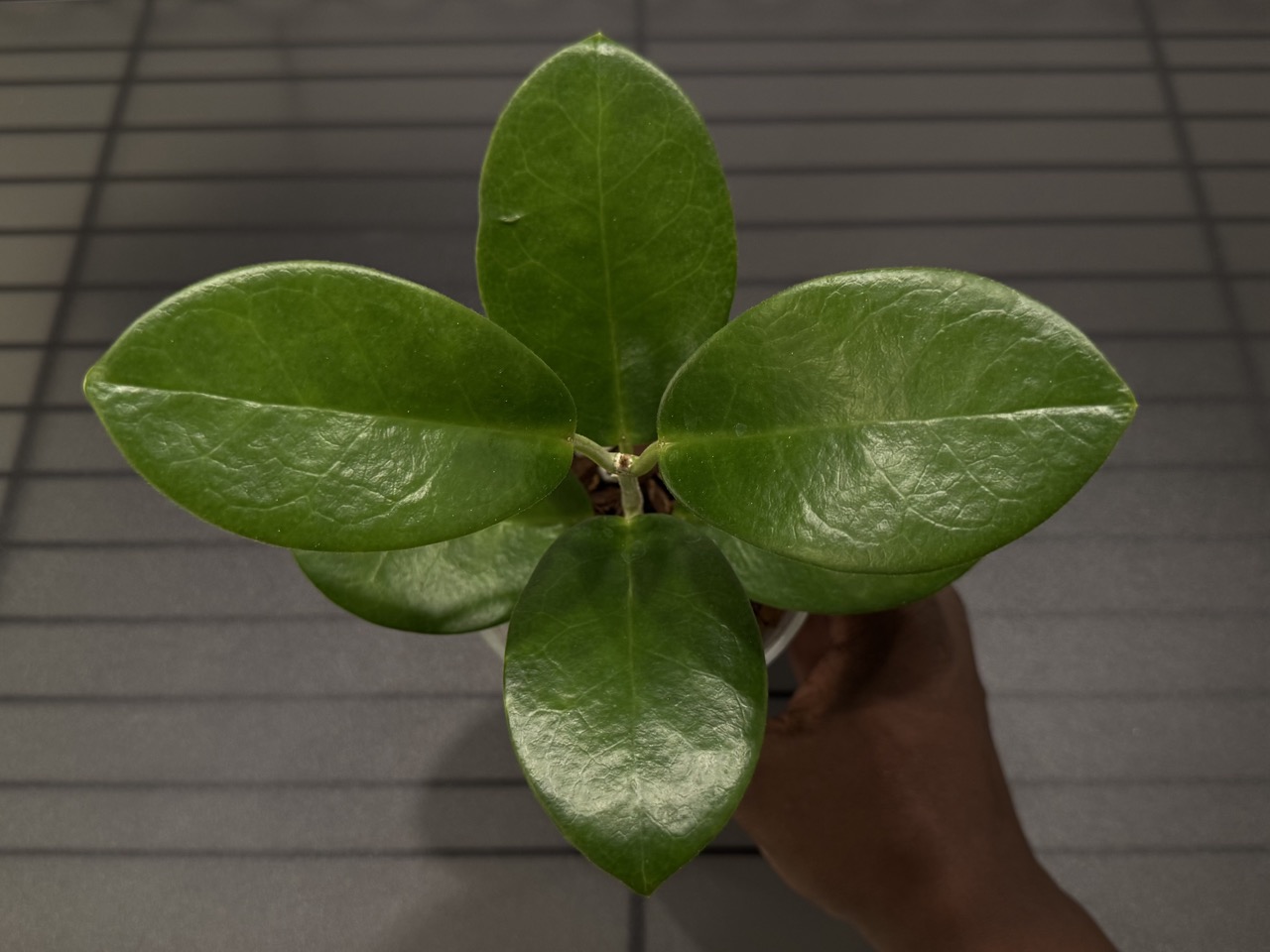
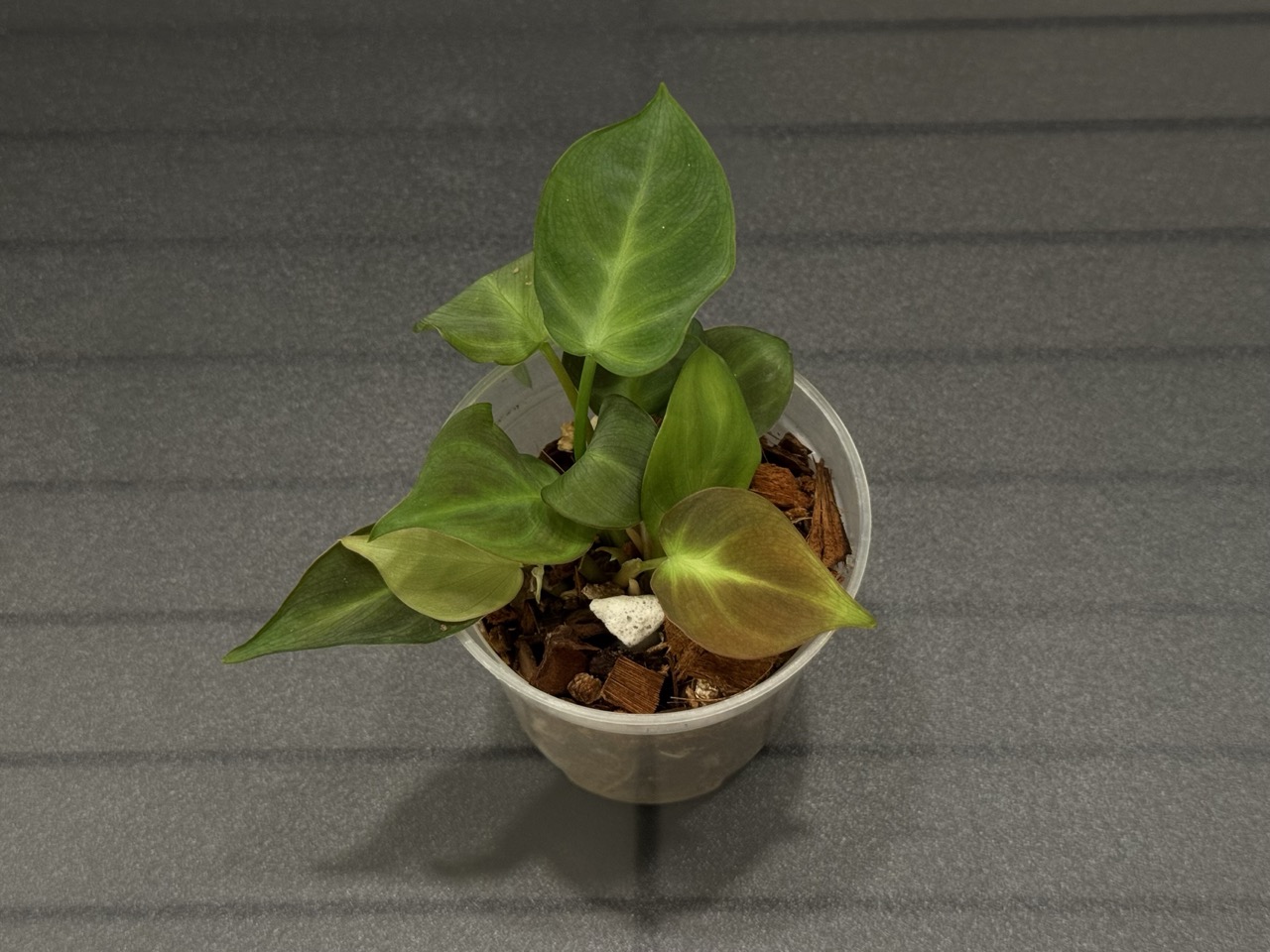
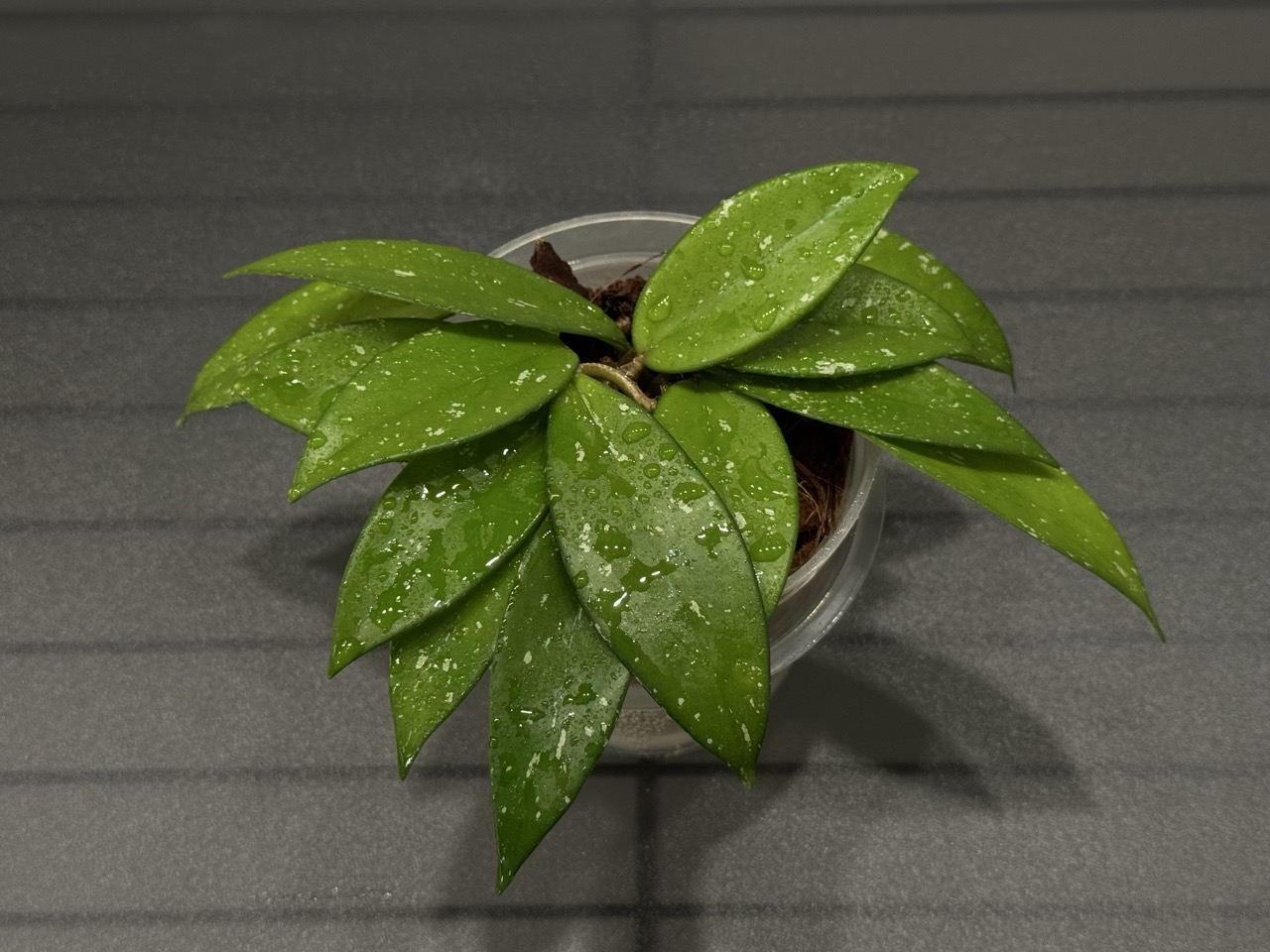
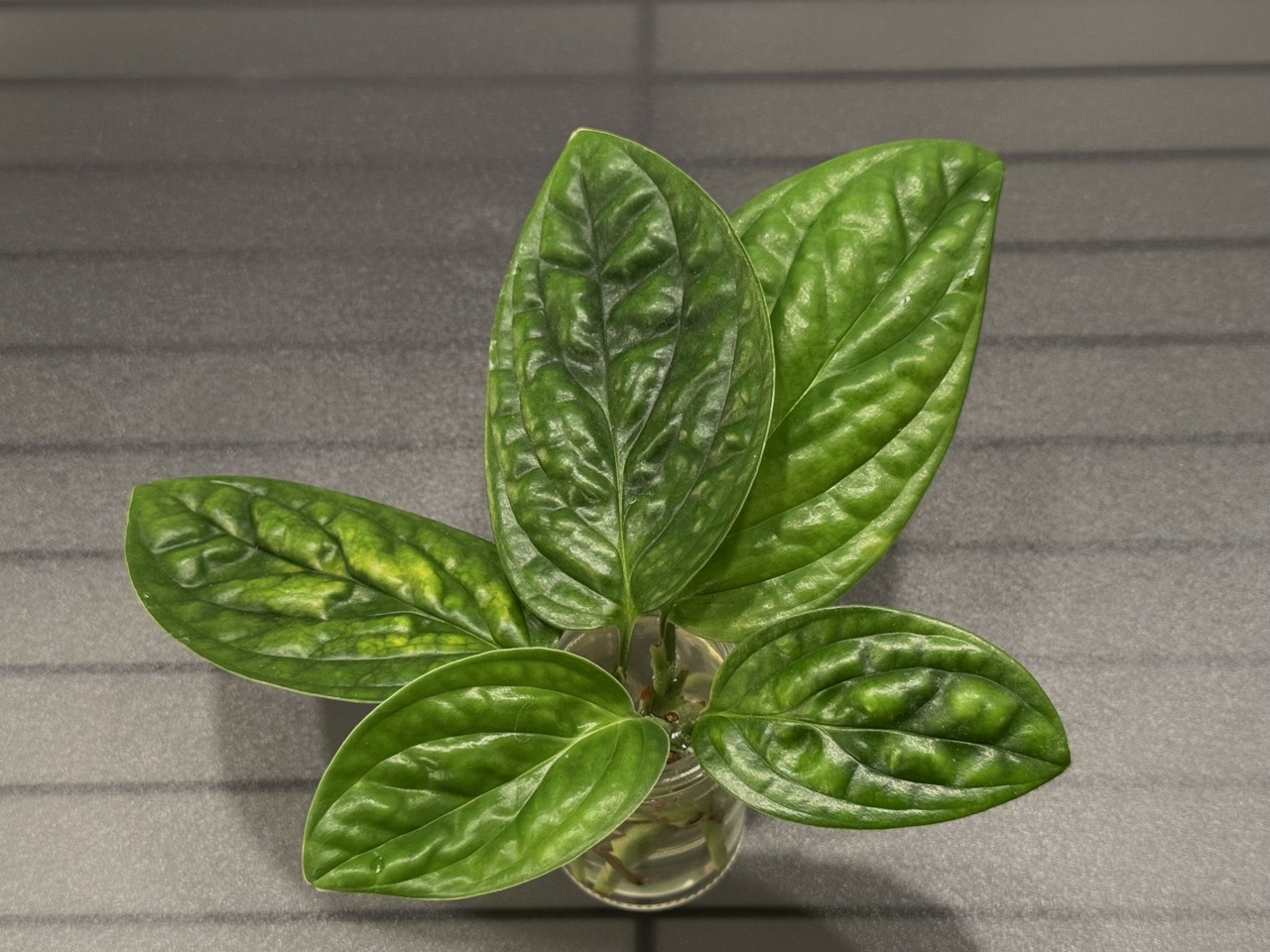
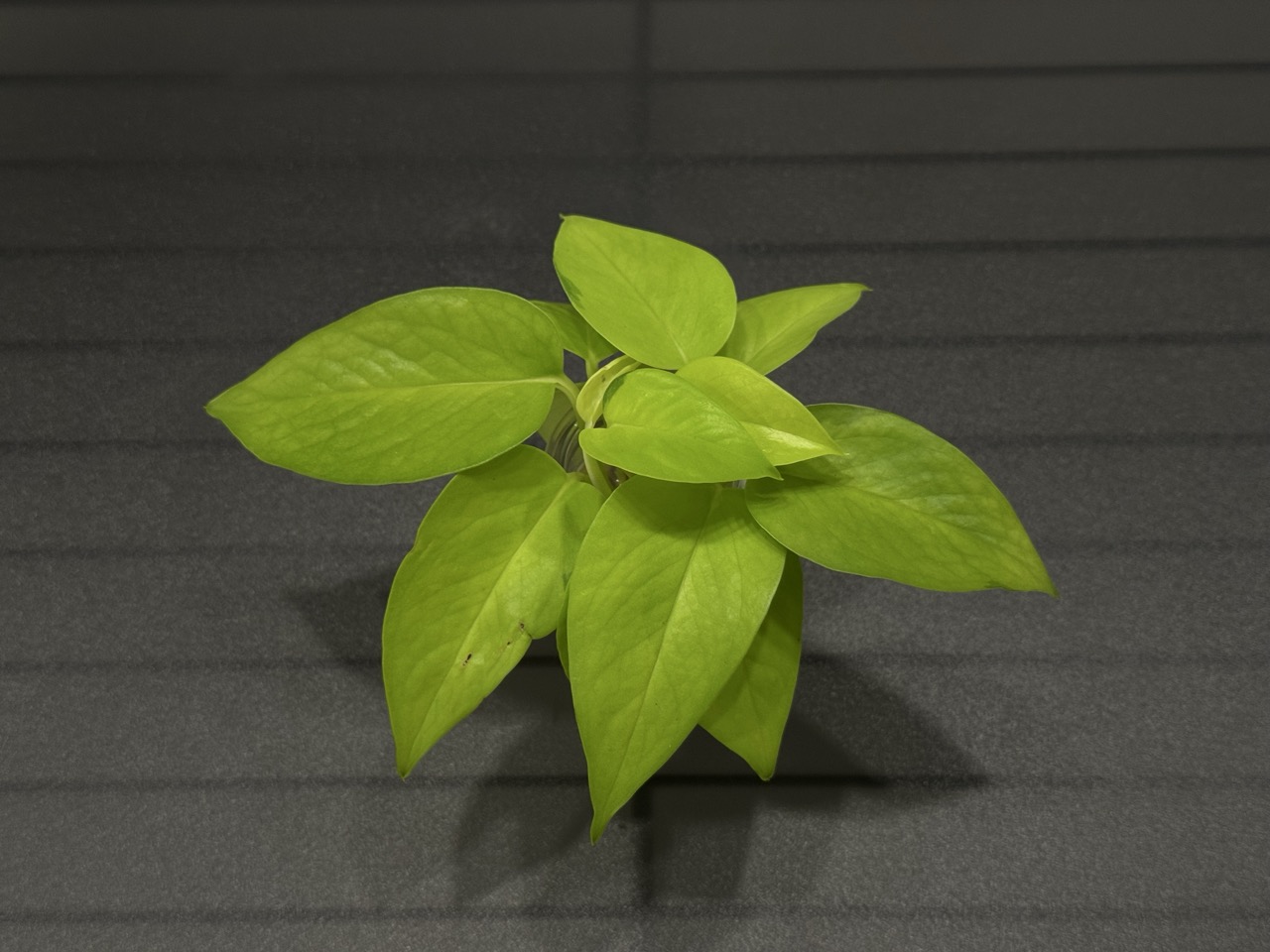
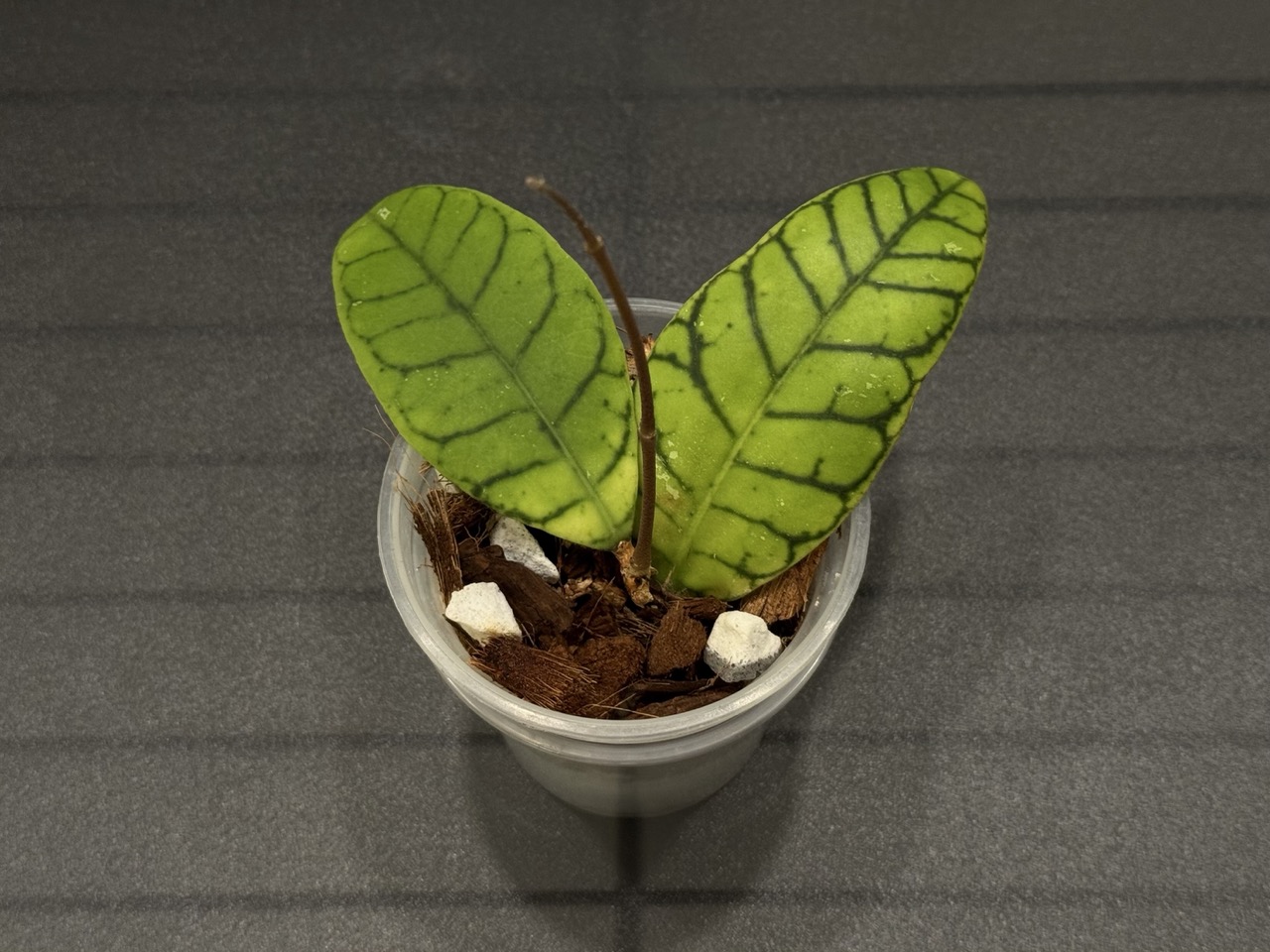
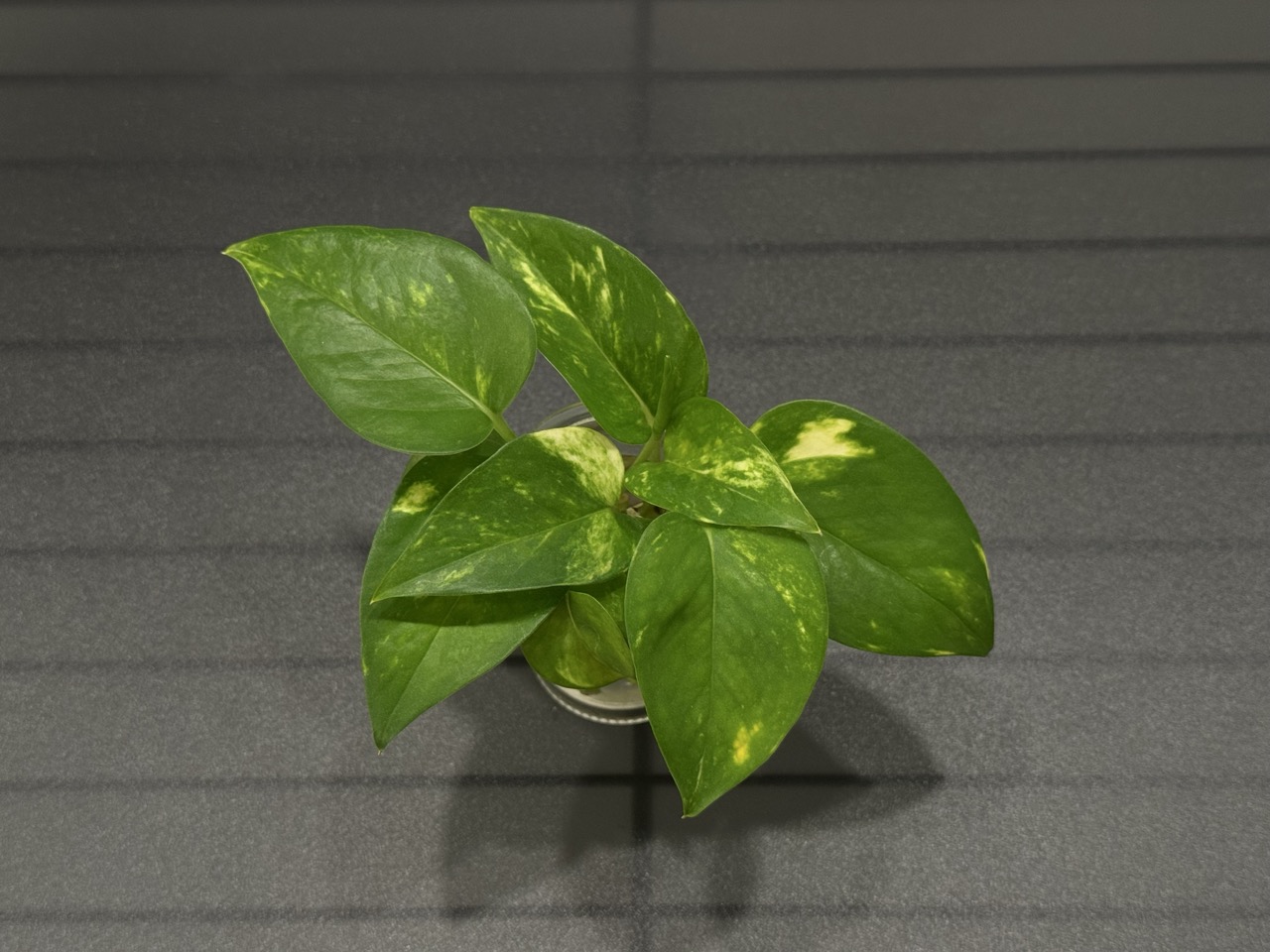
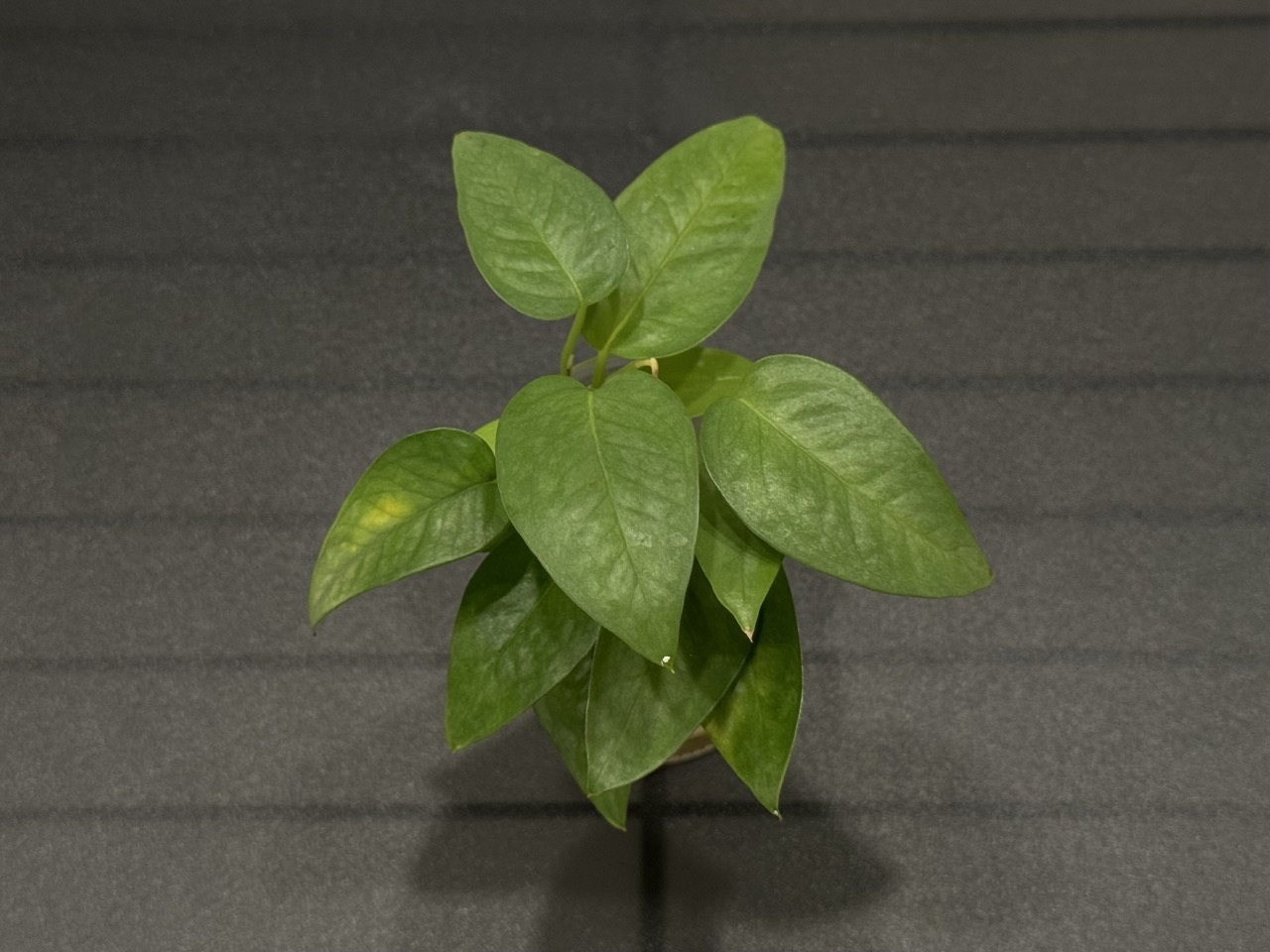
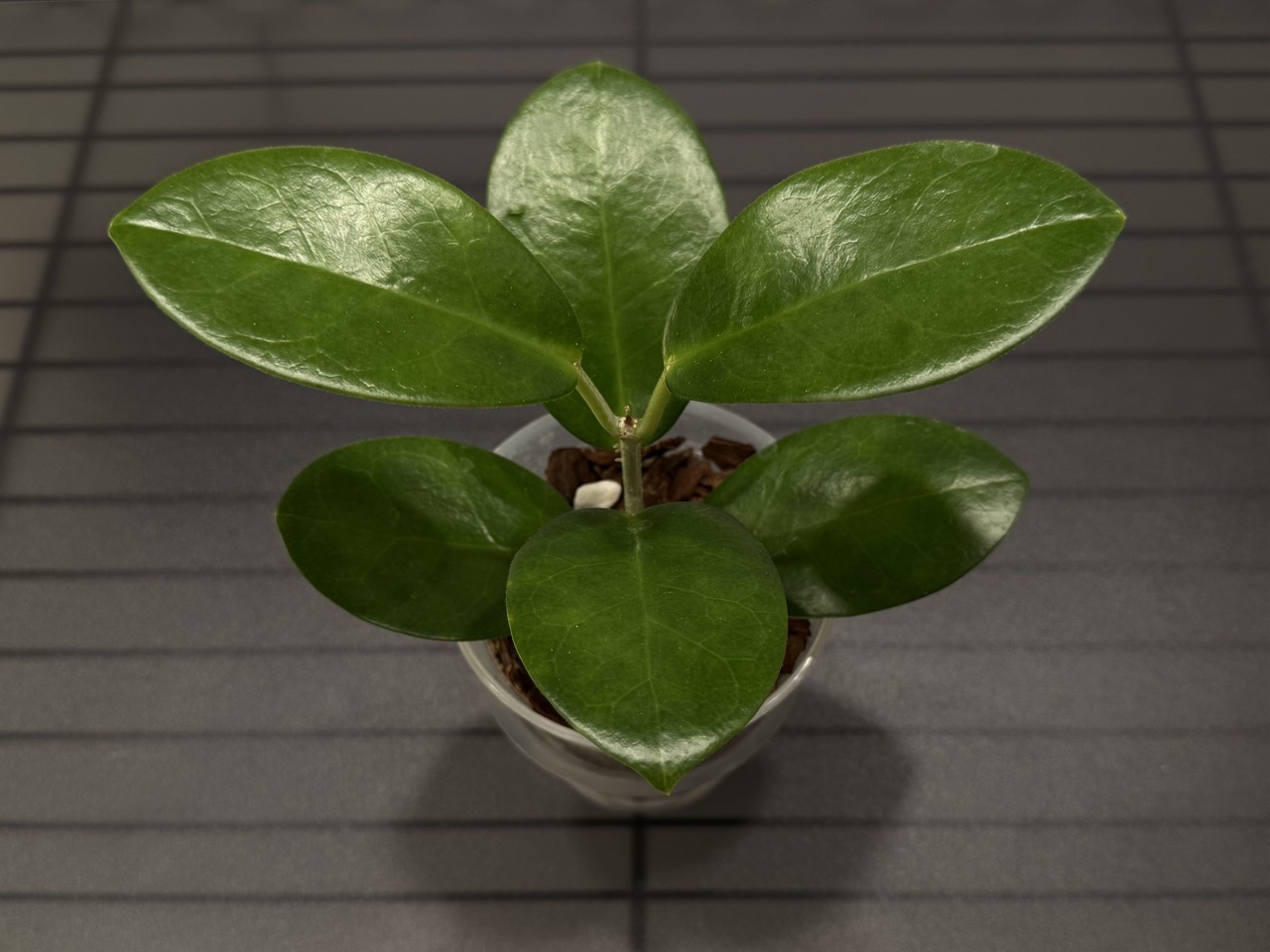
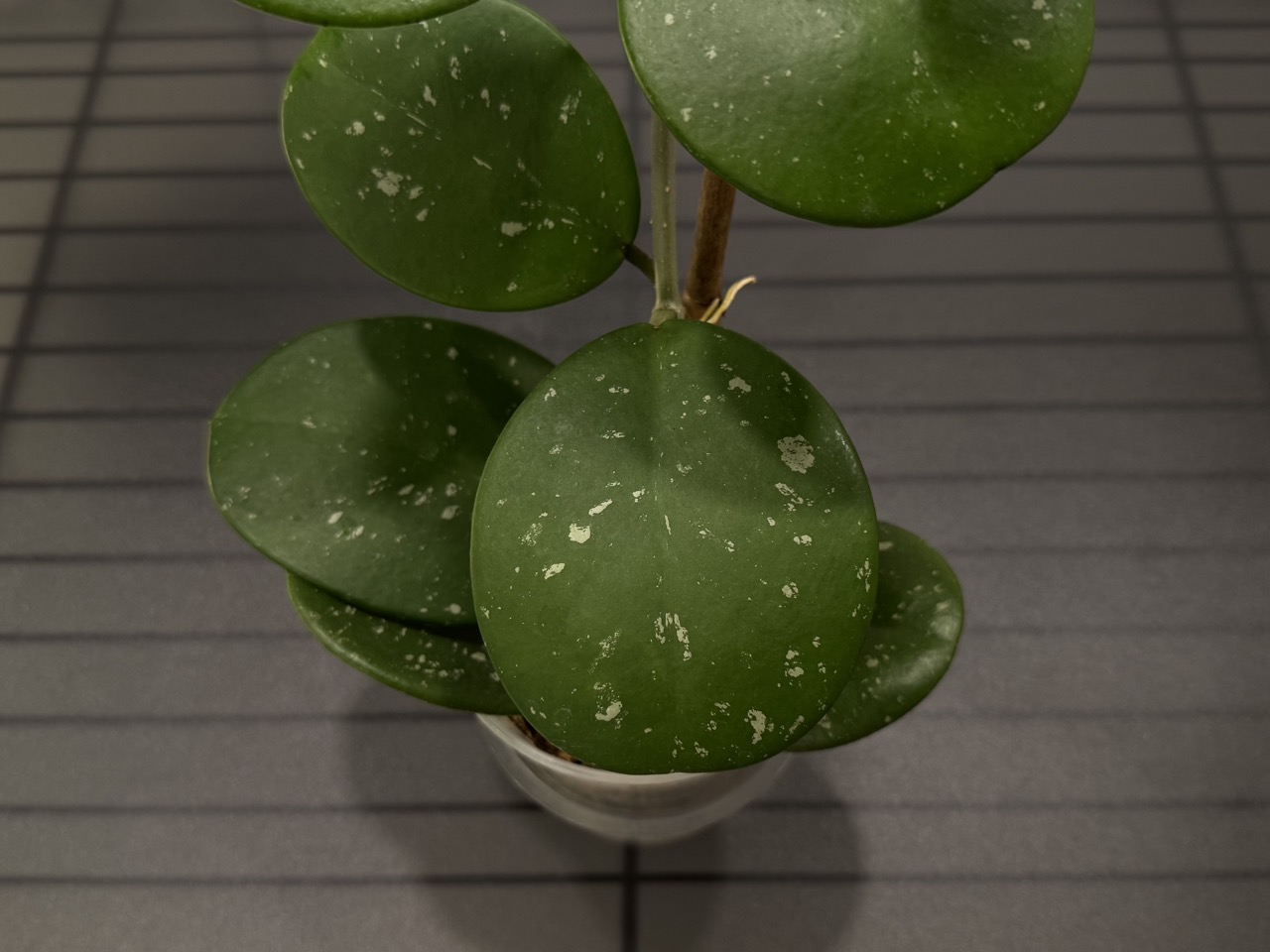
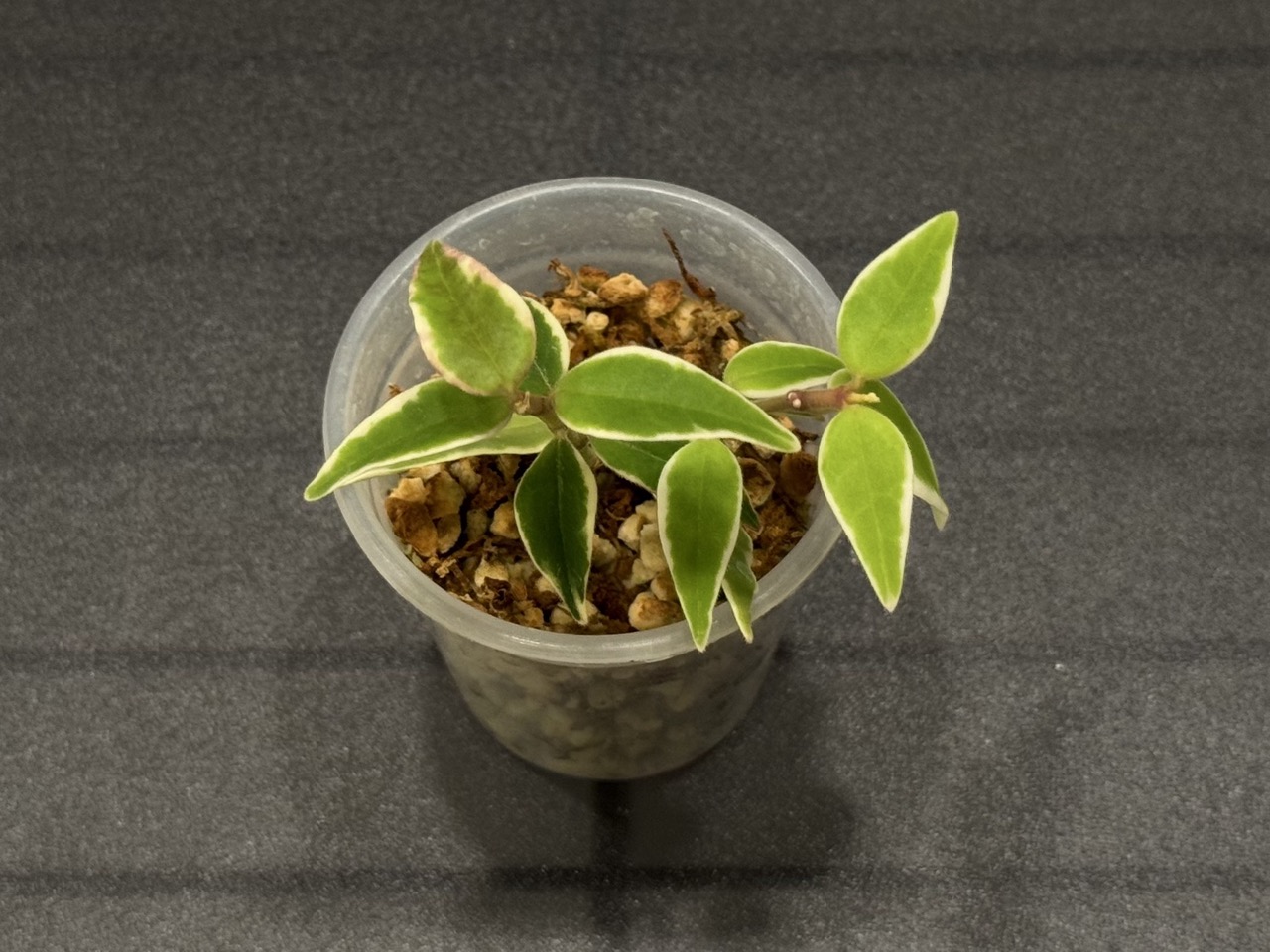
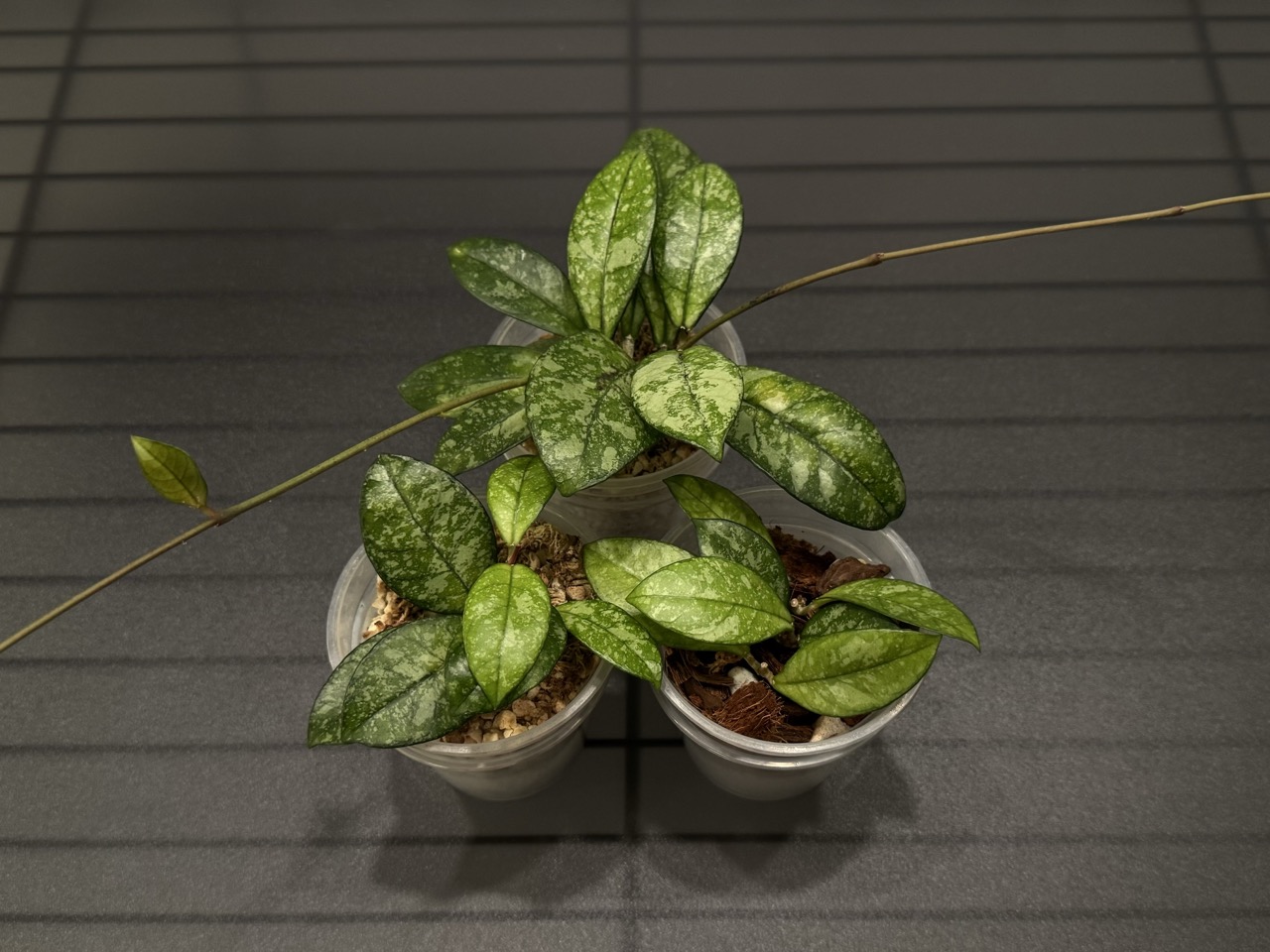
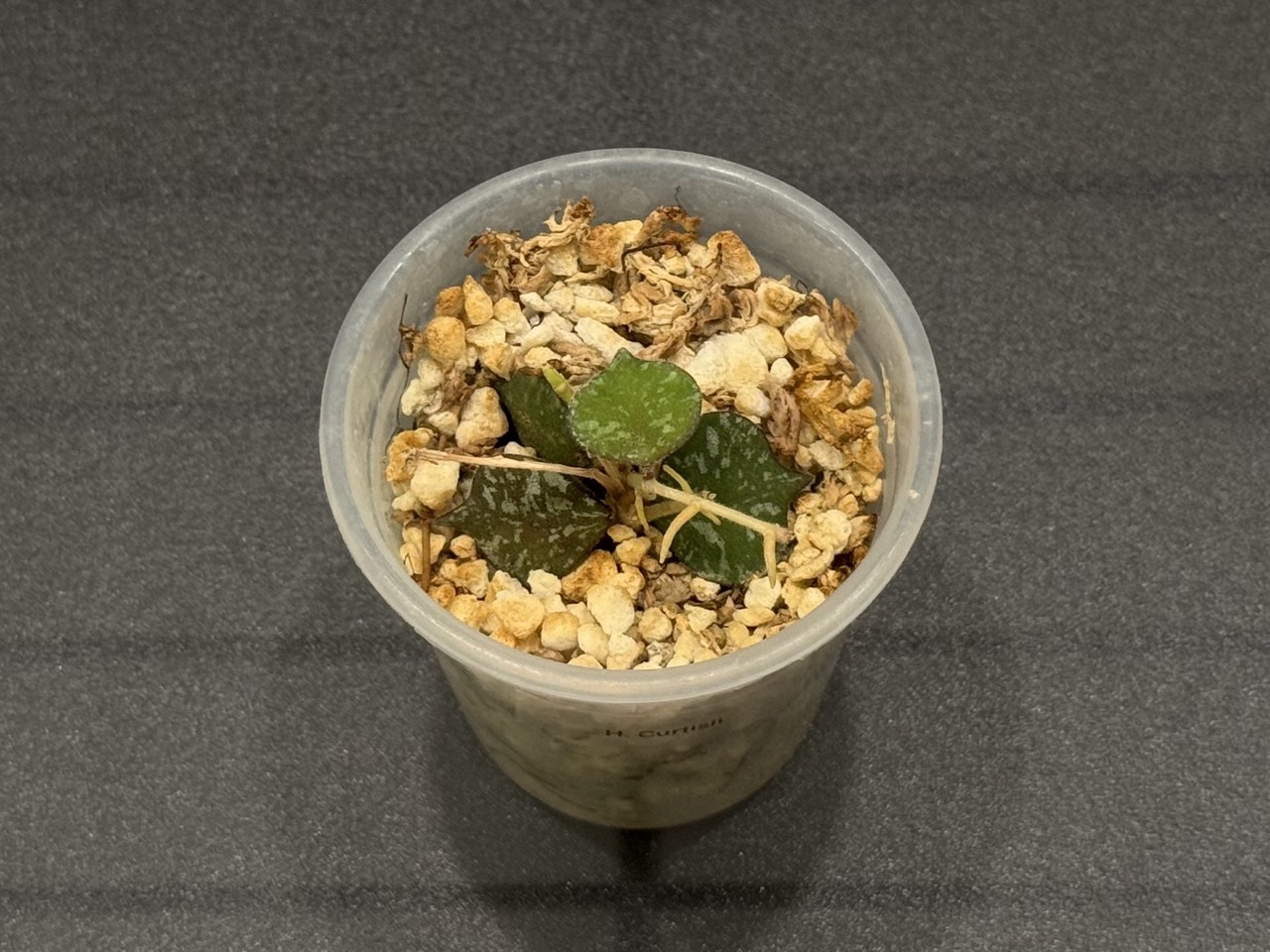
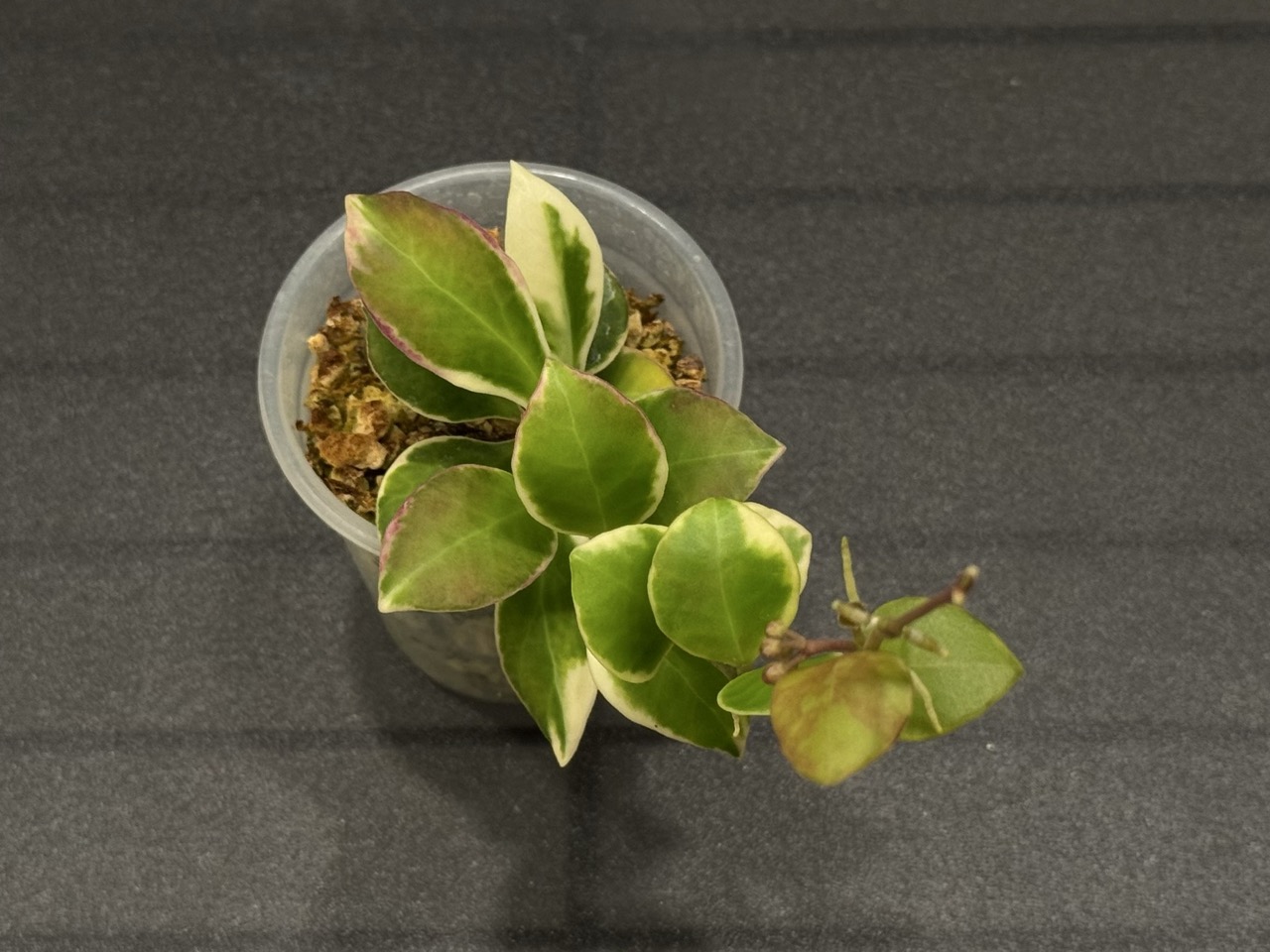
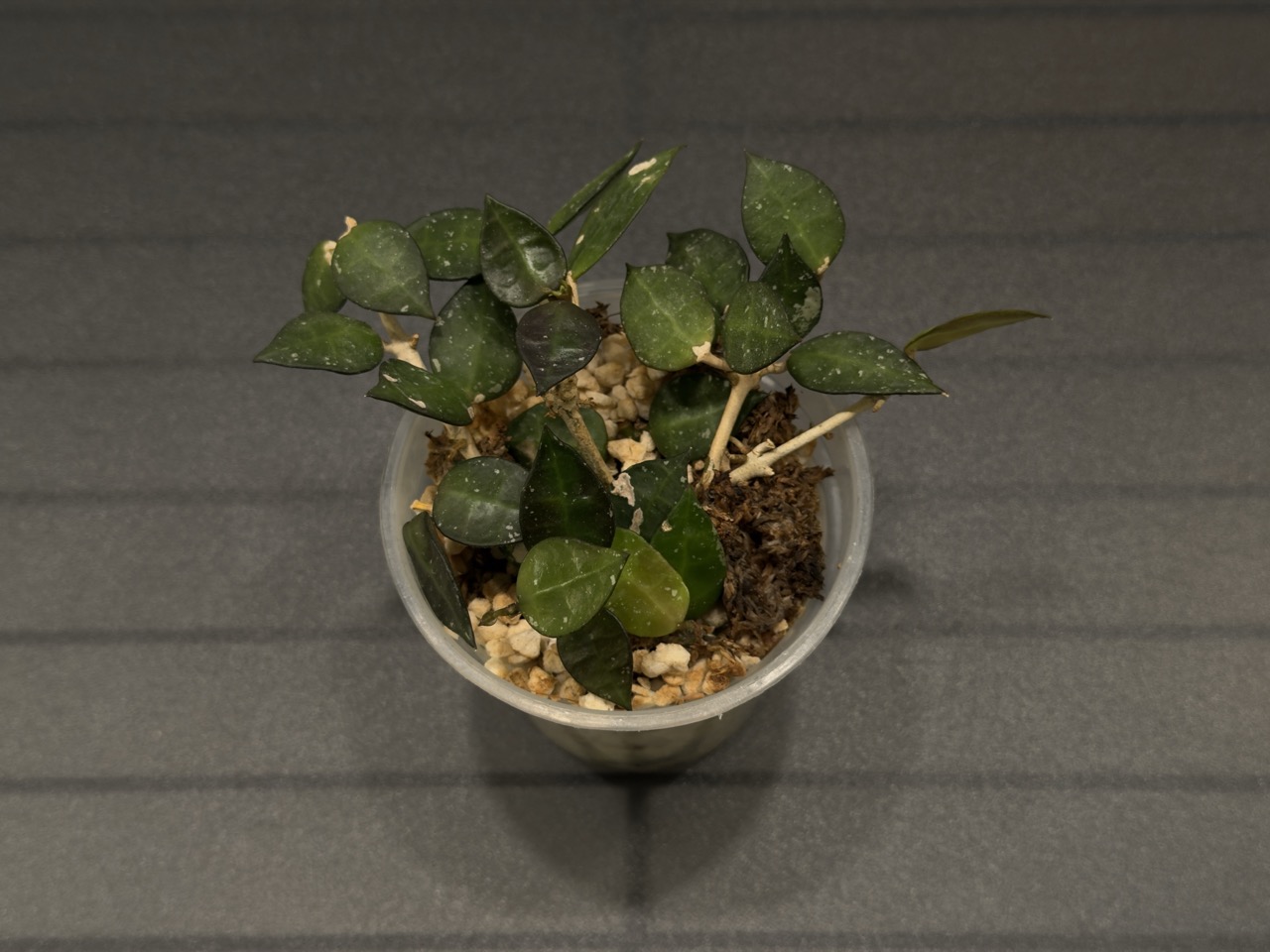
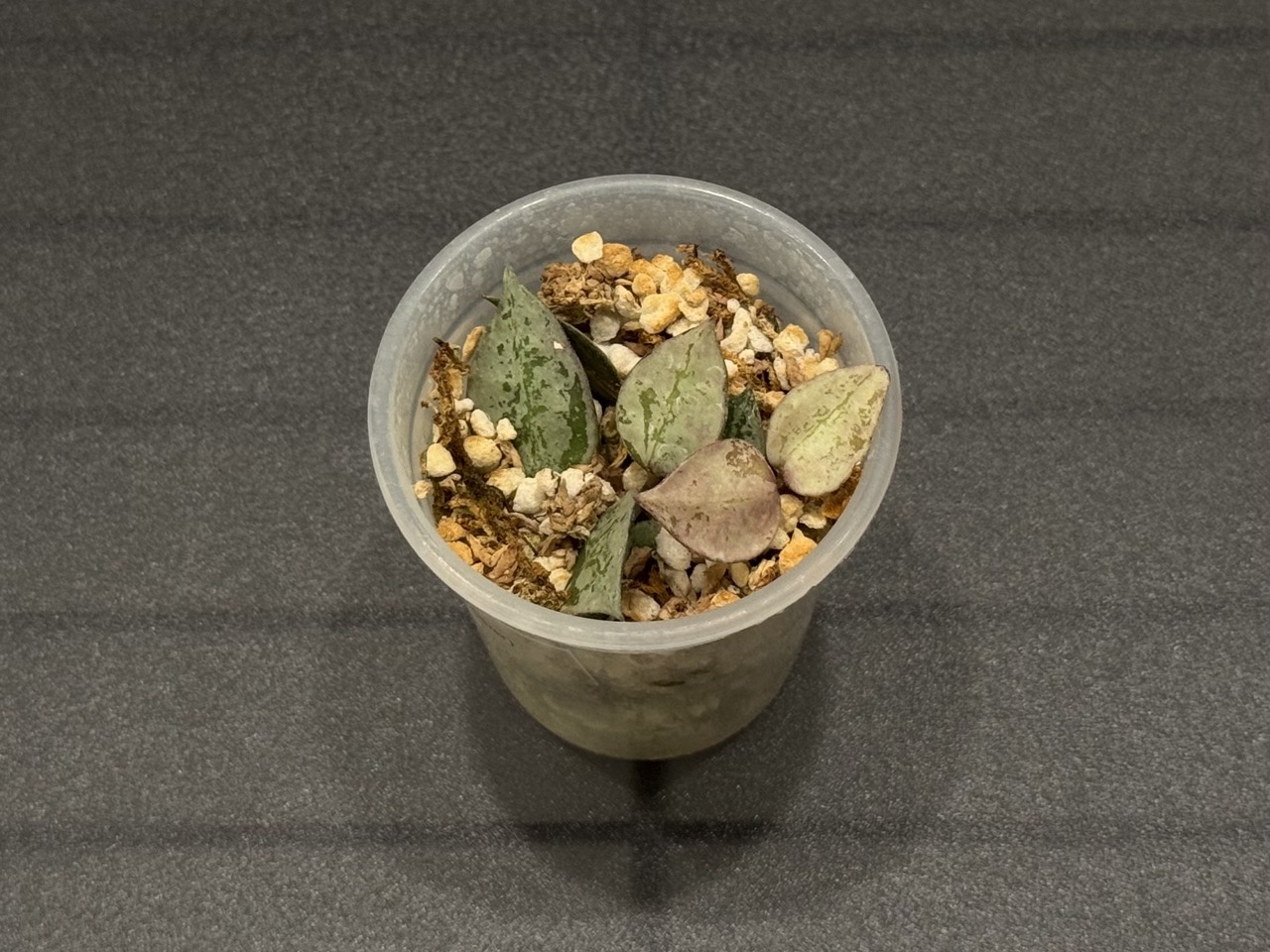
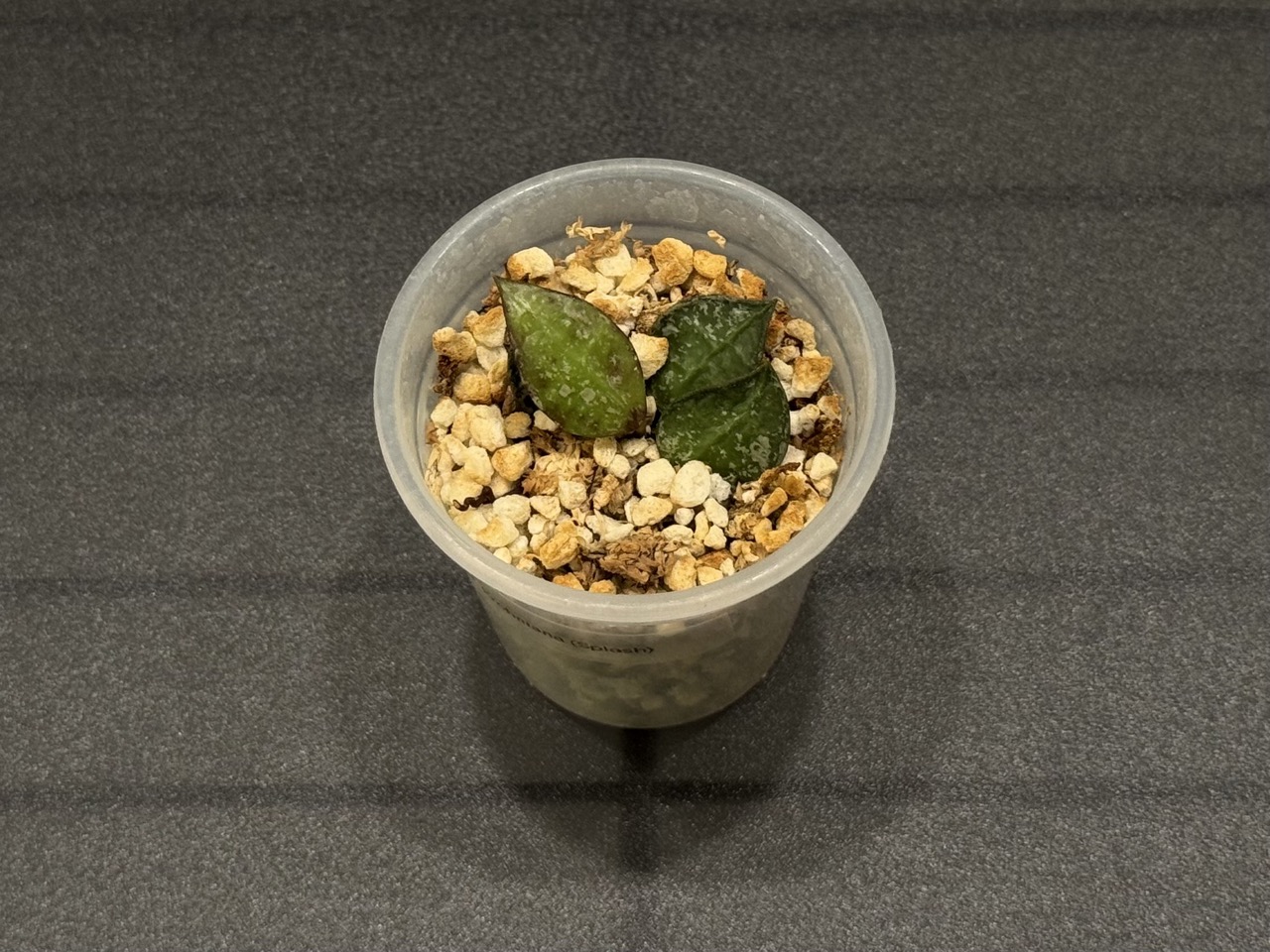
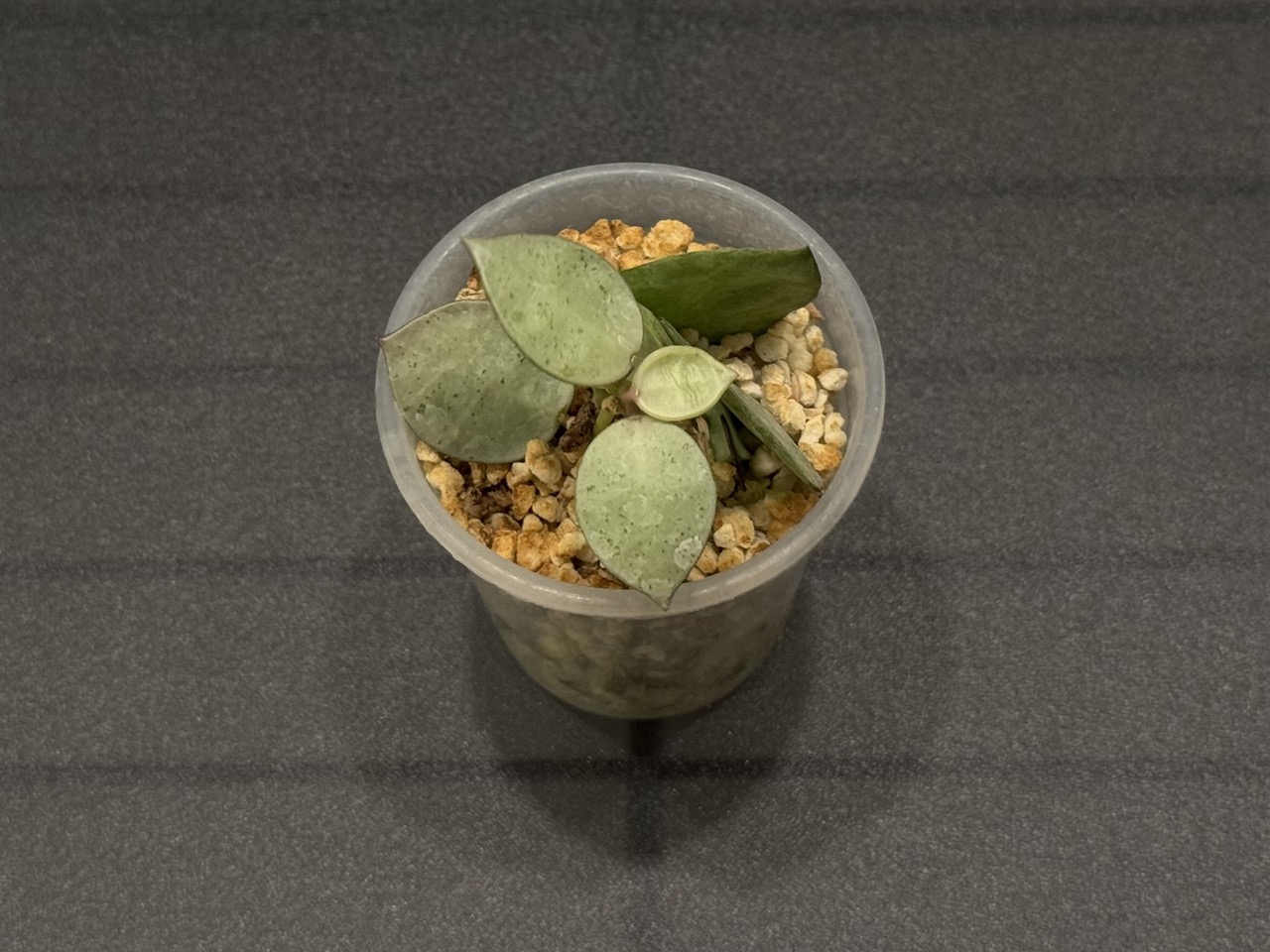
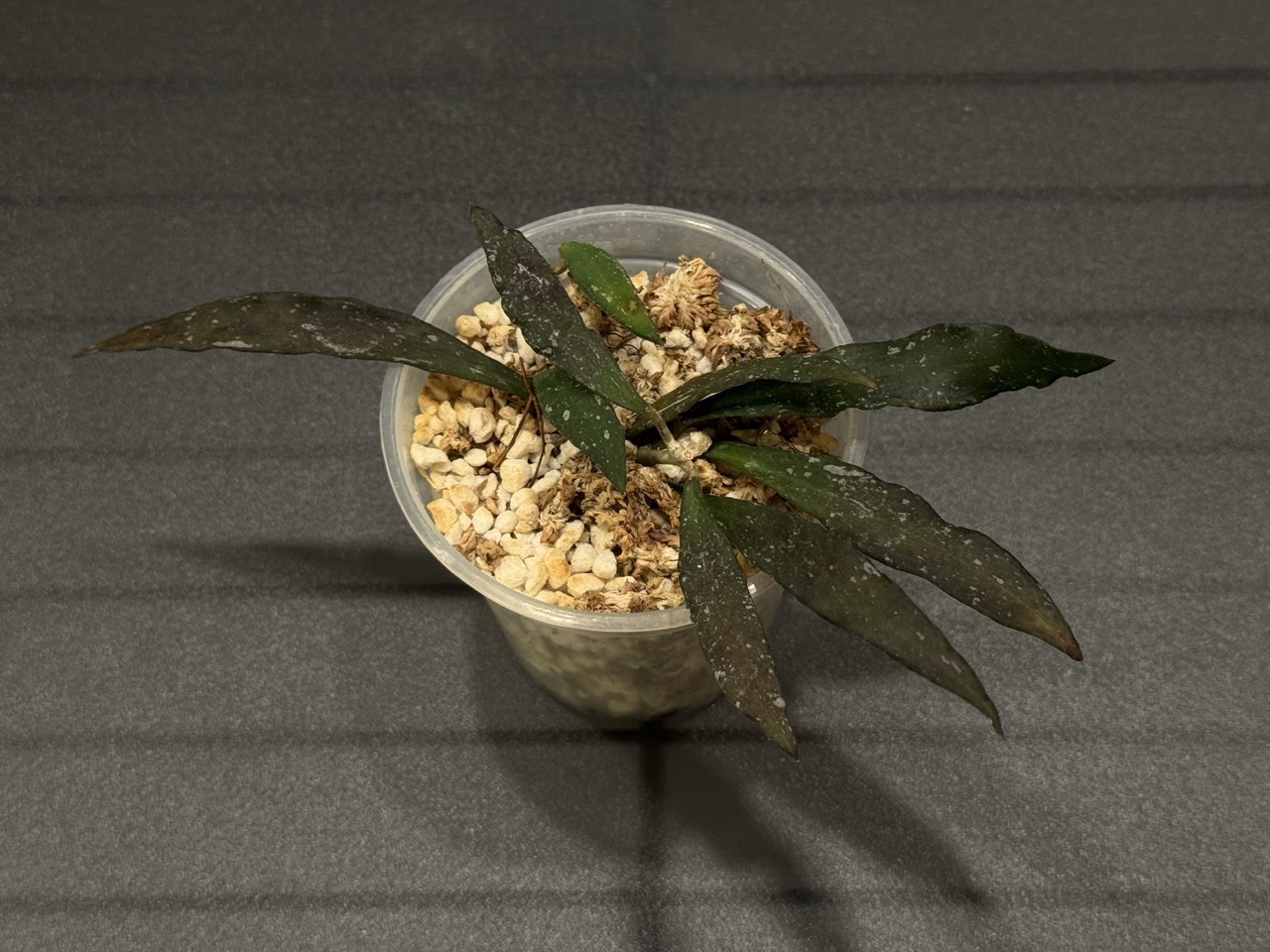
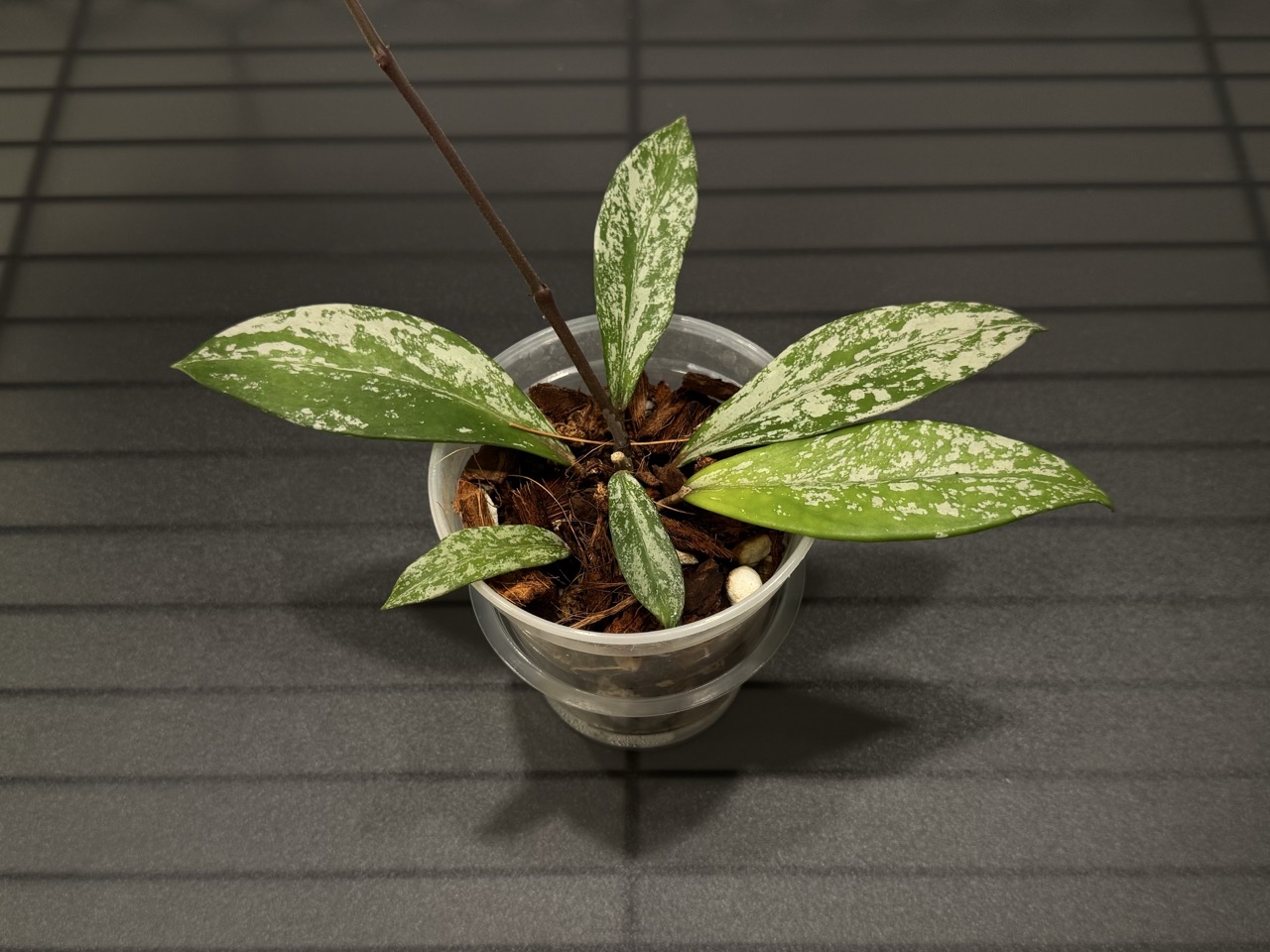
Hoya macrophylla (Albo) is distinguished by its broad leaves and irregular white variegation that varies from sectoral patches to marbled patterns. The effect is dynamic rather than positional, emphasizing foliage scale and structure.
Growth is steady under stable conditions, with variegation benefiting from bright, indirect light. This cultivar performs well in glass systems that prioritize airflow and root health, allowing its substantial foliage to develop without excess moisture stress.
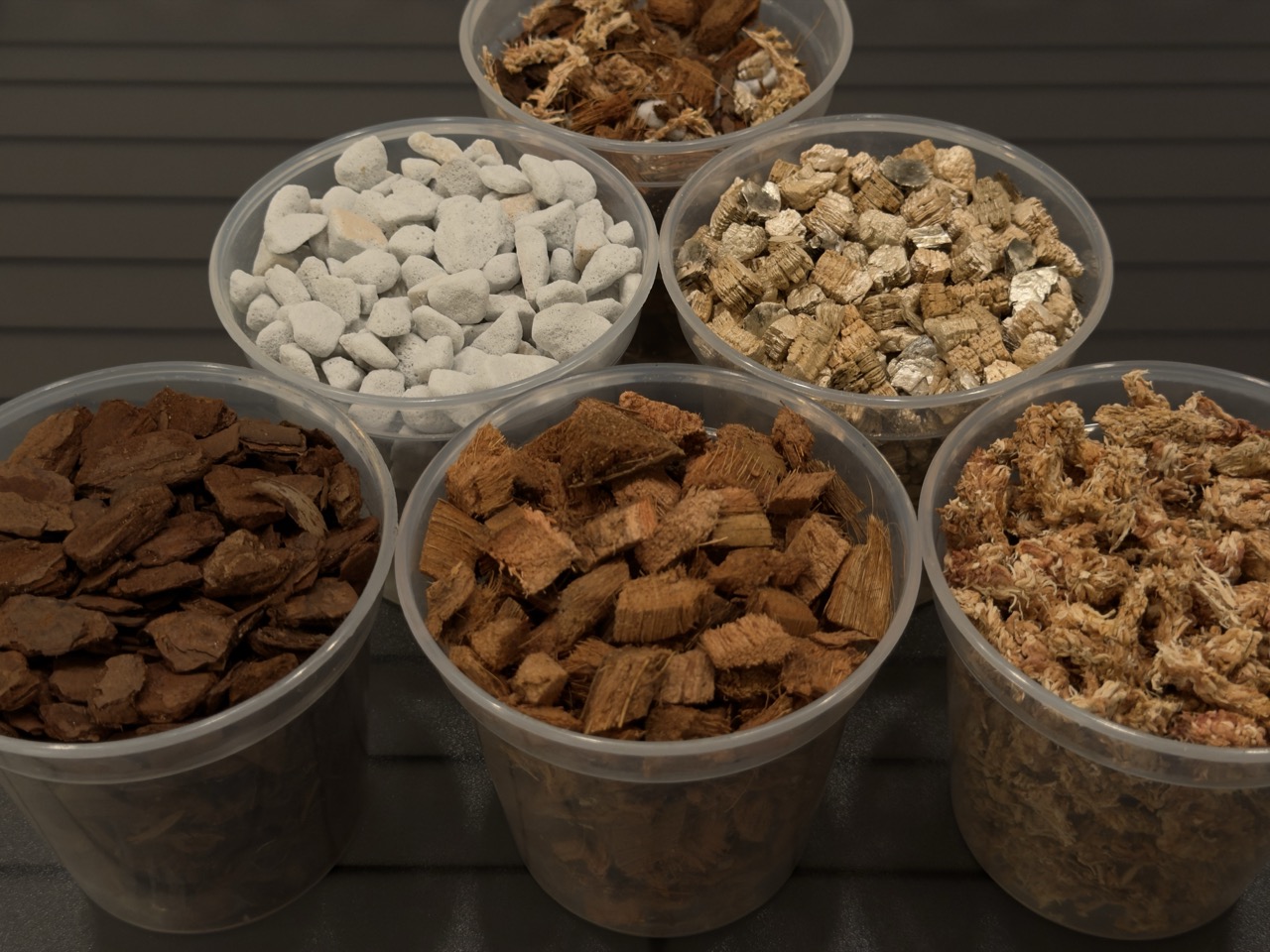
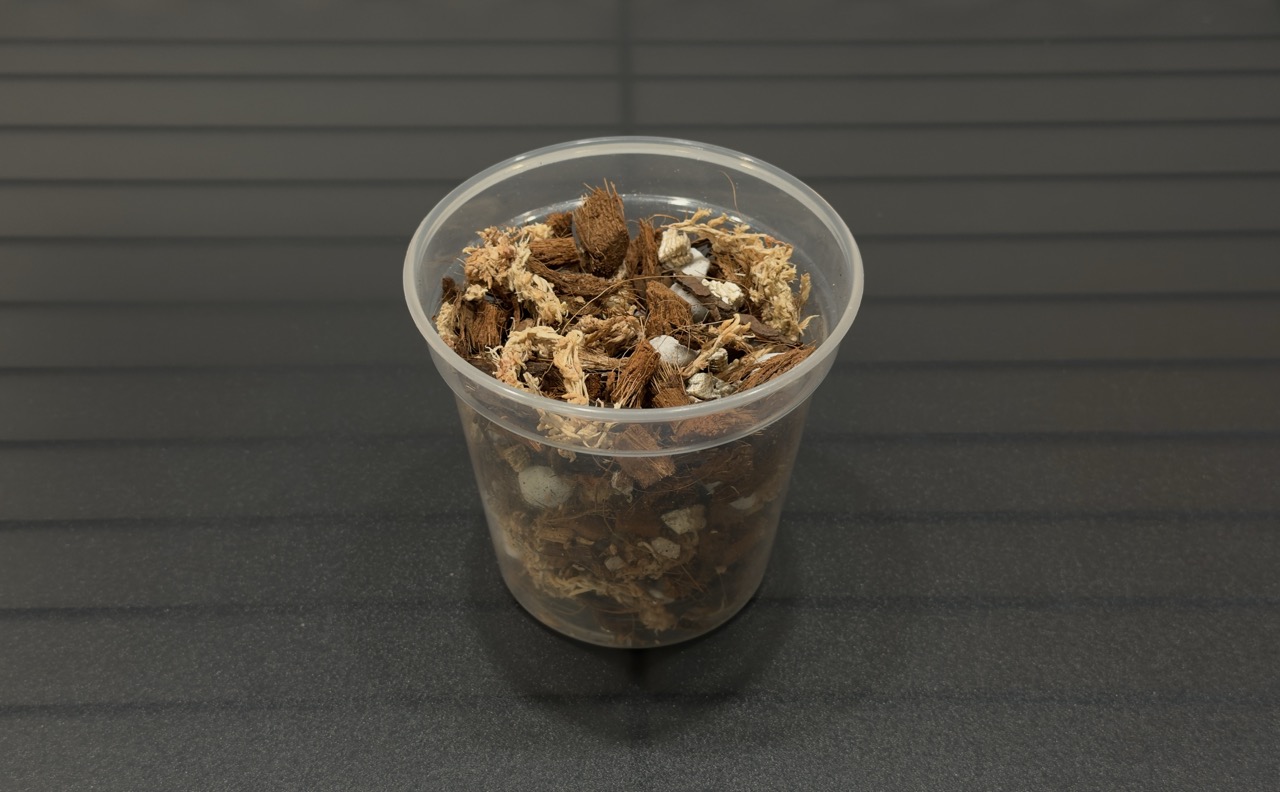
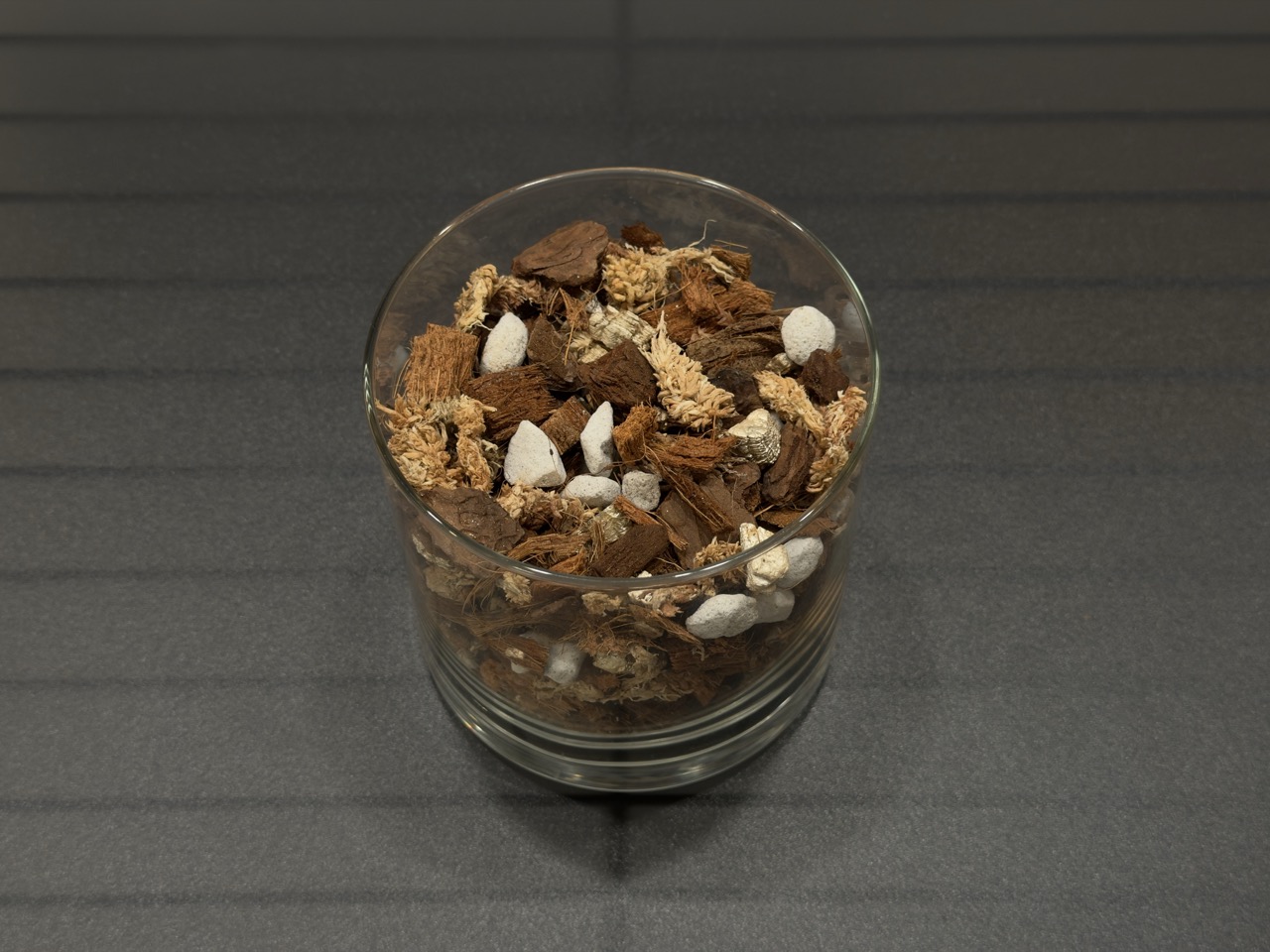
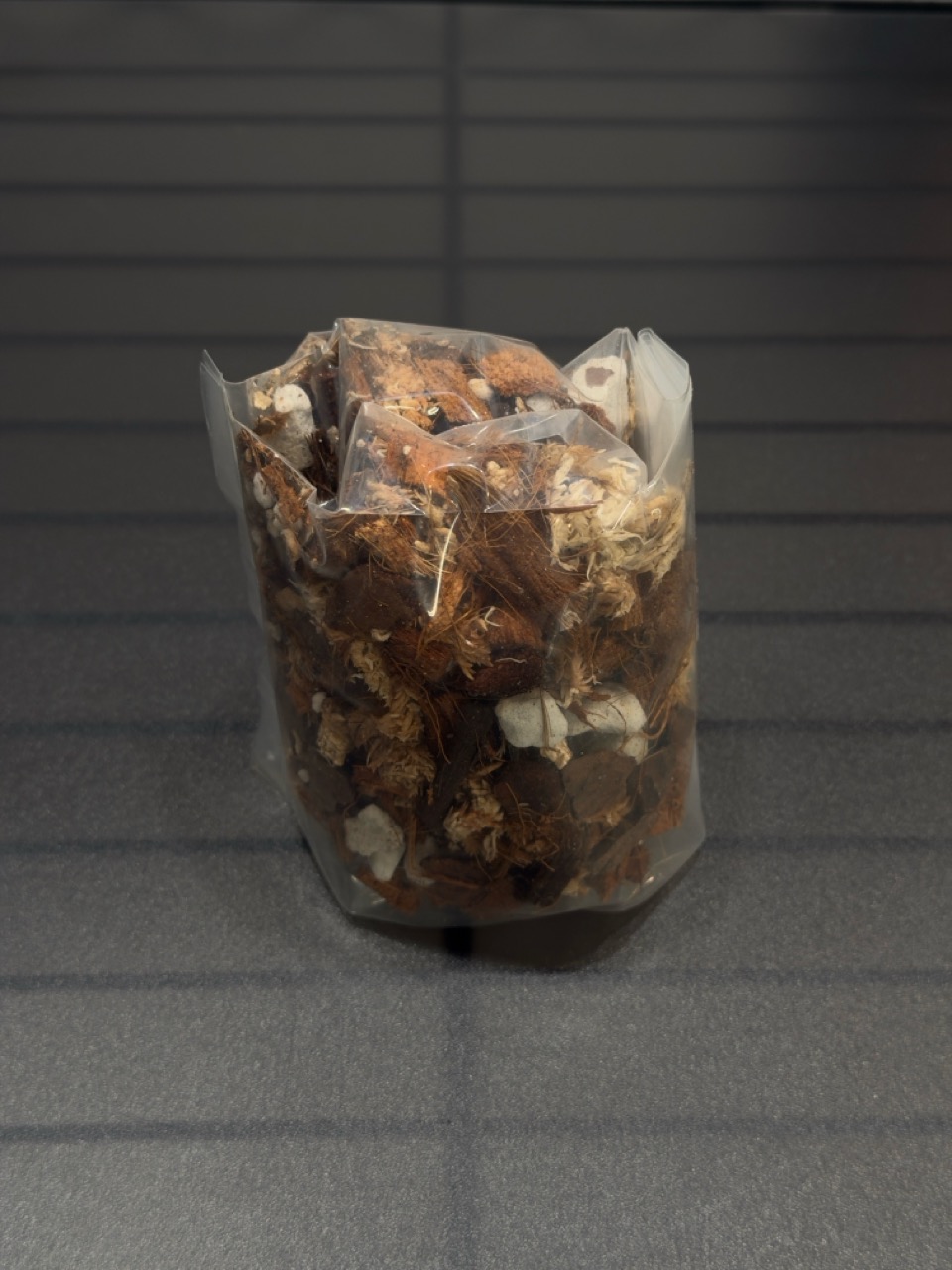
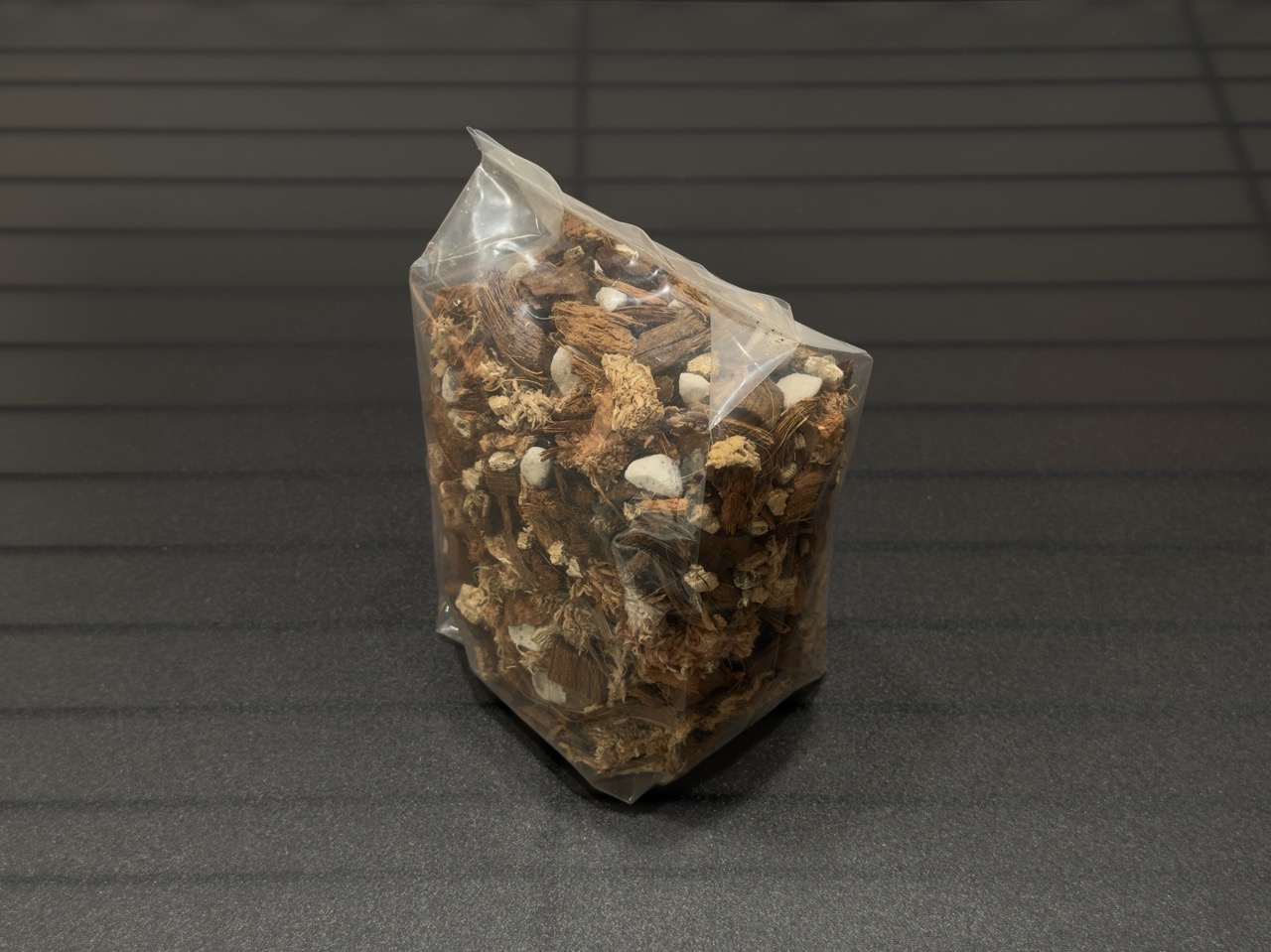
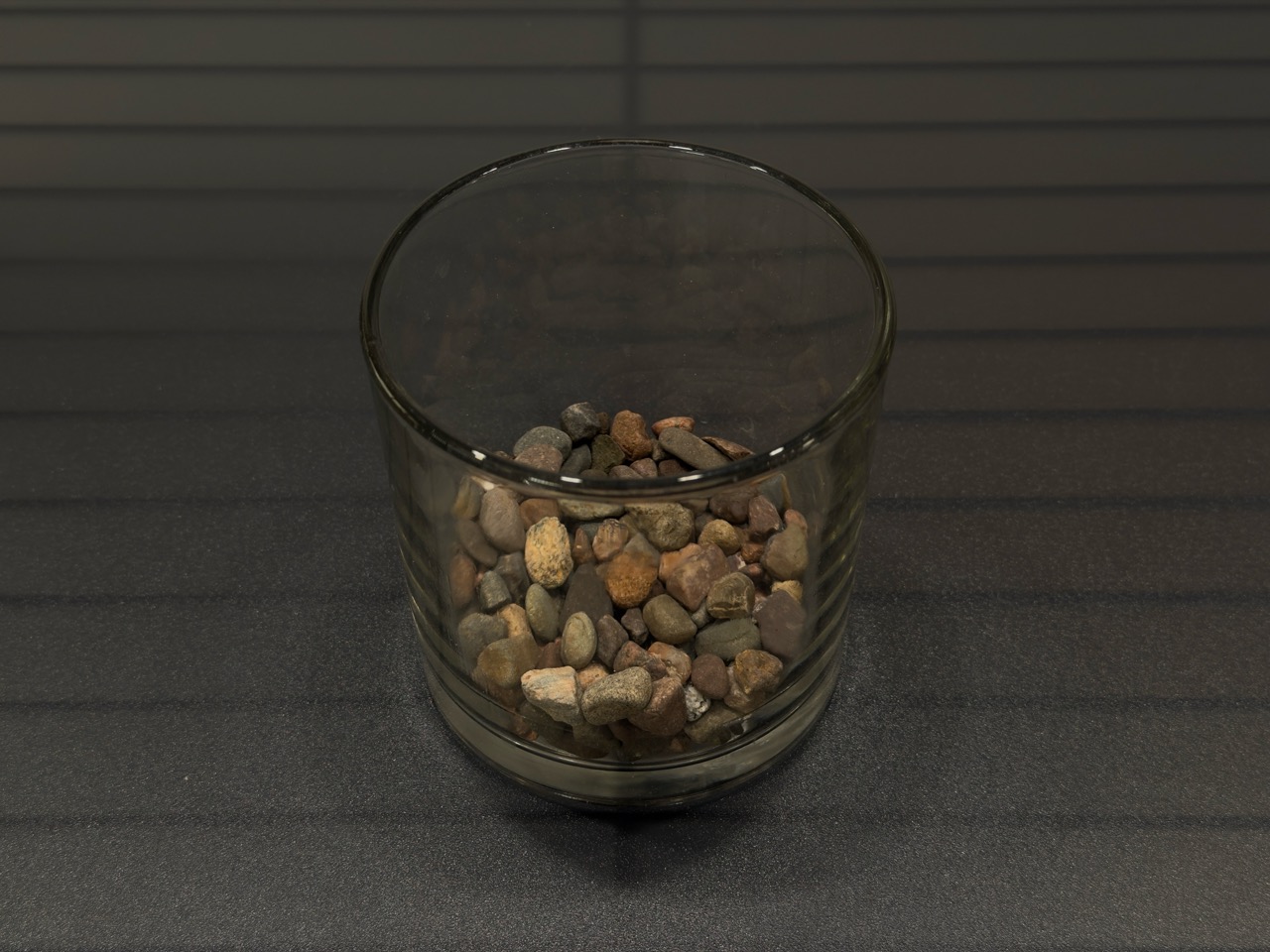
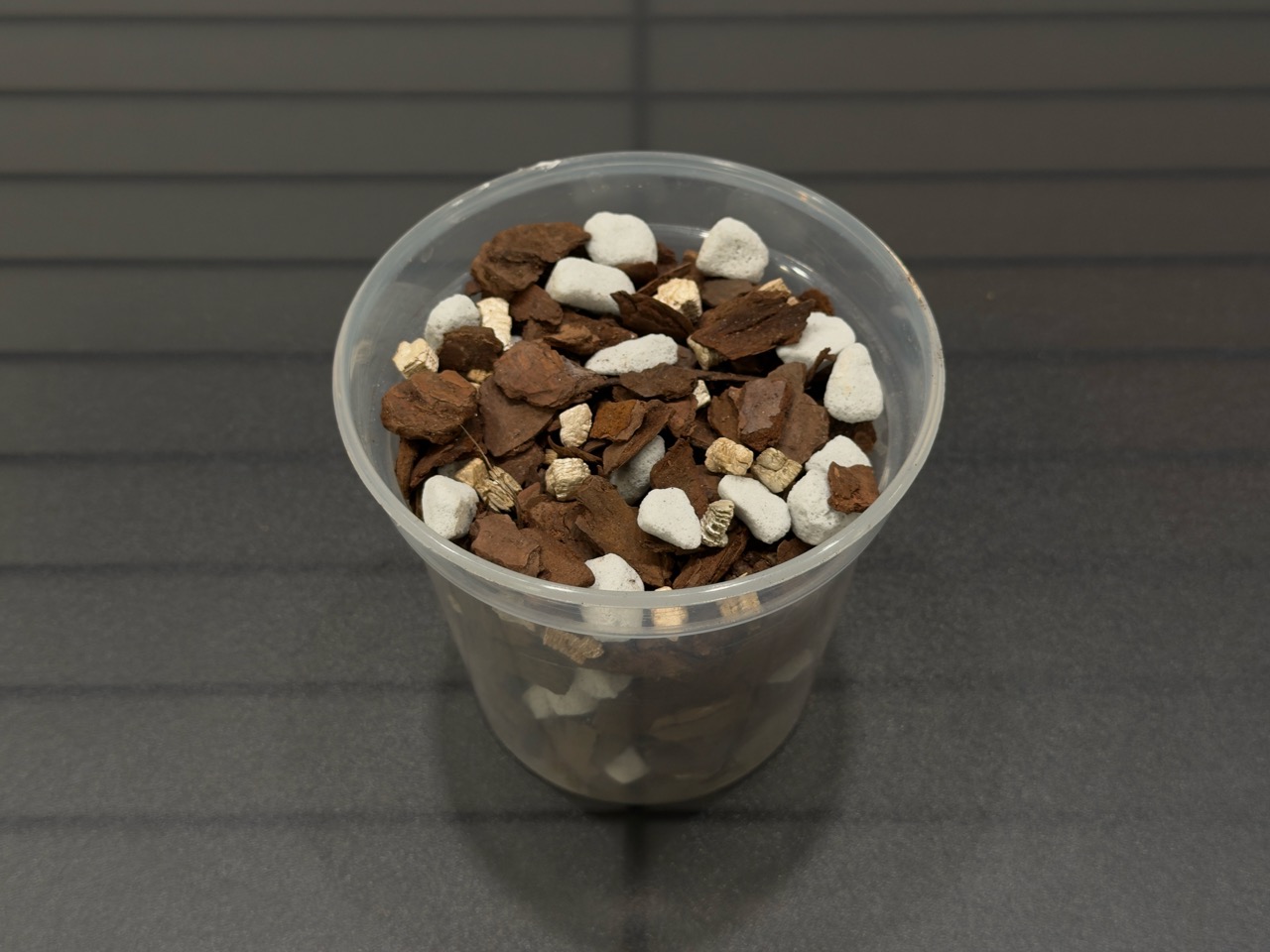
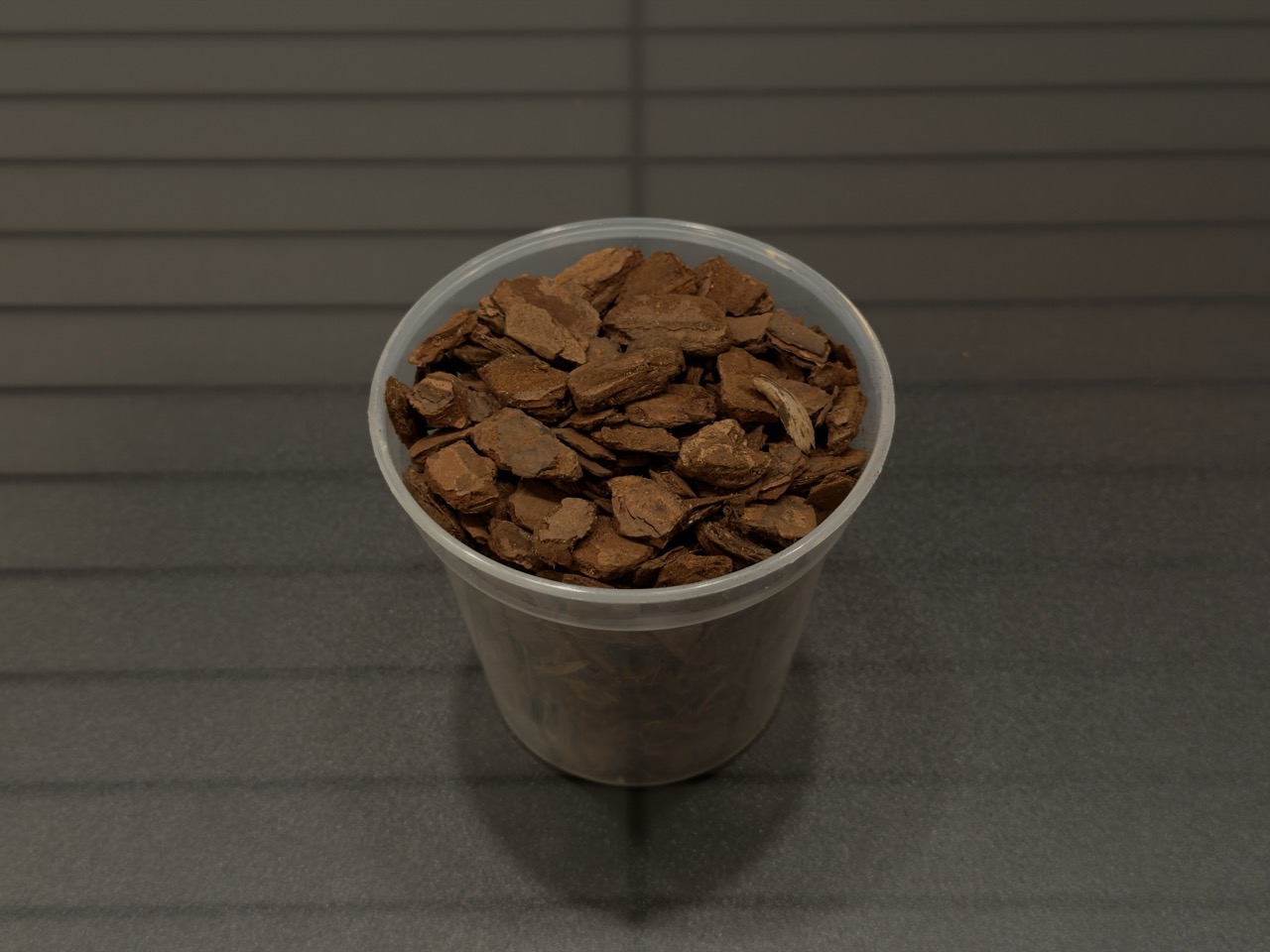
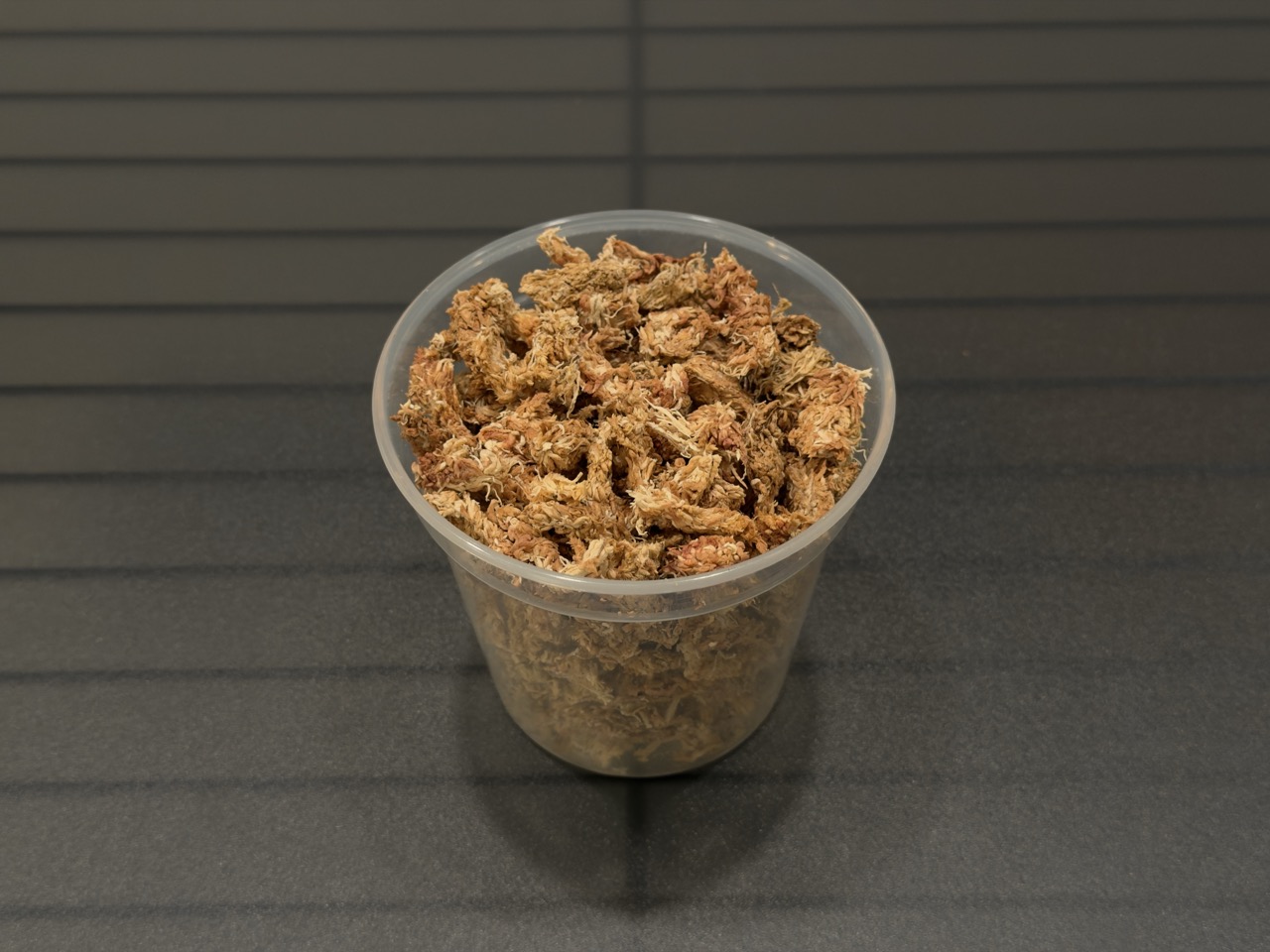
Use a chunky soil mix such as any orchid or epiphyte branded potting soil mix.
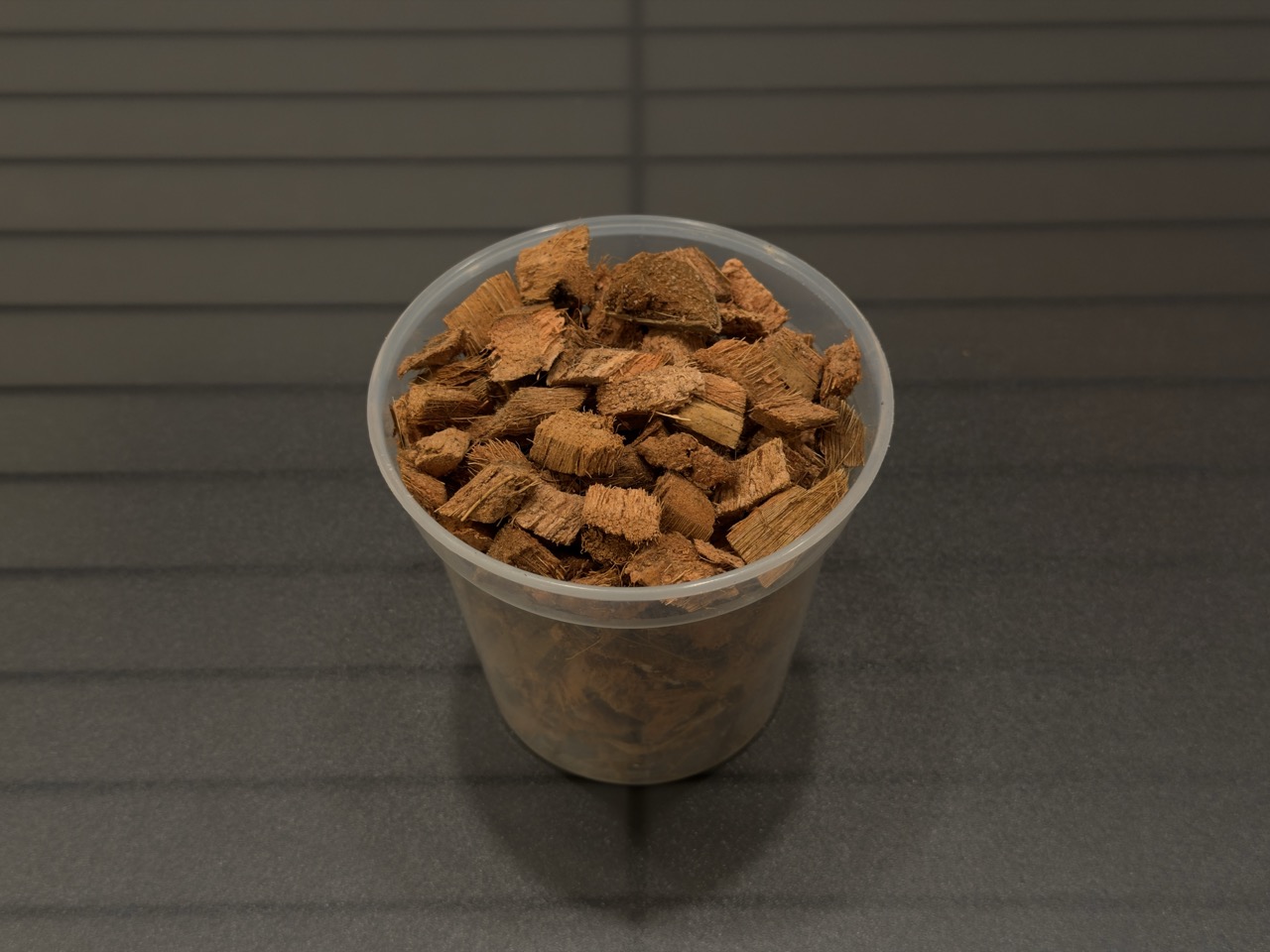
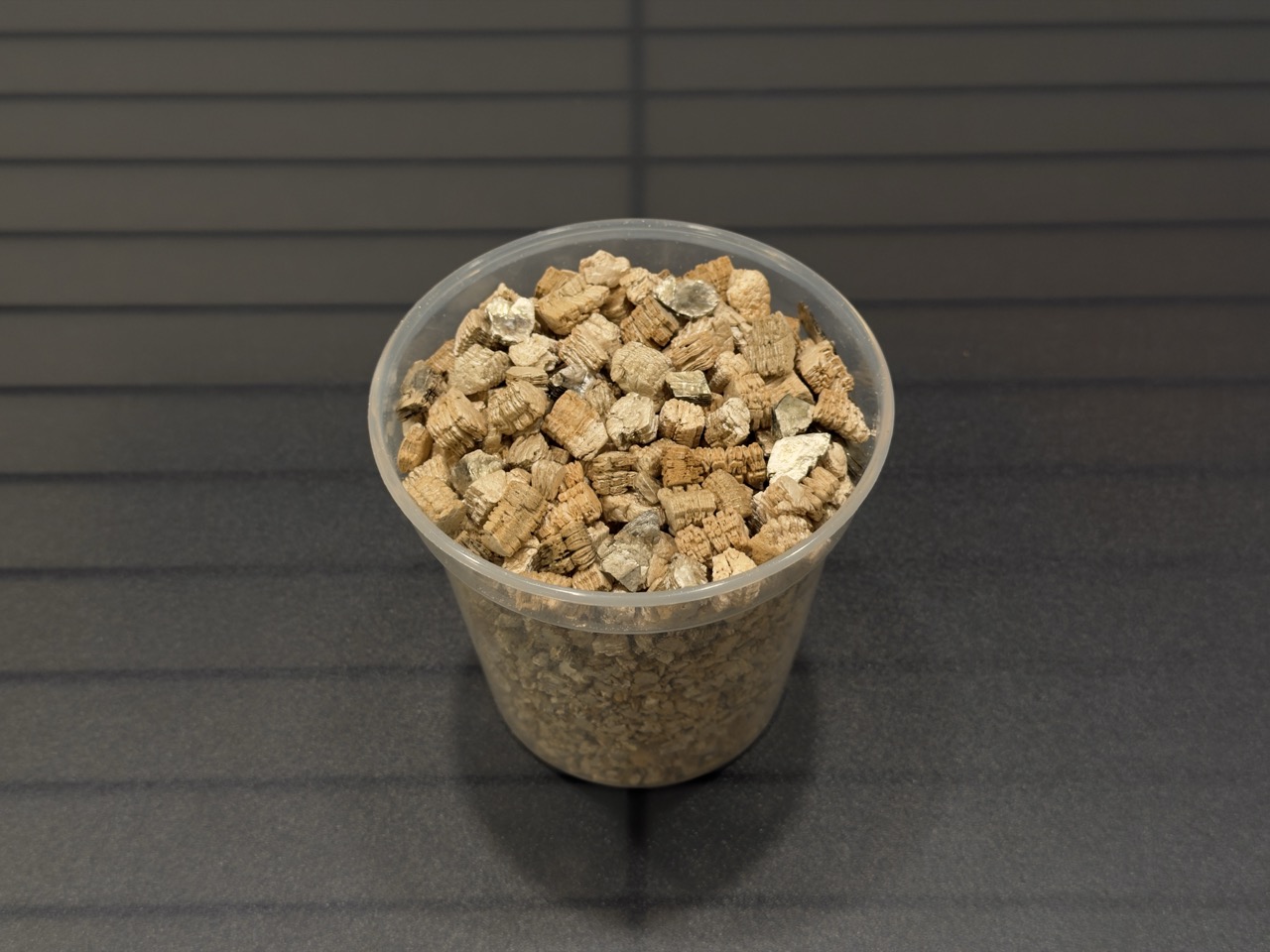
We use a combination of of Perlite, Vermiculite, Pine Bark, and Coconut Coir.
Hoyas are generally drought tolerant with the acceptation a few thin-leaved Hoyas.
Water thoroughly after soil completely drys out.
Hoya's thrive in moderate humidity (around 50%), but can tolerate humidity as low as 30%.
Thrives in Bright, Indirect Sunlight.
Can grow in low indoor lighting but will not flower.
60-85°F
Hoyas flower about twice a year.Hoyas grow "peduncle" (stalk supporting a flower) along the stem.
When cutting hoya, avoid getting its sap on your skin as it can be an irritant.
NOTE: Hoya flowers drip sap, not much, but be careful about what's placed under.